
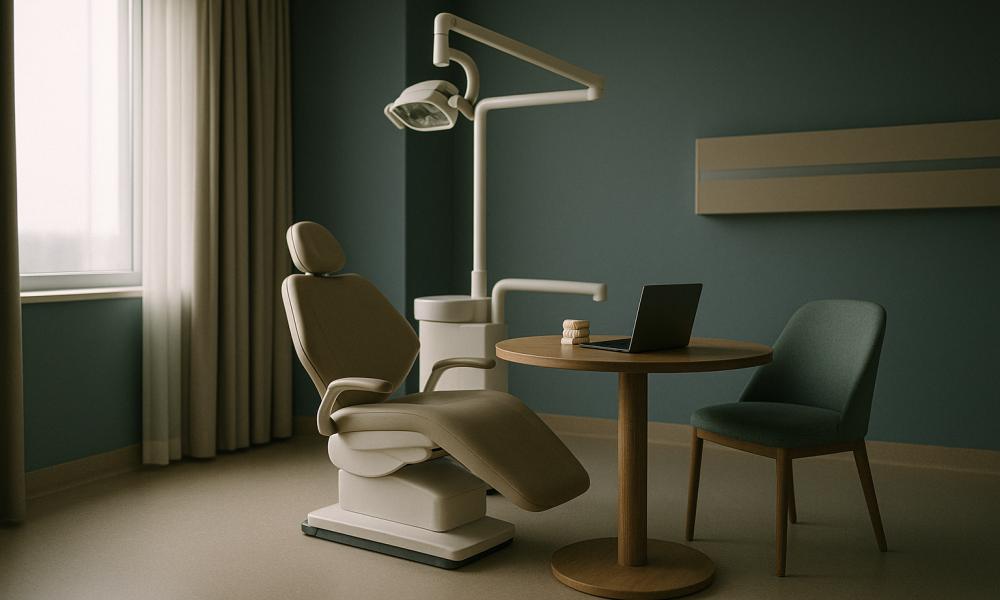
What All-on-6 Dental Implants is and who it is for
All-on-6 dental implants are a modern solution designed to provide a full set of teeth using only six strategically placed implants in the jaw. This technique is particularly beneficial for individuals who have lost most or all of their teeth, offering a permanent alternative to traditional dentures. The procedure involves placing six titanium implants into the jawbone, which serve as a stable foundation for a full arch of prosthetic teeth. This method ensures that the force of chewing is evenly distributed across the implants, enhancing comfort and functionality.
The All-on-6 method is tailored for individuals who have suffered significant tooth loss due to decay, gum disease, or trauma. It is also suitable for those who have experienced bone loss, as the implants can be angled to maximise existing bone structure, often eliminating the need for bone grafts. This approach can thus be a time-efficient and cost-effective solution compared to other implant methods that may require additional procedures.
Patients opting for All-on-6 dental implants can expect a procedure time of approximately 2 to 4 hours, depending on the complexity of their case. The surgery is typically performed under local anaesthesia, although general anaesthesia may be used in certain cases to enhance patient comfort. Following the procedure, patients usually do not require an overnight hospital stay, as it is commonly performed on an outpatient basis.
The immediate benefits of All-on-6 dental implants include improved aesthetics, enhanced oral function, and increased confidence in social interactions. The prosthetic teeth are designed to look and feel like natural teeth, allowing patients to eat, speak, and smile with ease. Moreover, the implants help preserve the jawbone, preventing the bone deterioration that often accompanies tooth loss.
Are you a good candidate?
Determining candidacy for All-on-6 dental implants involves several factors that ensure the procedure’s success and the patient’s safety. Ideal candidates are those who have lost most or all of their teeth and are looking for a permanent, stable solution. It is essential that candidates have adequate bone density in the jaw to support the implants, although the All-on-6 technique can often accommodate those with some degree of bone loss.
Before proceeding with the treatment, a comprehensive dental examination and imaging tests, such as X-rays or CT scans, are conducted to assess the jawbone’s condition and determine the most appropriate placement for the implants. Candidates should also be in good overall health, as certain medical conditions, such as uncontrolled diabetes, may affect the healing process and the long-term success of the implants.
- Significant tooth loss (most or all teeth missing)
- Good general health with no contraindicating medical conditions
- Adequate jawbone density or willingness to undergo preparatory procedures
- Non-smoker or willing to cease smoking during recovery
- Commitment to maintaining oral hygiene and attending follow-up appointments
- Realistic expectations regarding the procedure’s outcomes
Patients with a history of periodontal disease should have the condition under control before considering All-on-6 implants, as active infection can compromise the implants’ stability. Additionally, smoking can significantly hinder the healing process and increase the risk of implant failure; thus, candidates are advised to quit smoking before and after the surgery.
Ultimately, the decision to undergo the All-on-6 procedure should be made in consultation with a qualified dental professional, who can provide personalised advice based on the patient’s unique dental and medical history. Prospective patients should ensure they are comfortable with the procedure’s details and potential risks, and they should be prepared to adhere to post-operative care instructions to maximise the longevity and success of their new smile.
The procedure, step by step
The All-on-6 dental implant procedure is a comprehensive solution for full arch restoration, often completed in a single visit. Here is a detailed step-by-step guide to help you understand what to expect:
- Initial Consultation and Assessment: This is the first crucial step where your dentist will conduct a thorough examination of your oral health. This typically includes X-rays and 3D imaging to assess bone density and to plan the implant placement accurately. During this consultation, your dentist will also discuss your medical history and any medications you are taking.
- Treatment Planning: Based on the initial assessment, a personalised treatment plan is crafted. This plan considers the number of implants required, the type of prosthetic teeth, and the overall design of your new smile. This is also the time to discuss anaesthesia options, which commonly include local anaesthesia or IV sedation.
- Pre-Surgery Preparations: Before the surgery, patients are typically advised to follow specific instructions, such as fasting if sedation will be used. The dentist will also ensure all necessary equipment and materials are ready, and any pre-surgery medications are prescribed.
- Surgical Procedure: The actual implant surgery begins with administering anaesthesia. Once numb, the dentist makes incisions in the gum tissue to expose the bone. Using a precise drill, six implants are strategically placed into the jawbone. This usually takes about 2 to 3 hours, depending on individual cases.
- Placement of Temporary Prosthesis: After the implants are secured, a temporary prosthetic arch is attached. This allows for immediate function and aesthetics while the implants integrate with the bone, a process called osseointegration, which can take several months.
- Post-Surgery Instructions: After the procedure, the dental team will provide detailed post-operative care instructions. This includes guidance on diet, oral hygiene, and activities to avoid during the initial healing period.
- Follow-Up Appointments: Regular follow-up visits are necessary to monitor the healing process. Adjustments to the temporary prosthesis may be made to ensure comfort and function.
- Final Prosthesis Placement: Once the osseointegration process is complete, which typically takes around 3 to 6 months, the temporary prosthesis is replaced with a custom-made permanent set of teeth. This step finalises the restoration, providing a durable and natural-looking result.
Throughout the procedure, communication with your dental team is key to addressing any concerns and ensuring a smooth process.
Recovery timeline
Recovery from All-on-6 dental implants is a crucial phase that requires careful attention to ensure successful osseointegration and long-term outcomes. Below is a detailed recovery timeline:
| Period | What to expect | Care notes |
|---|---|---|
| Day 1 | Swelling and minor bleeding are common. You may experience some discomfort as the anaesthesia wears off. | Apply ice packs intermittently to reduce swelling. Take prescribed pain medication as directed. Avoid hot foods and drinks. |
| Days 2-3 | Swelling may peak during this period. Some bruising around the surgical area is normal. | Continue with soft foods and maintain good oral hygiene. Rinse gently with a saltwater solution to keep the area clean. |
| Week 1 | Swelling and bruising should begin to subside. Sutures may start to dissolve or be removed. | Attend your follow-up appointment for a check-up. Stick to a soft diet and avoid strenuous activities. |
| Weeks 2-4 | Healing progresses, with most discomfort significantly reduced. Temporary prosthesis adjustments may be needed. | Gradually introduce firmer foods as tolerated. Maintain regular follow-ups with your dentist. |
| Months 1-3 | Osseointegration is underway. The implants are becoming more stable within the bone. | Adhere to your dentist’s advice regarding diet and oral care to support healing. |
| Months 3-6 | Full integration is typically achieved by this time, and you will be ready for the final prosthesis. | Schedule the appointment for the final prosthetic fitting. Continue routine dental check-ups. |
| Full Recovery | With the permanent prosthesis placed, you should experience full functionality and aesthetics. | Maintain excellent oral hygiene and regular dental visits to ensure the longevity of your implants. |
Each patient’s recovery may vary slightly, but following these guidelines will help facilitate a smooth and effective healing process.
What it costs: Turkey vs Europe
When considering All-on-6 dental implants, cost is a significant factor for many patients. Turkey has become a popular destination for this procedure due to its competitive pricing compared to many European countries. It’s essential to understand that these figures are indicative and can vary depending on the specific clinic, the complexity of the case, and the materials used.
| Country | Indicative Price Range (GBP) | Typical Inclusions |
|---|---|---|
| Turkey | £3,000 – £7,000 |
|
| United Kingdom | £10,000 – £25,000 |
|
| Germany | £15,000 – £30,000 |
|
These cost differences are largely attributed to the lower cost of living and operational costs in Turkey, combined with the availability of experienced dental professionals. However, it is crucial for patients to consider what is included in the treatment package. For example, some clinics in Turkey may offer comprehensive packages that include accommodation and transfers, which can significantly enhance the value proposition.
When evaluating costs, prospective patients should also consider travel expenses, including flights and accommodation, which are not typically included in the price of the treatment. It is advisable to reach out to multiple clinics to obtain detailed quotes and to ensure that you are comparing like-for-like services.
Ultimately, the decision should balance cost with the reputation and accreditation of the clinic, the experience of the dental professionals, and the overall quality of care offered. While cost is an important factor, it should not be the sole determinant in choosing where to undergo All-on-6 dental implants.
Risks and how accredited providers manage them
Like any surgical procedure, All-on-6 dental implants come with potential risks. However, understanding these risks and knowing how accredited providers in Turkey manage them can help alleviate concerns and promote informed decision-making.
Common risks associated with All-on-6 dental implants include infection, implant failure, nerve damage, and sinus problems. Accredited clinics in Turkey employ several strategies to mitigate these risks, ensuring patient safety and successful outcomes.
- Infection Prevention: Clinics adhere to strict hygiene protocols to minimise infection risks. Sterile environments and the use of high-quality, biocompatible materials are standard practices. Patients are often prescribed antibiotics post-surgery as a preventive measure.
- Pre-operative Assessment: Comprehensive pre-operative assessments, including digital imaging and 3D scans, are conducted to plan the surgery meticulously. This helps in identifying any potential anatomical challenges beforehand, reducing the risk of complications such as nerve damage or sinus issues.
- Experienced Professionals: Accredited clinics typically employ highly trained and experienced oral surgeons who specialise in implantology. Their expertise plays a crucial role in the precise placement of implants, significantly reducing the risk of implant failure.
- Post-operative Care: Follow-up appointments are essential to monitor the healing process. Clinics provide detailed post-operative care instructions and are available to address any concerns, helping to promptly manage any complications that may arise.
Accreditation and certification by international bodies such as the Joint Commission International (JCI) or the Turkish Ministry of Health signal adherence to global healthcare standards. These accreditations ensure that clinics meet stringent criteria concerning patient safety, care quality, and operational practices.
Patients are encouraged to verify the accreditation status of the clinics they are considering. This can typically be done through the clinic’s website or by direct inquiry. Additionally, reading reviews and testimonials from previous patients can provide insights into the clinic’s reputation and the experiences of others.
While risks cannot be entirely eliminated, choosing a reputable, accredited provider can significantly mitigate them. Patients should engage in open discussions with their chosen clinic to understand the specific measures in place to manage risks and to make an informed decision about their treatment.
How to choose the right provider
Choosing the right provider for All-on-6 dental implants in Turkey is crucial for ensuring a successful outcome. The first step is to verify the clinic’s accreditation. Look for clinics accredited by internationally recognized bodies such as the Joint Commission International (JCI) or the Turkish Ministry of Health. These accreditations ensure that the clinic adheres to high standards of hygiene and patient care.
Another critical factor is the experience of the surgeon. Ideally, the surgeon should have specialized training in implantology and a substantial track record of performing All-on-6 procedures. Ask for the surgeon’s credentials and inquire about their experience. You may also request before-and-after photos of previous patients to gauge the quality of their work.
Aftercare is another essential consideration. A comprehensive aftercare plan should include post-operative check-ups, guidance on oral hygiene, and management of any potential complications. Some clinics offer packages that include follow-up appointments, which can be particularly beneficial if you plan to return home shortly after the procedure.
Be vigilant for red flags when choosing a provider. Avoid clinics that offer significantly lower prices than the typical range of €4,500 to €8,000 for All-on-6 implants, as this may indicate compromised quality. Additionally, be wary of providers who promise guaranteed outcomes or quick fixes, as these are unrealistic expectations in medical procedures.
- Accreditation: Ensure the clinic is accredited by reputable bodies.
- Surgeon Experience: Verify the surgeon’s qualifications and experience.
- Aftercare: Look for comprehensive post-operative support.
- Red Flags: Beware of suspiciously low prices and unrealistic promises.
Planning your trip
Planning your trip to Turkey for All-on-6 dental implants involves several important steps. Begin by establishing a timeline. Ideally, you should start planning at least two to three months in advance to allow sufficient time for consultations and travel arrangements. This timeline should include at least one online consultation to discuss your case with the dental team and understand the procedure.
Next, ensure you have the necessary documents. A valid passport is required for entry into Turkey, and some nationalities may need a visa. Check the latest travel advisories and visa requirements for your country. It’s also advisable to carry copies of your medical records, including any dental X-rays or scans, to provide the clinic with comprehensive information about your dental history.
The typical length of stay for an All-on-6 procedure is about 7 to 10 days. This period allows for the initial consultation, the implant surgery, and a follow-up appointment to ensure everything is healing as expected. Some clinics might offer accommodation packages, so inquire about these options when booking your treatment.
After returning home, follow-up care is essential. Arrange for a local dentist to handle post-operative check-ups and maintenance. Discuss this with your chosen Turkish provider to ensure they can communicate effectively with your home-based dental care team.
- Timeline: Plan 2-3 months in advance.
- Documents: Passport, possibly a visa, and medical records.
- Length of Stay: Typically 7-10 days.
- Follow-Up: Arrange for local dental care post-travel.
Frequently Asked Questions
What is the typical cost of All-on-6 dental implants in Turkey?
The typical cost for All-on-6 dental implants in Turkey ranges from €4,500 to €8,000. Prices can vary based on the clinic's location, the surgeon's experience, and the materials used. It's important to get a detailed quote that includes all potential costs such as consultation fees, aftercare, and any additional procedures that might be required.
How does the cost in Turkey compare to other countries?
In Turkey, the cost of All-on-6 dental implants is generally lower than in many Western European countries, where prices can range from €10,000 to €20,000. This makes Turkey an attractive option for those seeking high-quality dental care at a more affordable price. However, patients should ensure that cost savings do not come at the expense of quality and care.
Is it safe to get dental implants in Turkey?
Yes, it is safe to get dental implants in Turkey, provided you choose a reputable clinic with proper accreditation and experienced surgeons. Many clinics in Turkey adhere to international standards of hygiene and patient care. Patients should conduct thorough research, verify accreditations, and consult with previous patients when possible to ensure a safe experience.
What should I look for in a dental clinic?
When selecting a dental clinic, look for accreditation from reputable organizations, experienced and qualified surgeons, and comprehensive aftercare plans. It's also beneficial to read patient reviews and testimonials. A transparent clinic will happily provide this information along with before-and-after photos of previous patients.
How long do I need to stay in Turkey for the procedure?
The typical stay for All-on-6 dental implants in Turkey is about 7 to 10 days. This allows time for the initial consultation, the implant surgery, and a follow-up appointment to ensure proper healing. Some clinics offer accommodation packages, which can be convenient for international patients.
What documents do I need to travel for dental treatment?
To travel to Turkey for dental treatment, you'll need a valid passport and, for some nationalities, a visa. It is also advisable to bring copies of your medical records, including dental X-rays or scans, to provide the clinic with a complete view of your dental history. Check current travel advisories and visa requirements ahead of your trip.
Will I need follow-up care after returning home?
Yes, follow-up care is crucial after dental implant surgery. Arrange for a local dentist to manage your post-operative check-ups and maintenance. Discuss this with your Turkish provider to ensure they can communicate effectively with your home-based dental care team for a seamless transition.
Can I combine my dental treatment with a holiday in Turkey?
Many patients choose to combine their dental treatment with a holiday in Turkey. However, it's essential to consider recovery time and potential discomfort following the procedure. Consult with your dental provider about the best time to explore and any activities to avoid during your recovery period.
How do I verify a surgeon's experience?
To verify a surgeon's experience, request their professional credentials, including any certifications in implantology. Ask about their track record with All-on-6 procedures and request before-and-after photos of previous patients. Reputable clinics will be transparent about their surgeons' qualifications and experience.
What are the potential risks of All-on-6 dental implants?
Potential risks include infection, implant failure, nerve damage, or sinus issues. However, these are rare when the procedure is performed by experienced surgeons in accredited clinics. Discuss all potential risks with your provider and ensure you understand the aftercare instructions to minimize complications.
Are there any red flags I should watch for when choosing a clinic?
Red flags include significantly lower prices than the typical range, lack of accreditation, unqualified staff, and guarantees of unrealistic outcomes. Always research thoroughly, verify accreditation, and consult patient reviews to ensure the clinic meets high standards of care and professionalism.
What should I do if I experience complications after returning home?
If complications arise after returning home, contact both your local dentist and your Turkish provider immediately. They can collaborate to address the issue effectively. Ensure that you have a post-operative care plan in place before returning home to manage any potential complications swiftly.