
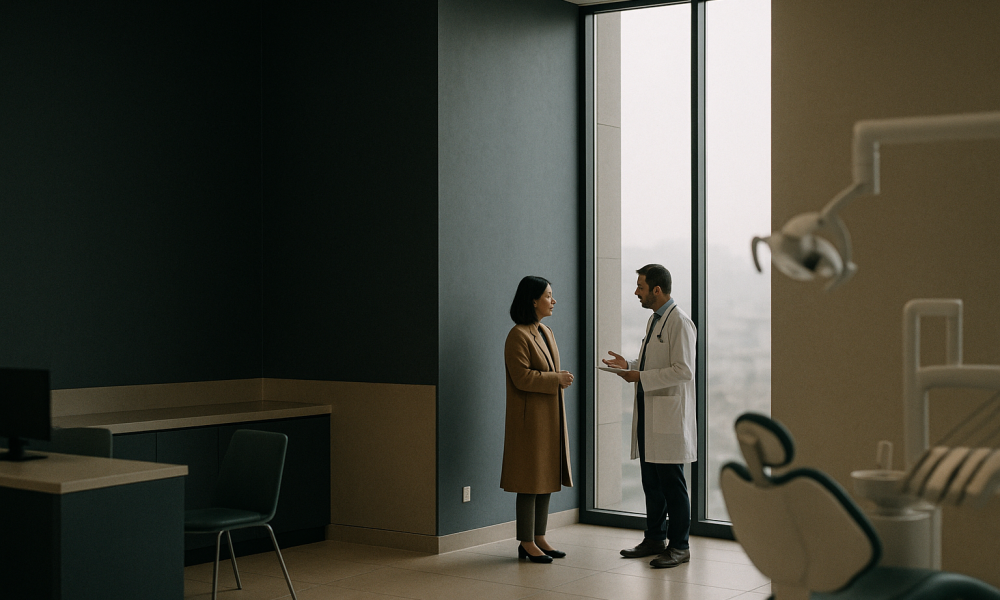
What Implant-Supported Dentures is and who it is for
Implant-supported dentures are a modern dental solution for individuals who have lost most or all of their teeth. Unlike traditional dentures that rest on the gums, implant-supported dentures are anchored to the jawbone using dental implants, providing a more stable and comfortable fit. This type of denture can significantly improve chewing efficiency and overall oral health, making it a popular option for those looking to restore their smile and functionality.
The procedure involves the surgical placement of titanium implants into the jawbone. These implants act as artificial tooth roots, and once they have integrated with the bone, they provide a secure foundation for the dentures. Typically, two to six implants are used per arch, depending on the specific needs and bone density of the patient.
Implant-supported dentures are suitable for individuals who are missing multiple teeth, particularly those who have difficulty with conventional dentures. They are ideal for patients with sufficient jawbone density to support the implants. However, even those with some degree of bone loss may still qualify for the procedure following bone grafting treatments.
This treatment is popular among patients seeking long-term solutions, as the implants can last many years with proper care. Additionally, because the dentures are fixed to the implants, patients often experience improved confidence, as they do not have to worry about dentures slipping or causing discomfort during eating or speaking.
It is important to note that while implant-supported dentures offer many benefits, they require a commitment to oral hygiene and regular dental check-ups to ensure their longevity and function. Patients should also be prepared for a multi-stage process that includes consultation, surgical placement of implants, and fitting of the dentures.
Are you a good candidate?
Determining candidacy for implant-supported dentures involves a comprehensive evaluation by a dental professional. This assessment includes a review of your medical history, oral health status, and specific needs. Here are some key criteria that can help you determine if you may be a suitable candidate for this procedure:
- General Health: Candidates should be in good overall health, as certain medical conditions can affect healing and implant success. Conditions such as uncontrolled diabetes, cancer, or autoimmune diseases may require additional consideration.
- Oral Health: Healthy gums and a sufficient amount of jawbone are crucial for supporting the implants. If you have periodontal disease or significant bone loss, you may need treatment before proceeding with implants.
- Non-Smoker: Smoking can impede the healing process and increase the risk of implant failure. Non-smokers or those willing to quit before and after the procedure have a better prognosis.
- Commitment to Oral Hygiene: Maintaining good oral hygiene is essential for the success of implant-supported dentures. Regular brushing, flossing, and dental check-ups are necessary to prevent infections and ensure the longevity of the implants.
- Realistic Expectations: Understanding the process, potential risks, and benefits of implant-supported dentures is crucial. Candidates should have realistic expectations about the outcomes and the time commitment involved in the treatment.
In some cases, individuals who do not initially qualify for the procedure may undergo preparatory treatments, such as bone grafting or sinus lifts, to enhance their eligibility. These additional procedures can improve the jawbone’s ability to support the implants, opening the door to successful implant-supported dentures.
If you are considering this treatment, a detailed consultation with a qualified dental professional in Turkey can provide personalised insights and help determine the best course of action for your dental health goals.
The procedure, step by step
Implant-supported dentures in Turkey are performed through a meticulous, multi-stage process designed to ensure optimal results. The entire procedure is typically spread over several months, allowing for careful planning, precise execution, and thorough recovery.
- Initial Consultation and Assessment: The process begins with an initial consultation, where a dental specialist evaluates the patient’s oral health. This includes a comprehensive examination of the mouth, gums, and jawbone using X-rays or 3D imaging. The specialist discusses the patient’s medical history and expectations to formulate a personalised treatment plan.
- Implant Placement Surgery: Once the plan is agreed upon, the first surgical phase involves placing titanium implants into the jawbone. This minor surgery is usually performed under local anaesthesia, though sedation options are available for added comfort. Typically, 2 to 4 implants are placed per arch, depending on the bone density and the design of the dentures.
- Osseointegration Period: After implant placement, a healing period of 3 to 6 months is needed for osseointegration, where the implants fuse with the jawbone. This crucial phase ensures the implants are stable enough to support the dentures.
- Abutment Placement: Once osseointegration is confirmed, a minor procedure is conducted to attach abutments to the implants. These serve as connectors between the implants and the dentures. This step is usually quick, requiring only local anaesthesia.
- Denture Fabrication: Impressions of the mouth are taken to fabricate custom dentures. This process involves several fittings to ensure the dentures fit comfortably and function effectively.
- Denture Attachment: Once the dentures are ready, they are securely attached to the abutments. The prosthodontist makes any necessary adjustments to ensure a perfect fit and bite.
- Final Adjustments and Follow-up: After placement, follow-up appointments are scheduled to monitor healing and make any needed adjustments to the dentures. Regular check-ups ensure the longevity and comfort of the implant-supported dentures.
This step-by-step approach ensures that the treatment is tailored to individual needs, maximising the chances of successful integration and long-term satisfaction.
Recovery timeline
The recovery timeline for implant-supported dentures is an essential aspect of the treatment, as it impacts both the success of the implants and the comfort of the patient. Here is a detailed recovery guide from the first day post-surgery to full recovery:
| Period | What to expect | Care notes |
|---|---|---|
| Day 1-3 | Post-surgical swelling and discomfort are common. Minor bleeding may occur. Pain management is typically required. | Apply ice packs to reduce swelling. Follow prescribed pain medication schedule. Avoid hard foods and maintain a soft diet. |
| Day 4-7 | Swelling begins to decrease. Bruising may appear around the surgical site. Discomfort should gradually lessen. | Continue with a soft diet. Begin gentle rinsing with a saltwater solution to aid healing. Avoid strenuous activities. |
| Week 2-4 | Sutures, if used, are usually removed or dissolve. Most discomfort subsides. Initial bone healing begins. | Regular oral hygiene practices can resume, avoiding the surgical site. Continue with gentle saltwater rinses. |
| Month 1-3 | Osseointegration phase where the implants fuse with the jawbone. Minimal discomfort expected. Regular dental visits for monitoring. | Maintain good oral hygiene. Attend all scheduled follow-up appointments. Report any unusual pain or changes to your dentist. |
| Month 4-6 | Osseointegration usually completes. Abutments placed, and impressions taken for dentures. | Follow post-abutment care instructions. Soft foods may still be recommended immediately after abutment placement. |
| Month 7+ | Final dentures are fitted and adjusted. Full function and aesthetics achieved. Regular follow-up for adjustments and maintenance. | Adopt a regular cleaning routine for dentures. Attend periodic dental check-ups to ensure implant health. |
This structured recovery timeline is crucial for ensuring the implants integrate successfully and that the patient can enjoy the full benefits of their new dentures.
What it costs: Turkey vs Australia
When considering implant-supported dentures, cost is a significant factor for many patients. Turkey has become a popular destination for Australians seeking dental treatments due to its competitive pricing, without compromising on quality. However, it’s crucial to understand that these figures are indicative and can vary based on individual cases, the specific clinic, and the complexity of the treatment required.
In Australia, the cost of implant-supported dentures can be quite high due to the broader healthcare and operational expenses. In contrast, Turkey offers more affordable options, primarily due to lower living and operational costs, which are passed on to patients. Here is a comparison of typical price ranges for implant-supported dentures in Turkey versus Australia:
| Location | Indicative Price Range (AUD) | Typical Inclusions |
|---|---|---|
| Turkey | $5,000 – $10,000 |
|
| Australia | $15,000 – $30,000 |
|
It’s important to note that while the upfront costs in Turkey are lower, patients should also consider travel expenses, including flights and potential accommodation if not included in the package. Many clinics in Turkey offer all-inclusive packages that bundle these additional costs, providing a clearer picture of the total expenditure.
Ultimately, the decision should be based on a thorough understanding of what each package includes, the reputation and accreditation of the chosen dental provider, and one’s personal comfort with travelling for medical treatment. Patients are encouraged to conduct comprehensive research and consult with the clinics to get tailored quotes and understand all potential costs involved.
Risks and how accredited providers manage them
Like any medical procedure, implant-supported dentures come with certain risks. These can include infection, nerve damage, sinus problems, and implant failure. However, accredited providers in Turkey are well-equipped to manage these risks effectively, ensuring patient safety and treatment success.
Infection is a common concern, but Turkish clinics maintain high standards of hygiene and sterilisation to mitigate this risk. Accredited clinics follow strict protocols to ensure that all surgical instruments are sterilised, and the surgical environment is kept sterile. Patients are usually prescribed antibiotics post-surgery to further reduce the risk of infection.
Nerve damage, although rare, can occur if the implant is placed too close to a nerve. Accredited providers in Turkey use advanced imaging techniques, such as 3D CT scans, to accurately assess the patient’s jawbone structure and nerve positions before surgery. This precision reduces the likelihood of nerve-related complications.
Sinus problems may arise if implants placed in the upper jaw protrude into the sinus cavity. To prevent this, Turkish dental professionals conduct thorough pre-operative assessments and utilise advanced planning tools to ensure precise placement of implants. In cases where the bone height is insufficient, procedures like sinus lifts can be performed to create a safe environment for the implants.
Implant failure is another risk, often due to insufficient osseointegration or improper oral care post-surgery. Accredited clinics in Turkey emphasise the importance of post-operative care and provide detailed instructions to ensure successful healing. Patients are advised on maintaining oral hygiene, attending follow-up appointments, and avoiding habits like smoking that could impede recovery.
Accreditation plays a critical role in risk management. Reputable clinics in Turkey often hold international accreditations, such as ISO certifications or affiliations with global dental associations, which require adherence to stringent quality and safety standards. These accreditations assure patients that the clinics maintain high levels of professionalism and patient care.
Communication is another key aspect of risk management. Turkish clinics typically have multilingual staff, ensuring that international patients fully understand the procedure, associated risks, and post-operative care instructions. This clear communication helps in managing patient expectations and enhancing the overall treatment experience.
While no medical procedure is without risk, choosing an accredited and experienced provider significantly reduces potential complications. Patients are encouraged to ask questions, request detailed explanations of procedures, and verify the clinic’s accreditation status as part of their decision-making process.
How to choose the right provider
Choosing the right provider for implant-supported dentures in Turkey is a critical step to ensure the best possible outcome. Here are some essential factors to consider:
- Accreditation: Look for clinics accredited by reputable international organisations such as the Joint Commission International (JCI) or the European Society for Quality in Healthcare (ESQH). Accreditation ensures that the clinic meets high standards of care, safety, and hygiene.
- Surgeon Experience: Research the qualifications and experience of the dental surgeons. Ideally, they should have specialized training in implant dentistry and a significant track record of successful procedures. Look for practitioners who have completed advanced courses or hold memberships in professional organisations such as the International Congress of Oral Implantologists (ICOI).
- Aftercare Services: Comprehensive aftercare is crucial for the success of implant-supported dentures. Ensure the provider offers detailed post-operative care instructions and is available for follow-up consultations. Some clinics offer telemedicine consultations to assist with post-treatment queries once you return home.
- Red Flags: Be wary of clinics that make unrealistic promises or guarantees regarding treatment outcomes. Avoid providers that offer significantly lower prices than the typical range of €3,000 to €8,000, as this might indicate compromised quality. Check for reviews or testimonials from previous international patients to gauge their experiences.
By carefully considering these factors, you can select a provider who prioritises patient safety and delivers high-quality care.
Planning your trip
Proper planning is essential when travelling from Australia to Turkey for implant-supported dentures. Here is a comprehensive guide to help you organise your trip:
- Timeline Before Travel: Start planning at least 2-3 months in advance. This allows ample time for consultations, securing appointments, and arranging travel logistics. Initial consultations can often be conducted via video calls, allowing you to discuss your needs and receive preliminary treatment plans.
- Documents Required: Ensure you have a valid passport with at least six months of validity from your planned date of return. Australians require an e-Visa to enter Turkey, which can be easily obtained online. Keep copies of all medical documents, including any treatment plans and correspondence with the clinic.
- Length of Stay: The typical duration for implant-supported dentures can range from 7 to 14 days, depending on the treatment complexity. It’s advisable to plan for a slightly longer stay to accommodate any unforeseen delays or additional follow-up appointments.
- Follow-Up at Home: After returning to Australia, it’s crucial to have a local dentist for follow-up care. Discuss this with your provider in Turkey, as they might have recommendations or partnerships with Australian dentists. Regular check-ups ensure the success and longevity of your implants.
By considering these logistical elements, you can ensure a smooth and stress-free experience.
Frequently Asked Questions
What is the typical cost range for implant-supported dentures in Turkey?
The typical cost range for implant-supported dentures in Turkey is between €3,000 and €8,000. This range can vary based on the complexity of the case, the materials used, and the specific clinic chosen. It's important to confirm all costs in advance and be wary of significantly lower prices, which may indicate compromised quality or hidden fees.
How long should I plan to stay in Turkey for my dental treatment?
For implant-supported dentures, you should plan to stay in Turkey for 7 to 14 days. This duration allows for the initial procedure, any necessary adjustments, and follow-up appointments. It's advisable to schedule a slightly longer stay to accommodate any unexpected delays or additional treatment needs.
Are there any specific accreditations I should look for in a dental clinic?
Yes, look for clinics accredited by reputable organisations such as the Joint Commission International (JCI) or the European Society for Quality in Healthcare (ESQH). These accreditations confirm that the clinic adheres to high international standards of safety, hygiene, and patient care.
Is it safe to get dental implants in Turkey?
Dental treatment in Turkey can be safe if you choose a reputable clinic with proper accreditation and experienced dental surgeons. Ensure the clinic follows international standards of care, and verify the qualifications of the practitioners. Patient testimonials and reviews can also provide insight into the safety and quality of the clinic.
Will my dental insurance cover treatment abroad?
Coverage for treatment abroad varies by insurance provider. It's essential to check with your insurance company to understand what is covered. Some insurers offer partial coverage for international treatments, while others may not cover any expenses incurred outside your home country.
What should I do if I experience complications after returning home?
If you experience complications after returning home, contact the clinic in Turkey for guidance. They may offer advice on managing the issue or recommend a local dentist for follow-up care. It's also advisable to have a local dentist in Australia for ongoing support and check-ups.
What are the main benefits of getting dental implants in Turkey?
The main benefits include cost savings, access to highly qualified dental professionals, and the opportunity to combine treatment with travel. Turkey is known for its advanced dental technology and techniques, often at a lower cost compared to Australia. Additionally, many clinics offer comprehensive care packages that include accommodation and transportation.
How do I verify the qualifications of a dental surgeon in Turkey?
To verify a dental surgeon's qualifications, check their educational background, certifications, and memberships in professional organisations like the International Congress of Oral Implantologists (ICOI). Many clinics provide this information on their websites, and you can also request it directly during consultations.
Can I have a video consultation before travelling to Turkey?
Yes, many clinics offer video consultations for international patients. This allows you to discuss your needs, receive an initial assessment, and understand the proposed treatment plan before committing to travel. It also provides an opportunity to ask questions and gauge the clinic's responsiveness and professionalism.
What should I pack for my dental treatment trip to Turkey?
Pack essentials such as comfortable clothing, personal hygiene items, and any medications you regularly take. Include all relevant medical documents, your e-Visa, and a copy of your treatment plan. It's also useful to bring a small first-aid kit and any dental care items recommended by your dentist for post-treatment care.
Are there language barriers in Turkish dental clinics?
Most reputable dental clinics in Turkey cater to international patients and have staff who speak English fluently. However, it's a good idea to confirm this before your trip and request an interpreter if necessary to ensure clear communication throughout your treatment.
How soon can I resume normal activities after getting dental implants?
Recovery time varies, but most patients can resume normal activities within a few days after the procedure. However, it's recommended to avoid strenuous activities and follow the post-operative care instructions provided by your dentist to ensure optimal healing and implant success.