
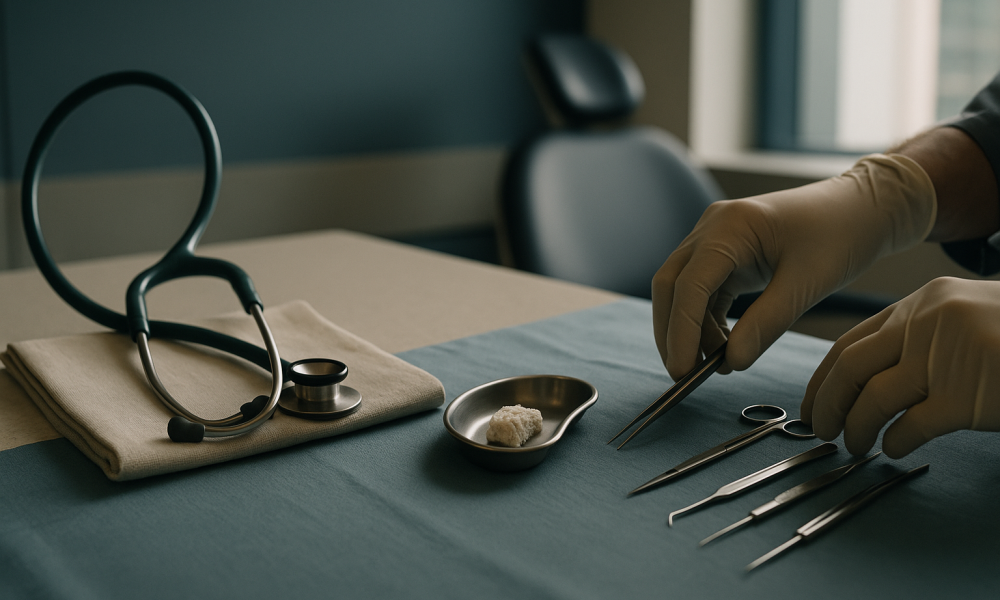
What Dental Bone Grafting is and who it is for
Dental bone grafting is a surgical procedure aimed at augmenting or reconstructing bone in the jaw where it has been lost or is insufficient. This procedure is often essential for patients who require dental implants but lack the necessary bone density to support them. Bone loss in the jaw can result from periodontal disease, trauma, or long-term tooth loss, and dental bone grafting is a method to restore this lost bone tissue.
In a typical bone grafting procedure, bone material, which may be sourced from the patient (autograft), a donor (allograft), or a synthetic substitute, is placed in the area where bone is needed. Over time, this graft material fuses with the existing bone, promoting new bone growth and increasing the density and volume of the jawbone.
Dental bone grafting is especially beneficial for individuals who have been missing teeth for a long period and wish to have dental implants. Without sufficient bone, implants cannot be securely anchored, which is crucial for their long-term success. By increasing the bone volume in the jaw, dental bone grafting provides a solid foundation for implants, significantly enhancing their stability and longevity.
The procedure is typically performed under local anaesthesia, although sedation may be offered for patient comfort. It is generally an outpatient procedure, allowing patients to go home the same day. Recovery times can vary, but most patients can return to normal activities within a couple of days, although full bone integration may take several months.
While bone grafting is a common and generally safe procedure, it is not without risks. Potential complications include infection, graft rejection, and nerve damage, although these are rare. Patients should discuss their medical history and any concerns with their dental surgeon to ensure the best possible outcome.
Are you a good candidate?
Determining whether you’re a suitable candidate for dental bone grafting involves a comprehensive evaluation by a dental professional. This includes a review of your oral health history, a physical examination, and imaging studies such as X-rays or CT scans to assess the condition of your jawbone.
- Insufficient Bone Density: The primary criterion for bone grafting is insufficient bone density in the jaw, which is essential for supporting dental implants.
- Good General Health: Candidates should be in overall good health, as medical conditions like uncontrolled diabetes or immune disorders can affect healing.
- Non-smoker: Smoking can impede healing and increase the risk of complications, so non-smokers or those willing to quit are preferred candidates.
- Healthy Gums: Healthy gum tissue is important for successful grafting and subsequent implant placement.
- Commitment to Oral Hygiene: Candidates must be committed to maintaining excellent oral hygiene and attending regular dental check-ups.
Patients considering bone grafting should also have realistic expectations about the procedure. While bone grafting can significantly improve the chances of successful implant placement, it does not guarantee it. The decision to undergo bone grafting should be made in collaboration with a qualified dental surgeon who can provide personalised advice based on your specific situation.
Furthermore, understanding the financial aspect is crucial. While treatment in Turkey is often more affordable than in the UK, patients should consider all related costs, including travel and accommodation, alongside the indicative procedure cost of £300-£800 per graft.
The procedure, step by step
Dental bone grafting is a complex procedure that aims to restore the bone structure in the jaw, often necessary when natural bone is insufficient for dental implants. Here is a detailed step-by-step guide to what you can expect during a typical dental bone grafting procedure in Turkey.
- Initial Consultation and Assessment: The process begins with an initial consultation where the dentist will assess your oral health using X-rays or a CT scan to evaluate the bone density and structure. This step is crucial for planning the graft and ensuring the suitability of the procedure.
- Pre-operative Preparations: Before the surgery, you may be required to undergo some routine blood tests. Your dentist will discuss the types of anaesthesia available, typically local anaesthesia or sedation, to ensure comfort during the procedure.
- Incision and Preparation of the Graft Site: On the day of the surgery, the dentist will make a small incision in the gum tissue to expose the bone area where the graft is needed. The site is then cleaned and prepared to receive the graft material.
- Harvesting or Preparing the Graft Material: Depending on the type of graft, the material may be harvested from another area of your body (autograft), or it may be synthetic or sourced from a donor (allograft or xenograft). Each type has its specific benefits and considerations, which will be discussed with you beforehand.
- Placement of the Graft: The graft material is carefully placed into the prepared site. If using a block graft, screws may be used to secure the material. In case of particulate grafts, a membrane may be used to hold the material in place.
- Closing the Incision: Once the graft is in place, the gum tissue is repositioned and sutured over the graft site to protect it and promote healing. The sutures are typically dissolvable, reducing the need for removal.
- Post-operative Instructions: After the procedure, you will receive detailed instructions on how to care for the graft site, including dietary restrictions and oral hygiene practices to minimise the risk of infection and promote healing.
This structured approach ensures that the graft has the best chance of integrating successfully with the existing bone, ultimately providing a stable foundation for future dental implants.
Recovery timeline
Recovery from a dental bone graft varies from patient to patient but generally follows a structured timeline. Understanding what to expect during each phase can help you manage your recovery effectively and ensure the best possible outcome.
| Period | What to expect | Care notes |
|---|---|---|
| Day 1 | Immediately following the procedure, you may experience swelling, mild discomfort, and some bleeding. These symptoms are normal and typically subside within a few hours. | Apply an ice pack to the outside of your face to reduce swelling. Take prescribed pain medications as directed and avoid disturbing the graft site. |
| Days 2-3 | Swelling and discomfort may peak but should start to decrease. Bruising around the surgical site may become more noticeable. | Continue using ice packs as needed. Maintain a soft diet and keep your head elevated while resting. Avoid strenuous activities. |
| Week 1 | Swelling should significantly decrease. Stitches may begin to dissolve. The graft site may still be tender. | Begin gentle rinsing with a saltwater solution. Follow up with your dentist if stitches have not dissolved or if you experience severe pain. |
| Weeks 2-4 | Most swelling and bruising should resolve. The graft begins to integrate with the existing bone. | Gradually return to a normal diet, avoiding hard or crunchy foods. Continue good oral hygiene practices. |
| Months 1-3 | The graft continues to heal and integrate. You may have follow-up appointments to assess progress. | Attend all scheduled dental check-ups to monitor the healing process and discuss any concerns with your dentist. |
| Full recovery (3-9 months) | The graft should fully integrate with the jawbone, providing a solid foundation for dental implants. | Your dentist will confirm when the site is ready for implants, typically within 3 to 9 months post-procedure. |
By adhering to these guidelines and maintaining regular communication with your dental care provider, you can ensure a smooth recovery and successful outcome from your dental bone graft procedure.
5. What it costs: Turkey vs the United Kingdom
When considering dental bone grafting, one of the primary factors for many patients is the cost involved. The financial aspect of undergoing such a procedure can vary significantly depending on the location, the complexity of the procedure, and the specific materials used. Turkey has emerged as a popular destination for dental treatments, including bone grafting, largely due to its cost-effectiveness compared to the United Kingdom. It is important to note that the figures provided are indicative and can vary based on individual circumstances and clinic policies.
| Procedure | Turkey (GBP) | United Kingdom (GBP) |
|---|---|---|
| Simple Bone Graft | £200 – £400 | £700 – £1,200 |
| Complex Bone Graft | £500 – £800 | £1,500 – £2,500 |
| Bone Grafting with Sinus Lift | £800 – £1,200 | £2,000 – £3,500 |
In Turkey, the cost of a simple bone graft typically ranges from £200 to £400, whereas in the United Kingdom, the same procedure might cost between £700 and £1,200. For more complex bone grafts, Turkish clinics usually charge between £500 and £800, while UK clinics may charge from £1,500 to £2,500. Similarly, a bone graft involving a sinus lift in Turkey is generally priced between £800 and £1,200, compared to £2,000 to £3,500 in the UK.
These cost differences are largely attributed to the lower overheads and operational costs in Turkey, as well as favourable exchange rates for British patients. Many Turkish clinics offer comprehensive packages that include additional services such as initial consultations, digital imaging, post-operative care, and sometimes even accommodation and transport. In contrast, UK clinics may charge separately for each aspect of the treatment, leading to higher overall costs.
However, it is crucial to emphasise that while cost is an important factor, it should not be the sole consideration when choosing a treatment provider. Patients are encouraged to thoroughly research potential clinics, ensuring they are accredited and have a proven track record of successful outcomes. The quality of care, the expertise of the dental professionals, and the materials used are equally important factors to consider in making an informed decision.
6. Risks and how accredited providers manage them
Dental bone grafting, like any surgical procedure, carries certain risks. Understanding these risks and how accredited providers in Turkey manage them can help prospective patients make informed decisions about their treatment plans.
The primary risks associated with dental bone grafting include infection, graft rejection or failure, nerve damage, sinus complications, and prolonged healing times. While these risks exist, they are relatively uncommon when the procedure is performed by experienced professionals in accredited clinics.
Accredited providers in Turkey adhere to international healthcare standards, which include rigorous infection control protocols. These protocols are designed to minimise the risk of infection, which is one of the most common complications associated with surgical procedures. Clinics maintain sterile environments, utilise autoclaved instruments, and often use disposable materials where appropriate to further reduce the risk of infection.
To manage the risk of graft rejection or failure, Turkish clinics employ thorough pre-operative assessments to evaluate the suitability of the patient for the procedure. This includes assessing the quality and quantity of the existing bone, as well as the patient’s overall health and any underlying conditions that might affect healing. The choice of graft material is also critical, with options ranging from autografts to allografts and synthetic materials, each with its own risk profile and benefits.
Potential nerve damage is mitigated through the use of advanced imaging techniques such as 3D cone beam computed tomography (CBCT), which allows for precise planning of the surgical procedure. This technology helps in identifying nerve pathways and other critical structures, thereby reducing the risk of accidental damage during the surgery.
In cases where the bone graft is performed near the sinus cavities, accredited providers take extra precautions to prevent sinus complications. This includes performing sinus lifts with meticulous care and ensuring that the sinus membrane is not perforated during the procedure.
Accredited clinics also emphasise comprehensive post-operative care to facilitate smooth recovery and minimise risks of prolonged healing. Patients are provided with detailed post-operative instructions, including guidelines on oral hygiene, diet, and activity restrictions. Follow-up appointments are scheduled to monitor the healing process and address any concerns promptly.
Ultimately, while risks can never be entirely eliminated, choosing an accredited provider in Turkey significantly reduces the likelihood of complications. Patients are encouraged to discuss potential risks and management strategies with their chosen clinic to ensure they are fully informed and comfortable with their treatment plan.
7. How to choose the right provider
Choosing the right provider for dental bone grafting in Turkey is a critical step to ensure a successful outcome. Here are key factors to consider:
- Accreditation: Look for clinics accredited by recognised international bodies such as the Joint Commission International (JCI). Accreditation ensures that the clinic adheres to high standards of quality and patient safety.
- Surgeon Experience: Research the experience and qualifications of the dental surgeons. A surgeon with substantial experience in bone grafting procedures is more likely to deliver optimal results. Verify their credentials and look for membership in professional organisations such as the Turkish Dental Association.
- Aftercare Services: Evaluate the aftercare services provided by the clinic. High-quality aftercare is crucial for recovery and includes follow-up appointments, post-operative care instructions, and availability of support staff for any immediate concerns.
- Red Flags: Be wary of clinics that make unrealistic promises or guarantee outcomes. Avoid providers that offer significantly lower prices than the typical range, as this could indicate compromised quality. Consult multiple clinics to compare services and get a comprehensive understanding of what is offered.
While researching, it’s beneficial to look at patient testimonials and reviews. Online forums and social media can provide insights into other patients’ experiences. Additionally, consider reaching out to previous patients if possible, to ask about their personal experiences.
8. Planning your trip
Planning your trip for dental bone grafting in Turkey involves several crucial steps to ensure a smooth experience:
- Timeline Before Travel: Begin planning at least 2-3 months in advance. This timeframe allows you to research providers, obtain necessary documents, and book travel arrangements. Ensure you have a detailed treatment plan from your chosen clinic before departure.
- Documents: Ensure your passport is valid for at least six months beyond your intended stay. Obtain any required visas as per the Turkish immigration requirements for UK citizens. Carry copies of your medical records, including any dental X-rays or relevant health information to share with your treatment provider.
- Length of Stay: Typically, patients should plan for a stay of 7-10 days. This duration allows for the procedure, initial recovery, and a follow-up appointment. Discuss with your provider about any necessary adjustments to this timeline based on your specific treatment plan.
- Follow-up at Home: Coordinate with your local dentist for post-treatment follow-up. Your Turkish provider should provide detailed instructions and a summary of the treatment to share with your home dentist. This ensures continuity of care and monitoring of your healing process.
Additionally, consider travel insurance that covers medical tourism, ensuring protection against unforeseen circumstances. Booking accommodation close to your clinic can reduce travel stress. Keep in mind that recovery from bone grafting may require you to limit physical activity, so plan your itinerary accordingly. Lastly, ensure you have a direct line of communication with your clinic for any immediate post-operative queries.
Frequently Asked Questions
What is the typical cost of dental bone grafting in Turkey?
The cost of dental bone grafting in Turkey typically ranges from £500 to £1,200, depending on the complexity of the procedure and the materials used. This is significantly lower than the prices in the UK, where similar procedures can cost upwards of £2,000. However, these figures are indicative and it's important to get a detailed quote from your chosen provider.
How do I know if a clinic is accredited?
Accreditation can be verified by checking if the clinic is listed on the websites of recognised international accrediting bodies such as the Joint Commission International (JCI). You can also ask the clinic directly for their accreditation details and certificates. Accreditation assures that the clinic adheres to high standards of healthcare quality and patient safety.
What should I do if I experience complications after returning home?
If you experience complications after returning home, contact your local dentist as soon as possible for an assessment. Also, inform your Turkish provider about the issue, as they may offer advice or coordinate with your local dentist. Having a follow-up plan with your local dentist before you travel can facilitate prompt care if needed.
Is dental bone grafting in Turkey safe?
When performed by qualified and experienced professionals at accredited clinics, dental bone grafting in Turkey is generally safe. Ensure that the clinic follows international standards and that the surgeon is experienced in such procedures. Thorough research and choosing a reputable provider can significantly mitigate risks.
Will there be a language barrier during my treatment?
Many clinics catering to international patients in Turkey employ English-speaking staff or provide translators to assist with communication. It's advisable to confirm this with your chosen clinic beforehand to ensure smooth communication throughout your treatment journey.
How long does the recovery process take?
Recovery from dental bone grafting varies depending on the individual and the complexity of the procedure, but it generally takes several weeks to a few months for complete healing. Your surgeon will provide specific post-operative care instructions to aid your recovery process.
Can I combine my dental treatment with a holiday in Turkey?
While it's possible to combine dental treatment with a holiday, it's important to prioritise your recovery. Discuss with your dentist about any restrictions on activities post-procedure. Plan for a restful stay, especially in the initial recovery phase, before engaging in extensive travel or activities.
What documents do I need to bring for my treatment in Turkey?
You'll need a valid passport, possibly a visa depending on your nationality, and copies of your medical and dental records, including X-rays. It's also helpful to have a detailed treatment plan from your provider and any relevant insurance documents.
How far in advance should I plan my trip for treatment?
It's advisable to start planning at least 2-3 months in advance. This allows ample time to research providers, arrange consultations, book flights and accommodation, and secure any necessary travel documents or visas.
What kind of aftercare is provided by Turkish clinics?
Turkish clinics typically offer comprehensive aftercare, including follow-up appointments, post-operative care instructions, and 24/7 support. It's essential to discuss the specifics of aftercare with your clinic to understand what is included and how they will support your recovery.
Are there any hidden costs I should be aware of?
While initial quotes should cover most costs, there may be additional expenses such as medication, additional tests, or follow-up visits. It's crucial to get a detailed breakdown of costs from your provider to avoid surprises. Travel, accommodation, and insurance are typically not included in medical quotes.
Can I get a refund if the treatment doesn't go as planned?
Refund policies vary by clinic, so it's important to discuss this with your provider before proceeding with treatment. Some clinics may offer corrective procedures or partial refunds, but these policies need to be clearly understood and agreed upon beforehand.