
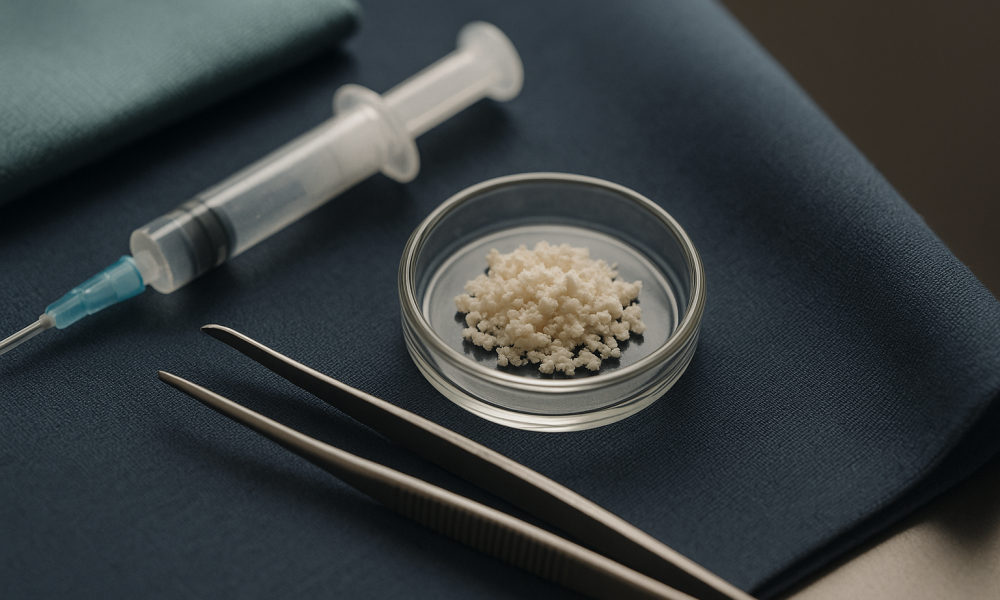
What Dental Bone Grafting is and who it is for
Dental bone grafting is a surgical procedure designed to rebuild or augment bone in the jaw where it has been lost or is insufficient, providing the necessary foundation for dental implants. This process is crucial for patients who have experienced bone loss due to tooth extraction, periodontal disease, or trauma. The procedure typically involves adding bone or a bone-like material to the jaw, which eventually fuses with the existing bone to create a stable base for implants.
In Turkey, dental bone grafting is a well-established practice, performed by experienced oral surgeons using advanced techniques and materials. The materials used for the graft can vary, including autografts (bone taken from another part of the patient’s body), allografts (donor bone), xenografts (bone from animal sources), or alloplasts (synthetic materials). The choice of material depends on various factors, including patient preference, the extent of bone loss, and the surgeon’s recommendation.
Bone grafting is often necessary for patients planning to receive dental implants, as implants require a certain amount of bone to be securely anchored. Without sufficient bone, implants may fail, leading to complications and additional procedures. Bone grafting ensures that implants have a stable and durable foundation, increasing the likelihood of successful outcomes.
This procedure is suitable for individuals who have experienced significant bone loss, often due to long-term tooth loss, which can lead to bone resorption. Furthermore, patients with congenital defects or those who have suffered facial trauma resulting in bone damage may also benefit from bone grafting.
In summary, dental bone grafting is a vital step for many seeking dental implants, particularly when bone loss is present. It is a safe and effective procedure that provides a solid foundation for implants, enhancing the overall success of dental restorations. Patients considering this procedure in Turkey can expect high-quality care, with many clinics offering competitive pricing and using state-of-the-art technology to ensure optimal results.
Are you a good candidate?
Determining if you are a good candidate for dental bone grafting involves assessing several factors related to your oral health, medical history, and personal circumstances. Here are some key criteria to consider:
- Bone Loss: Significant bone loss in the jaw, often due to missing teeth or periodontal disease, is a primary indicator for needing a bone graft. If you’ve been told that your jawbone lacks the density or volume required for implants, a graft may be necessary.
- Overall Health: Good general health is essential for any surgical procedure. Conditions such as uncontrolled diabetes, smoking, or immune disorders can affect healing and integration of the graft.
- Oral Health: Healthy gums and absence of active oral infections are crucial for successful grafting. Your dentist will evaluate your oral health to ensure no underlying issues could complicate the procedure.
- Commitment to Oral Hygiene: Post-surgery, maintaining excellent oral hygiene is critical to prevent infection and ensure successful healing of the grafted area.
- Age and Growth: Typically, candidates should be adults with fully developed jawbones. Younger individuals whose jaws are still growing may not be suitable candidates.
- Expectations and Goals: Understanding the purpose and limitations of bone grafting is essential. Patients should have realistic expectations regarding the procedure, recovery time, and outcomes.
- Financial Considerations: While Turkey offers competitive pricing, it is important to consider the total cost, including travel and accommodation, when planning your procedure.
If you meet these criteria, you might be an excellent candidate for dental bone grafting. It’s crucial to have a detailed consultation with a qualified oral surgeon who can assess your specific needs and provide tailored advice. This consultation will typically involve diagnostic imaging, such as X-rays or CT scans, to evaluate the extent of bone loss and plan the appropriate treatment strategy.
Ultimately, the decision to undergo dental bone grafting should be made in collaboration with your dental professional, taking into account your health, needs, and goals for dental restoration. In Turkey, many clinics offer comprehensive evaluations and personalised treatment plans to ensure the best possible outcomes for international patients.
The procedure, step by step
Dental bone grafting is a surgical procedure aimed at augmenting or reconstructing bone in the jaw. This process is essential for patients who have insufficient natural bone to support dental implants. Below is a detailed step-by-step overview of the procedure.
- Initial Consultation and Assessment: Before the procedure, a comprehensive consultation with a dental specialist is conducted. This includes a thorough review of the patient’s medical history, dental health assessment, and diagnostic imaging such as X-rays or CT scans to evaluate the jawbone’s condition.
- Preparation and Anesthesia: On the day of the procedure, the patient is prepared and local or general anaesthesia is administered, depending on the complexity of the graft and patient preference. Sedation options are discussed beforehand to ensure patient comfort.
- Incision and Exposure: The oral surgeon makes an incision in the gum tissue to expose the bone area where the graft is needed. This step requires precision to minimize tissue damage and ensure a smooth healing process.
- Graft Placement: The bone graft material, which can be autogenous (from the patient’s own body), allogenic (from a donor), xenogeneic (from an animal source), or synthetic, is carefully placed onto the exposed bone. The choice of graft material depends on various factors including the patient’s health, preference, and the surgeon’s recommendation.
- Securing the Graft: The graft is secured in place using small screws or other fixation devices if necessary, to ensure stability. Membranes may also be used to cover the graft and promote bone growth.
- Closure: The gum tissue is then repositioned and sutured back into place. The sutures may be dissolvable or require removal after a few weeks, depending on the type used.
- Post-Operative Care: After the procedure, the patient is given detailed post-operative care instructions, which include medication prescriptions for pain management and antibiotics to prevent infection. Follow-up appointments are scheduled to monitor healing.
Throughout each step, the dental team ensures that the highest standards of care and precision are maintained, focusing on patient comfort and optimal outcomes. The procedure typically lasts between 45 minutes to a few hours, depending on the extent of the graft required.
Recovery timeline
The recovery process following a dental bone graft is crucial for the success of the treatment. This timeline outlines what patients can expect and how they should care for themselves during each phase of recovery.
| Period | What to expect | Care notes |
|---|---|---|
| Day 1 | Mild to moderate swelling and discomfort are common. Slight bleeding may occur. | Apply ice packs intermittently to reduce swelling. Take prescribed pain medication and antibiotics as directed. Rest and avoid strenuous activities. |
| Days 2-3 | Swelling may peak and start to subside. Bruising might appear around the surgical area. | Continue taking medications. Begin gentle rinsing with a saline solution, but avoid vigorous rinsing or spitting. |
| Week 1 | Swelling should significantly decrease. Initial healing of the gum tissue begins. | Avoid smoking and alcohol. Follow a soft food diet to prevent irritation to the graft site. |
| Weeks 2-4 | Most discomfort and swelling should be resolved. Gum tissue continues to heal. | Resume normal oral hygiene practices gently. Attend follow-up appointments for suture removal if necessary. |
| Months 1-3 | Bone integration process begins. The graft becomes incorporated into the natural bone. | Maintain regular dental check-ups to monitor progress. Continue with a balanced diet rich in calcium and vitamin D. |
| Month 4 and beyond | Full recovery and bone integration typically complete. Patient may be ready for dental implants. | Discuss with your dentist about the readiness for any subsequent procedures like implant placement. |
Patients should adhere to the care notes provided to ensure a smooth and successful recovery. While individual experiences may vary, following these guidelines can help mitigate complications and promote effective healing.
What it costs: Turkey vs Europe
When considering dental bone grafting, cost is a significant factor for many patients. Turkey has become an increasingly popular destination for this procedure, offering competitive prices without compromising quality. However, it is crucial to understand that these figures are indicative and can vary depending on several factors, including the type of graft material used, the complexity of the procedure, and the specific clinic or surgeon.
In general, the cost of dental bone grafting in Turkey typically ranges from €400 to €900 per graft. This price often includes the initial consultation, the procedure itself, follow-up visits, and sometimes even accommodation and transport within Turkey, forming part of a comprehensive package.
In comparison, the same procedure in various European countries can be significantly more expensive. For instance, in the United Kingdom, you might expect to pay between €1,000 and €2,500, while in Germany, the costs could range from €1,200 to €2,000. These prices usually cover the procedure and follow-up care but rarely include additional services such as transport or accommodation.
| Country | Indicative Cost Range (€) | Typical Package Inclusions |
|---|---|---|
| Turkey | 400 – 900 | Consultation, procedure, follow-up visits, accommodation, transport |
| United Kingdom | 1,000 – 2,500 | Consultation, procedure, follow-up visits |
| Germany | 1,200 – 2,000 | Consultation, procedure, follow-up visits |
It is important to note that while the upfront costs in Turkey are lower, patients should consider additional expenses such as travel and potential time off work. However, even with these added costs, many find the overall expenditure to be more economical compared to undergoing the procedure in their home country.
Prospective patients are encouraged to discuss with clinics what their package includes to ensure they receive the best value for their investment. Transparency with financial planning will contribute to a smoother medical tourism experience.
Risks and how accredited providers manage them
As with any medical procedure, dental bone grafting carries certain risks. These can include infection, graft rejection, swelling, nerve damage, and prolonged healing. However, with careful planning and execution by experienced professionals, these risks can be significantly minimised.
Accredited providers in Turkey are well-equipped to manage these potential complications. Clinics often adhere to international standards of care and are subject to regular inspections to maintain their accreditation status. This involves rigorous protocols for sterilisation, infection control, and patient safety, ensuring that the risk of complications is kept to a minimum.
One of the primary concerns with bone grafting is the risk of infection. Accredited clinics employ strict sterilisation techniques and use high-quality materials to reduce this risk. Patients are typically prescribed antibiotics post-surgery to further guard against infection.
There is also a possibility of graft rejection, where the body does not accept the new bone material. To mitigate this, surgeons often use biocompatible materials and may harvest autografts (bone from the patient’s own body), which have a lower rejection rate. Prior to the procedure, a thorough assessment of the patient’s medical history is conducted to identify any factors that might increase the risk of rejection.
Swelling and discomfort are common post-operative concerns. Accredited providers manage these by offering detailed aftercare instructions and prescribing appropriate pain management medications. Patients are advised to follow these guidelines closely to ensure a smooth recovery.
In rare cases, nerve damage can occur during the procedure. Experienced surgeons minimise this risk through careful planning and the use of advanced imaging techniques to map out the surgical site accurately. This precision helps protect vital structures during the grafting process.
Finally, accredited clinics in Turkey provide robust support for post-operative care. This includes regular follow-ups to monitor healing and address any issues promptly. Patients are encouraged to maintain open communication with their healthcare providers and report any unusual symptoms immediately.
Overall, while there are inherent risks associated with dental bone grafting, choosing an accredited provider in Turkey can offer reassurance that these risks are managed effectively and professionally.
How to Choose the Right Provider
Choosing the right dental provider for bone grafting in Turkey is crucial for achieving the best possible outcome. It’s important to consider several factors including accreditation, surgeon experience, aftercare services, and red flags that might indicate a less reputable clinic.
Accreditation: Ensure the clinic is accredited by recognised international bodies such as the Joint Commission International (JCI) or the Turkish Health Care Quality and Accreditation Institute (TÜSKA). Accreditation ensures that the clinic adheres to high standards of patient safety and care.
Surgeon Experience: Investigate the experience and qualifications of your prospective surgeon. Ideally, the surgeon should have several years of experience specifically in dental bone grafting, as well as a track record of successful procedures. You may request to see before-and-after photos of past surgeries and ask for patient testimonials.
Aftercare: Comprehensive aftercare is essential for a successful recovery. Check if the clinic provides a detailed aftercare plan, including follow-up appointments, and whether they offer remote consultations once you return home. Inquire about the availability of English-speaking staff to ensure clear communication during your stay.
Red Flags: Be cautious of clinics that promise guaranteed results or advertise prices that seem too good to be true. Ensure that all costs are transparent and that there are no hidden fees. Avoid clinics that do not provide clear answers to your questions or pressure you into making quick decisions.
Consultation and Communication: Prior to committing, schedule a consultation to discuss your specific needs and expectations. Ensure that the clinic is responsive and provides detailed, evidence-based information about the procedure and recovery process.
Planning Your Trip
Planning your dental trip to Turkey involves several logistical considerations. Proper preparation will help ensure a smooth and stress-free experience.
Timeline Before Travel: Begin planning your trip at least three months in advance. This timeframe allows for adequate research, consultation, and booking of appointments. It’s also important to account for any necessary pre-operative tests or assessments that the clinic may require.
Documents: Ensure your passport is valid for at least six months from your date of entry into Turkey. You may also need a visa, depending on your country of origin. Additionally, carry copies of medical records, a list of current medications, and any correspondence with the clinic.
Length of Stay: The typical stay for dental bone grafting includes a few days before the procedure for consultations and tests, and a recovery period of 7-10 days post-surgery. Plan to stay in Turkey for at least 10-14 days to allow for initial recovery and any follow-up appointments.
Accommodation and Transport: Many clinics offer packages that include accommodation and airport transfers. If booking independently, choose a hotel close to the clinic to minimise travel stress. Consider transportation options, such as taxis or public transport, to navigate the city.
Follow-up at Home: Before leaving Turkey, ensure you receive detailed instructions for post-operative care. Arrange for a follow-up appointment with your local dentist or oral surgeon to monitor your recovery. Keep in touch with the Turkish clinic for remote consultations if needed.
Insurance and Costs: While dental procedures in Turkey are generally more affordable than in many European countries, it’s important to confirm what your insurance covers. Typical costs for dental bone grafting in Turkey might range from €500 to €1,500, depending on the complexity and materials used. Always clarify what is included in the quoted price.
Frequently Asked Questions
What should I consider when choosing a clinic for dental bone grafting?
Consider the clinic's accreditation, the surgeon's experience, and the quality of aftercare services. Ensure the clinic is accredited by reputable bodies and the surgeon has a proven track record in bone grafting. Comprehensive aftercare, including follow-up consultations and clear communication, is crucial.
How long should I plan to stay in Turkey for the procedure?
Plan to stay in Turkey for at least 10-14 days. This includes time for pre-surgery consultations, the procedure itself, and a recovery period of 7-10 days. This duration allows for necessary follow-up appointments before you return home.
What documents do I need to bring for dental treatment in Turkey?
Ensure your passport is valid for at least six months from your entry date. Depending on your nationality, a visa may be required. Bring copies of your medical records, a list of current medications, and any communication with the clinic regarding your treatment.
How much does dental bone grafting typically cost in Turkey?
The cost for dental bone grafting in Turkey typically ranges from €500 to €1,500. This range depends on the complexity of the procedure and the materials used. Always confirm what's included in the quoted price to avoid any surprises.
Is dental bone grafting in Turkey safe?
Dental bone grafting in Turkey is generally safe when performed at accredited clinics by experienced surgeons. Ensure the clinic follows international standards of patient safety and hygiene. Research the clinic’s credentials and patient reviews to make an informed decision.
What is the recovery time for dental bone grafting?
Recovery from dental bone grafting typically takes several weeks, but you can expect to resume normal activities within a few days post-surgery. Follow your surgeon's aftercare instructions closely for optimal recovery, and arrange for follow-up care with your local dentist.
Are there any red flags to watch for when selecting a clinic?
Be wary of clinics that guarantee results or offer prices that seem too low. Ensure all costs are transparent and avoid clinics that pressure you into quick decisions. Lack of clear communication or reluctance to provide information on procedures and aftercare can also be red flags.
Can I combine my dental treatment with a holiday in Turkey?
Yes, many patients choose to combine treatment with a holiday. However, it's important to prioritise your recovery. Plan leisure activities for the end of your stay, ensuring they don't interfere with your recovery or scheduled follow-up appointments.
What should I do if I experience complications after returning home?
Contact the clinic in Turkey immediately for guidance. They might offer remote consultations to address your concerns. Additionally, arrange to see your local dentist or oral surgeon for a physical examination and further advice.
Will I need follow-up care once I return home?
Yes, follow-up care is essential. Arrange for an appointment with your local dentist or oral surgeon to monitor your recovery. Ensure you have clear post-operative instructions from the Turkish clinic and maintain communication for any remote consultations needed.
What type of aftercare should I expect post-surgery?
Aftercare typically includes follow-up appointments at the clinic, detailed instructions for oral hygiene, and dietary guidelines to aid recovery. Some clinics offer remote consultations once you return home, ensuring continuity of care.
Does insurance cover dental bone grafting in Turkey?
Coverage for international dental procedures varies by insurance provider. Check with your insurer to understand what aspects of the treatment, if any, are covered. Some policies may cover emergency complications but not elective procedures abroad.