
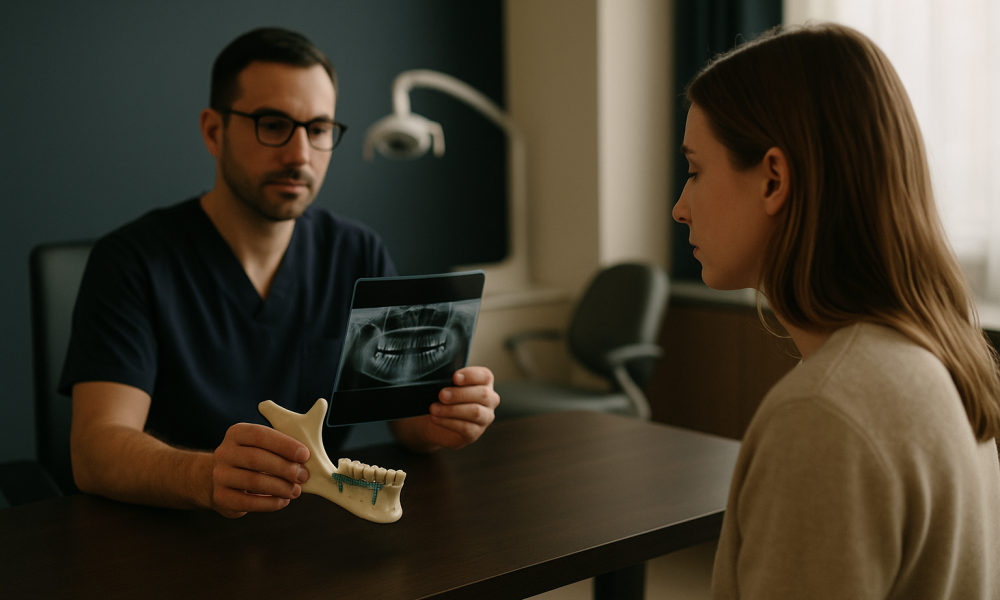
What Dental Bone Grafting is and who it is for
Dental bone grafting is a surgical procedure that aims to restore or augment bone in the jaw where it may have been lost due to periodontal disease, trauma, or tooth loss. This process is crucial for patients who are considering dental implants, as a stable bone structure is necessary to support the implant securely. During the procedure, a dentist or oral surgeon places a bone graft material into the area needing augmentation. This material can be sourced from the patient’s own body (autograft), a donor (allograft), or can be synthetic or animal-derived (xenograft).
The need for a dental bone graft arises when there is insufficient natural bone to support dental implants. This can happen due to various reasons, such as prolonged tooth loss, which can lead to bone resorption. Additionally, conditions like gum disease or trauma can also result in bone loss. The grafting process not only aids in dental implant placement but also helps preserve the facial structure, which can change due to bone loss.
Turkey has become a popular destination for dental treatments, including bone grafting, due to the availability of highly skilled specialists and modern medical facilities. Patients from Australia and other countries are attracted by the cost-effectiveness and the opportunity to combine treatment with leisure travel. The cost of bone grafting in Turkey typically ranges from £400 to £1,200, depending on the complexity of the case and the type of graft used. This is significantly lower than the prices in Australia, where similar procedures can cost upwards of £2,000.
It’s essential to understand that while bone grafting can enhance the success rate of dental implants, it does not guarantee a successful outcome. Complications, though rare, can include infection, graft rejection, or resorption. Post-operative care is crucial, and patients are usually advised to follow a soft diet and maintain oral hygiene to facilitate healing. Recovery times can vary, but most patients can expect to return to normal activities within a few days, with full bone integration taking several months.
Are you a good candidate?
Determining whether you are a suitable candidate for dental bone grafting involves a thorough evaluation by a dental professional. This assessment typically includes a clinical examination, a review of your dental and medical history, and imaging tests such as X-rays or CT scans to evaluate the condition of your jawbone. Here are some criteria that may indicate you are a good candidate for this procedure:
- Insufficient Jawbone: You have been diagnosed with insufficient jawbone density or volume necessary to support a dental implant.
- Overall Health: You are in good overall health and can undergo minor surgical procedures. Certain conditions, such as uncontrolled diabetes or immune disorders, may affect your eligibility.
- Non-Smoker: Smoking can impede healing and increase the risk of complications. Non-smokers or those willing to quit temporarily are preferred candidates.
- Gum Health: Healthy gums are necessary to support the grafting procedure. Any periodontal disease should be treated before considering a bone graft.
- Commitment to Oral Hygiene: A willingness to adhere to rigorous oral hygiene practices post-surgery is essential for recovery and long-term success.
- Realistic Expectations: Understanding the process, including possible risks and the time required for recovery, is crucial for a satisfactory outcome.
- Age Considerations: Generally, candidates should be adults with fully developed jawbones. Younger patients may require special evaluation.
If you meet these criteria, dental bone grafting in Turkey could be a viable option for you. However, it’s essential to consult with a qualified dental professional to discuss your specific needs and potential treatment plan. The consultation will also help determine the type of graft material most suitable for your case and provide a more precise cost estimate.
The procedure, step by step
Dental bone grafting is a surgical procedure designed to restore bone in the jaw where bone loss has occurred. This is often necessary for patients who require dental implants but do not have sufficient bone density to support them. Here is a step-by-step guide to what you can expect during the procedure:
- Initial Consultation: The process begins with a comprehensive consultation with a dental specialist. During this visit, diagnostic imaging such as X-rays or CT scans will be used to assess the current bone structure and plan the grafting procedure.
- Pre-surgical Preparation: Prior to the surgery, the patient may be advised to stop certain medications and to fast for a specific period. The dentist will provide specific instructions to ensure the patient is in optimal health for surgery.
- Anaesthesia Administration: On the day of the procedure, local anaesthesia is typically administered to numb the area. Depending on the complexity of the case or patient preference, sedation may also be offered.
- Incision and Preparation: The dentist makes a small incision in the gum tissue to expose the bone area where the graft is needed. Ensuring the site is clean and free from any infection is crucial at this stage.
- Graft Placement: The bone graft material, which can be autograft (from your own body), allograft (donor bone), or synthetic, is then placed onto the exposed bone. The choice of material depends on individual needs and the dentist’s recommendation.
- Securing the Graft: The graft material is secured in place, often using small screws or pins if necessary, to ensure stability during the healing process.
- Closure: The gum tissue is then carefully sutured over the graft site to protect it. The sutures may be dissolvable or require removal at a follow-up appointment.
- Post-operative Care: After the procedure, patients are given specific aftercare instructions, including pain management, oral hygiene practices, and dietary recommendations to support healing.
- Follow-up Appointments: Regular follow-up visits are scheduled to monitor the healing process, which can take several months, and to plan for subsequent procedures such as dental implant placement.
It is important for patients to discuss any concerns or questions with their dental specialist to ensure they are well-informed and comfortable with each step of the process.
Recovery timeline
Recovery from dental bone grafting varies depending on the extent of the procedure and the individual patient’s health. Below is a typical recovery timeline to help you understand what to expect during the healing process.
| Period | What to Expect | Care Notes |
|---|---|---|
| Day 1 | Initial swelling and discomfort are common. Some bleeding may occur. | Use prescribed pain medication and apply ice packs to reduce swelling. Avoid strenuous activities. |
| Days 2-3 | Swelling may peak, and bruising can appear. Pain should begin to decrease. | Continue with pain management and follow a soft diet. Keep the head elevated when resting. |
| Week 1 | Swelling and bruising start to subside. Stitches may begin to dissolve. | Maintain oral hygiene with gentle rinsing as advised. Attend follow-up appointment if scheduled. |
| Weeks 2-4 | Significant reduction in discomfort and swelling. Initial healing of the incision site. | Regular dental check-ups to monitor progress. Avoid smoking and alcohol to support healing. |
| Months 1-3 | Bone integration begins. Minor sensitivity may persist. | Follow dietary recommendations and avoid putting pressure on the graft area. |
| Full Recovery (4-6 months) | Complete bone integration and healing. The graft is stable and ready for further dental procedures. | Consult with your dentist about readiness for dental implants. Continue regular oral hygiene practices. |
It is essential to follow the care instructions provided by your dental professional closely to ensure a smooth recovery. Every patient heals at their own pace, and attending scheduled follow-ups is crucial for successful integration of the bone graft.
What it costs: Turkey vs Australia
When considering dental bone grafting procedures, one of the critical factors for many patients is the cost involved. Dental treatments abroad often present a cost-effective alternative, and Turkey is no exception. However, it’s important to understand that prices can vary based on several factors, including the complexity of the procedure, the materials used, and the specific clinic. Below is a comparison of indicative price ranges for dental bone grafting in Turkey versus Australia:
| Country | Indicative Price Range (GBP) | What Packages Typically Include |
|---|---|---|
| Turkey | £300 – £800 | Consultation, X-rays, bone grafting procedure, follow-up visits, and local anaesthesia. |
| Australia | £1,200 – £3,000 | Consultation, X-rays, bone grafting procedure, and follow-up visits. |
It is evident from the table that undergoing dental bone grafting in Turkey can be significantly more affordable than in Australia. The reasons for this difference include lower operational costs and competitive pricing strategies aimed at attracting international patients. Additionally, many Turkish clinics offer comprehensive packages that may include accommodation and transportation services, further enhancing the value proposition for international patients.
While the cost savings are substantial, it’s crucial to approach these figures as indicative. Prices can fluctuate based on the specific requirements of your case, the type of bone grafting material used (such as autografts, allografts, or synthetic alternatives), and the clinic’s location and reputation. Patients are encouraged to obtain detailed quotes from several clinics to compare services and inclusions thoroughly.
Moreover, when evaluating costs, consider the potential need for additional procedures, such as dental implants, which may follow bone grafting. These subsequent treatments will add to the overall expense, and clinics in Turkey may offer bundled pricing for multiple procedures, which can further improve cost-effectiveness.
Overall, Turkey presents a compelling option for those seeking affordable dental bone grafting without compromising on quality. As always, it is advisable to conduct comprehensive research and consult with multiple providers to ensure that you are receiving the best possible care for your investment.
Risks and how accredited providers manage them
Like any surgical procedure, dental bone grafting carries certain risks. Understanding these risks and how they are managed by accredited providers in Turkey is essential for making an informed decision about your treatment options.
Common risks associated with dental bone grafting include infection, graft rejection, nerve damage, and prolonged pain or swelling. However, these complications are relatively rare, particularly when the procedure is performed by experienced and accredited professionals. In Turkey, many dental clinics are accredited by international organisations, such as the Joint Commission International (JCI), ensuring that they adhere to global standards of care and patient safety.
Accredited providers manage these risks through a combination of pre-operative assessments, meticulous surgical techniques, and post-operative care. Before the procedure, a comprehensive evaluation is conducted, including detailed medical history and imaging studies like X-rays or CT scans. This assessment helps in planning the surgery accurately and minimising potential complications.
During the procedure, accredited dentists use sterilised equipment and follow stringent infection control protocols. The choice of graft material is also crucial; providers in Turkey often use high-quality materials that are biocompatible and have a lower risk of rejection. Additionally, the use of local anaesthesia or conscious sedation ensures that the patient is comfortable and relaxed during the surgery.
Post-operative care is another critical aspect of risk management. Providers typically offer detailed aftercare instructions, which may include guidelines on oral hygiene, diet, and medications to prevent infection and manage pain. Regular follow-up appointments are scheduled to monitor healing and address any concerns promptly.
Communication is a vital component of risk management. Accredited providers in Turkey often employ multilingual staff to ensure that international patients fully understand the procedure, potential risks, and aftercare requirements. This open line of communication helps in building trust and ensures that patients are well-informed at every stage of their treatment journey.
While no procedure is without risk, choosing a reputable and accredited provider significantly reduces the likelihood of complications. Patients are encouraged to ask questions about the clinic’s accreditation status, the experience of the dental team, and the specific measures taken to manage risks. By doing so, you can be more confident in your decision to undergo dental bone grafting in Turkey.
How to choose the right provider
When considering dental bone grafting in Turkey, selecting the right provider is crucial for ensuring a safe and successful procedure. Accreditation is an important indicator of a clinic’s adherence to international standards. Look for clinics that are accredited by reputable organisations such as the Joint Commission International (JCI) or the Turkish Ministry of Health. These accreditations ensure that the clinic meets stringent safety and hygiene standards.
Another critical factor is the experience and qualifications of the surgeon performing the procedure. Research the surgeon’s background, including their education, training, and years of experience in dental surgery. A well-experienced surgeon is more likely to have encountered a wide range of cases and can offer insights into your specific needs. You may also consider asking for before-and-after photos of previous patients to gauge the surgeon’s expertise.
Aftercare is a vital part of the dental bone grafting process, and the clinic should provide comprehensive post-operative care. This includes follow-up appointments, detailed care instructions, and access to support if complications arise. Ensure that the clinic offers a clear aftercare plan tailored to your needs and has a responsive team that can assist you during your recovery.
Be mindful of red flags that may indicate a less reliable provider. These include a lack of transparency regarding costs, guarantees of specific outcomes, or pressure to make a quick decision. A reputable clinic will provide detailed quotes with indicative costs, typically ranging from £300 to £1,200, depending on the complexity of the procedure. Avoid clinics that offer prices significantly lower than the average, as this may compromise quality and safety.
Finally, consider seeking recommendations from previous patients or reading reviews on independent platforms. Patient testimonials can provide valuable insights into the clinic’s performance and patient satisfaction. By carefully evaluating these factors, you can make an informed decision and choose a provider that aligns with your expectations and safety standards.
Planning your trip
Planning your trip to Turkey for dental bone grafting involves several important considerations to ensure a smooth and successful experience. Begin by consulting with your local dentist in Australia to discuss your treatment plan and obtain any necessary dental records or X-rays. This information will be crucial for your Turkish provider to assess your case accurately. It’s advisable to start planning your trip at least 3-4 months in advance to allow ample time for consultations, travel arrangements, and any pre-operative assessments.
Ensure your passport is valid for at least six months beyond your planned return date. You may also need to apply for a visa, which can often be done online through the Turkish e-Visa system. It’s a straightforward process that typically takes a few minutes to complete.
Regarding the timeline, plan to arrive in Turkey a few days before your procedure to allow time for any pre-surgical consultations and to acclimate to the local environment. The length of stay in Turkey will depend on the complexity of your procedure and your recovery needs. For most patients, a stay of 7 to 10 days is typical, though more complex cases may require a longer period.
After your procedure, it’s important to plan for rest and recovery. Follow your surgeon’s advice regarding dietary restrictions, activity levels, and medication. Monitor for any signs of complications and ensure you attend all scheduled follow-up appointments before returning to Australia.
Finally, consider the arrangements for follow-up care once you are back home. Discuss with your local dentist the possibility of coordinating with your Turkish provider to ensure continuity of care. This may include sharing post-operative reports and arranging regular check-ups to monitor your healing progress. Proper planning and communication between your local and Turkish dental teams can provide peace of mind and enhance the overall success of your treatment.
Frequently Asked Questions
What is the typical cost range for dental bone grafting in Turkey?
The cost of dental bone grafting in Turkey can vary depending on the complexity of the procedure and the materials used. On average, patients can expect to pay between £300 and £1,200. It's important to request a detailed quote from the clinic before proceeding to understand what is included in the cost and to budget accordingly.
How do I verify the accreditation of a dental clinic in Turkey?
To verify a clinic's accreditation, you can check for certifications from recognised bodies such as the Joint Commission International (JCI) or the Turkish Ministry of Health. These organisations set high standards for healthcare facilities, ensuring they follow international safety and quality protocols. You can also ask the clinic directly for proof of their accreditation.
What qualifications should I look for in a dental surgeon for bone grafting?
When choosing a dental surgeon for bone grafting, look for a professional with extensive experience in oral surgery, preferably with specialisation in bone grafting procedures. Verify their educational background, years of practice, and any additional certifications or training. Patient reviews and before-and-after case studies can also provide insights into their expertise.
Is it safe to travel to Turkey for dental bone grafting?
Travelling to Turkey for dental bone grafting can be safe if you choose a reputable clinic with proper accreditation and experienced professionals. Ensure the clinic follows international health and safety standards. Researching the clinic thoroughly and planning your trip carefully will help minimise risks and enhance your safety.
What should I include in my travel checklist for dental treatment in Turkey?
Your travel checklist should include a valid passport, visa (if required), travel insurance, medical records, and any prescribed medications. Additionally, prepare a list of emergency contacts, both local and in Turkey, and arrange for accommodation and transportation. Having all necessary documents and plans in place will help ensure a smooth trip.
How long should I plan to stay in Turkey for the procedure?
The typical stay for dental bone grafting in Turkey is about 7 to 10 days. This duration allows for pre-operative consultations, the procedure itself, and initial recovery. However, more complex cases might require a longer stay. Consult with your chosen clinic to determine the appropriate length of stay based on your specific treatment plan.
What are the potential risks associated with dental bone grafting?
Dental bone grafting, like any surgical procedure, carries some risks, including infection, graft rejection, and swelling. Choosing a qualified and experienced surgeon can help minimise these risks. Ensure you follow all pre- and post-operative care instructions provided by your healthcare provider to promote proper healing and reduce complications.
Are there specific aftercare instructions I should follow post-surgery?
Yes, aftercare is crucial for a successful recovery. Follow your surgeon's instructions, which may include taking prescribed medications, maintaining oral hygiene, and adhering to dietary restrictions. Avoid smoking and strenuous activities during the initial recovery period. Attend all follow-up appointments to monitor healing and address any concerns promptly.
Can I use my Australian health insurance for dental treatment in Turkey?
Most Australian health insurance policies do not cover elective procedures performed overseas. However, you should check with your insurer for specific details. Some travel insurance plans may offer medical coverage, so it's worth exploring these options. Always confirm the extent of coverage before your trip to avoid unexpected expenses.
How do I communicate with the clinic if I don't speak Turkish?
Many dental clinics in Turkey cater to international patients and have staff who speak English. Before booking, confirm that your chosen clinic offers English-speaking services. Additionally, some clinics provide translation services to facilitate communication between patients and healthcare providers, ensuring clear understanding and comfort.
What should I do if I experience complications after returning to Australia?
If you experience complications after returning to Australia, contact your local dentist immediately for assessment and care. It's also advisable to inform your Turkish provider about the issue, as they may offer guidance or coordinate with your local dentist to address the problem. Timely intervention is key to resolving any post-operative concerns.
Are payment plans available for dental procedures in Turkey?
Some clinics in Turkey may offer payment plans or financing options to help manage the cost of dental procedures. It's important to discuss these options directly with the clinic before your procedure. Ensure you understand the terms and conditions of any payment plan, including interest rates and repayment schedules, to make an informed decision.