
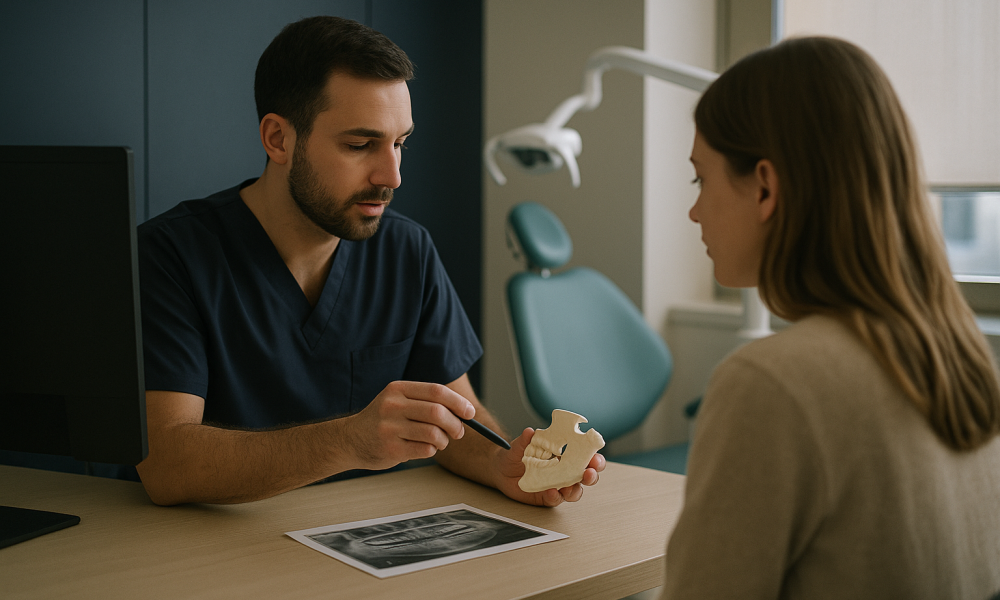
What Dental Bone Grafting is and who it is for
Dental bone grafting is a surgical procedure designed to replace bone loss in the jaw, which is often necessary for supporting dental implants or other restorative dental procedures. This treatment involves the transplantation of bone tissue to areas where the bone has been lost or has deteriorated. The primary aim is to provide a stable foundation for dental implants, which require a certain amount of bone in the jaw to anchor properly.
Bone loss in the jaw can occur for several reasons including periodontal disease, trauma, or prolonged tooth loss. When a tooth is missing, the bone that once supported it begins to resorb or deteriorate over time. This can lead to changes in facial structure, difficulties in speaking or chewing, and complications in placing dental implants.
In terms of materials, dental bone grafts can be sourced from a variety of origins. Autografts involve taking bone from another part of the patient’s body, often the chin or hip. Allografts use donor bone from a human cadaver, while xenografts use bone from animals, typically bovine sources. Synthetic options are also available, using materials like calcium phosphate.
The procedure is typically performed in a dental office or surgical suite, often under local anaesthesia with or without sedation, depending on the complexity and the patient’s comfort level. The procedure can last anywhere from one to two hours. Following the surgery, patients are usually able to return home the same day, as it is commonly an outpatient procedure.
Recovery from dental bone grafting can vary based on the individual’s health, the extent of the graft, and the materials used. Initial healing generally takes a few weeks, but full integration of the graft into the existing bone structure can take anywhere from three to nine months. During this time, patients are advised to follow specific post-operative care instructions to ensure successful healing and integration.
Turkey has become a popular destination for dental treatments due to its combination of high-quality care and more affordable costs. Patients from Canada may find that the prices for dental bone grafting in Turkey are significantly lower than those in their home country, with indicative costs ranging from £300 to £1,500, depending on the complexity of the procedure and the type of graft material used.
Are you a good candidate?
Determining whether you are a suitable candidate for dental bone grafting involves a comprehensive evaluation by a dental professional. This assessment typically includes a clinical examination, dental imaging, and a review of your medical history. The goal is to ensure that the potential benefits of the procedure outweigh any risks and that the graft will successfully integrate with your existing bone structure.
Generally, candidates for dental bone grafting include individuals who:
- Have insufficient jawbone density to support dental implants.
- Have experienced bone loss due to periodontal disease or trauma.
- Are missing one or more teeth and wish to have implants.
- Are in good overall health, without uncontrolled chronic conditions.
- Do not smoke or are willing to stop smoking during the healing process.
- Have realistic expectations about the outcomes of the procedure.
Specific health conditions and lifestyle factors can influence candidacy for dental bone grafting. For example, patients with uncontrolled diabetes, certain autoimmune disorders, or those undergoing chemotherapy may face increased risks or complications. It is crucial to discuss any existing medical conditions with your dentist or oral surgeon during the initial consultation.
Additionally, smokers face a higher risk of graft failure due to the negative impact of nicotine on blood circulation and bone healing. Patients who smoke may be advised to quit smoking several weeks before and after the procedure to improve the chances of a successful outcome.
Aside from health considerations, the quality and quantity of existing jawbone are critical factors. Dental imaging techniques, such as X-rays or CT scans, are used to assess the bone structure and determine the need for grafting. In some cases, alternative treatments such as ridge expansion or sinus lifts may be recommended if traditional bone grafting is not feasible.
In summary, being a good candidate for dental bone grafting requires not only the need for additional bone support but also a commitment to follow post-operative care instructions and maintain oral hygiene. If you are considering this procedure in Turkey, it is advisable to have a thorough discussion with your dental professional to understand the process, potential risks, and expected outcomes to make an informed decision.
The procedure, step by step
Dental bone grafting is a surgical procedure aimed at augmenting bone mass in areas where it has been lost or is insufficient for dental implants. Understanding each step can help set realistic expectations and alleviate concerns.
- Initial Consultation: The process begins with a comprehensive consultation. During this session, your dental specialist will perform a detailed examination, including X-rays or a CT scan, to assess the extent of bone loss and determine the appropriate type of graft. This is crucial to tailor the procedure to your specific needs.
- Pre-operative Preparation: Prior to the surgery, you may be advised to cease certain medications that could affect blood clotting. Additionally, fasting for at least 6-8 hours before the procedure is typically required, especially if sedation will be used.
- Anaesthesia Administration: On the day of the surgery, anaesthesia will be administered. Local anaesthesia is commonly used, though some patients may opt for sedation or general anaesthesia depending on the complexity of the case and personal anxiety levels.
- Incision and Preparation: The dentist will make a small incision in the gum to expose the bone area needing augmentation. This step is performed with precision to minimise tissue trauma and ensure a conducive environment for the graft.
- Graft Placement: The chosen graft material—be it autograft (from your own body), allograft (donor tissue), xenograft (animal source), or synthetic—will be carefully placed in the area. The type of graft material used will depend on various factors, including the extent of augmentation required and the patient’s health status.
- Securing the Graft: Once placed, the graft is secured using special membranes or screws to hold it in position. This is essential to stabilise the graft and allow for proper integration with the existing bone.
- Suturing and Closure: The incision is then closed with sutures. These may be dissolvable or require removal after a specific period, which your dentist will discuss with you.
- Post-operative Instructions: Before you leave, the dental team will provide detailed care instructions to aid in recovery. These include guidelines on oral hygiene, dietary restrictions, and medication to manage pain and prevent infection.
Each step is meticulously planned and executed to ensure the best possible outcome, with patient safety and comfort as top priorities.
Recovery timeline
The recovery process following dental bone grafting is gradual and varies depending on the individual and the complexity of the procedure. Below is a general timeline to guide you through the recovery stages.
| Period | What to expect | Care notes |
|---|---|---|
| Day 1 | Immediately after the procedure, you may experience swelling and mild discomfort. Some bleeding is normal. | Apply ice packs intermittently to reduce swelling. Avoid rinsing your mouth or spitting forcefully. |
| Days 2-3 | Swelling may peak during this period. Pain should remain manageable with prescribed medications. | Continue with ice packs as needed. Take prescribed painkillers and antibiotics as directed. |
| Days 4-7 | Swelling begins to subside. Bruising may appear around the affected area. | Gently rinse your mouth with a saltwater solution to aid healing. Maintain a soft diet. |
| Weeks 2-4 | Noticeable improvement in swelling and discomfort. Sutures, if non-dissolvable, may be removed. | Gradually return to normal oral hygiene practices. Continue to avoid hard or crunchy foods. |
| Months 1-3 | Bone integration begins. The graft starts to fuse with the natural bone. | Attend follow-up appointments to monitor progress. Maintain good oral hygiene. |
| Month 4 onwards | Full recovery is expected around this time. The area should be ready for any further dental procedures, such as implant placement. | Continue regular dental check-ups. Adhere to any remaining dietary or activity restrictions. |
Throughout the recovery period, it is crucial to follow your dentist’s instructions closely. This ensures optimal healing and prepares the site for future dental work, such as implant placement.
What it costs: Turkey vs Canada
Dental bone grafting is an essential procedure for many patients considering dental implants, as it ensures there is sufficient bone density to support the implants. Cost is a significant factor for many patients, and Turkey has emerged as a popular destination for those seeking high-quality yet affordable dental care. Below, we provide a comparison of the indicative price ranges for dental bone grafting in Turkey versus Canada, along with what typical packages might include.
| Country | Indicative Price Range (GBP) | Typical Package Inclusions |
|---|---|---|
| Turkey | £300 – £700 |
|
| Canada | £800 – £1,500 |
|
These figures are indicative and can vary based on the complexity of the procedure, the type of graft material used, and the specific location and reputation of the clinic. In Turkey, the lower overhead costs and competitive pricing structures allow clinics to offer comprehensive packages at a fraction of the cost found in Canada. It is important for patients to verify what is included in the package to avoid unexpected expenses.
Additional costs to consider may include travel and accommodation if you are travelling from Canada to Turkey. Many clinics in Turkey offer assistance in organising travel and lodging, sometimes as part of the treatment package. It is advisable to inquire about these services during initial consultations to better manage your budget.
Risks and how accredited providers manage them
Like any medical procedure, dental bone grafting carries certain risks, and understanding these is crucial for any prospective patient. Common risks associated with dental bone grafting include infection, graft rejection, nerve damage, and prolonged swelling. However, these risks are generally low when the procedure is performed by experienced professionals in accredited clinics.
Accredited dental providers in Turkey adhere to international standards of care and employ several strategies to minimise risks. Here are some of the ways they manage potential complications:
- Thorough Pre-operative Assessment: Before the procedure, a comprehensive assessment is conducted, including X-rays or CT scans, to evaluate bone health and structure, which helps in planning the grafting procedure accurately.
- Use of High-quality Materials: Accredited clinics use high-quality, biocompatible graft materials, which can be synthetic or derived from human or animal sources, reducing the likelihood of rejection.
- Stringent Sterilisation Protocols: To prevent infections, clinics maintain rigorous sterilisation procedures for all surgical instruments and the operating environment.
- Experienced Surgeons: Procedures are performed by qualified oral surgeons with significant experience in dental bone grafting, ensuring precision and reducing the risk of complications.
- Post-operative Care: Patients receive detailed post-operative instructions and follow-up care, which are crucial for a successful recovery. This includes guidance on oral hygiene, diet, and activity restrictions.
- Emergency Protocols: Well-prepared clinics have protocols in place for managing any emergencies or complications that may arise during or after the procedure.
It is essential for patients to communicate openly with their dental care provider about any pre-existing conditions or medications they are taking, as these can impact the healing process. Additionally, choosing a clinic with recognised accreditations from international health organisations can provide additional assurance of safety and quality.
Ultimately, while risks exist, choosing an accredited provider with a strong track record and adhering to their guidelines can significantly enhance the safety and success of dental bone grafting procedures.
How to choose the right provider
Choosing the right provider for dental bone grafting in Turkey is a critical decision that requires careful consideration of several factors. One of the most important aspects to evaluate is the accreditation of the dental clinic. Look for clinics that are accredited by internationally recognised bodies such as the Joint Commission International (JCI) or the International Organization for Standardization (ISO). Such accreditations ensure that the clinic adheres to high standards of quality and safety.
The experience and qualifications of the dental surgeon are equally vital. Verify the surgeon’s credentials, including their education, specialised training in implantology or oral surgery, and years of experience in performing bone grafting procedures. Surgeons who are members of professional organisations, such as the European Association for Osseointegration (EAO), can be a good choice as these memberships often require adherence to rigorous professional standards.
Aftercare is another crucial component to consider. A reputable provider will offer comprehensive aftercare services, including follow-up appointments and emergency contact options. Ensure that the clinic provides detailed aftercare instructions and is available to address any post-procedure concerns you may have. Ideally, they should also collaborate with your local dentist in Canada for seamless follow-up care.
Be vigilant for red flags that may indicate a less reputable provider. These include clinics that offer unusually low prices without clear explanations, lack of transparency regarding the surgeon’s qualifications, or clinics that do not allow direct communication with the surgeon prior to the procedure. Additionally, be cautious of providers that make unrealistic promises or guarantees about the outcomes of the surgery.
Lastly, read patient reviews and testimonials to gain insights into the experiences of others. However, approach these reviews with a critical eye, as some may be fabricated. Cross-check information from various sources, and consider joining online forums or social media groups where you can engage with former patients directly.
Planning your trip
When planning your trip for dental bone grafting in Turkey, it is essential to organise your timeline meticulously to ensure a smooth experience. Start by consulting with your chosen provider at least 3-4 months before your intended travel date. This timeframe allows for comprehensive pre-operative assessments, including dental imaging and health evaluations, which can often be coordinated with your local dentist in Canada.
Gather the necessary documents well in advance. This includes your passport, visa (if required), and any medical records or dental X-rays that may be needed for your assessment. Some clinics may offer assistance with visa applications, so inquire about this when choosing your provider.
Plan for a stay of at least 7-10 days in Turkey, depending on the complexity of your procedure. This duration allows for adequate recovery time and follow-up appointments before you travel back to Canada. It is advisable to book accommodation close to your chosen clinic to minimise travel stress during your recovery period.
Consider the logistics of your follow-up care. Discuss with your provider how they will coordinate with your local dentist for any necessary follow-up appointments or treatments. It’s important to understand the expected timeline for healing and how long it might take before you can proceed with further dental work, such as implant placement.
Ensure that you have comprehensive travel insurance that covers medical procedures abroad, as this can provide peace of mind in case of unexpected complications. Additionally, make arrangements for communication with your provider during your stay, such as having a local SIM card or a reliable internet connection for any virtual consultations.
Finally, prepare for your trip by familiarising yourself with local customs, language basics, and healthcare expectations in Turkey. Understanding these aspects can enhance your comfort level and contribute to a more positive experience overall.
Frequently Asked Questions
What is the typical cost of dental bone grafting in Turkey?
The cost of dental bone grafting in Turkey can vary widely based on the complexity of the procedure and the clinic's location and reputation. Typically, prices range from £300 to £800 per graft. It's important to note that these figures are indicative and that patients should obtain detailed quotes from their chosen providers after an initial consultation.
How can I verify a clinic's accreditation in Turkey?
To verify a clinic's accreditation in Turkey, check for certifications from recognised international bodies such as the Joint Commission International (JCI) or the International Organization for Standardization (ISO). You can often find this information on the clinic's website or by contacting them directly. Additionally, you may verify accreditations through the accrediting bodies' official websites.
Is dental bone grafting in Turkey safe?
Dental bone grafting in Turkey is generally safe when performed by qualified and experienced surgeons at accredited clinics. Choosing a provider with strong credentials and positive patient reviews can enhance safety. However, as with any medical procedure, there are inherent risks. Patients should discuss these risks in detail with their chosen provider before proceeding.
What qualifications should I look for in a dental surgeon?
Look for dental surgeons who have specialised training in implantology or oral surgery, and who are members of professional organisations such as the European Association for Osseointegration (EAO). Verify their education, years of experience, and any additional certifications relevant to bone grafting. Direct communication with the surgeon can also provide insights into their expertise.
How long should I stay in Turkey for the procedure?
For dental bone grafting, plan to stay in Turkey for at least 7-10 days. This timeframe allows for pre-operative consultations, the procedure itself, and post-operative follow-up appointments. The exact duration may vary depending on the complexity of your case and any additional treatments you may require.
What should I do if I experience complications after returning home?
If you experience complications after returning home, contact your Turkish provider immediately for guidance. They may offer remote consultations to assess your condition. Additionally, coordinate with your local dentist in Canada for in-person evaluation and treatment as necessary. Having follow-up care plans in place before your trip can be beneficial.
How do I arrange follow-up care after the procedure?
Arrange follow-up care by coordinating with your Turkish provider and your local dentist in Canada. Ensure that both parties have access to your medical records and treatment plans. Your Turkish clinic may provide a detailed aftercare regimen and collaborate with your local dentist to monitor your recovery and address any issues that arise.
What are the red flags when choosing a clinic in Turkey?
Red flags include clinics with unusually low prices, lack of transparency about the surgeon's qualifications, and those that do not allow pre-procedure communication with the surgeon. Be wary of clinics making unrealistic outcome guarantees. Always verify the clinic's accreditation and read patient reviews from multiple sources to ensure reliability.
Can I travel immediately after the procedure?
It is generally advised not to travel immediately after a dental bone grafting procedure. Allow time for initial recovery and follow-up appointments, typically staying in Turkey for about 7-10 days. This period ensures that any immediate post-operative issues can be addressed by your provider before you return home.
What documents do I need for my trip to Turkey?
For your trip to Turkey, ensure you have a valid passport, visa (if required), and any medical records or dental X-rays needed for your treatment. Confirm with your chosen clinic if they offer assistance with visa applications and any additional documentation they may require before your arrival.
How can I prepare for my trip to Turkey?
Prepare for your trip by scheduling a consultation with your chosen provider 3-4 months in advance. Gather necessary documents like your passport and medical records, and ensure you have travel insurance covering medical procedures. Familiarise yourself with local customs and arrange for communication options, such as a local SIM card, during your stay.
Does travel insurance cover dental procedures abroad?
Travel insurance policies vary, so it's crucial to select one that specifically covers medical procedures abroad, including dental treatments. Review the policy details to understand what is covered and any exclusions. This coverage can be invaluable in case of unforeseen complications or emergencies during your trip.