
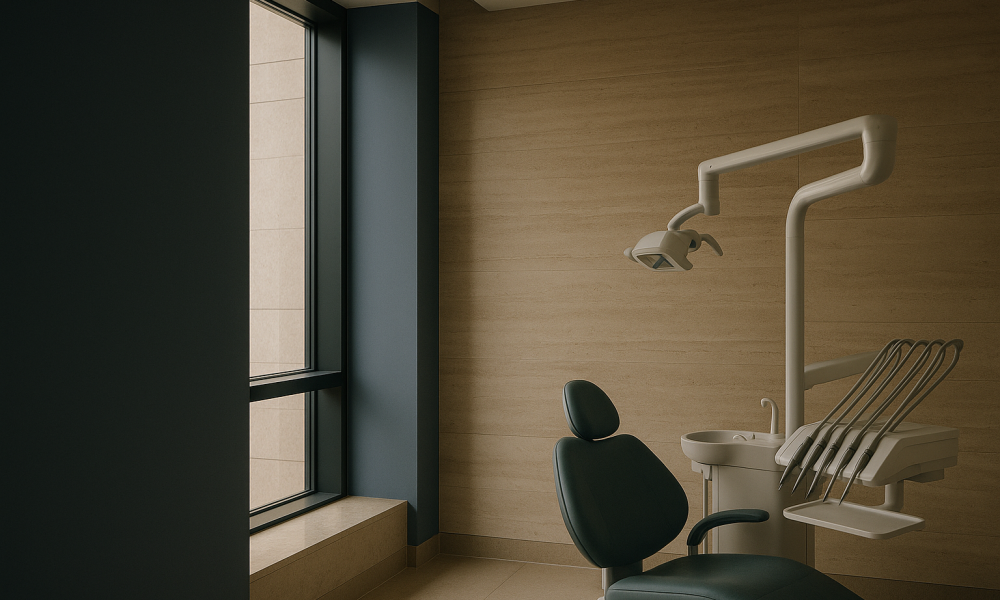
What Sinus Lifting is and who it is for
Sinus lifting, also known as sinus augmentation, is a surgical procedure aimed at increasing the amount of bone in the upper jaw, specifically in the area of the molars and premolars. This is achieved by lifting the sinus membrane and placing a bone graft. The procedure is commonly performed to prepare the jaw for dental implants, particularly when there is insufficient bone height in the upper jaw or the sinuses are too close to the jaw for implants to be placed.
The procedure is typically recommended for patients who have lost bone due to periodontal disease, tooth loss, or natural bone atrophy that occurs with aging. When teeth are lost, the bone that used to support them begins to be resorbed, meaning it gradually diminishes. Over time, this can lead to a situation where there is not enough bone to support a dental implant, necessitating a sinus lift.
Sinus lifting is a well-established procedure with a high success rate when conducted by experienced oral surgeons. The bone used for grafting can be sourced from various places: the patient’s own body (autograft), a donor (allograft), or synthetic materials (alloplast). Each type of graft has its own advantages and potential drawbacks, and the choice often depends on the patient’s specific condition and the surgeon’s preference.
Patients considering sinus lifting in Turkey will find that the country offers high-quality medical care with the added advantage of being a cost-effective option compared to many Western European countries. The procedure is usually performed in a dental clinic or hospital setting, and most patients can return home the same day. The skill and experience of Turkish surgeons, combined with state-of-the-art medical facilities, make Turkey an attractive destination for those seeking dental treatments abroad.
It’s important to note that while sinus lifting is a routine procedure, it requires careful planning and execution. A thorough dental examination, including X-rays or CT scans, is necessary to assess the anatomy of the jaw and sinuses, and to plan for the amount of bone graft needed. This ensures that the procedure is tailored to the individual’s needs, maximising the chances of successful implant placement in the future.
Are you a good candidate?
Determining whether you are a good candidate for sinus lifting involves several considerations. First and foremost, candidates are typically those who require dental implants but lack sufficient bone height in the upper jaw. However, several factors can influence whether a sinus lift is suitable for you.
- Bone Loss: You have significant bone loss in the upper jaw, particularly in the area of the molars and premolars, which prevents the placement of dental implants.
- Sinus Anatomy: Your sinus cavities are large or located close to the jaw, necessitating additional bone to ensure implant stability.
- Overall Health: You are in good general health, as certain medical conditions may affect healing and the success of the bone graft.
- Age: While age itself is not a limiting factor, candidates should have completed their bone growth, which typically means being over the age of 18.
- Dental Health: Good oral hygiene and a commitment to maintaining dental health post-procedure are essential to ensure the longevity of both the graft and future implants.
- Expectations: You have realistic expectations and understand the commitment to follow-up care and the time required for healing, which can take several months.
Before proceeding with a sinus lift, a comprehensive dental examination is essential. This includes detailed imaging, such as X-rays or CT scans, to evaluate the bone structure and sinus anatomy. Your dentist or oral surgeon will consider these images alongside your medical and dental history to determine the best course of action.
It’s also crucial to discuss the types of bone graft materials available and any potential risks or complications, such as infection or sinus membrane perforation. Being well-informed and having a clear understanding of the procedure and recovery process will help you make the best decision for your dental health.
The procedure, step by step
Sinus lifting, also known as sinus augmentation, is a surgical procedure aimed at increasing the amount of bone in the upper jaw, particularly in the area of the molars and premolars, by lifting the sinus membrane and placing a bone graft. This is often necessary when there is not enough bone height in the upper jaw, or the sinuses are too close to the jaw for dental implants to be placed. Here is a step-by-step guide to what the procedure typically involves:
- Initial Consultation and Assessment: The process begins with a thorough consultation where the dental surgeon evaluates your oral health, takes detailed medical and dental history, and conducts imaging studies such as X-rays or 3D CT scans to assess the sinus and jawbone structure. This helps in planning the procedure accurately.
- Pre-Surgical Preparations: Before the surgery, you may be advised to stop certain medications, such as blood thinners, to minimise bleeding risks. You should also arrange for someone to accompany you to the clinic, as the procedure typically involves sedation or anaesthesia.
- Administration of Anaesthesia: On the day of the surgery, you will first receive a local anaesthetic to numb the area, ensuring you are comfortable and pain-free during the procedure. Sedation may also be offered depending on your anxiety levels and the complexity of the surgery.
- Incision and Access: The surgeon will make an incision in the gum tissue to expose the bone. A small window is then created in the bone to access the sinus membrane. This step requires precision to avoid damaging the membrane.
- Lifting the Sinus Membrane: The sinus membrane is carefully detached from the bone and gently lifted upwards, creating a space where the bone graft material will be placed.
- Placement of Bone Graft: The graft material, which can be autogenous (from your own body), allogenic (from a donor), or synthetic, is then placed into the newly created space. The amount of material used will depend on the existing bone structure and the desired height increase.
- Closing the Incision: Once the graft material is in place, the incision is closed with stitches. These may be dissolvable or require removal at a follow-up appointment.
- Post-Operative Care Instructions: After the procedure, you will receive detailed instructions on how to care for the surgical site, including medication for pain management and guidelines on diet and activities to avoid.
Sinus lift surgery can take between 1 to 2 hours, depending on the complexity and the amount of augmentation needed. While the procedure is generally safe, it is crucial to choose a skilled and experienced surgeon to minimise risks and enhance the success rate.
Recovery timeline
Understanding the recovery timeline for sinus lifting is essential for setting realistic expectations and ensuring proper care after the procedure. The recovery process can vary from person to person, but here is a general timeline of what you can expect:
| Period | What to expect | Care notes |
|---|---|---|
| Day 1 | Immediately after the procedure, you may experience some swelling and minor bleeding. Discomfort and a feeling of fullness in the sinus area are common. | Apply ice packs to reduce swelling. Avoid blowing your nose and smoking, as these can dislodge the clot and graft material. |
| Days 2-3 | Swelling may peak, and you might notice bruising around the cheeks. Pain should be manageable with prescribed medication. | Continue using ice packs as needed. Eat soft foods and stay hydrated. Follow your surgeon’s instructions on oral hygiene to prevent infection. |
| Week 1 | Swelling and bruising should begin to subside. Stitches may start to dissolve or will be removed if non-dissolvable. | Attend any scheduled follow-up appointments. Transition to warm saltwater rinses to aid healing. Avoid strenuous activities. |
| Weeks 2-4 | Most of the swelling and bruising should resolve. The graft is integrating with the existing bone. | Maintain good oral hygiene. Avoid hard or crunchy foods that could disturb the graft area. |
| 1-3 months | Bone healing continues as the graft becomes part of your jaw. You may be ready for dental implant placement after this period. | Your surgeon will evaluate the integration of the graft to determine the readiness for further dental procedures. |
| 3-6 months | Full recovery is typically achieved. The bone graft should be fully integrated, and the site is stable for dental implants. | Regular dental check-ups are essential to monitor the health of the graft and surrounding tissues. |
Recovery from a sinus lift requires patience and adherence to post-operative care instructions. Complications are rare, but if you experience persistent pain, excessive bleeding, or signs of infection, contact your healthcare provider immediately. Regular follow-up appointments are crucial for monitoring the healing process and planning subsequent dental work.
What it costs: Turkey vs Europe
When considering sinus lifting procedures, cost is a significant factor for many patients. Prices can vary considerably between countries and even within them, based on factors such as clinic reputation, location, and the experience of the dental surgeon. In Turkey, the cost of a sinus lift is generally more affordable than in many European countries, which is one of the driving factors for medical tourism in this area.
Below is a comparative table of indicative price ranges for sinus lifting in Turkey versus several European countries. These figures reflect typical costs and should be used for guidance only, as actual prices may vary based on individual cases and specific clinic offerings:
| Country | Indicative Price Range (GBP) | What Packages Typically Include |
|---|---|---|
| Turkey | £800 – £1,500 | Initial consultation, imaging, surgery, postoperative care, and airport transfers |
| United Kingdom | £1,800 – £3,000 | Consultation and surgery only |
| Germany | £2,000 – £3,200 | Consultation, surgery, and limited postoperative care |
| France | £2,100 – £3,500 | Consultation and surgery |
| Italy | £1,900 – £3,000 | Consultation, surgery, and limited postoperative care |
It is important to note that the lower cost in Turkey does not necessarily equate to lower quality. Many Turkish clinics are equipped with state-of-the-art technology and staffed by highly trained specialists. Additionally, packages in Turkey often include extras such as transportation and accommodation, making the overall experience more convenient for international patients.
Prospective patients should ensure they fully understand what is included in the price and if there are any additional costs they should be aware of, such as for follow-up visits or additional treatments. Always verify what is covered in the initial quote to avoid unexpected expenses.
Risks and how accredited providers manage them
Like any surgical procedure, a sinus lift carries certain risks. These risks can include infection, sinus membrane perforation, bleeding, and swelling. However, the incidence of complications is relatively low, particularly when the procedure is performed by an experienced and skilled oral surgeon.
Accredited providers in Turkey take several steps to mitigate these risks and ensure patient safety. Here are some of the key measures they implement:
- Preoperative Assessment: Before the procedure, a comprehensive assessment is conducted. This includes a detailed medical history review and imaging tests such as X-rays or CT scans to evaluate the sinus anatomy and bone structure. This ensures that the surgeon is fully prepared for any anatomical variations.
- Use of Advanced Techniques: Many clinics employ the latest minimally invasive techniques which reduce the risk of complications. Techniques such as piezoelectric surgery can minimize trauma to the surrounding tissues and improve healing times.
- Sterile Environment: Accredited clinics adhere to strict sterilization protocols to prevent infections. All instruments and the surgical environment are maintained at high standards of cleanliness.
- Experienced Surgeons: The success of a sinus lift largely depends on the expertise of the surgeon. Accredited clinics in Turkey often have surgeons who have undergone extensive training and have years of experience in performing sinus lifts.
- Postoperative Care: Comprehensive postoperative care plans are provided to monitor recovery and manage any complications early. Patients are typically given antibiotics and anti-inflammatory medications to reduce the risk of infection and swelling.
- Patient Education: Patients are informed about the signs of potential complications and are encouraged to communicate any concerns immediately. This proactive communication helps in addressing issues promptly and effectively.
While no procedure is without risk, the combination of skilled professionals, modern techniques, and thorough patient care protocols significantly reduces the likelihood of complications. It is crucial for patients to choose accredited providers who follow international standards of care and have a track record of successful outcomes. By doing so, they can ensure a safer experience and a higher chance of a successful result.
How to choose the right provider
When considering sinus lifting in Turkey, selecting the right provider is crucial to ensuring a safe and effective procedure. Accreditation is a key factor; look for clinics that are accredited by reputable international bodies such as the Joint Commission International (JCI) or the European Foundation for Quality Management (EFQM). These accreditations indicate that the clinic adheres to stringent quality and safety standards.
The experience of the surgeon is another critical aspect. Ideally, the surgeon should have several years of specialised experience in oral surgery and specifically in sinus lifting procedures. You may want to inquire about the surgeon’s training background, any additional certifications in implant dentistry, and their track record of successful procedures. A surgeon who regularly attends international conferences and workshops may also be more up-to-date with the latest techniques and technologies.
Aftercare is an essential component of the treatment process that should not be overlooked. A reliable provider will offer comprehensive aftercare plans, including follow-up consultations and emergency contact options. Ensure that the clinic provides a clear aftercare protocol, which may include scheduled check-ups, guidelines on medication, and advice on lifestyle adjustments to facilitate healing.
Be aware of red flags when choosing a provider. These can include overly aggressive marketing tactics, unrealistic guarantees of success, or a lack of transparency regarding costs and treatment plans. It is advisable to avoid clinics that do not offer a preliminary consultation or refuse to provide detailed information about the procedure and associated risks.
Furthermore, consider seeking reviews and testimonials from previous patients. While these should not be the sole basis for your decision, they can provide valuable insights into the experiences of others. Look for consistent patterns in reviews, such as mentions of professional staff, cleanliness, and successful outcomes, to help guide your choice.
Planning your trip
Planning your trip for a sinus lifting procedure in Turkey involves several key steps to ensure a smooth and stress-free experience. Start by creating a timeline that includes all necessary preparations before travel. Typically, it is advisable to begin planning at least two to three months in advance. This allows ample time to research and select a provider, arrange consultations, and address any medical prerequisites.
Ensure that you have all the necessary documents ready before your trip. This generally includes a valid passport with at least six months’ validity, a visa if required, and any medical records that your chosen clinic might request. It is also wise to have travel insurance that covers medical procedures abroad, providing an additional layer of security.
The typical length of stay in Turkey for a sinus lifting procedure can vary depending on individual circumstances. Patients are usually advised to stay for at least seven to ten days. This timeframe allows for the procedure, initial recovery, and a follow-up check-up before returning home. Some patients may need to extend their stay based on the surgeon’s recommendations and their personal recovery progress.
Follow-up care at home is another important consideration. Before you travel, discuss with your chosen provider how follow-up will be managed once you return to your home country. This might include virtual consultations, referrals to local specialists, or detailed instructions for your local dentist or oral surgeon.
Finally, consider the practical aspects of your stay in Turkey. Research accommodation options near your clinic, taking into account proximity, comfort, and cost. Budget for daily expenses such as meals and transportation, and familiarize yourself with local customs and language basics to ease communication during your stay. By preparing thoroughly, you can focus on your recovery and enjoy your time in Turkey with peace of mind.
Frequently Asked Questions
What is the typical cost range for sinus lifting in Turkey?
The cost of sinus lifting in Turkey can vary significantly based on the complexity of the procedure and the clinic's location and reputation. Typically, prices range from £1,000 to £3,000 per sinus. It's important to verify what is included in the cost, such as consultations, surgery, and aftercare, to avoid unexpected expenses.
Is sinus lifting in Turkey safe?
Sinus lifting in Turkey is generally considered safe, especially when performed by experienced and accredited surgeons. Clinics that are accredited by reputable bodies adhere to international safety standards. However, as with any medical procedure, there are risks, and it's crucial to thoroughly research your provider and discuss all potential risks and complications with them before proceeding.
How long does the sinus lifting procedure take?
The sinus lift procedure itself typically takes about one to two hours to complete. However, this can vary based on the complexity of the case and the patient's individual needs. Patients should also plan for additional time for pre-operative assessments and post-operative recovery and observation at the clinic.
What should I expect during recovery after sinus lifting?
Recovery from a sinus lift can take several weeks. Patients may experience swelling, minor bleeding, and discomfort, which can be managed with prescribed medications. It's important to follow the surgeon's aftercare instructions closely, including dietary guidelines and activity restrictions, to ensure proper healing and reduce the risk of complications.
Can I combine sinus lifting with other dental procedures?
Yes, sinus lifting is often performed in conjunction with dental implants. However, not all procedures can be combined, and the decision depends on individual patient factors and the surgeon's assessment. Discuss your treatment goals with your surgeon to determine the best approach for your situation.
Are there any risks or complications associated with sinus lifting?
As with any surgical procedure, sinus lifting carries some risks, including infection, sinus membrane perforation, and graft rejection. However, these are relatively rare when the procedure is performed by an experienced surgeon. It's important to discuss all potential risks with your provider to make an informed decision.
How soon after sinus lifting can I travel back home?
Patients are generally advised to stay in Turkey for at least seven to ten days following the procedure. This allows time for initial recovery and a follow-up appointment to ensure there are no immediate complications. Your surgeon will provide specific recommendations based on your individual recovery progress.
What documents do I need to bring for my sinus lifting procedure?
You will need a valid passport, any required visas, and medical records, including dental X-rays or scans if available. Additionally, bring any documentation related to your medical history or current medications, as well as travel insurance details if applicable. Confirm with your clinic if they require any other specific documents.
How do I handle follow-up care once I'm back home?
Before leaving Turkey, discuss follow-up care with your surgeon. This might involve virtual consultations or coordination with your local dentist or oral surgeon for continued care. Your Turkish provider should supply detailed instructions and any necessary referrals to ensure your recovery continues smoothly.
What should I look for in patient reviews of clinics in Turkey?
When reviewing patient testimonials, look for consistent feedback on the clinic's professionalism, cleanliness, and the staff's communication skills. Positive reviews often mention successful outcomes and satisfactory aftercare. Be cautious of reviews that seem overly positive without detail or those with complaints about transparency or unexpected costs.
How can I verify a clinic's accreditation in Turkey?
You can verify a clinic's accreditation by checking their website for accreditation logos from reputable organisations like JCI or EFQM. Additionally, you can contact these organisations directly to confirm the clinic's status. Accredited clinics often openly display their certifications and are transparent about their quality standards.
What is the typical recovery period after a sinus lifting procedure?
The initial recovery period for a sinus lift is typically one to two weeks, during which swelling and discomfort should subside. However, complete healing of the surgical site can take several months. It's crucial to follow post-operative care instructions to support healing and discuss any concerns with your surgeon promptly.