
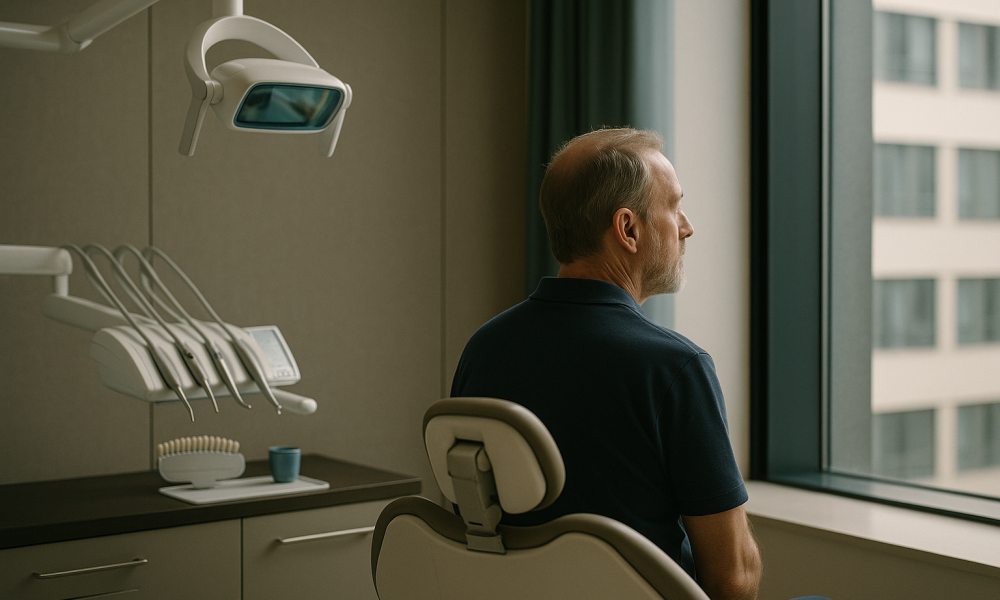
What Dental Veneers is and who it is for
Dental veneers are thin, custom-made shells designed to cover the front surface of teeth to improve their appearance. Often crafted from porcelain or resin composite materials, veneers are bonded to the teeth to change their colour, shape, size, or length. This cosmetic dentistry option is particularly appealing to those seeking to address issues such as discoloured, worn down, chipped, or misaligned teeth.
In Turkey, the dental veneer procedure is widely available and has gained international recognition for its affordability and quality. The country’s dental clinics often employ state-of-the-art technology and highly trained dental professionals, making it a popular destination for dental tourism. Turkey’s strategic location between Europe and Asia also offers convenient travel options for international patients, particularly those from the UK, Europe, and North America.
The process of getting dental veneers typically involves several stages. Initially, a consultation with a dentist is necessary to determine suitability and discuss the desired outcome. The dentist will then prepare the teeth by removing a small amount of enamel from the tooth surface, which is roughly equivalent to the thickness of the veneer to be added. Following this, an impression of the teeth is made to create a model, which is sent to a dental laboratory where the veneers are custom-made. This can take anywhere from one to two weeks.
Once the veneers are ready, a fitting appointment is scheduled. The dentist will temporarily place the veneers on the teeth to examine fit and colour, making any necessary adjustments. The teeth are then cleaned, polished, and etched to allow for a strong bonding process. A special cement is applied to the veneer, which is then placed on the tooth. Once properly positioned, a light beam is applied to harden the cement quickly.
Dental veneers are suitable for individuals looking to enhance their smile aesthetically and are often chosen by those who have not achieved desired results with other dental treatments such as whitening. They are a durable option, with porcelain veneers typically lasting between 10 to 15 years, while composite veneers may last 5 to 7 years, depending on care and oral hygiene.
Are you a good candidate?
Determining whether you are a good candidate for dental veneers involves an evaluation of various factors. Generally, the ideal candidate should have healthy teeth and gums, as veneers require a stable foundation for long-term success. Patients should also have realistic expectations about the outcomes, understanding that veneers can improve the appearance of teeth but are not a cure-all for complex dental issues.
- Healthy Oral Environment: Candidates should not have active gum disease or significant tooth decay, as these conditions must be treated prior to veneer placement.
- Adequate Enamel: Sufficient tooth enamel is necessary because a small amount of it is removed during the preparation stage. This ensures the veneer can adhere properly.
- Non-Habitual Teeth Grinders: Those who grind or clench their teeth may not be ideal candidates, as these habits can damage veneers. Solutions such as wearing a night guard can be discussed with your dentist.
- Cosmetic Goals: If you are seeking to address discolouration, minor alignment issues, or to change the shape of your teeth, veneers can be an effective solution.
- Commitment to Oral Hygiene: Good candidates must commit to maintaining excellent oral hygiene practices, including regular dental check-ups and cleanings.
It is also important to consider the financial aspect. While veneers in Turkey are more affordable compared to many Western countries, they still represent a significant investment. The cost per tooth can range from £150 to £400, depending on the material and complexity of the case. Therefore, potential candidates should evaluate their budget and explore payment options or packages offered by clinics.
Lastly, communication with your dental professional is key. A comprehensive consultation will allow you to express your goals, ask questions, and understand the procedure, including the limitations and potential risks involved. This step is crucial in ensuring that you are a well-informed candidate who is prepared for the journey to a rejuvenated smile.
The procedure, step by step
Undergoing dental veneer treatment in Turkey involves a series of carefully orchestrated steps to ensure a successful outcome. Here’s a detailed overview of what you can expect during the procedure:
- Initial Consultation: The process begins with an initial consultation, either virtually or in person, where you discuss your aesthetic goals and dental history with a dental professional. This stage often includes a preliminary examination and discussion of potential veneer materials, such as porcelain or composite resin.
- Diagnostic Imaging and Treatment Planning: The dentist will take X-rays or digital scans of your teeth to evaluate their condition and structure. This imaging helps in creating a detailed treatment plan tailored to your needs. Impressions of your teeth may also be taken to create a customised model.
- Tooth Preparation: In the next step, the dentist will prepare your teeth for veneers by removing a thin layer of enamel, typically around 0.3 to 0.5 millimetres. This is necessary to ensure the veneers fit seamlessly and look natural. Local anaesthesia may be used to minimise any discomfort during this process.
- Temporary Veneers: If your veneers are being crafted in a laboratory, temporary veneers may be placed to protect your teeth and maintain aesthetics. These are generally worn for a short period, usually one to two weeks, until your permanent veneers are ready.
- Veneer Fabrication: The design of your permanent veneers is sent to a dental laboratory. This phase can take anywhere from a few days to two weeks, depending on the complexity and the type of veneers chosen.
- Veneer Placement: Once your custom-made veneers are ready, you will return to the clinic for placement. The dentist will carefully check the fit and colour of the veneers, making any necessary adjustments before permanently bonding them to your teeth using a special adhesive and curing light.
- Final Adjustments and Polishing: After the veneers are bonded, the dentist will make final adjustments to ensure a perfect fit and natural appearance. The veneers are then polished to match the sheen of natural teeth.
- Follow-Up Appointment: A follow-up visit is often scheduled within a few weeks to assess the placement of the veneers and ensure that your gums are responding well. This is an opportunity to address any concerns or adjustments needed.
Each step is essential to achieving the desired outcome, with patient comfort and safety being a priority throughout the procedure.
Recovery timeline
Understanding the recovery timeline after receiving dental veneers can help manage expectations and ensure a smooth healing process. Below is a table that provides a detailed look at what to expect from day one to full recovery:
| Period | What to Expect | Care Notes |
|---|---|---|
| Day 1 | Immediately after the procedure, you may experience some numbness due to anaesthesia. Mild sensitivity to hot and cold temperatures is common. | Avoid eating until the numbness subsides. Opt for soft foods and avoid very hot or cold drinks. |
| Days 2-3 | Sensitivity may persist, and your gums might feel slightly tender. Adjusting to the new bite may take a little time. | Continue with soft foods. Use a soft-bristled toothbrush and non-abrasive toothpaste. Rinse with a saltwater solution to soothe gums. |
| Week 1 | Any initial discomfort should diminish. You may start to feel more accustomed to the veneers. | Maintain good oral hygiene practices. Avoid hard foods that could damage the veneers. |
| Weeks 2-3 | By this time, sensitivity should significantly decrease. The veneers should feel like a natural part of your mouth. | Attend any scheduled follow-up appointments to ensure proper fit and function. |
| 1 Month | Full recovery is typically achieved within this period. Veneers should feel completely integrated. | Continue regular dental check-ups every six months to maintain oral health and veneer integrity. |
Each patient’s recovery experience may vary slightly, but adhering to these guidelines can help ensure a smooth transition to enjoying your new smile.
What it costs: Turkey vs the UK, Europe and North America
Understanding the cost of dental veneers is a crucial part of planning for treatment abroad. In Turkey, the cost of dental veneers is typically significantly lower than in the UK, Europe, and North America. However, it’s essential to consider what these costs include to make an informed decision.
The cost of dental veneers in Turkey generally ranges from £150 to £350 per veneer. This price often includes consultation fees, the veneers themselves, and sometimes additional services such as airport transfers and accommodation packages. In contrast, the cost in the UK can range from £400 to £1,000 per veneer, while in Europe, prices vary from €500 to €1,200. In North America, particularly in the United States, the cost can be between $900 and $2,500 per veneer.
The following table provides a comparison of indicative price ranges for dental veneers:
| Region | Indicative Cost Per Veneer | Typical Inclusions |
|---|---|---|
| Turkey | £150 – £350 | Consultation, veneers, airport transfers, sometimes accommodation |
| UK | £400 – £1,000 | Consultation, veneers |
| Europe | €500 – €1,200 | Consultation, veneers |
| North America | $900 – $2,500 | Consultation, veneers |
It is important to note that these figures are indicative and can vary based on factors such as the complexity of the procedure, the materials used for the veneers, and the reputation and location of the clinic. Some Turkish clinics offer comprehensive packages that not only cover the dental procedure itself but also include travel and accommodation, providing a seamless experience for international patients.
When considering the cost, prospective patients should also account for travel expenses, including flights and any additional accommodation required beyond what might be included in a package. However, even with these additional costs, many find the total expenditure in Turkey to be more economical compared to domestic options.
Ultimately, the decision to travel for dental veneers should weigh the cost savings against personal convenience and comfort, the quality of care, and the credentials of the provider. Always ensure that the chosen clinic offers a transparent breakdown of costs and inclusions before committing to treatment.
Risks and how accredited providers manage them
Like any medical procedure, dental veneers carry certain risks, which can include tooth sensitivity, veneer dislodgement, and potential damage to the natural tooth structure. However, these risks are generally low and can be effectively managed by choosing a reputable and accredited provider.
Accredited dental clinics in Turkey adhere to international standards of care, ensuring that procedures are conducted safely and effectively. These clinics often employ highly trained dental professionals who are experienced in cosmetic dentistry and the application of veneers. They utilise state-of-the-art technology and materials that meet or exceed global quality benchmarks, reducing the likelihood of complications.
One of the primary risks associated with dental veneers is tooth sensitivity, which can occur when enamel is removed to accommodate the veneer. Accredited providers mitigate this risk by using advanced techniques that minimise enamel removal and selecting high-quality materials that offer a natural fit, reducing post-procedure sensitivity.
Veneer dislodgement is another potential risk. To prevent this, experienced dentists in accredited clinics ensure that veneers are securely bonded using proven adhesive techniques. They also provide detailed aftercare instructions to patients, emphasising the importance of regular dental check-ups and proper oral hygiene to maintain the integrity of the veneers.
Damage to natural tooth structure is a concern if veneers are not properly fitted. Accredited providers in Turkey ensure precise measurements and custom fittings, which help preserve the natural teeth and ensure a comfortable, lasting fit. Additionally, they conduct thorough pre-treatment assessments, including X-rays and digital imaging, to tailor the procedure to each patient’s specific dental structure.
Accredited clinics also manage risks through comprehensive post-procedure support. Patients are typically provided with detailed care plans and follow-up appointments to monitor the condition of the veneers and address any concerns promptly. This ongoing support is crucial in maintaining the health of both the veneers and natural teeth.
While the risks associated with dental veneers are minimal when performed by skilled professionals, prospective patients are encouraged to discuss these potential issues with their chosen provider. Ensuring that the clinic is accredited and that the dental professionals are certified and experienced is key to a successful outcome. Additionally, patients should feel comfortable asking questions and expressing any concerns they may have, as clear communication is a critical component of effective risk management in dental care.
How to choose the right provider
Choosing the right provider for dental veneers in Turkey is crucial for ensuring a successful outcome. One of the primary considerations should be accreditation. Look for clinics accredited by international bodies such as the Joint Commission International (JCI) or the International Organization for Standardization (ISO). These accreditations indicate compliance with international healthcare standards, ensuring a baseline of safety and quality.
The experience of the dental surgeon is another critical factor. You should inquire about the dentist’s qualifications, years of experience, and specific expertise in cosmetic dentistry. A reputable clinic will provide information about the dentist’s education, training, and any special certifications in prosthodontics or cosmetic dentistry.
Aftercare is a vital component of the treatment process. A comprehensive aftercare plan should include detailed instructions on oral hygiene, dietary recommendations, and follow-up appointments. Some clinics offer remote consultations post-treatment to address any concerns that may arise once you return home.
Be vigilant for red flags during your research. A lack of transparency about costs, qualifications, or patient testimonials should be considered a warning sign. Be wary of clinics that promise unrealistic results or offer prices significantly lower than the typical range of £2,000 to £5,000 for a full set of veneers, as this might indicate compromised quality.
Patient reviews and testimonials can provide valuable insight into the clinic’s reputation and patient satisfaction. Look for reviews on independent platforms rather than solely on the clinic’s website to get an unbiased perspective. Additionally, contacting former patients can give you firsthand information about the clinic’s service and results.
Planning your trip
Planning your dental treatment trip to Turkey involves several steps to ensure a smooth and stress-free experience. Begin by establishing a timeline for your travel. It’s advisable to contact your chosen clinic at least 2-3 months before your intended travel date. This allows ample time for consultations, scheduling, and any preliminary tests required.
Ensure you have all necessary documents in order. This includes a valid passport, which should be valid for at least six months beyond your travel dates. Some patients may require a visa, depending on their nationality, so check the Turkish visa requirements well in advance.
The typical length of stay for dental veneer treatment ranges from 5 to 10 days. This duration allows for initial consultations, the actual procedure, and a follow-up appointment to ensure the veneers are correctly fitted and that there are no immediate issues. Discuss the timeline with your provider to accommodate any adjustments that might be needed.
Consider the logistics of your stay, including accommodation and transportation. Many clinics offer packages that include hotel stays and airport transfers, which can simplify your travel arrangements. Alternatively, you can independently book a hotel near the clinic for convenience.
After returning home, follow-up care is crucial. Your dentist should provide a detailed care plan and be available for any remote consultations if necessary. Establish a plan with your local dentist for regular check-ups to maintain your veneers and overall dental health.
Budgeting for your trip is essential. Besides the cost of the veneers, which typically ranges from £2,000 to £5,000, factor in expenses for travel, accommodation, and any additional treatments or services you might require.
Frequently Asked Questions
What are dental veneers?
Dental veneers are thin shells made of porcelain or composite resin that are custom-fitted to the front surface of teeth. They are used to improve the appearance of teeth by covering imperfections such as chips, cracks, discolouration, or gaps. Veneers are a popular cosmetic dentistry option due to their natural appearance and durability.
How much do dental veneers cost in Turkey?
The cost of dental veneers in Turkey varies depending on several factors, including the material used and the clinic's location. On average, the cost ranges from £2,000 to £5,000 for a full set. This is generally more affordable than in the UK, Europe, or North America, where prices can be significantly higher.
Are dental veneers in Turkey safe?
Yes, dental veneers in Turkey are generally safe when performed at accredited clinics with experienced dentists. It's crucial to choose a clinic with international accreditation and positive patient reviews. Ensure the dentist is qualified and experienced in cosmetic dentistry to reduce risks and ensure a successful outcome.
How long do dental veneers last?
Dental veneers typically last between 10 to 15 years, depending on the material used and how well they are maintained. Porcelain veneers are more durable and resistant to staining compared to composite veneers. Proper oral hygiene and regular dental check-ups are essential to prolong their lifespan.
What is the procedure for getting dental veneers?
The procedure typically involves an initial consultation, where impressions of your teeth are taken. During the next visit, a small amount of enamel is removed from the tooth surface to accommodate the veneer. The custom veneers are then bonded to the teeth using a special adhesive. A follow-up visit ensures proper fit and comfort.
How should I prepare for my trip to Turkey for veneers?
Preparation involves researching and choosing a reputable clinic, arranging travel documents like a passport and visa, and scheduling appointments. It's advisable to book accommodation close to the clinic and plan for a stay of 5 to 10 days to allow for the procedure and follow-up appointments.
Will I need follow-up care after getting veneers in Turkey?
Yes, follow-up care is essential to ensure the veneers are properly fitted and to address any immediate concerns. Most clinics provide a follow-up appointment before you return home. Additionally, maintain regular dental check-ups with your local dentist to ensure the longevity of your veneers.
Can I eat normally with dental veneers?
Yes, you can eat most foods with dental veneers. However, it's advisable to avoid very hard or sticky foods that could damage the veneers. Maintaining good oral hygiene and being mindful of your diet can help extend the life of your veneers and keep them looking their best.
What are the risks associated with dental veneers?
Risks include tooth sensitivity, veneer cracking, or detachment, and in rare cases, damage to the underlying tooth structure. Choosing an experienced dentist and following aftercare instructions can minimise these risks. Regular dental visits are important to monitor the condition of the veneers.
How soon can I return to work after getting veneers?
Most patients can return to work a day after the procedure, as it typically involves minimal downtime. However, it is advisable to schedule a follow-up appointment to ensure the veneers are correctly fitted and to address any discomfort before resuming full activities.
What should I do if I experience discomfort after getting veneers?
If you experience discomfort after getting veneers, contact your dentist immediately. They may need to adjust the veneers or address any other issues. Most clinics offer remote consultations to address concerns after returning home. Regular follow-ups with your local dentist are also recommended.
Can I whiten my dental veneers?
Dental veneers cannot be whitened with traditional teeth whitening treatments. If you wish to maintain a bright smile, consider whitening your natural teeth before getting veneers to match their colour. Regular cleaning and avoiding stain-causing foods can help keep your veneers looking fresh.