
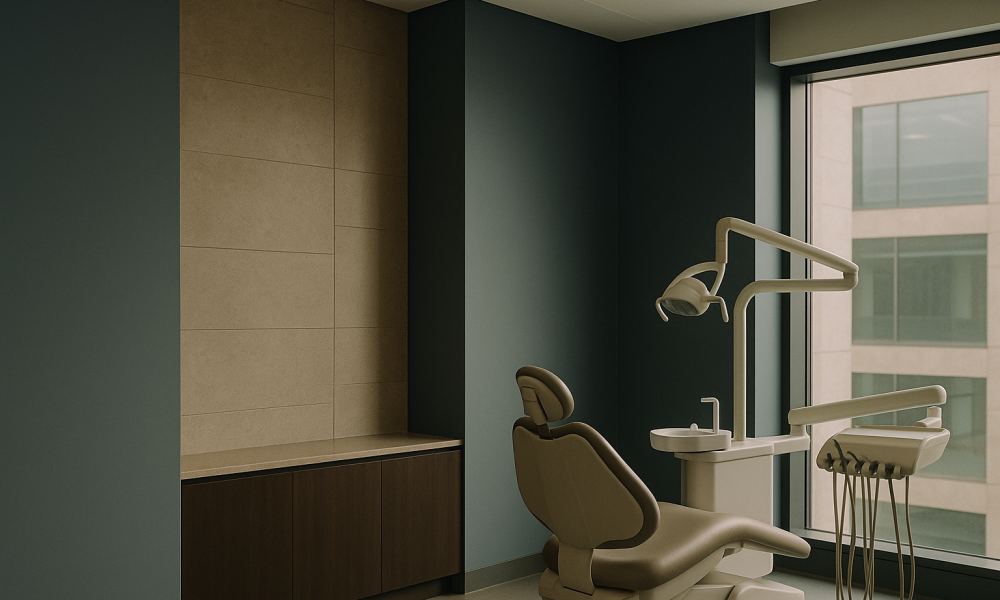
What Laminate Veneers is and who it is for
Laminate veneers are a popular cosmetic dental solution aimed at enhancing the aesthetic appearance of teeth. These thin shells, typically made from porcelain or composite resin, are custom-designed to fit over the front surface of a tooth. The primary goal of laminate veneers is to improve the visual appeal of teeth by altering their colour, shape, size, or length. This procedure is minimally invasive, requiring only a small amount of tooth enamel to be removed to accommodate the veneer, preserving more of the natural tooth structure compared to other restorative options.
Laminate veneers are particularly suitable for individuals who are looking to address a range of dental aesthetic issues. These include teeth that are discoloured due to root canal treatment, stains from tetracycline or other drugs, excessive fluoride, or the presence of large resin fillings that have discoloured the tooth. Additionally, they can be used to rectify teeth that are worn down, chipped, or broken, as well as those that are misaligned, uneven, or irregularly shaped. They are also an option for closing spaces between teeth.
In Turkey, laminate veneers are a sought-after treatment for international patients due to the country’s reputation for high-quality dental care and cost-effective pricing. Typically, the procedure can be completed in just two visits to the dentist over a period of a week. The first visit involves consultation, examination, and preparation of the teeth, followed by taking impressions that are sent to a lab where the veneers are custom-made. The second visit involves the fitting and bonding of the veneers to the teeth. This efficient process makes it an attractive option for those travelling from abroad, as it requires minimal time away from home.
The cost of laminate veneers in Turkey is considerably lower than in many European countries, with prices ranging from €200 to €400 per tooth. This affordability, combined with the expertise of Turkish dental professionals and state-of-the-art facilities, positions Turkey as a leading destination for dental tourism.
Are you a good candidate?
Determining whether you are a suitable candidate for laminate veneers involves evaluating several factors. The ideal candidate should have healthy gums and sufficient tooth enamel, as the procedure requires some enamel removal. Additionally, it is crucial to have realistic expectations about the outcome, understanding that while veneers can enhance the appearance of teeth, they do not alter the function.
Here is a checklist to help you determine if laminate veneers are appropriate for you:
- Good Oral Health: Candidates should have healthy gums and no significant oral health issues such as gum disease or decay. Any such conditions must be treated before veneers are considered.
- Adequate Enamel: There must be enough enamel on the tooth for the veneer to adhere properly. This is crucial for the longevity and effectiveness of the veneer.
- Non-smoker: Smoking can affect the durability and colour of the veneers, so non-smokers are generally better candidates.
- Realistic Expectations: Understanding the limitations and capabilities of veneers is important. They can improve appearance but are not a cure-all for dental issues.
- Commitment to Oral Hygiene: Maintaining good oral hygiene practices, including regular brushing, flossing, and dental check-ups, is essential for the success of veneers.
- No Teeth Grinding or Clenching: Those who grind or clench their teeth are at risk of damaging veneers, so protective measures like night guards may be necessary.
If you meet these criteria, laminate veneers could be a viable option for enhancing your smile. However, a detailed consultation with a qualified dental professional is essential to assess your specific needs and tailor the treatment plan accordingly.
The procedure, step by step
Undergoing laminate veneers in Turkey involves a series of carefully planned steps designed to ensure optimal results while maintaining patient comfort and safety. Here is a detailed outline of the procedure:
- Initial Consultation: The journey begins with an initial consultation, often conducted online for international patients. During this session, a dentist evaluates your dental health, discusses your aesthetic goals, and determines if you are a suitable candidate for laminate veneers. You will also discuss any medical conditions or allergies you might have.
- Pre-treatment Assessment: Once in Turkey, a comprehensive dental examination is performed. This includes taking X-rays and possibly 3D scans to assess the structure of your teeth and jaw. This data helps in creating a precise treatment plan tailored to your specific needs.
- Tooth Preparation: The next step involves preparing your teeth for veneer placement. This requires the removal of a very thin layer of enamel, typically about 0.3 to 0.5 millimetres, to ensure the veneers fit seamlessly. Local anaesthesia may be used to minimise discomfort.
- Impression Taking: After tooth preparation, dental impressions are taken. These impressions are used to create custom-fit veneers that match the shape and contour of your natural teeth. While your permanent veneers are being fabricated, temporary veneers may be placed to protect your teeth.
- Veneer Fabrication: The creation of the veneers is a meticulous process that can take one to two weeks. They are crafted in a dental laboratory using high-quality porcelain or composite resin, chosen based on your dentist’s recommendation and your preferences.
- Veneer Placement: Once your veneers are ready, you will return to the clinic for placement. The dentist will first assess the fit and colour, making minor adjustments if necessary. Your teeth are then cleaned, polished, and etched to create a suitable surface for bonding.
- Bonding Process: A special dental cement is applied to the veneer, which is then placed onto your tooth. Once properly positioned, a curing light is used to activate the cement, securing the veneer firmly in place. Excess cement is removed, and final adjustments are made for comfort and bite alignment.
- Final Check and Follow-up: The dentist will conduct a thorough evaluation to ensure the veneers are properly fitted and meet your aesthetic expectations. You will receive aftercare instructions and schedule follow-up appointments to monitor your progress and address any concerns.
Recovery timeline
The recovery period after getting laminate veneers typically progresses smoothly, with most patients experiencing minimal discomfort. Here is a detailed timeline of what to expect and how to care for your veneers from day one to full recovery:
| Period | What to Expect | Care Notes |
|---|---|---|
| Day 1 | Post-procedure, you may experience mild discomfort and sensitivity, especially to hot and cold temperatures. This is normal as the anaesthesia wears off. | Avoid very hot or cold foods and drinks. Use over-the-counter pain relief if necessary, and follow any specific instructions from your dentist. |
| Days 2-3 | Sensitivity should begin to subside. You might notice slight gum tenderness around the treated areas. | Continue with a soft diet and maintain good oral hygiene, using a soft-bristled toothbrush to gently clean your teeth and gums. |
| Week 1 | By the end of the first week, most sensitivity should have resolved. Your bite may feel slightly different as you adjust to the veneers. | Attend any scheduled follow-up appointments. Report any persistent discomfort or fit issues to your dentist. |
| Weeks 2-3 | Full adjustment to the veneers typically occurs within this period. Any initial discomfort should be resolved. | Resume normal eating habits but avoid using your teeth to open packages or chew extremely hard foods that might damage the veneers. |
| Full Recovery (1 Month) | By this time, your veneers should feel completely natural. Your gums and teeth should have fully adapted to them. | Continue regular dental check-ups every six months to ensure the longevity of the veneers and overall oral health. |
By following these guidelines and maintaining consistent oral hygiene, you can enjoy the aesthetic and functional benefits of your laminate veneers for many years.
What it costs: Turkey vs Europe
One of the primary considerations for patients considering laminate veneers in Turkey is the cost, which is often significantly lower than in many European countries. However, it’s crucial to understand that dental treatment costs can vary based on a variety of factors, including the clinic’s location, the dentist’s expertise, and the quality of materials used. Below is a comparison of indicative price ranges for laminate veneers in Turkey versus Europe.
| Country | Indicative Price Range (per veneer) | Typical Package Inclusions |
|---|---|---|
| Turkey | €250 – €400 | Consultation, X-rays, digital smile design, temporary veneers, aftercare instructions |
| Germany | €700 – €1,200 | Consultation, X-rays, temporary veneers |
| United Kingdom | €800 – €1,500 | Consultation, X-rays |
| Spain | €500 – €900 | Consultation, X-rays, temporary veneers |
As the table illustrates, the cost of laminate veneers in Turkey can be significantly lower than in other European countries. In addition to the lower per-veneer cost, packages in Turkey often include a comprehensive set of services that might be charged separately elsewhere, such as digital smile design and extended aftercare instructions. This can make Turkey an attractive option for those seeking quality dental care at a more affordable price point.
It is important to note that the figures provided are indicative and actual costs can vary. Prospective patients should obtain detailed quotes from multiple clinics to compare not only prices but also the inclusions and the quality of care offered. Additionally, travel and accommodation costs should be factored into the overall budget when planning for treatment abroad.
Risks and how accredited providers manage them
Like any medical procedure, getting laminate veneers involves certain risks. These can include tooth sensitivity, damage to the natural tooth structure, and potential issues with veneer adhesion. However, these risks can be effectively managed when patients choose accredited dental providers with experienced professionals.
Accredited clinics in Turkey adhere to stringent international standards, often holding certifications from recognized bodies such as the Joint Commission International (JCI) or the International Organization for Standardization (ISO). These accreditations ensure that clinics maintain high levels of hygiene, safety, and patient care. Here are some ways that accredited providers mitigate risks associated with laminate veneers:
- Comprehensive Pre-treatment Assessments: Before proceeding with veneers, dentists conduct thorough examinations, including X-rays and digital imaging, to assess the suitability of the procedure for each patient. This helps in identifying any underlying dental issues that might affect the outcome.
- Use of High-quality Materials: Accredited clinics use materials from reputable manufacturers, ensuring that veneers are durable and biocompatible, reducing the risk of allergic reactions or other complications.
- Experienced Dental Professionals: Clinics employ highly trained dentists who specialise in cosmetic dentistry and have extensive experience in performing veneer procedures. Their expertise is crucial in minimising risks and achieving aesthetically pleasing results.
- Customized Treatment Plans: Each treatment plan is tailored to the individual needs of the patient, taking into account their dental health, aesthetic goals, and any specific risk factors they may have.
- Post-procedure Care and Follow-up: Accredited providers offer detailed aftercare instructions and schedule follow-up appointments to monitor the patient’s recovery and address any issues promptly.
While the prospect of complications may be concerning, the reality is that with proper care and attention, the risks associated with laminate veneers can be significantly reduced. Patients are encouraged to thoroughly research and select clinics that have a proven track record of safety and success. By doing so, they can enjoy the benefits of a confident smile with minimal risk.
How to choose the right provider
Choosing the right provider for laminate veneers in Turkey is a critical step in ensuring a successful treatment outcome. Begin by investigating the clinic’s accreditation. Look for certifications from international bodies such as the Joint Commission International (JCI) or the International Organization for Standardization (ISO), which signify adherence to global healthcare standards. Clinics with these accreditations are often subject to rigorous quality checks and audits.
Next, consider the experience of the dental surgeon. It is advisable to choose a clinician who specialises in cosmetic dentistry with a focus on veneers. Look for practitioners who have completed advanced training and possess several years of experience specifically with veneer applications. You can request to see a portfolio of their previous work, which should include before-and-after photos of past patients.
Another essential factor is the clinic’s aftercare services. A reputable provider will offer comprehensive aftercare, including follow-up appointments to monitor your recovery and address any concerns. Ensure that the clinic provides a clear aftercare plan, including what to do in case of complications and how they can assist you once you return home.
Red flags to watch out for include clinics that offer significantly lower prices than the average market range, as this may indicate compromised quality. Additionally, avoid providers who do not offer detailed treatment plans or who rush the consultation process. Communication barriers can also be a concern; ensure that the clinic staff speak your language fluently or provide qualified interpreters.
Finally, use online reviews and patient testimonials as part of your research process. While they should not be the sole basis for your decision, they can provide insights into other patients’ experiences. Look for consistent feedback about the provider’s professionalism, the results of the treatments, and the overall patient care experience.
Planning your trip
Planning your trip for laminate veneers in Turkey involves several logistical considerations to ensure a smooth experience. Start by establishing a timeline for your treatment. Typically, the process from initial consultation to final placement takes about one to two weeks, though this can vary based on individual needs and clinic schedules.
Prepare all necessary documents, including your passport, visa (if required), and any medical records or dental X-rays that may assist your dentist in Turkey. It’s advisable to have these documents organised well in advance to avoid last-minute complications.
The length of stay in Turkey generally ranges from 7 to 14 days, depending on the complexity of your treatment plan and any additional procedures you might choose. Ensure that your travel itinerary allows for some flexibility to accommodate unforeseen delays or additional appointments.
Consider accommodation options that are conveniently located near your chosen clinic. Many clinics offer packages that include accommodation and transportation, which can simplify your planning process. However, if you prefer to arrange your own stay, look for hotels or short-term rentals in safe, central locations with easy access to the clinic.
Follow-up care is crucial, so discuss this with your provider before leaving Turkey. Most clinics will recommend a follow-up visit within a few days of the procedure to ensure that the veneers are correctly placed and that there are no immediate issues. Upon returning home, it is advisable to schedule a check-up with your local dentist to maintain your oral health and monitor the condition of your veneers.
Finally, consider purchasing travel insurance that covers medical procedures abroad, offering an added layer of protection and peace of mind should any issues arise during your stay.
Frequently Asked Questions
What is the typical cost range for laminate veneers in Turkey?
The typical cost range for laminate veneers in Turkey is between €200 and €400 per tooth. This range is indicative and may vary based on factors such as the clinic's location, the dentist's expertise, and the materials used. It's essential to obtain a detailed quote from your chosen provider to understand all costs involved.
How do I ensure the clinic is safe?
To ensure safety, verify that the clinic is accredited by recognised bodies such as the Joint Commission International (JCI) or the International Organization for Standardization (ISO). These accreditations indicate adherence to international health and safety standards. Additionally, research online reviews and patient testimonials to gain insights into the clinic's reputation and patient care practices.
What documents do I need to travel for dental treatment in Turkey?
You will need a valid passport, and depending on your nationality, a visa to enter Turkey. It's also helpful to bring any relevant dental records or X-rays, as these can assist your Turkish dentist in providing optimal care. Ensure all documents are current and organised before your departure.
How long should I plan to stay in Turkey for veneers?
Plan to stay in Turkey for about 7 to 14 days for laminate veneers. This timeframe allows for initial consultations, the fabrication of the veneers, placement, and any necessary follow-up appointments. It's wise to include some buffer time in your itinerary to accommodate any unforeseen delays.
Is it necessary to have a follow-up appointment after getting veneers?
Yes, a follow-up appointment is crucial. This allows the dentist to check the placement of your veneers and address any immediate concerns. Most clinics recommend a follow-up visit a few days after the procedure. Once back home, schedule regular check-ups with your local dentist to maintain oral health and monitor the veneers.
Can I combine my dental treatment with a holiday in Turkey?
Yes, many patients choose to combine their dental treatment with a holiday. Turkey offers diverse attractions, from historical sites to beautiful beaches. Ensure your treatment schedule allows time to enjoy these experiences without compromising your recovery or follow-up appointments.
What aftercare is required for laminate veneers?
Aftercare for laminate veneers involves maintaining good oral hygiene by brushing and flossing regularly. Avoid biting hard objects, and consider wearing a night guard if you grind your teeth. Regular dental check-ups are essential to ensure the longevity of your veneers and address any potential issues early.
How do I know if a dentist specialises in veneers?
To determine if a dentist specialises in veneers, look for their qualifications in cosmetic dentistry and their specific experience with veneer placements. Request to see a portfolio of their work, including before-and-after photos, and seek recommendations from past patients. A specialist will have a track record of successful veneer treatments.
Are there risks involved with getting veneers abroad?
As with any medical procedure, there are risks involved. These can include infection, sensitivity, or veneer failure. Mitigate risks by choosing an accredited clinic, ensuring the dentist is experienced, and following all pre- and post-operative care instructions. Discuss potential risks with your provider to make an informed decision.
What should I do if I experience problems with my veneers after returning home?
If you encounter problems with your veneers after returning home, contact your Turkish provider for advice. Many clinics offer remote consultations to address concerns. Additionally, visit your local dentist for an in-person assessment. Having a local dentist familiar with your case can be beneficial for ongoing care.
Are laminate veneers permanent?
Laminate veneers are not permanent; they typically last between 10 to 15 years with proper care. Over time, they may require replacement due to wear or damage. Maintaining good oral hygiene and regular dental check-ups can help extend their lifespan. Discuss durability expectations with your dentist before proceeding.
How do I budget for my dental treatment trip?
To budget for your dental treatment trip, consider all costs: the veneers themselves, travel expenses, accommodation, and potential follow-up care. Prices for veneers can range from €200 to €400 per tooth. Add travel insurance and potential incidental costs for a comprehensive estimate. Obtaining detailed quotes from your provider will help avoid unexpected expenses.