
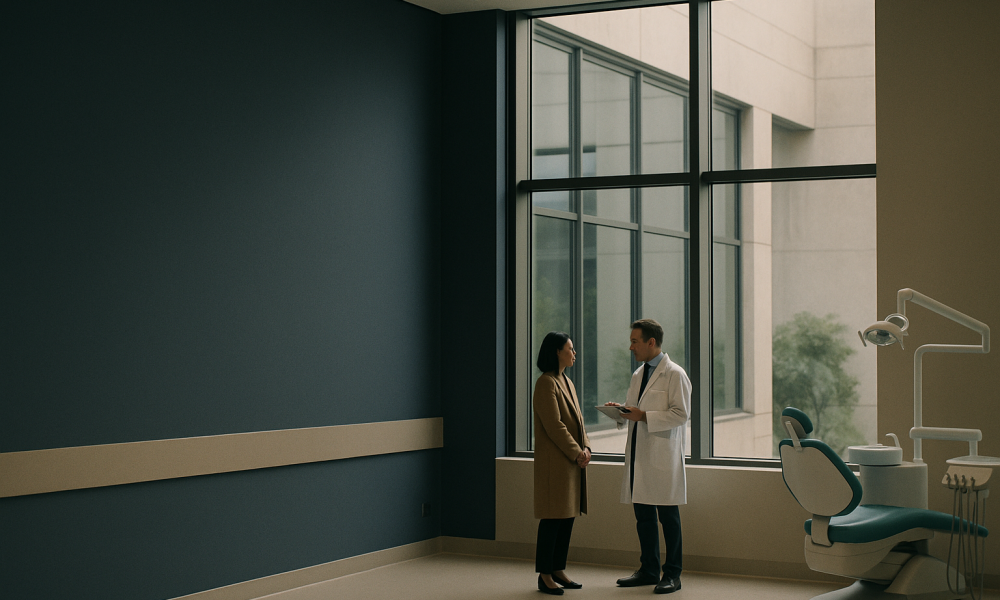
What Laminate Veneers is and who it is for
Laminate veneers are thin shells crafted from porcelain or composite materials designed to cover the front surface of teeth, enhancing their appearance. This cosmetic dental procedure is popular among individuals seeking to improve the aesthetics of their smile. In Turkey, the process typically involves two visits to the dentist. During the first visit, the dentist carefully examines your teeth and discusses your desired outcomes. Impressions of your teeth are taken to create custom veneers that fit precisely. In the second visit, the dentist bonds the veneers to your teeth using a specialised adhesive.
Laminate veneers are suitable for those looking to address various dental imperfections. They can effectively mask discolouration, chips, gaps, and minor misalignments. This treatment is particularly appealing for individuals with intrinsic stains that do not respond well to traditional teeth whitening. Additionally, veneers can provide a uniform appearance, making them a preferred choice for those who want a consistently bright and even smile.
In Turkey, the dentistry sector is renowned for its high standards and modern facilities. Many dental clinics are equipped with state-of-the-art technology, ensuring precise and efficient procedures. The cost of laminate veneers in Turkey is often more affordable compared to Australia, with prices typically ranging from £180 to £350 per tooth, depending on the material used and the complexity of the case. This cost advantage, along with the opportunity to receive treatment from highly skilled dental professionals, makes Turkey an attractive destination for dental tourists.
It is important to note that while laminate veneers offer a significant aesthetic improvement, they are not a permanent solution. The lifespan of veneers can range from 5 to 15 years, depending on the material and the individual’s oral hygiene practices. Regular dental check-ups and proper care are essential to maintain the longevity and appearance of the veneers.
Are you a good candidate?
Determining whether you are a good candidate for laminate veneers involves assessing several factors related to your dental health and personal goals. Veneers are most suitable for individuals who have healthy gums and teeth, as the procedure requires the removal of a small amount of enamel to ensure a proper fit. Candidates should also have realistic expectations about the outcomes, understanding that while veneers can significantly enhance the appearance of teeth, they do not correct major orthodontic issues.
- Good Oral Health: Candidates should have no active gum disease or significant decay. Healthy gums and teeth are essential for the successful placement of veneers.
- Aesthetic Concerns: Ideal for those wanting to address discolouration, chips, or slight misalignments.
- Commitment to Maintenance: Veneers require regular care, including brushing, flossing, and dental visits.
- Non-Smokers: Smoking can affect the longevity and appearance of veneers, making non-smokers better candidates.
- Realistic Expectations: Understanding that veneers improve appearance but do not correct severe dental issues is crucial.
Those with severe bruxism (teeth grinding) or significant bite issues may need to address these conditions before considering veneers. Bruxism can lead to veneer damage, reducing their lifespan and effectiveness. Additionally, individuals with severely misaligned teeth might be advised to undergo orthodontic treatment prior to veneer placement.
Consulting with a qualified dental professional is a crucial step in determining candidacy. During the consultation, your dentist will evaluate your oral health, discuss your aesthetic goals, and provide a personalised treatment plan. This assessment ensures that veneers are the appropriate solution for achieving the desired smile transformation.
The procedure, step by step
Undergoing laminate veneers in Turkey involves a series of carefully orchestrated steps to ensure the best possible outcome. Understanding this process can help alleviate anxiety and prepare you for what to expect during your treatment journey.
- Initial Consultation: The journey begins with a comprehensive consultation, either in person or via a virtual platform. During this session, the dentist will assess your dental health, discuss your aesthetic goals, and determine your suitability for veneers. Digital imaging and X-rays may be taken to facilitate a detailed treatment plan.
- Smile Design: Based on the initial assessment, a personalised smile design is created. This involves selecting the shape, size, and shade of the veneers that best complement your facial features and desired outcomes. Some clinics utilise advanced digital software to simulate your future smile, allowing you to visualise the results.
- Tooth Preparation: On the day of the procedure, the dentist will begin by preparing your teeth. This involves removing a thin layer of enamel, typically around 0.3 to 0.7 millimetres, to accommodate the veneers. This step is crucial for ensuring a natural look and proper fit.
- Impressions: After preparation, precise impressions of your teeth are taken. These moulds are sent to a dental laboratory where your custom veneers are crafted. This process can take several days, during which temporary veneers may be placed to protect your teeth.
- Veneer Fabrication: In the laboratory, skilled technicians create your veneers using high-quality materials such as porcelain or composite resin. The fabrication process involves meticulous attention to detail to ensure each veneer matches the desired specifications.
- Fitting and Bonding: Once the veneers are ready, you will return to the clinic for fitting. The dentist will place the veneers on your teeth to check their fit and appearance. Minor adjustments can be made at this stage. Once you are satisfied, the veneers are permanently bonded to your teeth using a special adhesive and a curing light.
- Final Adjustments and Polishing: After bonding, the dentist will make any final adjustments to ensure a perfect bite and comfortable fit. The veneers are then polished to achieve a natural sheen, completing the transformation of your smile.
Each of these steps is crucial to achieving a successful outcome, and your dentist will guide you through the process, providing expert care every step of the way.
Recovery timeline
Recovery from laminate veneer placement in Turkey is generally swift, but it is important to follow your dentist’s aftercare instructions closely to ensure optimal healing and results. Here is a detailed recovery timeline:
| Period | What to Expect | Care Notes |
|---|---|---|
| Day 1 | Immediately after the procedure, you may experience some numbness due to local anaesthesia. Mild sensitivity to hot and cold foods or beverages is common. | Avoid eating until the numbness wears off to prevent accidental biting of your cheeks or tongue. Stick to soft foods. |
| Days 2-3 | Some sensitivity and mild discomfort may persist. You might notice slight gum tenderness around the treated teeth. | Continue with a soft diet and use a desensitising toothpaste if necessary. Rinse your mouth with warm salt water to soothe gums. |
| Week 1 | Sensitivity should begin to subside. You can gradually reintroduce firmer foods into your diet. | Maintain excellent oral hygiene by brushing twice daily and flossing gently to prevent plaque build-up. |
| Weeks 2-4 | By this time, most discomfort and sensitivity should have resolved. Your veneers should feel natural in your mouth. | Attend a follow-up appointment if scheduled, to ensure proper healing and fit of your veneers. |
| Full Recovery (1-3 months) | Complete adaptation to your new veneers is expected. They should function like natural teeth. | Continue regular dental check-ups every six months for professional cleaning and examination. |
By adhering to these guidelines, you can ensure a smooth recovery and enjoy the benefits of your new smile for years to come.
5. What it costs: Turkey vs Australia
When considering laminate veneers, cost is a significant factor for many patients. In Turkey, the cost of laminate veneers can be considerably lower than in Australia, primarily due to the differences in operational costs and exchange rates. However, it’s essential to view these figures as indicative, as actual prices may vary based on the complexity of the treatment, the materials used, and the specific dental clinic.
| Country | Indicative Price Range (per veneer) | Typical Package Inclusions |
|---|---|---|
| Turkey | £200 – £450 | Consultation, digital smile design, X-rays, temporary veneers, post-treatment check-up, and airport transfers. |
| Australia | £800 – £1,500 | Consultation and veneer fitting, with fewer additional services typically included. |
While the initial cost of veneers in Turkey is lower, it’s vital to consider the overall package and inclusions. Turkish clinics often provide comprehensive packages that cover not just the veneers themselves, but also a range of ancillary services. This can include pre-treatment consultations, digital smile design services to help you visualise the end result, and post-treatment follow-ups to ensure the success of the procedure. Many clinics also offer airport transfers and accommodation arrangements, adding further value to the package.
In Australia, while the cost per veneer is higher, packages may not include the same breadth of services, potentially leading to additional out-of-pocket expenses for consultations and follow-ups. It’s important to factor these potential extra costs into your decision-making process.
Ultimately, the decision should take into account not just the price, but also the quality of care and the reputation of the provider. Both countries offer high standards of dental care, but the cost differential can make Turkey an attractive option for those seeking quality treatment at a more affordable price.
6. Risks and how accredited providers manage them
Like any dental procedure, getting laminate veneers involves certain risks. However, understanding these risks and how they are managed can help you make an informed decision. Potential risks include tooth sensitivity, veneer dislodgement, and aesthetic dissatisfaction. Accredited providers in Turkey employ various strategies to mitigate these risks, ensuring patient safety and satisfaction.
Tooth Sensitivity: Post-procedure sensitivity is a common concern, typically resulting from the enamel removal required for veneer placement. In Turkey, clinics often use advanced techniques and materials to minimise this risk. High-quality bonding agents and precise application methods are employed to provide a strong, protective seal over the teeth, which can help reduce sensitivity.
Veneer Dislodgement: The risk of veneers becoming loose or dislodged is addressed through meticulous fitting and high-quality adhesive use. Accredited Turkish dental clinics utilise state-of-the-art equipment and materials, ensuring that veneers are securely bonded to the teeth. Additionally, they provide detailed aftercare instructions to help patients maintain their veneers effectively.
Aesthetic Dissatisfaction: Achieving the desired aesthetic outcome is crucial. Accredited providers in Turkey often use digital smile design technology, which allows patients to preview their new smile before the procedure begins. This technology helps align patient expectations with achievable results, significantly reducing the risk of dissatisfaction.
Furthermore, Turkish dental professionals often undergo rigorous training and certification processes to ensure they are well-equipped to handle these procedures. Many clinics are also internationally accredited, adhering to stringent standards of care and hygiene, which are comparable to those found in Australia. This accreditation assures patients that the providers maintain high levels of professionalism and patient care.
In addition to these measures, many clinics offer a guarantee period for their veneers, providing patients with the reassurance that any issues will be addressed promptly. This guarantee is a testament to the confidence these clinics have in their workmanship and materials.
In summary, while risks are inherent in any medical procedure, choosing an accredited provider in Turkey can significantly mitigate these risks. By employing advanced technology, maintaining high standards of care, and offering comprehensive aftercare, these clinics strive to ensure a safe and satisfactory experience for international patients.
How to choose the right provider
When selecting a provider for laminate veneers in Turkey, consider several critical factors to ensure a safe and successful experience. Accreditation is a key component; reputable clinics often hold certifications from international bodies such as the Joint Commission International (JCI) or the International Organization for Standardization (ISO). These accreditations indicate adherence to high-quality standards in healthcare.
The experience and credentials of the dental surgeon are equally vital. Look for practitioners who have specialised training in cosmetic dentistry and significant experience with veneers. A dentist with a minimum of five years of focused practice in laminate veneers is generally advisable. Checking for memberships in professional organisations, such as the Turkish Dental Association or international cosmetic dentistry societies, can also provide an assurance of the dentist’s credibility.
Aftercare is another crucial aspect that should not be overlooked. A comprehensive aftercare plan should be clearly outlined, including follow-up appointments, emergency contact information, and guidelines for maintaining your veneers. Clinics that offer telemedicine consultations post-procedure can be beneficial for international patients who cannot visit the clinic easily.
Be vigilant about potential red flags. Avoid clinics that provide limited information about their surgeons or refuse to discuss their qualifications openly. Be wary of those promising unrealistically low prices or guaranteed results; such claims often compromise on quality or safety standards. Transparency regarding all aspects of the procedure, including risks and realistic outcomes, is a hallmark of a trustworthy provider.
Patient reviews and testimonials can offer additional insights. Look for feedback on independent review platforms rather than relying solely on the clinic’s website. Ratings and detailed experiences from previous patients can highlight both strengths and potential weaknesses of a clinic or practitioner.
Lastly, consider the overall cost, which should include the procedure itself, consultation fees, and any additional expenses such as accommodation and local transportation. A typical range for laminate veneers in Turkey might be £200 to £400 per tooth, but remember that prices can vary based on the complexity of your case and the specific materials used.
Planning your trip
Thorough planning is essential for a smooth and successful dental tourism experience in Turkey. Begin your preparations at least two to three months before your intended travel date. This timeline allows you to research and select the right clinic, secure necessary appointments, and arrange travel logistics.
Ensure all travel documents are in order, including a valid passport and, if required, a visa for Turkey. Australian citizens can typically enter Turkey for short stays without a visa, but it’s wise to confirm current entry requirements in advance. Additionally, check the validity of your travel insurance to cover any unforeseen medical or travel-related issues.
The length of stay in Turkey for laminate veneers typically ranges from five to ten days, depending on the complexity of your case and the number of veneers being applied. The initial consultation and preparation might take one to two days, with the actual veneer fitting scheduled shortly thereafter. Allow for a couple of days post-procedure for recovery and any necessary adjustments.
When planning your accommodation, consider staying close to the clinic to minimise travel time and stress. Many clinics offer assistance in arranging accommodation, and some even provide packages that include hotel stays. Ensure your accommodation offers amenities conducive to recovery, such as a quiet environment and accessibility.
Post-procedure, follow-up care is crucial. Discuss and arrange any necessary follow-up appointments before leaving Turkey. Some clinics offer digital follow-up consultations, allowing your dentist to monitor your recovery and address any concerns remotely. Plan for a follow-up visit with your local dentist in Australia to ensure ongoing maintenance and care of your veneers.
Finally, consider cultural and leisure activities in Turkey. While the primary purpose of your visit is medical, taking some time to explore local attractions can enhance your overall experience. However, ensure any such activities are planned post-procedure to avoid any unnecessary exertion before recovery is complete.
Frequently Asked Questions
What are the typical costs for laminate veneers in Turkey?
The cost of laminate veneers in Turkey typically ranges from £200 to £400 per tooth. This variance depends on factors such as the clinic, the dentist's experience, and the materials used. It's essential to account for additional expenses like consultation fees, travel, accommodation, and aftercare. Always seek a detailed quote from your provider to understand the full scope of costs involved.
How do I ensure the clinic is reputable?
To ensure a clinic's reputation, check for international accreditations such as Joint Commission International (JCI) or ISO certification. Research the dentist's experience and credentials, including their membership in professional organisations. Patient reviews on independent platforms can also provide valuable insights into the clinic's quality and reliability.
What should I expect during the veneer procedure?
The veneer procedure usually involves an initial consultation, preparation of the teeth, and fitting of the veneers. The process typically spans several days, with the first appointment for evaluation and planning, followed by tooth preparation and impressions. The final appointment involves fitting the veneers and making any necessary adjustments to ensure comfort and aesthetics.
Is Turkey safe for dental procedures?
Turkey is generally considered safe for dental procedures, with many clinics adhering to international standards. However, it's crucial to choose a reputable clinic with proper accreditations and experienced dentists. Research thoroughly and consult past patient reviews to ensure a safe and satisfactory experience.
How long will I need to stay in Turkey for the procedure?
The typical stay in Turkey for laminate veneers ranges from five to ten days. This duration includes time for initial consultations, the veneer procedure itself, and any necessary follow-up appointments. It's advisable to allow a few extra days in your itinerary to accommodate any unexpected adjustments or recovery time.
What aftercare is necessary for veneers?
Aftercare for veneers involves maintaining excellent oral hygiene, including regular brushing and flossing. Avoid hard foods that could damage the veneers and attend regular dental check-ups. Your dentist may provide specific guidelines, and some clinics offer remote follow-up consultations to monitor your progress post-procedure.
How soon can I return to normal activities after the procedure?
Most patients can return to normal daily activities within a day or two after the veneer fitting. However, it's advisable to avoid strenuous activities and hard foods for a few days to allow the veneers to settle properly. Your dentist will provide specific recommendations based on your individual case.
What documents do I need for my trip?
For your trip to Turkey, ensure you have a valid passport and check if a visa is necessary for your stay. Australian citizens typically do not require a visa for short visits, but it's important to verify current entry requirements. Additionally, confirm that your travel insurance is valid and covers medical procedures abroad.
Can I combine my dental trip with a holiday in Turkey?
Yes, many patients combine their dental treatment with leisure activities. However, it's crucial to schedule any strenuous activities post-procedure to allow for adequate recovery time. Turkey offers a rich cultural experience, so plan your sightseeing accordingly to ensure a balance between healthcare and relaxation.
What happens if I need adjustments after returning home?
If adjustments are needed after returning home, contact your Turkish dentist to discuss the issue. Many clinics offer remote consultations to address post-procedure concerns. It's also advisable to arrange a follow-up with your local dentist in Australia to manage any necessary adjustments or ongoing care.
How do I book an appointment with a Turkish clinic?
To book an appointment, contact the clinic directly via their website or email. Most clinics have international patient coordinators who can assist with scheduling, travel arrangements, and any questions you might have. Ensure you have all necessary medical records and dental history ready for your initial consultation.
What are the risks associated with laminate veneers?
Like any dental procedure, laminate veneers come with risks such as tooth sensitivity, veneer detachment, or damage. However, these can be minimised by choosing an experienced dentist and adhering to aftercare instructions. Discuss potential risks with your dentist during the consultation to make an informed decision.