
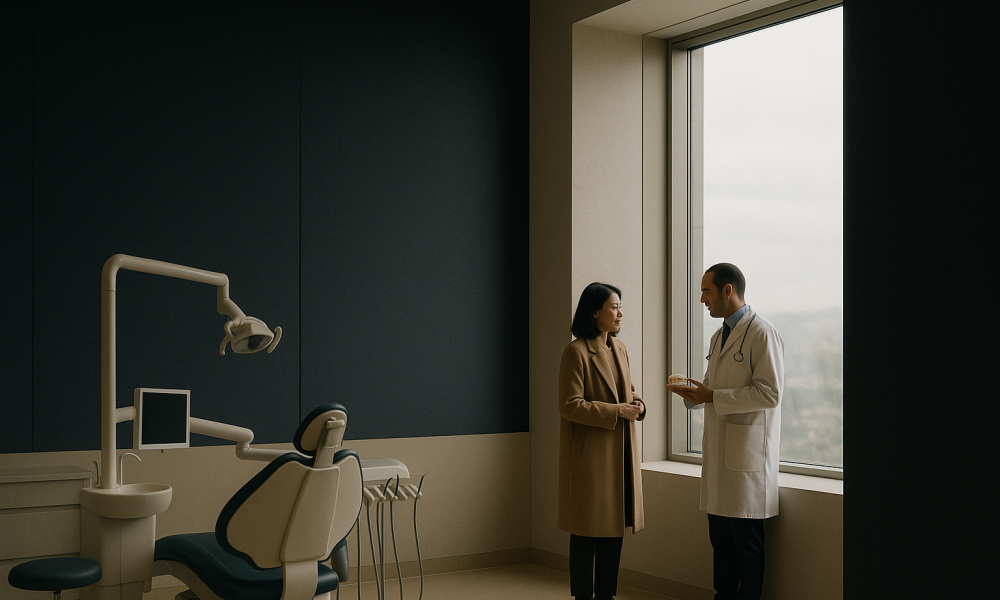
What Zirconium Crowns is and who it is for
Zirconium crowns are a modern dental solution designed to enhance the appearance and functionality of teeth. Made from zirconium dioxide, a robust and aesthetically pleasing material, these crowns are highly sought after for their durability and natural appearance. Unlike traditional metal crowns, zirconium crowns offer a metal-free alternative, reducing the risk of allergic reactions and providing a more natural look.
The procedure involves shaping the existing tooth and placing the crown over it, which is typically completed over two visits to the dentist. The first visit involves preparing the tooth and taking impressions, which are then used to create a custom crown. During the second visit, the crown is fitted and adjusted to ensure a perfect fit. The entire process is minimally invasive, with local anaesthesia used to manage any discomfort.
Zirconium crowns are suitable for a wide range of dental issues. They are commonly used to restore teeth that are severely decayed, fractured, or worn down. They can also be employed to improve the appearance of discoloured or misshapen teeth. Additionally, zirconium crowns are often used in dental bridges and implants, providing a cohesive and aesthetically pleasing solution for missing teeth.
Patients who value aesthetics will appreciate the translucent properties of zirconium, which closely mimic the natural appearance of enamel. This makes them an excellent choice for front teeth restorations. Furthermore, zirconium crowns are known for their strength, making them ideal for molars where the force of chewing is greatest. The material is biocompatible, reducing the risk of adverse reactions and promoting healthy gum tissue around the crown.
Overall, zirconium crowns in Turkey offer an attractive option for individuals seeking high-quality dental care at competitive prices. With a typical cost ranging from £200 to £400 per tooth, patients can achieve their desired smile without compromising on quality or aesthetics.
Are you a good candidate?
Determining whether you are a suitable candidate for zirconium crowns involves a thorough evaluation of your dental health and personal needs. This type of crown is versatile, yet certain criteria can influence its suitability. Here’s a checklist to help you assess if zirconium crowns are right for you:
- Good Oral Health: Candidates should have healthy gums and sufficient bone structure to support the crown. Pre-existing gum disease or significant bone loss may require treatment before crown placement.
- Tooth Damage: Those with broken, cracked, or severely worn down teeth are ideal candidates. Zirconium crowns can restore both function and appearance effectively.
- Desire for Aesthetic Improvement: If you are looking to improve the appearance of discoloured or misshapen teeth, zirconium crowns offer a natural-looking solution.
- Allergy Considerations: Individuals with metal allergies or sensitivities benefit from the metal-free nature of zirconium crowns.
- Commitment to Oral Hygiene: Maintaining excellent oral hygiene is crucial for the longevity of zirconium crowns. Candidates should be committed to regular dental check-ups and proper brushing and flossing.
- Realistic Expectations: It is important to have realistic expectations regarding the outcome. While zirconium crowns can significantly enhance your smile, they require care and maintenance like natural teeth.
If you meet these criteria, zirconium crowns may be an excellent option for you. It is essential to consult with a qualified dentist who can provide a personalised assessment and discuss the best treatment plan tailored to your needs. In Turkey, many dental clinics offer comprehensive consultations to ensure that you receive the most suitable and effective treatment available.
The procedure, step by step
Undergoing a zirconium crown procedure in Turkey involves several well-coordinated steps. This process is designed to ensure both the precision of the fit and the aesthetic quality of the final result. Here is a detailed step-by-step guide to help you understand what to expect:
- Initial Consultation: Your journey begins with an initial consultation, often conducted via video call if you are organising your treatment from abroad. During this session, the dentist will review your dental history, discuss your expectations, and possibly request recent dental X-rays or conduct a preliminary examination using digital imaging.
- Detailed Examination and Treatment Planning: Upon your arrival in Turkey, a comprehensive oral examination is conducted. This includes taking impressions of your teeth, digital scans, and sometimes panoramic X-rays. These diagnostic tools help in creating a precise treatment plan tailored to your dental structure and aesthetic goals.
- Tooth Preparation: The next step is the preparation of the tooth or teeth that will receive the crown. The dentist will numb the area with a local anaesthetic to ensure comfort throughout the procedure. The tooth is then reshaped to accommodate the crown, which involves removing a portion of the tooth’s surface.
- Impression and Shade Matching: Once the tooth is prepared, an impression is taken to create a model for the crown. This can be done using traditional putty-like materials or digital scanning technology. Simultaneously, the dentist will select a shade for the zirconium crown that best matches your natural teeth, ensuring a seamless appearance.
- Temporary Crown Placement: A temporary crown is placed over the prepared tooth to protect it while your custom zirconium crown is being fabricated. This temporary crown is typically made from acrylic and will be worn for about 1-2 weeks.
- Crown Fabrication: The impressions or digital scans are sent to a dental laboratory where skilled technicians craft your zirconium crown. This process typically takes about 5-10 days, depending on the complexity of the case and the laboratory’s schedule.
- Fitting and Cementation: Once your custom crown is ready, you will return to the clinic for a fitting. The dentist will place the crown over the tooth to check the fit and colour. Adjustments are made if necessary. Once satisfied, the crown is permanently cemented into place, and adjustments to your bite are made to ensure comfort.
Each of these steps is crucial in ensuring that your zirconium crown not only enhances your smile but also functions effectively as a part of your dental structure.
Recovery timeline
Understanding the recovery timeline following a zirconium crown procedure is essential for managing expectations and ensuring optimal care. Below is a detailed timeline outlining what patients typically experience from day one post-procedure to full recovery:
| Period | What to Expect | Care Notes |
|---|---|---|
| Day 1 | Immediately after the procedure, some patients may experience mild discomfort or sensitivity, particularly to hot or cold temperatures. The anaesthetic will gradually wear off, and it’s normal to feel a little soreness around the gums. | Avoid eating until the numbness subsides to prevent accidental biting of the cheeks or tongue. Stick to soft foods and avoid extreme temperatures in food and drink. |
| Days 2-3 | Discomfort should begin to decrease. Sensitivity may persist, but it typically lessens with each passing day. The gum tissue around the crown might feel tender. | Continue with soft foods and maintain good oral hygiene by gently brushing and flossing around the crown. Consider using a toothpaste designed for sensitive teeth. |
| Week 1 | By the end of the first week, most patients report a significant reduction in sensitivity and discomfort. The crown should start to feel more natural in your mouth. | Resume a normal diet gradually, but still be cautious with very hard or sticky foods. Attend any scheduled follow-up appointments to monitor healing progress. |
| Weeks 2-3 | The crown should be fully integrated, with minimal to no sensitivity. The gum tissue should appear healthy and comfortable. | Continue with regular dental hygiene practices. Report any unusual discomfort or issues to your dentist promptly. |
| Full Recovery (1 Month) | By the end of the month, the crown should feel like a natural part of your mouth, with no discomfort or sensitivity. | Maintain regular dental check-ups and cleanings to ensure the longevity of your crown. Discuss any concerns with your dental provider. |
Adhering to these care notes and attending follow-up appointments will help ensure a smooth recovery and the long-term success of your zirconium crown.
What it costs: Turkey vs Europe
When considering zirconium crowns, one of the most significant factors for many patients is the cost. Turkey has emerged as a popular destination for dental treatments, primarily due to its competitive pricing compared to many European countries. However, it’s crucial to understand that prices can vary based on several factors, including the clinic’s location, the dentist’s experience, and the complexity of the procedure. Below is a comparison of indicative price ranges between Turkey and Europe.
| Country | Indicative Price Range (per crown) | Typical Package Inclusions |
|---|---|---|
| Turkey | €200 – €400 | Consultation, X-rays, local anaesthesia, and post-procedure check-ups |
| United Kingdom | €600 – €1,200 | Consultation and X-rays; additional costs for follow-up visits |
| Germany | €700 – €1,500 | Consultation, X-rays, and local anaesthesia; follow-ups may incur extra charges |
| France | €650 – €1,300 | Consultation, X-rays, and local anaesthesia; post-treatment care often not included |
The table above illustrates that the cost of zirconium crowns in Turkey is generally lower than in many European countries. These figures are indicative, and exact prices can vary. In Turkey, packages often include comprehensive care, covering initial consultations, necessary diagnostics such as X-rays, and post-procedure follow-ups. In contrast, in many European countries, additional charges for follow-up visits and certain diagnostics can increase the overall cost.
When planning for dental treatment abroad, it is essential to factor in travel and accommodation expenses. Many clinics in Turkey offer all-inclusive packages that might cover hotel stays and airport transfers, which can further enhance the value proposition compared to European alternatives. Prospective patients are advised to request detailed quotes from clinics to understand what is included and inquire about any additional costs that may arise during the treatment process.
Risks and how accredited providers manage them
Undergoing dental treatment, such as receiving zirconium crowns, involves certain inherent risks, similar to any medical procedure. These risks can include infections, allergic reactions, or issues with the fit or durability of the crowns. However, choosing an accredited provider in Turkey can significantly mitigate these risks through stringent quality controls and adherence to international standards.
Accredited dental clinics in Turkey are often certified by international bodies, such as the Joint Commission International (JCI) or the European Society of Aesthetic Dentistry (ESAD). These certifications ensure that clinics maintain high standards of hygiene, use state-of-the-art equipment, and employ highly trained professionals. Providers follow strict sterilisation protocols to minimise the risk of infection, a common concern in dental procedures.
Pre-treatment consultations are crucial in managing risks. During these sessions, dentists perform thorough examinations and use advanced imaging techniques to assess the patient’s oral health and plan the procedure meticulously. This planning helps in customising the crowns to fit perfectly, reducing the likelihood of discomfort or the need for adjustments post-procedure.
Moreover, Turkish dentists are known for their expertise and often have international training or experience, ensuring they are well-versed in the latest dental practices and technologies. This expertise is vital in managing potential complications effectively.
Patient education is another critical aspect of risk management. Accredited providers take the time to inform patients about the procedure, post-operative care, and signs of potential complications to watch for. This education empowers patients to take an active role in their recovery and seek timely intervention if necessary.
Post-procedure care is also a focus for many clinics. Accredited providers typically offer follow-up appointments to monitor the healing process and ensure the crowns are functioning correctly. These follow-ups can help identify and address any issues early, preventing more significant problems later on.
While no procedure is without risks, the comprehensive approach adopted by accredited providers in Turkey can help minimise these concerns. Prospective patients are encouraged to research clinics thoroughly, verify their accreditations, and discuss any concerns with their chosen provider to ensure a safe and satisfactory treatment experience.
How to choose the right provider
Choosing the right provider for zirconium crowns in Turkey is a crucial step in ensuring a successful treatment outcome. Start by verifying the accreditation of the dental clinic. Look for international certifications such as ISO or Joint Commission International (JCI), which indicate adherence to high-quality standards in healthcare. Additionally, ensure that the clinic is registered with the Turkish Ministry of Health, which oversees healthcare facilities in the country.
The experience of the dentist is equally important. Look for a practitioner who specialises in prosthodontics or restorative dentistry and has substantial experience in fitting zirconium crowns. A dentist with over 5-10 years of experience and a portfolio of successful cases can provide reassurance of their expertise. Many clinics provide profiles of their dentists on their websites, including their qualifications, years of practice, and areas of specialisation.
Consider the aftercare services offered by the clinic. Comprehensive aftercare is essential to monitor the progress of your treatment and address any complications that may arise. Check if the clinic provides follow-up appointments and what kind of support is available should you need assistance once you return home. Some clinics offer remote consultations via video calls, which can be a valuable service for international patients.
Be aware of potential red flags when choosing a provider. Avoid clinics that make unrealistic promises or guarantee specific outcomes, as this is not medically responsible. Be cautious of extremely low prices that seem too good to be true, as they may indicate compromised quality or hidden costs. Transparency in pricing and treatment plans is a sign of a reputable clinic. Lastly, read reviews from previous patients to gain insights into their experiences, but be wary of overly positive or negative reviews that may not be authentic.
Planning your trip
When planning your trip for zirconium crown treatment in Turkey, begin by establishing a timeline. It is advisable to start your preparations at least 3-4 months in advance to allow sufficient time for research, consultations, and booking. Once you have chosen a clinic, they will typically provide a treatment plan that outlines the duration of your stay and the stages of your treatment.
Ensure you have all necessary documents ready before travelling. This includes a valid passport, any visas required for entry into Turkey, and your medical records, including any dental X-rays or notes from your home dentist. Additionally, bring any prescribed medications you are currently taking, along with the prescriptions.
The length of stay in Turkey for zirconium crowns can vary, but most patients should plan for a stay of approximately 5-10 days. This allows time for initial consultations, the crown fitting procedure, and a follow-up appointment to ensure the crowns are properly seated and there are no immediate issues. Some patients may require a longer stay if additional dental work is needed.
Plan for follow-up care once you return home. Discuss with your chosen clinic how they will support you post-treatment. Many clinics offer remote follow-up appointments to address any concerns and ensure the crowns are settling well. It’s also important to schedule a follow-up appointment with your local dentist within a few weeks of returning home to monitor your oral health and the condition of your new crowns.
Frequently Asked Questions
What are the typical costs for zirconium crowns in Turkey?
The cost of zirconium crowns in Turkey can vary depending on the clinic and the complexity of the case. Typically, prices range from £150 to £300 per crown. This is significantly lower than in many European countries, where prices can reach up to £800 per crown. Always ensure that the quoted price includes all necessary procedures and aftercare.
Why are zirconium crowns cheaper in Turkey?
Zirconium crowns are more affordable in Turkey due to lower operational costs, including labour and materials, compared to Western Europe. Additionally, the Turkish government supports medical tourism, providing incentives that allow clinics to offer competitive pricing. Despite the lower costs, many clinics maintain high-quality standards, but it is essential to research thoroughly to ensure quality care.
Is it safe to get zirconium crowns in Turkey?
Yes, it is generally safe to get zirconium crowns in Turkey, provided you choose a reputable and accredited clinic. Many clinics are internationally accredited and follow stringent hygiene and safety protocols. However, it is crucial to research the clinic's credentials, read patient reviews, and verify the dentist's experience to ensure a safe and successful treatment.
What should I expect during the zirconium crown procedure?
The zirconium crown procedure typically involves two main appointments. The first visit includes tooth preparation and impressions, which are sent to a lab to create your custom crown. This takes a few days. During a second visit, the crown is fitted and adjusted for comfort and aesthetics. The entire process is generally completed within a week, depending on the clinic's lab facilities.
How long do zirconium crowns last?
Zirconium crowns are known for their durability and longevity. With proper care, they can last between 10 to 15 years or even longer. Regular dental check-ups, good oral hygiene practices, and avoiding habits like teeth grinding can help extend the lifespan of your crowns.
Will I experience pain during the procedure?
Local anaesthesia is used during the zirconium crown procedure to minimise discomfort. Patients may experience mild sensitivity or discomfort following the procedure, but this typically subsides within a few days. Pain management options, such as over-the-counter pain relief, are usually effective for any post-procedure discomfort.
What aftercare is required for zirconium crowns?
Aftercare for zirconium crowns involves maintaining good oral hygiene, including regular brushing and flossing. Avoiding hard foods and habits like teeth grinding can prevent damage. Regular dental check-ups are crucial to monitor the condition of your crowns and overall oral health. Your dentist may also recommend using a mouthguard if you grind your teeth at night.
Can zirconium crowns be matched to the colour of my natural teeth?
Yes, zirconium crowns are highly aesthetic and can be customised to match the colour of your natural teeth. Dentists use shade guides and digital imaging to ensure the crown blends seamlessly with your existing teeth, providing a natural and appealing look.
How soon after the procedure can I return to normal activities?
Most patients can return to normal activities within a day after the procedure. However, it is advisable to avoid hard or sticky foods for a few days to allow the crowns to settle properly. Follow any specific advice given by your dentist regarding post-procedure care to ensure optimal healing.
What is the success rate of zirconium crowns?
Zirconium crowns have a high success rate, with studies showing success rates above 90% over 5-10 years. Their durability and biocompatibility contribute to their effectiveness. However, success also depends on the skill of the dentist and the patient's adherence to oral care instructions.
Can I combine my dental treatment with a holiday in Turkey?
Yes, many patients choose to combine dental treatment with a holiday in Turkey. The country offers a rich cultural experience, beautiful landscapes, and historic sites. However, it is crucial to prioritise your dental appointments and follow any pre- and post-treatment instructions provided by your dentist to ensure a successful outcome.
What payment options are available for international patients?
Most dental clinics in Turkey offer various payment options for international patients, including credit/debit cards, bank transfers, and sometimes financing plans. It is advisable to confirm payment methods with your chosen clinic in advance and inquire about any potential discounts for cash payments.