
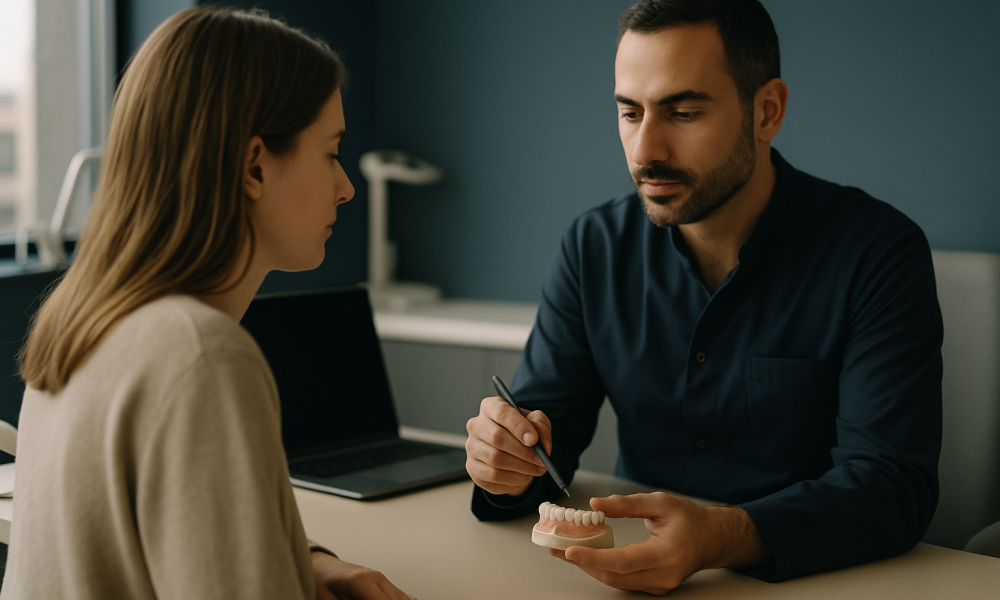
What Dental Bridges is and who it is for
Dental bridges are an effective and popular solution for replacing one or more missing teeth. A dental bridge is essentially a false tooth, known as a pontic, which is held in place by the abutment teeth on either side of the gap. These pontics can be made from a variety of materials, including gold, alloys, porcelain, or a combination of these materials. The choice of material can affect the bridge’s appearance, durability, and cost.
In Turkey, dental bridges are a widely sought-after treatment due to the country’s world-class dental facilities and skilled practitioners. Many international patients choose Turkey for their dental care because of the competitive pricing, which often comes at a fraction of the cost compared to some European countries. This is why Turkey has become a hub for dental tourism, offering high-quality treatment and care at affordable prices.
Typically, a dental bridge can be recommended for individuals who have lost teeth due to decay, injury, or gum disease. It is crucial for maintaining the structure of your face, preventing the remaining teeth from shifting, and restoring your ability to chew and speak properly. Whether you are looking to enhance your smile aesthetically or need to restore functionality, dental bridges offer a reliable solution.
There are several types of dental bridges available, including traditional bridges, cantilever bridges, Maryland bonded bridges, and implant-supported bridges. Each type has its own set of advantages and is suitable for different dental scenarios. For instance, a traditional bridge might be ideal for a single missing tooth, while an implant-supported bridge could be more appropriate for several missing teeth in a row.
Overall, dental bridges in Turkey offer an excellent balance of quality, affordability, and accessibility. Patients can expect to receive treatment from highly qualified professionals in modern, well-equipped clinics. The treatment process typically involves an initial consultation, during which the dentist will evaluate your dental health and discuss the most suitable options for your specific needs.
Are you a good candidate?
Determining whether you are a good candidate for dental bridges involves a thorough assessment of your oral health and specific dental needs. Here are some key factors that can help you and your dentist decide if a dental bridge is the right option for you:
- Missing Teeth: You have one or more missing teeth, but still have healthy teeth on either side of the gap, which can support the bridge.
- Good Oral Health: Your gums and remaining teeth should be in good health, as they will provide the necessary support for the bridge.
- Commitment to Oral Hygiene: Maintaining excellent oral hygiene is crucial to the longevity of your dental bridge. Regular brushing, flossing, and dental check-ups are essential.
- Bone Density: Adequate bone density in the jaw is necessary to support the abutment teeth and ensure the bridge remains stable.
- Non-Smokers: Ideally, candidates should be non-smokers or willing to quit smoking, as smoking can negatively affect oral health and the success of dental procedures.
- No Severe Dental Issues: Candidates should not have severe dental issues such as advanced gum disease or extensive tooth decay, which could undermine the support structure for the bridge.
During your initial consultation in Turkey, the dentist will perform a comprehensive evaluation, which may include dental X-rays and impressions, to assess your suitability for a dental bridge. This evaluation is crucial to ensure that the treatment is tailored to your individual needs and to maximise the success of the procedure. If you meet the criteria, you can expect a treatment plan that aligns with your dental health goals.
The procedure, step by step
Dental bridges are a common solution for replacing missing teeth, and understanding the procedure can help patients feel more at ease. Here is a detailed step-by-step guide to what typically happens during the dental bridge procedure in Turkey:
- Initial Consultation: The process begins with an initial consultation, where the dentist evaluates the patient’s oral health. This includes a thorough examination of the gums and teeth, often using X-rays or 3D imaging to assess bone structure and surrounding teeth. The dentist discusses the patient’s medical history and expectations, ensuring that a dental bridge is the most suitable option.
- Treatment Planning: Once the dentist confirms that a bridge is appropriate, a detailed treatment plan is developed. This plan outlines the type of bridge (traditional, cantilever, Maryland, or implant-supported) that best suits the patient’s needs, as well as the materials to be used, such as porcelain, ceramic, or metal alloys.
- Tooth Preparation: The teeth adjacent to the gap (abutment teeth) are prepared to accommodate the crowns that will support the bridge. This involves reshaping these teeth by removing a portion of enamel to allow room for the crown to be placed. Local anaesthesia is typically used to minimize discomfort during this process.
- Impressions: After the teeth are prepared, the dentist takes impressions of the teeth and the gap. These impressions are sent to a dental laboratory, where the bridge is custom-made to fit the patient’s mouth precisely. In some cases, digital scans may be used instead of traditional moulds.
- Temporary Bridge Placement: While the permanent bridge is being fabricated, a temporary bridge is placed to protect the exposed teeth and gums. This temporary bridge helps maintain the aesthetics and function of the patient’s bite in the interim.
- Fitting the Permanent Bridge: Once the permanent bridge is ready, the patient returns for fitting. The dentist removes the temporary bridge and checks the fit and colour of the permanent bridge. Necessary adjustments are made to ensure a comfortable fit and natural appearance.
- Final Cementation: After adjustments, the bridge is permanently cemented into place. The dentist ensures that the bite is comfortable and that the bridge feels natural. Any final adjustments are made to ensure optimal function and aesthetics.
This process typically spans two to three visits over several weeks, depending on the complexity of the case and the type of bridge chosen.
Recovery timeline
Recovering from a dental bridge procedure involves several stages, each requiring specific care to ensure optimal healing and adaptation. Below is a comprehensive timeline outlining what to expect and how to care for your new dental bridge from day one to full recovery:
| Period | What to expect | Care notes |
|---|---|---|
| Day 1 – Day 3 | Immediately after the procedure, some discomfort and sensitivity may occur, especially around the treated area. Swelling or bruising is possible, but typically mild. | Use over-the-counter pain relief as advised by your dentist. Apply ice packs intermittently to reduce swelling. Stick to soft foods and avoid chewing on the side of the new bridge. |
| Day 4 – Day 7 | Discomfort should begin to subside. The area may still be sensitive, and adjusting to the bridge may take some time. | Continue with a soft diet, gradually introducing more solid foods as comfort allows. Maintain oral hygiene with gentle brushing and flossing. Avoid hard or sticky foods. |
| Week 2 – Week 4 | Sensitivity should continue to decrease. The bridge should start feeling more natural as you adjust to it in your daily routine. | Regular dental hygiene practices should be resumed. Use a bridge floss threader to clean under the bridge effectively. Attend follow-up appointments to ensure proper fit and function. |
| Month 1 – Month 3 | By this period, the bridge should feel comfortable, and normal eating habits can typically be resumed. | Continue regular dental check-ups. Maintain a balanced diet and avoid habits that could damage the bridge, such as chewing ice or hard candies. |
| Full Recovery | Full adaptation and healing are generally achieved within 3 months. The bridge should function like natural teeth. | Continue with consistent oral hygiene and regular dental visits. Address any concerns of discomfort or misalignment with your dentist promptly. |
Each patient’s recovery may vary slightly based on individual circumstances and the complexity of the procedure. Always follow your dentist’s specific advice for the best outcome.
What it costs: Turkey vs Europe
When considering dental bridges, cost is often a significant factor for many patients. Turkey has emerged as a popular destination for dental treatments, including dental bridges, due to its competitive pricing compared to many European countries. However, it’s important to understand that the figures provided are indicative, as the final cost can vary based on several factors such as the type of bridge, the complexity of the case, and the specific clinic chosen.
In general, the cost of dental bridges in Turkey can range from €300 to €800 per unit. This range includes the cost of materials, which can vary from metal-ceramic to all-ceramic, as well as the expertise of the dental professional. In contrast, similar treatments in European countries like Germany, the UK, or France can range from €800 to €2,500 per unit.
| Country | Indicative Price Range (per unit) | Typical Package Inclusions |
|---|---|---|
| Turkey | €300 – €800 | Consultation, X-rays, materials, anaesthesia, post-treatment check-up |
| Germany | €1,000 – €2,500 | Consultation, X-rays, materials, anaesthesia |
| United Kingdom | €1,200 – €2,200 | Consultation, X-rays, materials, anaesthesia |
| France | €800 – €2,000 | Consultation, X-rays, materials, anaesthesia |
Besides the lower cost, many Turkish clinics offer comprehensive packages that often include additional services. These packages typically cover initial consultations, necessary diagnostic tests such as X-rays, and follow-up appointments. Some clinics may also offer accommodation and airport transfers as part of their service, which can further enhance the value for patients traveling from abroad.
It is essential for patients to inquire about what exactly is included in the quoted price to avoid any unexpected expenses. Always ensure that the clinic provides a detailed breakdown of costs, including any potential additional charges, before committing to treatment.
Risks and how accredited providers manage them
Like any medical procedure, dental bridge treatments come with certain risks. However, understanding these risks and how they are managed can help patients make informed decisions. Accredited dental clinics in Turkey adhere to stringent international standards to minimise these risks and ensure patient safety.
The primary risks associated with dental bridges include:
- Tooth Sensitivity: Some patients may experience increased sensitivity in the treated area, especially to hot and cold temperatures. This is usually temporary and can be managed with desensitising toothpaste or adjustments by the dental professional.
- Decay and Gum Disease: The teeth supporting the bridge can be susceptible to decay and gum disease if proper oral hygiene is not maintained. Accredited clinics provide detailed instructions on oral care post-treatment to mitigate this risk.
- Bridge Failure: Although rare, bridges can fail due to poor fit or inadequate support from the underlying teeth. Accredited clinics use high-quality materials and precise fitting techniques to reduce the likelihood of failure.
- Allergic Reactions: Some patients may have allergic reactions to the materials used in the bridge. Before treatment, clinics conduct thorough assessments to identify any potential allergies.
Accredited providers in Turkey manage these risks by employing experienced and well-trained dental professionals who are often educated in internationally recognised institutions. They use state-of-the-art equipment and follow best practices in sterilisation and hygiene to ensure a safe treatment environment.
Moreover, these clinics typically have robust aftercare programmes. Patients are encouraged to attend follow-up appointments where their progress is monitored, and any issues can be addressed promptly. This ongoing support is crucial in managing any complications that may arise post-treatment.
It is advisable for patients to verify the accreditation of the clinic they choose. Reputable clinics are often accredited by international organisations, such as the Joint Commission International (JCI) or have ISO certifications, which ensure adherence to high-quality standards. This accreditation not only provides reassurance but also signifies the clinic’s commitment to maintaining excellence in patient care.
How to choose the right provider
When selecting a dental provider for bridges in Turkey, several factors should be considered to ensure a safe and satisfactory experience. One of the primary considerations is accreditation. Look for clinics accredited by international bodies such as the Joint Commission International (JCI) or the International Organization for Standardization (ISO). These accreditations indicate adherence to global healthcare standards, ensuring quality and safety in treatment.
Surgeon experience is another critical factor. Research the qualifications and experience of the dental surgeons. Ideally, they should have completed specialized training in prosthodontics or restorative dentistry and possess several years of experience specifically in dental bridges. It can be beneficial to read patient reviews and testimonials, which often provide insights into the surgeon’s expertise and patient satisfaction.
Post-treatment aftercare is crucial for the success of dental bridges. A reputable clinic should offer comprehensive aftercare services, including detailed post-operative instructions and follow-up consultations. Ensure that the clinic provides a clear plan for aftercare, and inquire whether they offer remote consultations once you return home, just in case you need advice or experience complications.
Be aware of red flags that may indicate a less reliable provider. These include clinics that make unrealistic promises of outcomes, offer unusually low prices without clear justification, or lack transparency in their pricing structure. Additionally, be cautious of providers that do not have visible accreditation or those who avoid answering specific questions about the procedure or their experience.
Planning your trip
Proper planning is essential when travelling to Turkey for a dental bridge procedure. Start by establishing a timeline before travel. Ideally, begin researching and contacting potential providers at least two to three months before your intended travel date. This allows ample time for consultations, decision-making, and securing travel arrangements.
Ensure you have all necessary documents, including your passport, visa (if required), and any relevant medical records or dental X-rays. These documents will help your chosen clinic tailor the treatment to your specific needs. It is also advisable to have travel insurance that covers medical procedures abroad, adding an extra layer of protection.
Consider the length of stay required for the procedure. Typically, patients should plan to stay in Turkey for at least one to two weeks, allowing time for the initial consultation, the dental bridge procedure, and follow-up appointments to ensure everything is progressing smoothly. Confirm this timeline with your provider, as it can vary depending on individual circumstances and the complexity of the treatment.
Follow-up at home is an important aspect of your recovery process. Discuss with your dentist in Turkey how follow-up care will be managed once you return home. Some clinics offer remote consultations via video calls, which can be helpful if you have questions or concerns. Additionally, it is wise to arrange an appointment with your local dentist for regular check-ups to monitor the condition of your dental bridge and overall oral health.
Frequently Asked Questions
What is the typical cost range for a dental bridge in Turkey?
The cost of a dental bridge in Turkey can vary significantly depending on the materials used and the complexity of the procedure. Typically, prices range from £300 to £700 per tooth. This is generally more affordable compared to other European countries. However, it is important to get a detailed quote from your chosen provider to understand what is included in the price, such as consultations, materials, and aftercare.
How does the quality of dental care in Turkey compare to Europe?
Turkey is home to many highly qualified dental professionals and state-of-the-art clinics, often meeting or exceeding European standards. Many clinics are accredited by international organisations, ensuring adherence to global healthcare protocols. Patients often find that the combination of high-quality care and competitive pricing makes Turkey an attractive option for dental treatments.
Is it safe to get dental treatment in Turkey?
Yes, it can be safe to get dental treatment in Turkey, provided you choose a reputable clinic. Look for providers with international accreditation and positive patient reviews. Ensure that the clinic follows stringent hygiene and safety protocols. It's crucial to do thorough research and have clear communication with your chosen clinic to ensure a safe experience.
Will language be a barrier during my treatment?
Language is generally not a barrier, as many dental clinics in Turkey catering to international patients have English-speaking staff. Some clinics may also offer translation services for other languages. It is advisable to confirm language options during your initial consultation to ensure clear communication throughout your treatment.
How long will it take to get a dental bridge in Turkey?
The process for receiving a dental bridge in Turkey typically requires one to two weeks. This includes an initial consultation, the procedure itself, and follow-up appointments. The exact timeline can vary based on individual needs and the complexity of the case, so it's important to discuss this with your provider.
What should I pack for my dental treatment trip to Turkey?
Pack comfortable clothing and personal items for your stay. Include any necessary medical documents, such as dental records or X-rays, and ensure you have your passport and any required visas. It's also wise to bring any prescribed medications and a travel insurance policy that covers medical treatments abroad.
Can I combine my dental treatment with a holiday in Turkey?
Yes, many patients choose to combine their dental treatment with a holiday in Turkey. The country offers a wealth of cultural and historical attractions, as well as beautiful landscapes. However, it's important to plan your itinerary carefully, keeping in mind any recovery time needed post-procedure.
How can I ensure my dental bridge lasts as long as possible?
To ensure longevity, maintain good oral hygiene by brushing twice daily and flossing regularly. Avoid hard foods that could damage the bridge, and attend regular dental check-ups. Follow any specific care instructions provided by your dentist to help prolong the life of your dental bridge.
What follow-up care is needed after getting a dental bridge?
After receiving a dental bridge, follow-up care typically includes regular dental check-ups to monitor the bridge and your overall oral health. Your dentist may recommend specific cleaning techniques or products. It's also important to contact your provider if you experience any discomfort or issues with the bridge.
Are there any dietary restrictions after getting a dental bridge?
Initially, you may need to avoid hard or sticky foods that could disrupt the placement of your bridge. Once fully healed, maintain a balanced diet but continue to be cautious with foods that could damage your dental work. Your dentist will provide specific dietary guidelines based on your treatment.
What if I experience issues with my dental bridge after returning home?
If you encounter problems with your dental bridge after returning home, contact your Turkish provider to discuss possible solutions. Many clinics offer remote consultations to address post-treatment issues. Additionally, seek advice from your local dentist, who can provide on-site evaluation and care if necessary.
How do I verify a dental clinic's accreditation in Turkey?
To verify a clinic's accreditation, check their website for information on certifications from bodies like the Joint Commission International (JCI) or the International Organization for Standardization (ISO). You can also contact these organisations directly to confirm the clinic's accreditation status. Reading patient reviews can also provide insight into the clinic's credibility.