
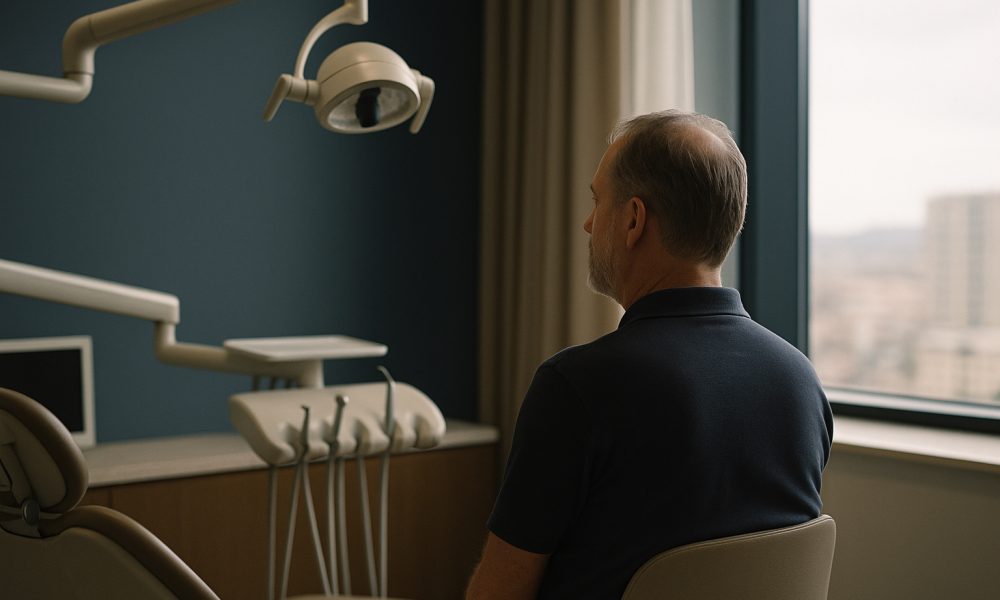
What Dental Bridges is and who it is for
A dental bridge is a restorative dental treatment used to replace one or more missing teeth by literally bridging the gap between two remaining teeth. This procedure is a popular choice for individuals who have lost teeth due to decay, injury, or periodontal disease. Dental bridges can help restore your smile, improve your ability to chew and speak, and maintain the shape of your face. Additionally, they can prevent remaining teeth from drifting out of position.
In Turkey, dental bridges are crafted with precision, often using materials such as porcelain fused to metal, ceramics, or zirconia, which offer durability and a natural appearance. The process typically involves the preparation of the teeth adjacent to the gap, known as abutment teeth, which are reshaped to accommodate the bridge. A customised bridge is then fabricated in a dental laboratory based on impressions taken by your dentist.
The procedure is generally performed under local anaesthesia and does not require an overnight hospital stay. Patients can expect the entire process, from initial consultation to final placement, to take between one to two weeks, depending on the complexity and the type of bridge chosen.
Dental bridges are suitable for individuals seeking a fixed and long-lasting solution to tooth loss. Candidates should have healthy abutment teeth and a strong jawbone structure to support the bridge. The procedure is also ideal for those who want a non-invasive alternative to dental implants, as it does not involve surgery or bone grafting.
It’s important to note that while dental bridges can last many years, they are not permanent. With proper care, including regular dental check-ups and good oral hygiene, a dental bridge can last between 5 to 15 years. Ongoing maintenance is crucial to ensure the longevity of the bridge and the health of the surrounding teeth and gums.
Are you a good candidate?
Determining whether you are a good candidate for a dental bridge involves several factors. Primarily, your dental health and the condition of your remaining teeth play a crucial role. A thorough examination by a dental professional is necessary to ensure that a dental bridge is an appropriate solution for your specific situation.
- Healthy Abutment Teeth: You must have strong, healthy teeth on either side of the gap to support the bridge. If these teeth are weak or decayed, additional treatments may be necessary.
- Good Oral Hygiene: Maintaining excellent oral hygiene is essential for the success of a dental bridge. Candidates should be committed to regular brushing, flossing, and dental check-ups.
- Proper Jawbone Structure: A sufficient jawbone structure is needed to support the abutment teeth and the bridge. Bone loss may require additional procedures.
- Gum Health: Healthy gums are vital. Gum disease must be treated before a bridge can be placed.
- No Severe Bruxism: Individuals who grind their teeth excessively may not be ideal candidates, as this can damage the bridge.
- Non-Smoker or Willing to Quit: Smoking can affect healing and the longevity of the bridge. Non-smokers or those willing to quit have better outcomes.
- Realistic Expectations: Candidates should have a clear understanding of the procedure, its benefits, and its limitations.
If you meet these criteria, you are likely a good candidate for a dental bridge. However, a comprehensive evaluation by a dental professional in Turkey is essential to confirm your suitability for the treatment. During your consultation, all factors, including your dental history and personal preferences, will be considered to tailor the best treatment plan for your needs.
The procedure, step by step
Undergoing a dental bridge procedure in Turkey involves a series of carefully coordinated steps, each designed to ensure the best possible outcome for the patient. Here is a detailed breakdown of the process:
- Initial Consultation: The journey begins with a thorough consultation, either virtually or in-person, with a qualified dentist. During this session, the dentist will review your dental history, discuss your needs and expectations, and conduct an initial examination, often using X-rays or digital scans to assess the condition and structure of your teeth and jaw.
- Preparation of Abutment Teeth: Once a treatment plan is agreed upon, the dentist will prepare the abutment teeth. These are the teeth on either side of the gap that will support the bridge. Typically, a small amount of enamel is removed from these teeth to make room for the crowns that will hold the bridge in place. This step may involve local anaesthesia to ensure comfort.
- Impressions: After the abutment teeth are prepared, the dentist will take an impression of your teeth. This can be done using a traditional putty-like material or a digital scanner. The impression is used to create a model of your mouth, which is essential for crafting a custom-fit bridge. This process ensures that the bridge will fit snugly and comfortably.
- Temporary Bridge Placement: While your permanent bridge is being fabricated in a dental lab, which usually takes one to two weeks, a temporary bridge is placed to protect the exposed teeth and gums. This temporary bridge helps you maintain function and aesthetics while waiting for the permanent solution.
- Fitting the Permanent Bridge: Once the permanent bridge is ready, you will return to the dentist for fitting. The dentist will remove the temporary bridge and place the permanent one, checking for fit and comfort. Adjustments are made as necessary to ensure a proper bite and alignment.
- Cementation: After confirming the fit, the permanent bridge is cemented in place. This step often involves using a special dental cement that provides a strong bond between the bridge and the abutment teeth. The dentist will make final adjustments to ensure a comfortable bite and natural appearance.
Throughout the procedure, the dental team in Turkey will prioritise your comfort and safety, providing guidance and support at each step.
Recovery timeline
Recovering from a dental bridge procedure involves several stages, each with specific expectations and care instructions. Below is a detailed recovery timeline to help you understand what to expect:
| Period | What to expect | Care notes |
|---|---|---|
| Day 1 | Immediately after the procedure, you may experience some numbness and mild discomfort as the anaesthesia wears off. It’s common to notice some sensitivity in the treated area. | Avoid eating until the numbness subsides to prevent biting your tongue or cheek. Stick to soft foods and avoid hot or cold beverages to minimise sensitivity. |
| Days 2-3 | Swelling and tenderness may persist, but these should gradually decrease. You might still experience mild discomfort. | Continue with a soft-food diet. Use over-the-counter pain relief if necessary, and apply a cold compress to reduce swelling. Maintain good oral hygiene, but be gentle around the treated area. |
| Week 1 | The initial discomfort should significantly decrease. You may begin to acclimate to the feel of the bridge in your mouth. | Begin incorporating more solid foods as comfort allows. Continue to brush and floss regularly, paying special attention to cleaning under the bridge. |
| Weeks 2-3 | By this stage, most patients experience minimal discomfort. The bridge should feel more natural, and normal chewing should resume. | Regular dental hygiene practices should be maintained. Use a bridge floss threader or similar tool to clean under the bridge effectively. |
| Month 1 | Full recovery is typically achieved, and the bridge should function like natural teeth. | Continue routine dental care, including regular check-ups to monitor the bridge’s condition. Report any discomfort or issues to your dentist promptly. |
Recovery times can vary depending on individual circumstances, but adhering to these guidelines will help ensure a smooth and successful recovery process.
What it costs: Turkey vs Canada
When considering dental bridges, cost is a significant factor for many patients. In Turkey, dental bridge procedures tend to be more affordable compared to Canada, which is why many Canadians look towards Turkey as a viable option. It’s crucial to understand that these cost differences are often attributed to lower operational costs in Turkey, rather than a compromise in quality.
The following table provides a comparison of indicative price ranges for dental bridges in Turkey and Canada. These figures are meant to serve as a general guide and can vary based on individual cases, the complexity of the procedure, and the specific clinic or dentist chosen.
| Country | Indicative Price Range (CAD) | Typical Inclusions |
|---|---|---|
| Turkey | $1,000 – $3,000 | Consultation, X-rays, Dental Bridge Procedure, Follow-up Care |
| Canada | $2,500 – $5,500 | Consultation, X-rays, Dental Bridge Procedure |
In Turkey, the lower end of the price range generally includes basic materials and a straightforward procedure. As you move towards the higher end, you might find more premium materials or additional services included, such as extended follow-up care or additional diagnostic imaging. In contrast, Canadian prices tend to be higher across the board, with fewer inclusions in the base price.
It’s worth noting that many clinics in Turkey offer comprehensive packages that can include airport transfers, accommodation, and even local tours, making the overall experience more convenient and potentially more cost-effective than undergoing the procedure in Canada. However, patients should carefully review these packages to ensure they meet their specific needs and expectations.
Ultimately, while cost is an important consideration, it should not be the sole factor in deciding where to undergo treatment. Quality of care, the expertise of the dental team, and personal comfort with the chosen provider are equally important in ensuring a successful outcome.
Risks and how accredited providers manage them
Like any medical procedure, dental bridges come with certain risks. These can include complications such as infection, allergic reactions to materials, or issues with the fit and function of the bridge. In Turkey, accredited dental providers are well-equipped to manage these risks, often employing strategies that align with international standards of care.
One of the primary risks associated with dental bridges is infection, which can occur if bacteria enter the site during the procedure. Accredited clinics in Turkey typically mitigate this risk by adhering to strict sterilisation protocols and maintaining a sterile environment. This includes using autoclaved instruments and disposable materials where possible, as well as ensuring that all dental staff are trained in infection control practices.
Allergic reactions, though rare, can occur if a patient is sensitive to the materials used in the bridge. To address this, many clinics conduct thorough pre-treatment assessments, which may include allergy testing or discussions about previous allergic reactions to dental materials. This proactive approach helps to ensure that the materials chosen are safe for the patient.
Another potential risk is poor fit or function of the dental bridge, which can lead to discomfort or further dental issues. Accredited providers in Turkey usually employ advanced imaging technologies such as 3D scans and digital impressions to ensure a precise fit. This technology allows for more accurate planning and execution of the procedure, reducing the likelihood of post-operative issues.
Furthermore, many clinics offer follow-up appointments as part of their treatment packages. These follow-ups allow dentists to monitor the patient’s recovery and address any concerns promptly. If adjustments to the bridge are necessary, they can be made efficiently, ensuring the long-term success of the treatment.
In addition to technical measures, accredited providers in Turkey often focus on patient education, ensuring that patients understand the importance of post-operative care. This includes guidance on maintaining oral hygiene, recognising signs of potential complications, and knowing when to seek further assistance.
Overall, while risks are inherent to dental procedures, choosing an accredited provider in Turkey can significantly mitigate these risks through a combination of advanced technology, strict protocols, and a focus on patient-centred care. As always, patients are encouraged to discuss potential risks and management strategies with their chosen provider to make informed decisions about their treatment.
How to choose the right provider
Choosing the right provider for your dental bridge treatment in Turkey is a crucial step in ensuring a successful outcome. Begin by checking for accreditation. Reputable clinics in Turkey are often accredited by international bodies such as the Joint Commission International (JCI) or the European Society for Quality in Healthcare (ESQH). These accreditations ensure that the clinic adheres to international standards of quality and safety.
The experience of the dental surgeons is another vital factor. Look for professionals who have a proven track record in performing dental bridge procedures. Ideally, they should have at least 10 years of experience and have completed numerous similar treatments. Many clinics provide detailed profiles of their dentists, including education, specialties, and patient reviews, which can be invaluable resources.
Aftercare is an essential part of the treatment process. Ensure that the clinic offers comprehensive aftercare services, including follow-up appointments, emergency contacts, and guidance on oral hygiene practices. Some clinics may offer remote consultations after you return home, which can be beneficial for addressing any concerns that might arise post-treatment.
Be wary of red flags such as lack of transparency about costs or qualifications, poor communication, or pressure to make quick decisions. Legitimate clinics will provide a detailed breakdown of costs, including the procedure, materials used, and any additional services. Indicative cost ranges for dental bridges in Turkey typically fall between £250 and £1,000 per unit, depending on materials and complexity.
Lastly, read patient reviews and testimonials. While reviews should not be the sole deciding factor, they can provide insight into the experiences of previous patients. Look for consistent themes in reviews, both positive and negative, to form a balanced view of the clinic’s reputation.
Planning your trip
Planning your trip to Turkey for dental bridge treatment requires careful consideration of several factors to ensure a smooth experience. Ideally, begin planning at least two to three months before your intended travel date. This allows ample time for research, consultations, and securing necessary documents.
Ensure that your passport is valid for at least six months beyond your travel dates. Some patients may require a visa to enter Turkey, which can typically be obtained online through the Turkish e-Visa system. Confirm any visa requirements specific to Canadian citizens well in advance.
Coordinate with your chosen clinic to establish a treatment timeline. Generally, you should plan for a stay of about one to two weeks in Turkey. This duration allows for initial consultations, the dental procedure, and a short recovery period. The exact length of stay may vary depending on the complexity of your case and the type of dental bridge being fitted.
Consider arranging accommodations close to the clinic to minimise travel stress. Many clinics have partnerships with local hotels and may offer discounted rates for patients. Additionally, check whether the clinic provides airport transfers or local transportation services as part of their package.
Aftercare planning is crucial. Discuss follow-up care with your dentist and arrange for a local dental professional in Canada to handle any necessary follow-up appointments once you return home. This ensures continuity of care and addresses any potential complications early.
Finally, budget for potential additional expenses such as meals, transportation, and leisure activities. While the indicative cost for dental bridges in Turkey ranges from £250 to £1,000 per unit, consider setting aside extra funds for unforeseen expenses to ensure a stress-free experience.
Frequently Asked Questions
What are the costs of dental bridges in Turkey?
The cost of dental bridges in Turkey can vary depending on the materials used and the complexity of the procedure. Typically, you can expect to pay between £250 and £1,000 per unit. This range is indicative and may include additional services such as consultations, X-rays, and aftercare. It's important to obtain a detailed quote from your chosen clinic to understand what is included in the price and to budget for any potential additional expenses.
Is it safe to get dental treatment in Turkey?
Yes, many clinics in Turkey are internationally accredited and adhere to high standards of quality and safety. It's crucial to choose a reputable clinic with experienced dental professionals. Look for accreditations from bodies like the Joint Commission International (JCI) and check patient reviews for insights into the clinic's reputation. By doing thorough research and selecting a trusted provider, you can ensure a safe and successful dental treatment experience.
How do I verify the credentials of a dental surgeon in Turkey?
You can verify the credentials of a dental surgeon by checking their education background, years of experience, and any professional affiliations. Reputable clinics often provide detailed profiles of their dentists, including certifications and specialisations. Additionally, you can look for international accreditations such as those from the Joint Commission International (JCI) and read patient reviews to gain confidence in their qualifications.
What should I do if I experience complications after returning home?
If you experience complications after returning home, contact the clinic where you received the treatment immediately for advice. They may offer remote consultations to assist you. Additionally, arrange to see a local dentist in Canada who can provide in-person care and address any issues. It's important to have a follow-up plan in place before you travel to ensure continuity of care.
How long should I plan to stay in Turkey for dental treatment?
For dental bridge treatment, plan to stay in Turkey for approximately one to two weeks. This period allows for initial consultations, the procedure itself, and a short recovery phase. The exact duration may vary based on the complexity of your case and any additional treatments you may require. It's advisable to confirm the timeline with your chosen clinic before making travel arrangements.
What documents do I need to travel to Turkey for dental treatment?
To travel to Turkey for dental treatment, ensure you have a valid passport with at least six months' validity beyond your travel dates. Depending on your nationality, you may also need a visa, which can often be obtained online through the Turkish e-Visa system. It's important to check visa requirements specific to Canadian citizens and gather any medical documents or records that may be required by your chosen clinic.
Can I use my Canadian dental insurance in Turkey?
Most Canadian dental insurance policies do not cover procedures performed abroad. However, it's worth checking with your insurance provider as some may offer coverage for international treatments under specific plans. If your insurance does not cover treatment in Turkey, you will need to budget for the full cost of the procedure out of pocket. Be sure to obtain a detailed quote from the clinic to help with financial planning.
What types of dental bridges are available in Turkey?
In Turkey, you can find a variety of dental bridges, including traditional bridges, cantilever bridges, Maryland bonded bridges, and implant-supported bridges. The choice of bridge depends on your specific dental needs and the recommendation of your dentist. Each type has its own advantages and considerations, so discussing options with a qualified dental professional is essential to determine the best solution for your situation.
How do I arrange for follow-up care after my treatment in Turkey?
Before traveling to Turkey, discuss follow-up care with both your Turkish dentist and a local dentist in Canada. Arrange for a local dental professional to handle any necessary follow-up appointments once you return home. This ensures continuity of care and addresses any potential complications early. Many clinics in Turkey also offer remote consultations to assist with aftercare, providing an additional layer of support.
What should I expect during the initial consultation in Turkey?
During the initial consultation in Turkey, expect a thorough dental examination, which may include X-rays and an assessment of your oral health. The dentist will discuss your treatment options, recommend the best type of dental bridge for your needs, and provide a detailed plan including costs and timelines. This consultation is an opportunity to ask questions and ensure you are comfortable with the proposed treatment plan.
Are language barriers a concern when seeking dental treatment in Turkey?
Most reputable dental clinics in Turkey cater to international patients and have staff proficient in English. However, it's always a good idea to confirm language capabilities when you contact the clinic. Some clinics offer translation services to ensure clear communication throughout your treatment. If you have concerns about language barriers, discuss them with the clinic beforehand to ensure a smooth experience.
What are the payment options for dental treatment in Turkey?
Payment options for dental treatment in Turkey typically include cash, credit cards, and sometimes bank transfers. Some clinics may offer payment plans or financing options to help manage costs. It's important to confirm the accepted payment methods and any potential fees for international transactions before you travel. Be sure to also obtain a detailed cost estimate from the clinic to understand the financial commitment involved.