
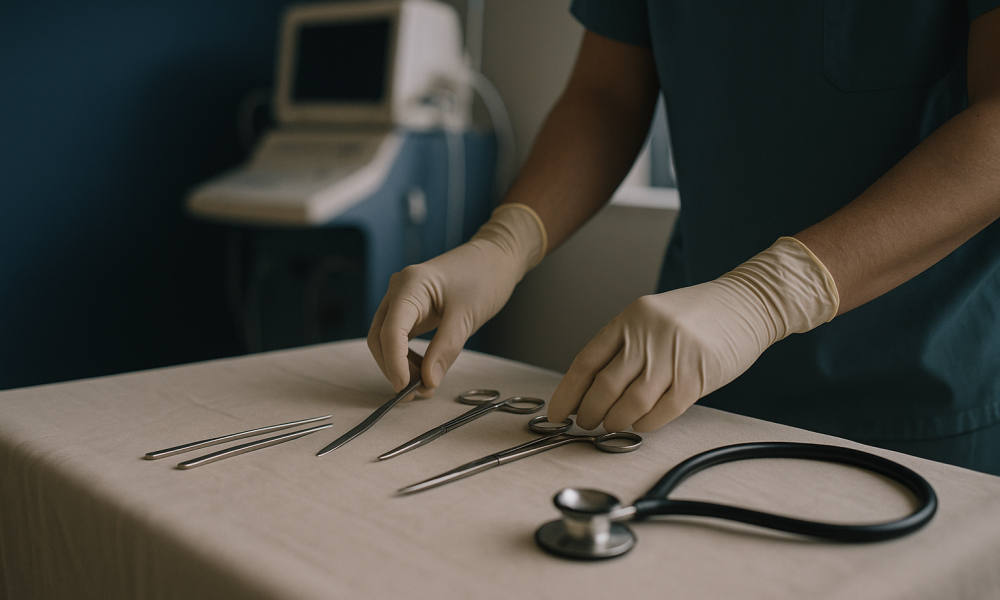
The Process: Varicose Vein Laser Treatment in Turkey, step by step
- Enquiry: The journey begins with an initial enquiry, where patients contact the healthcare provider through various channels such as phone, email, or an online form. During this stage, patients can ask questions about the procedure, discuss their symptoms, and understand the potential benefits of undergoing varicose vein laser treatment in Turkey.
- Assessment: Following the initial enquiry, a detailed medical assessment is conducted. This typically involves a review of the patient’s medical history, a physical examination, and possibly an ultrasound to evaluate the extent of the varicose veins. This assessment helps in creating a personalised treatment plan tailored to the patient’s specific needs.
- Travel Arrangements: Once the assessment is complete and the patient is deemed suitable for treatment, travel arrangements to Turkey are made. This includes booking flights, arranging accommodation, and scheduling hospital visits. Many clinics offer assistance with these logistics to ensure a smooth experience for international patients.
- Treatment Days: Upon arrival in Turkey, patients meet with their medical team for a pre-procedure consultation. The varicose vein laser treatment is typically performed on an outpatient basis, using local anaesthesia. The procedure involves inserting a laser fibre into the affected vein, which emits energy to seal the vein shut.
- Discharge: After the procedure, patients are monitored briefly before being discharged on the same day. They receive post-operative instructions, including guidance on wearing compression stockings and avoiding strenuous activities for a few days. Follow-up appointments are scheduled to ensure proper healing.
- Follow-up: Follow-up care is crucial to monitor the success of the treatment and address any concerns. Patients may have a series of follow-up appointments, either in-person or via telemedicine, to track progress and ensure optimal recovery.
What Varicose Vein Laser Treatment is and who it is for
Varicose vein laser treatment, also known as endovenous laser therapy (EVLT), is a minimally invasive procedure designed to treat varicose veins, which are swollen, twisted veins often visible just under the surface of the skin. These veins primarily occur in the legs and are caused by weakened or damaged valves within the veins. This condition can lead to discomfort, pain, and in some cases, more serious health issues such as ulcers or blood clots.
The laser treatment involves the use of a thin laser fibre inserted into the affected vein through a small incision. The laser emits heat that causes the vein to collapse and seal shut, redirecting blood flow to healthier veins. Over time, the treated vein is absorbed by the body, reducing the appearance of varicose veins and alleviating symptoms.
This procedure is suitable for individuals experiencing symptoms such as aching legs, swelling, skin changes, or ulcers due to varicose veins. It is particularly beneficial for those seeking a less invasive alternative to traditional vein stripping surgery. Candidates for this procedure typically undergo a thorough evaluation to ensure they are suitable for laser treatment.
Varicose vein laser treatment is well-regarded for its high success rate, minimal downtime, and the relatively quick recovery it offers. It is an appealing option for patients looking to improve both the aesthetic appearance of their legs and their overall vascular health. The procedure is typically performed on an outpatient basis, allowing patients to return to their normal activities shortly after treatment, with most experiencing significant symptom relief and improved leg appearance.
Are you a candidate? Criteria and preparation
Determining whether you are a suitable candidate for varicose vein laser treatment requires a thorough evaluation by a qualified healthcare provider. This assessment typically includes a detailed medical history, physical examination, and potentially imaging studies such as a duplex ultrasound to evaluate the blood flow and structure of the veins. The following criteria are generally considered when assessing candidacy:
- Severity of Symptoms: Candidates typically experience significant symptoms such as pain, swelling, heaviness, or skin changes in the affected area. Those with cosmetic concerns alone may also be considered, but the treatment is often prioritised for those with more severe symptoms.
- Overall Health: Patients should generally be in good health and able to tolerate the procedure, which is minimally invasive but still requires a degree of physical resilience.
- Absence of Contraindications: Conditions such as deep vein thrombosis, certain cardiovascular issues, or pregnancy may contraindicate the procedure.
- Commitment to Follow-Up Care: Successful candidates should be willing to adhere to post-procedure care instructions and attend follow-up appointments to ensure the best outcome.
Preparation for the procedure involves several steps to ensure the patient’s safety and the effectiveness of the treatment. Patients should:
- Consultation: Attend a detailed consultation to discuss medical history, current medications, and allergies. This helps tailor the treatment plan to individual needs.
- Imaging Studies: Undergo necessary imaging studies such as duplex ultrasound to map the vein anatomy and plan the procedure accurately.
- Medication Adjustments: Follow specific instructions regarding medication use, particularly anticoagulants, as these may need to be paused to reduce the risk of bleeding.
- Compression Stockings: Acquire and learn to use compression stockings, which are often required post-procedure to aid in recovery and optimise results.
- Pre-procedure Instructions: Follow any additional pre-procedure instructions provided by the healthcare provider, which may include dietary restrictions or modifications in daily routines.
By adhering to these criteria and preparation steps, patients can optimise their candidacy for varicose vein laser treatment and enhance the likelihood of a successful outcome.
Techniques and options available in Turkey
Turkey offers a range of advanced techniques for varicose vein laser treatment, capitalising on the country’s robust healthcare infrastructure and skilled professionals. The primary technique utilised is Endovenous Laser Therapy (EVLT), a minimally invasive procedure that effectively treats varicose veins with high rates of success and patient satisfaction. This technique employs laser energy to seal affected veins, redirecting blood flow to healthier veins and alleviating symptoms.
Patients in Turkey benefit from the use of state-of-the-art laser technology, which offers precision and reduced recovery time compared to traditional surgical methods. The procedure is typically performed under local anaesthesia, and patients often experience minimal discomfort. The following are key aspects of the techniques and options available:
- Endovenous Laser Ablation (EVLA): This is the most common laser treatment for varicose veins in Turkey. It involves the insertion of a thin laser fibre into the vein through a small incision. Laser energy is applied to the vein wall, causing it to collapse and seal shut. This method is known for its efficacy and safety, with a low risk of complications.
- Advanced Imaging Techniques: Clinics in Turkey utilise advanced imaging techniques such as duplex ultrasound to guide the procedure. This ensures precise delivery of laser energy and maximises treatment success.
- Combination Therapies: In some cases, laser treatment may be combined with other therapies, such as sclerotherapy, to address smaller spider veins or residual varicose veins. This comprehensive approach can enhance cosmetic outcomes and symptom relief.
- Customised Treatment Plans: Each patient’s condition is unique, and Turkish clinics emphasise tailored treatment plans that consider individual vein anatomy and patient needs. This personalised approach ensures optimal results and patient satisfaction.
- Post-Procedure Care: Patients receive detailed post-procedure care instructions to promote healing and prevent complications. This often includes the use of compression stockings, activity modifications, and follow-up appointments to monitor progress.
Overall, the techniques and options available in Turkey for varicose vein laser treatment are characterised by their modernity, efficacy, and patient-centred approach. International patients can expect high standards of care, competitive pricing, and the expertise of experienced healthcare professionals dedicated to achieving the best possible outcomes.
Recovery and aftercare timeline
Understanding the recovery and aftercare timeline for varicose vein laser treatment is crucial for international patients considering this procedure in Turkey. The recovery process is generally smooth, but patients should be aware of the stages involved and the care required at each stage to ensure optimal results.
| Period | What to Expect | Care Notes |
|---|---|---|
| First 24 Hours | Immediately following the procedure, patients may experience mild discomfort, bruising, and swelling in the treated area. Compression stockings are typically worn to aid circulation and reduce swelling. | Rest is recommended, and patients should keep their legs elevated when sitting or lying down. Over-the-counter pain relief can be used if necessary, and compression stockings should be worn continuously as advised by the healthcare provider. |
| First Week | During the first week, bruising and swelling will gradually subside. Patients may notice some skin discolouration or a sensation of tightness in the legs. | It is important to continue wearing compression stockings during the day and remove them only when bathing or sleeping. Light walking is encouraged to promote blood flow, but strenuous activities should be avoided. |
| 2-4 Weeks | By this stage, most patients will see a significant reduction in swelling and bruising. The treated veins may feel hard and tender, indicating the natural healing process. | Patients should continue to follow their provider’s guidance on wearing compression stockings. They may gradually resume normal activities but should still avoid heavy lifting or extended periods of standing. |
| 4-6 Weeks | The majority of the discomfort and visible signs of treatment should have resolved. Patients can expect the full benefits of the procedure to become more apparent. | Follow-up appointments with the healthcare provider are essential to monitor healing and address any concerns. Patients can usually stop wearing compression stockings unless advised otherwise. |
| 6 Weeks and Beyond | By this time, the final results are typically visible, with a significant improvement in the appearance of treated veins. Any remaining tenderness or hardness should continue to diminish. | Patients should maintain a healthy lifestyle to prevent the recurrence of varicose veins. This includes regular exercise, a balanced diet, and avoiding long periods of inactivity. |
Overall, the recovery process from varicose vein laser treatment is manageable with proper care and adherence to medical advice. Patients are encouraged to maintain open communication with their healthcare providers to ensure a smooth recovery.
Risks, safety and how accredited Turkish providers manage them
Varicose vein laser treatment, like any medical procedure, carries certain risks. However, accredited Turkish healthcare providers implement rigorous safety protocols to minimise these risks and ensure patient safety. Understanding the potential risks and how they are managed can help patients make informed decisions about their treatment.
Common risks associated with varicose vein laser treatment include skin burns, changes in skin colour, nerve damage, and blood clots. Although these complications are rare, Turkish healthcare providers take extensive measures to mitigate them. For instance, the use of advanced laser technology and equipment that meets international standards significantly reduces the likelihood of skin burns and other laser-related injuries.
Accredited clinics in Turkey employ highly trained and experienced professionals who follow strict procedural protocols. These include comprehensive pre-treatment assessments to determine the suitability of patients for the procedure. During these assessments, factors such as the patient’s medical history, the severity of varicose veins, and any potential contraindications are thoroughly evaluated.
To prevent nerve damage, precise laser application techniques are employed, ensuring that the laser energy targets only the affected veins without affecting surrounding tissues. Moreover, continuous monitoring during the procedure allows for immediate adjustments if necessary, further enhancing safety.
Post-procedure, the risk of blood clots is managed through the use of compression stockings and encouraging patients to engage in light physical activity. These measures promote healthy blood circulation and reduce the risk of clot formation. Additionally, follow-up appointments are scheduled to monitor the patient’s recovery and promptly address any arising issues.
Accredited Turkish clinics also emphasise patient education, ensuring that individuals are fully informed about the procedure, potential risks, and aftercare requirements. This education empowers patients to actively participate in their recovery and adhere to recommended care guidelines, further minimising risks.
In terms of infection control, Turkish healthcare facilities adhere to stringent hygiene and sterilisation standards. This includes the use of sterile instruments, strict hand hygiene protocols, and maintaining a clean and safe environment throughout the treatment process.
Overall, while varicose vein laser treatment carries inherent risks, the proactive management strategies employed by accredited Turkish providers significantly enhance patient safety. By choosing a reputable clinic with a track record of successful outcomes, international patients can confidently undergo treatment with the assurance of receiving high-quality care.
Choosing the Right Provider in Turkey
When considering varicose vein laser treatment in Turkey, selecting the right provider is crucial to ensuring a safe and successful experience. Turkey has a robust healthcare system with numerous accredited facilities offering high-quality care. Accreditation from international bodies such as the Joint Commission International (JCI) is a significant indicator of a clinic’s commitment to maintaining high standards. Patients should verify that the clinic is accredited by reputable organizations, which ensures adherence to international safety and quality guidelines.
In addition to accreditation, the experience and qualifications of the surgeon are pivotal factors. Prospective patients should seek surgeons who are board-certified and have extensive experience in performing varicose vein laser treatments. It is advisable to request information about the surgeon’s training, years of practice, and the number of procedures they have successfully completed. A well-experienced surgeon is more likely to handle complications effectively and deliver satisfactory results.
Patients should also be aware of potential red flags when selecting a provider. Avoid clinics that make unrealistic promises or guarantee specific outcomes, as these are typically unethical practices in medicine. Transparency about potential risks and realistic outcomes is a hallmark of reputable clinics. Additionally, be wary of clinics that lack clear communication, have unprofessional staff, or pressure you into making quick decisions.
Researching patient reviews and testimonials can provide valuable insights into the experiences of others and the clinic’s reputation. However, it is important to critically evaluate these reviews, considering that some may be biased or not reflective of the clinic’s overall quality. Engaging in a consultation before committing to treatment can also help assess the provider’s professionalism and the facility’s environment.
Lastly, ensure the clinic offers comprehensive aftercare services. Post-treatment care is vital for monitoring recovery and managing any complications that may arise. A clinic that provides thorough follow-up care demonstrates dedication to patient well-being and long-term results.
Varicose Vein Laser Treatment Cost in Turkey
The cost of varicose vein laser treatment in Turkey is significantly lower compared to many Western countries, making it an attractive option for international patients. Below is a table comparing indicative price ranges for the procedure across different countries:
| Country | Indicative Price Range (in USD) |
|---|---|
| Turkey | $1,500 – $3,000 |
| United Kingdom | $4,000 – $6,500 |
| United States | $5,000 – $8,000 |
| Germany | $4,500 – $7,000 |
| Australia | $4,800 – $7,200 |
| Canada | $4,500 – $7,500 |
The cost of treatment in Turkey often includes all-inclusive packages, which cover various aspects such as pre-operative consultations, the procedure itself, post-operative care, accommodation, and airport transfers. These comprehensive packages are designed to ensure a seamless and stress-free experience for patients traveling from abroad.
Several factors can influence the cost of varicose vein laser treatment in Turkey. The complexity of the case, the number of veins requiring treatment, the technology used, and the clinic’s location and reputation can all impact the final price. It is essential for patients to obtain detailed quotes from multiple providers, ensuring that all costs are clearly itemized. This transparency helps in understanding what is included in the price and avoids unexpected expenses.
When reviewing quotes, patients should pay attention to the breakdown of costs and verify that there are no hidden fees. A reputable clinic will provide a clear and comprehensive quote, outlining all components of the treatment and associated services. Additionally, it is advisable to inquire whether follow-up care is included in the package, as this is an important part of the recovery process.
By thoroughly researching and comparing options, patients can find a provider that offers quality care at an affordable price, making varicose vein laser treatment in Turkey a viable and attractive option for those seeking cost-effective solutions.
Frequently Asked Questions
How much does varicose vein laser treatment cost in Turkey?
Varicose vein laser treatment in Turkey typically costs between $1,500 and $3,000. This price range is indicative and can vary based on factors such as the complexity of the case and the clinic's location. All-inclusive packages often cover additional services like accommodation and transfers.
Are there any hidden costs in the treatment packages?
Reputable clinics in Turkey usually provide transparent pricing with no hidden costs. Patients should receive a detailed breakdown of what the package includes, such as pre- and post-operative care, accommodation, and airport transfers. It's important to ask for clarity on any additional potential expenses.
Is varicose vein laser treatment safe in Turkey?
Yes, varicose vein laser treatment is generally safe in Turkey, especially when conducted in accredited clinics by experienced surgeons. Clinics with international accreditation adhere to stringent safety standards. Patients should ensure their chosen provider has a strong track record and professional credentials.
What should I look for in a varicose vein treatment provider?
Look for a provider with international accreditation, experienced and board-certified surgeons, and positive patient reviews. Ensure the clinic offers comprehensive aftercare services and transparent communication about treatment risks and outcomes.
How can I verify a clinic's accreditation in Turkey?
You can verify a clinic's accreditation by checking with international bodies like the Joint Commission International (JCI). Accredited clinics usually display their credentials on their websites, or you can inquire directly with the clinic for verification.
What factors influence the cost of the treatment?
The cost can be influenced by the complexity of the case, the number of veins treated, the technology used, and the clinic's reputation and location. It's important to obtain detailed quotes to understand what is included in the price.
What is included in all-inclusive treatment packages?
All-inclusive packages typically cover pre-operative consultations, the procedure itself, post-operative care, accommodation, and airport transfers. These packages are designed to provide a comprehensive and hassle-free experience for international patients.
How long is the recovery period after the treatment?
Recovery from varicose vein laser treatment is generally quick, with many patients returning to normal activities within a few days. However, full recovery can take a few weeks, during which patients should follow post-operative care instructions provided by their healthcare provider.
Can I travel immediately after my treatment?
It's advisable to wait for a few days after treatment before traveling, especially long distances. This allows for initial recovery and monitoring for any immediate post-procedure complications. Always follow the advice of your healthcare provider regarding travel plans.
What are the potential risks or side effects of the treatment?
Potential risks include bruising, swelling, skin discoloration, and, in rare cases, deep vein thrombosis or nerve injury. Choosing an experienced and qualified surgeon can minimize these risks. Discuss potential side effects with your provider before undergoing treatment.
Will I need follow-up visits after the treatment?
Yes, follow-up visits are important to monitor healing and address any complications. Many clinics include follow-up care as part of their treatment packages, ensuring that patients receive comprehensive support throughout their recovery.
How can I ensure I'm choosing the right surgeon for my treatment?
Research the surgeon's qualifications, experience, and patient reviews. Choose a board-certified surgeon with extensive experience in varicose vein treatments. A pre-treatment consultation can also help assess the surgeon's expertise and your comfort level with them.