
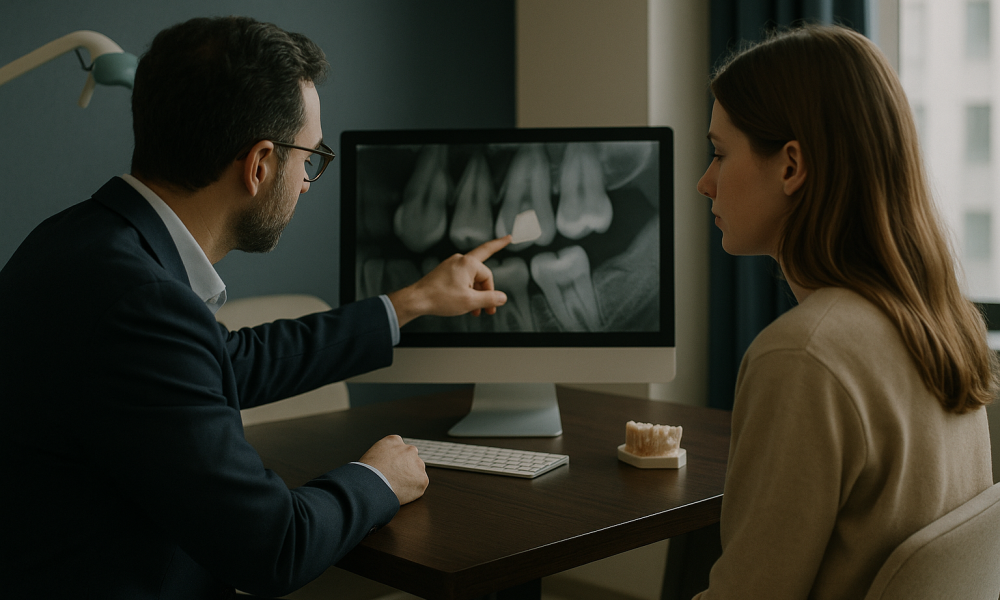
What Inlays and Onlays is and who it is for
Inlays and onlays are dental restoration techniques used to repair teeth with moderate decay or damage that is too extensive for a simple filling but not severe enough to require a crown. These restorations are typically made from materials such as porcelain, composite resin, or gold, with porcelain being the most popular choice due to its natural tooth-like appearance. The primary goal of inlays and onlays is to restore the tooth’s function and integrity while maintaining its aesthetic appeal.
An inlay is used to repair the area within the cusps of the tooth, the raised points on the biting surface, while an onlay covers one or more cusps or the entire biting surface. The choice between an inlay and an onlay depends on the extent of the tooth damage. Both procedures are minimally invasive compared to crowns as they require less removal of the healthy tooth structure.
This treatment is suitable for individuals who have large cavities or old fillings that need replacement, particularly on the molars and premolars. It’s also ideal for those who want a durable solution that mimics the natural appearance of their teeth. The process generally involves two visits to the dentist: the first to remove the decay and take an impression of the tooth, and the second to fit and bond the custom-made inlay or onlay. This approach ensures a precise fit and a long-lasting restoration.
Turkey has become a popular destination for dental treatments due to its high-quality services and competitive pricing. Patients can expect to pay between £200 and £500 per tooth for inlays and onlays, which is significantly lower than the costs in the United States. This affordability, combined with the expertise of Turkish dental professionals and modern facilities, makes Turkey an attractive option for those seeking dental care.
Are you a good candidate?
Determining whether you are a suitable candidate for inlays or onlays involves evaluating the condition of your teeth and your overall dental health. This procedure is ideal for patients who have suffered moderate tooth decay or damage but have sufficient healthy tooth structure remaining. Here are some criteria to consider:
- Extent of Decay: Suitable candidates have decay or damage that is too extensive for a filling but not severe enough to necessitate a crown.
- Location of Damage: Ideal for back teeth (molars and premolars) that endure significant chewing pressure.
- Existing Fillings: Patients with large, failing fillings may benefit from the added strength of inlays or onlays.
- Overall Dental Health: Good candidates should have healthy gums and sufficient bone structure to support the restoration.
- Aesthetic Concerns: Those seeking a natural-looking restoration that blends seamlessly with their existing teeth.
- Allergies: Not suitable for individuals allergic to the materials used, although alternative materials can sometimes be considered.
If you meet these criteria, inlays and onlays can be an excellent option for restoring your smile and dental functionality. However, a comprehensive dental examination is necessary to confirm your suitability for the procedure. Consulting with a dental professional in Turkey can provide you with a detailed assessment and personalised treatment plan.
It’s important to consider that while inlays and onlays offer a durable solution, maintaining good oral hygiene and regular dental check-ups are crucial to the longevity of these restorations. Ensuring you are a good candidate not only improves the likelihood of a successful outcome but also enhances your overall dental health.
The procedure, step by step
Undergoing inlay or onlay treatment is a meticulous process that generally requires two visits to the dental clinic. Here is a detailed step-by-step guide to what you can expect during the procedure:
- Initial Consultation and Examination: The process begins with a comprehensive dental examination. Your dentist will discuss your dental history and perform a thorough examination of your teeth. X-rays may be taken to assess the extent of decay or damage.
- Tooth Preparation: Once the decision is made to proceed with an inlay or onlay, the dentist will prepare the affected tooth. This involves removing any decay or old filling material. The area is cleaned thoroughly to ensure a solid foundation for the restoration.
- Impression Taking: After preparation, a detailed impression of the tooth is taken using a dental putty or a digital scanner. This impression is crucial for crafting a custom-fit inlay or onlay that matches your tooth’s contours precisely.
- Temporary Restoration: A temporary filling may be placed on the prepared tooth to protect it while the inlay or onlay is being manufactured. This temporary solution helps maintain tooth integrity and prevents sensitivity.
- Laboratory Fabrication: The dental impression is sent to a laboratory where skilled technicians create the inlay or onlay. Typically, this process takes about 1 to 2 weeks. The inlay or onlay is crafted from materials like porcelain, composite resin, or gold, chosen based on the tooth’s location and aesthetic considerations.
- Second Visit – Fitting and Bonding: Once the inlay or onlay is ready, you will return to the clinic. The dentist will remove the temporary filling and check the fit of the new inlay or onlay. Adjustments may be made to ensure a perfect fit before it is permanently bonded to the tooth using a special adhesive.
- Final Adjustments and Polishing: After bonding, the restoration is polished to ensure a smooth surface and a natural appearance. The dentist will check your bite to ensure that the inlay or onlay aligns correctly with opposing teeth.
This procedure is designed to restore the tooth’s function and aesthetics while preserving as much of the natural tooth structure as possible. It is important for patients to follow post-procedure care instructions to ensure optimal results.
Recovery timeline
Recovering from an inlay or onlay procedure is generally straightforward, but it is important to follow specific care instructions to ensure a smooth healing process. Here is a typical recovery timeline:
| Period | What to Expect | Care Notes |
|---|---|---|
| Day 1 – Immediately After Procedure | Some mild discomfort and sensitivity, especially to hot and cold temperatures. The mouth may feel numb due to local anaesthesia. | Avoid eating until the numbness wears off to prevent accidental biting of the cheek or tongue. Stick to soft foods and avoid chewing on the side of the mouth with the new inlay/onlay. |
| Days 2-3 | Sensitivity may persist, but discomfort should begin to decrease. Some patients experience minor gum soreness around the treated tooth. | Continue with soft foods and avoid hard or sticky foods. Use a soft-bristled toothbrush and non-abrasive toothpaste to clean teeth gently. |
| Week 1 | The tooth should start feeling more comfortable. Any initial sensitivity should diminish significantly. | Resume regular oral hygiene practices, but continue to be gentle around the treated area. If sensitivity persists, consider using toothpaste designed for sensitive teeth. |
| Weeks 2-4 | Full adjustment to the inlay/onlay should occur. The tooth should function normally with no discomfort. | Regular dental hygiene is important. Attend follow-up appointments if scheduled to ensure the restoration is functioning correctly. |
| 1 Month and Beyond | The inlay or onlay should feel completely natural, with no sensitivity or discomfort. | Maintain regular dental check-ups every 6 months to monitor the health of your teeth and the integrity of the restoration. |
Overall, the recovery from an inlay or onlay procedure is relatively quick, with most patients returning to normal activities within a few days. However, maintaining good oral hygiene and attending follow-up appointments is crucial for long-term success.
What it costs: Turkey vs the United States
When considering inlays and onlays, cost is a significant factor for many patients. Understanding the financial implications in Turkey compared to the United States can help in making an informed decision. The cost of dental procedures often varies based on the complexity of the treatment, materials used, and the expertise of the dental professional. Here, we provide a comparative overview of indicative price ranges and what typical packages may include in both countries.
| Country | Indicative Cost Range (USD) | Package Inclusions |
|---|---|---|
| Turkey | $300 – $700 per inlay/onlay |
|
| United States | $800 – $2,000 per inlay/onlay |
|
These figures are indicative and can vary based on individual clinic policies and the specifics of the dental work required. In Turkey, the cost advantage is often attributed to lower operational expenses and favourable exchange rates. Furthermore, packages in Turkey frequently include additional services such as accommodation and transportation, which can significantly enhance the overall value for international patients.
It is crucial to verify what is included in any quoted price, especially when comparing international treatment options. Patients should inquire about any potential additional costs, such as medication, further diagnostic tests, or extended stays, to ensure there are no unexpected expenses.
Risks and how accredited providers manage them
As with any dental procedure, inlays and onlays carry certain risks. Understanding these risks and how they are managed by accredited providers in Turkey is essential for patients considering treatment abroad. Common risks associated with inlays and onlays include tooth sensitivity, allergic reactions to materials, and in rare cases, improper fit or failure of the restoration.
To mitigate these risks, accredited dental providers in Turkey adhere to rigorous standards and protocols. Here’s how they manage potential complications:
- Comprehensive Assessment: Before any procedure, a thorough assessment is conducted, including digital imaging and diagnostics, to ensure the suitability of inlays or onlays for the patient’s dental condition.
- Material Selection: High-quality materials are chosen to minimise the risk of allergic reactions and ensure the durability of the restoration. Patients are often consulted about material preferences, especially if they have known allergies.
- Experienced Practitioners: Accredited clinics employ experienced dentists who specialise in restorative dentistry, ensuring that procedures are performed with precision.
- Hygiene and Sterilisation: Clinics maintain strict hygiene protocols to prevent infections. This includes the sterilisation of all instruments and the use of disposable materials where possible.
- Patient Education: Providers educate patients about post-procedure care to minimise the risk of complications such as sensitivity or restoration failure. This often includes guidance on oral hygiene practices and dietary recommendations.
- Follow-up Care: Accredited providers offer comprehensive follow-up care to monitor the success of the inlays or onlays and address any issues promptly. This includes scheduled check-ups and the availability of aftercare support.
While no medical procedure is entirely risk-free, the measures taken by reputable clinics in Turkey significantly reduce the likelihood of complications. Patients are encouraged to choose providers with recognised accreditations and to discuss any concerns with their dental professionals. This proactive approach helps ensure a safe and satisfactory treatment experience.
How to choose the right provider
Choosing the right provider for your inlay or onlay procedure in Turkey is crucial for ensuring a safe and successful outcome. Begin by confirming the clinic’s accreditation. Look for certifications from reputable international bodies, such as the Joint Commission International (JCI) or the International Organization for Standardization (ISO), which indicate adherence to high-quality standards.
Surgeon experience is another pivotal factor. Research the dentist’s or oral surgeon’s qualifications, focusing on their specialisation in restorative dentistry and experience with inlays and onlays. A provider with at least five to ten years of experience and a substantial number of procedures performed is preferable. Ask for before-and-after photos of previous patients to assess their work quality.
Aftercare services are essential for a smooth recovery. Ensure the provider offers comprehensive post-operative care, including follow-up consultations and emergency contact options. Inquire about their communication channels and availability in case you have concerns after returning home.
Be wary of red flags during your research. Avoid clinics that guarantee specific outcomes or those that lack transparent pricing. A reputable provider will offer a clear, indicative range of costs, typically between £200 and £500 per tooth, depending on the material used and the complexity of the procedure.
Furthermore, patient reviews and testimonials can offer valuable insights into a clinic’s reliability and patient satisfaction. Look for consistent positive feedback and a track record of successful treatments. If possible, connect with past patients through forums or social media to hear about their firsthand experiences.
Ultimately, choosing the right provider involves thorough research and a balanced consideration of accreditation, experience, aftercare, and patient feedback. By taking these steps, you can feel confident in your decision and focus on a successful dental treatment journey in Turkey.
Planning your trip
Planning your trip for an inlay or onlay procedure in Turkey involves several key steps to ensure a smooth experience. Start by establishing a timeline. It’s advisable to begin your research and consultation process at least three to six months before your intended travel date. This timeframe allows for thorough research, consultations, and any preliminary dental work needed before your procedure.
Ensure all necessary documents are in order. A valid passport is essential, and depending on your nationality, you may require a visa to enter Turkey. Check the latest visa requirements on the Turkish consulate’s website. Additionally, coordinate with your chosen clinic to prepare any medical records or dental X-rays they might need to review your case beforehand.
The typical length of stay for inlay or onlay treatment varies. Plan for at least a one-week stay to accommodate initial consultations, the procedure itself, and follow-up appointments. This duration allows for flexibility in case of adjustments or unforeseen delays.
Consider the logistics of your stay. Book accommodations close to your clinic to minimise travel stress. Many clinics offer packages that include transportation and hotel arrangements, which can simplify your planning process.
After your procedure, arrange for follow-up care once back home. Discuss with your provider the expected recovery timeline and any specific follow-up requirements. They might recommend a local dentist in your area for check-ups, ensuring continuity of care.
Budgeting is also a crucial aspect of planning. The cost of inlay or onlay procedures in Turkey typically ranges from £200 to £500 per tooth. Factor in additional expenses such as travel, accommodation, and daily living costs. It’s wise to have contingency funds for unexpected situations.
By carefully planning each aspect of your trip, from documentation to aftercare, you can ensure a seamless and stress-free dental treatment experience in Turkey.
Frequently Asked Questions
What is the typical cost of inlays and onlays in Turkey?
The cost of inlays and onlays in Turkey typically ranges from £200 to £500 per tooth. This range depends on various factors, including the material used and the complexity of the procedure. It's important to note that these figures are indicative and may vary between clinics. When budgeting for your dental treatment, consider additional expenses such as travel, accommodation, and daily living costs. Always request a detailed quotation from your chosen clinic to understand the full scope of the costs involved.
How safe are dental procedures in Turkey?
Dental procedures in Turkey are generally safe, especially when performed by accredited and experienced dental professionals. Many clinics are certified by international bodies such as the Joint Commission International (JCI) or the International Organization for Standardization (ISO), which ensures compliance with high-quality standards. However, it's crucial for patients to conduct thorough research, verify the provider's credentials, and read patient reviews to ensure a safe and satisfactory outcome. Communication with your dentist about the procedure, risks, and aftercare is also vital.
How long should I stay in Turkey for my dental treatment?
For inlay or onlay procedures, plan to stay in Turkey for at least one week. This timeframe allows for initial consultations, the procedure, and necessary follow-up appointments. It also provides flexibility in case of adjustments or unforeseen delays. Some patients may require additional time for recovery, depending on individual circumstances and the complexity of the treatment. Always coordinate with your dental provider to determine the most appropriate length of stay based on your specific needs and treatment plan.
What documents do I need for dental treatment in Turkey?
To undergo dental treatment in Turkey, you will need a valid passport and, depending on your nationality, a visa. Check the latest visa requirements on the Turkish consulate's website prior to your travel. Additionally, coordinate with your chosen clinic to prepare any necessary medical records or dental X-rays they might require to review your case beforehand. Having these documents ready will help streamline your treatment process and ensure that your dental provider has all the information needed for a successful procedure.
How do I verify a clinic's accreditation?
To verify a clinic's accreditation, look for certifications from reputable international bodies such as the Joint Commission International (JCI) or the International Organization for Standardization (ISO). These certifications indicate that the clinic adheres to high-quality standards in healthcare. Clinics typically display their accreditation status on their websites or in their promotional materials. Additionally, you can contact the accrediting bodies directly to confirm the clinic's credentials. It's also helpful to read patient reviews and testimonials for further assurance of the clinic's reliability.
What should I look for in a dentist's experience?
When evaluating a dentist's experience, consider their qualifications, specialisation in restorative dentistry, and the number of inlay and onlay procedures they have performed. A dentist with at least five to ten years of experience and a substantial number of successful procedures is preferable. Request before-and-after photos of previous patients to assess the quality of their work. Communicating with the dentist about their approach, techniques, and any specific concerns you have can also provide insights into their expertise and suitability for your needs.
Are there any red flags to watch out for when choosing a clinic?
Yes, there are several red flags to be aware of when choosing a dental clinic. Avoid clinics that guarantee specific outcomes, as no medical procedure can promise exact results. Be cautious of clinics that lack transparent pricing or provide suspiciously low cost estimates. It's important that the clinic offers a clear, indicative range of costs. Additionally, pay attention to patient reviews and testimonials. Consistent negative feedback or reports of poor patient experiences should be considered warning signs. Always verify the clinic's accreditation and the experience of its dental professionals.
What is included in the cost of inlays and onlays?
The cost of inlays and onlays typically includes the materials used, the dentist's fees, and any necessary follow-up appointments. However, it's important to clarify with your chosen clinic what exactly is covered in their pricing. Some clinics may offer packages that include additional services such as transportation, accommodation, or even some meals. Always request a detailed breakdown of costs from the clinic to avoid any unexpected expenses. Understanding what is included in the cost will help you budget more effectively for your dental treatment.
Can I combine my dental treatment with a holiday in Turkey?
Yes, many patients choose to combine their dental treatment with a holiday in Turkey. The country offers a rich cultural experience, with numerous historical sites, beautiful landscapes, and vibrant cities to explore. When planning your trip, allocate time for recovery after your procedure before engaging in extensive travel activities. Consult with your dental provider about the recommended recovery timeline and any restrictions you should follow post-treatment. With careful planning, you can enjoy a relaxing and enriching holiday alongside your dental care.
How should I prepare for my dental procedure in Turkey?
Preparation for your dental procedure in Turkey involves several steps. Begin by researching and selecting a reputable clinic and dentist. Arrange for a consultation to discuss your treatment plan, expectations, and any concerns you may have. Gather necessary documents, such as your passport, visa, and medical records. Plan your travel and accommodation logistics well in advance. Additionally, discuss with your dentist any pre-procedure instructions, such as dietary restrictions or medications to avoid. Being well-prepared will help ensure a smooth and successful treatment experience.
What aftercare is provided following an inlay or onlay procedure?
Aftercare following an inlay or onlay procedure typically includes follow-up consultations to monitor healing and ensure the success of the treatment. Your dentist will provide specific instructions on oral hygiene practices and any dietary restrictions to follow during recovery. Some clinics offer remote consultations via phone or video call once you return home. It's important to maintain regular dental check-ups with a local dentist to ensure long-term success and address any issues that may arise. Effective aftercare is crucial for optimal recovery and the longevity of your dental restoration.
Will language be a barrier during my treatment in Turkey?
Language is generally not a barrier during dental treatment in Turkey, as most clinics catering to international patients employ English-speaking staff. It's advisable to confirm the language proficiency of the clinic's staff during your initial communications. Some clinics also offer translation services if needed. To ensure smooth communication, prepare a list of questions or concerns you wish to discuss with your dentist beforehand. Clear communication is essential for understanding your treatment plan and ensuring your needs and expectations are met throughout the process.