
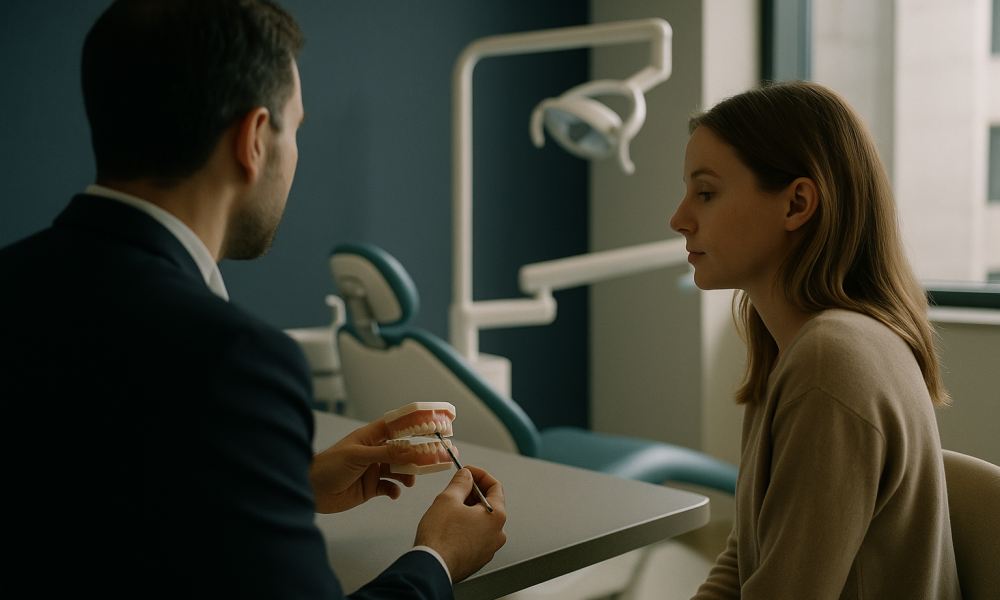
What Composite Bonding is and who it is for
Composite bonding, often referred to as dental bonding, is a cosmetic dental procedure aimed at improving the aesthetic appearance of teeth. It involves the application of a tooth-coloured resin material to the surface of the teeth. This material is expertly shaped and polished to match the surrounding teeth, offering a natural and pleasing appearance. The procedure is minimally invasive, typically requiring no anaesthesia unless it is used to fill a cavity or reshape a tooth.
The primary purpose of composite bonding is to address minor imperfections in the teeth. These may include chips, gaps, discolouration, and slight misalignments. The procedure is especially beneficial for patients seeking a quick and affordable way to enhance their smile without the need for extensive dental work. The resin used in composite bonding is durable, though not as strong as natural teeth or porcelain veneers, and with proper care, it can last several years.
Composite bonding is suitable for individuals who desire aesthetic improvements and have healthy teeth and gums. It is often chosen by those who want to improve their smile without the commitment of more permanent solutions like crowns or veneers. The procedure is particularly popular among younger patients who may not yet be ready for more invasive cosmetic treatments. Furthermore, it is ideal for those seeking immediate improvements with minimal recovery time.
In Turkey, composite bonding is performed by skilled dental professionals who have access to modern facilities and materials. The country has become a popular destination for medical tourism, including dental procedures, due to its competitive pricing and high standards of care. Patients from the UK often find that the cost of composite bonding in Turkey is significantly lower than in their home country, making it an attractive option for those looking to enhance their smile affordably.
Are you a good candidate?
Determining whether you are a suitable candidate for composite bonding involves a few key considerations. This procedure is generally ideal for individuals seeking cosmetic improvements rather than functional repairs. If you are considering composite bonding, it is important to assess your dental health and aesthetic goals.
- Good Oral Health: Candidates should have healthy teeth and gums, free from significant decay or gum disease. The presence of these conditions may require treatment before bonding can be considered.
- Minor Cosmetic Concerns: Composite bonding is best suited for those with minor aesthetic issues, such as small chips, gaps, or discolouration. It is not recommended for more extensive damage or structural issues.
- Non-Smokers: Smoking can stain the resin used in bonding, reducing its lifespan and aesthetic appeal. Non-smokers tend to achieve better, longer-lasting results.
- Commitment to Oral Hygiene: Maintaining good oral hygiene is crucial for the longevity of composite bonding. Candidates should be willing to brush twice daily, floss regularly, and attend routine dental check-ups.
- Realistic Expectations: While composite bonding can significantly enhance the appearance of your teeth, it is important to have realistic expectations about the outcomes. The procedure is not a cure-all for dental issues but a cosmetic enhancement.
- Budget Considerations: Although more affordable than some other cosmetic dental procedures, it is essential to ensure that composite bonding fits within your budget. Costs in Turkey are typically lower than in the UK, with prices ranging from £100 to £300 per tooth.
If you meet these criteria, composite bonding could be a viable option to improve your smile. A consultation with a qualified dentist in Turkey can further assess your suitability and provide a tailored treatment plan.
The procedure, step by step
Composite bonding is a popular procedure for enhancing the appearance of teeth, offering a minimally invasive solution with immediate results. When considering this treatment in Turkey, understanding each step of the procedure can provide peace of mind.
- Consultation and assessment: The process begins with an initial consultation, where a dental professional evaluates your oral health and discusses your aesthetic goals. This typically involves a comprehensive dental examination and possibly X-rays to determine if composite bonding is suitable for you. The dentist will discuss the shape, colour, and size of the bonding material to match your natural teeth.
- Tooth preparation: In most cases, composite bonding requires little to no preparation. The dentist may lightly etch the surface of the tooth to create a rough texture, which helps the bonding material adhere more effectively. Local anaesthesia is rarely needed unless the bonding is used to fill a decayed tooth.
- Colour matching: The dentist selects a composite resin that closely matches the colour of your natural teeth. This step is crucial for ensuring a seamless and natural appearance.
- Application of composite resin: The dentist applies the chosen resin to the prepared tooth. The material is moulded and smoothed to the desired shape, covering any imperfections such as chips, cracks, or gaps.
- Curing the resin: Once the resin is shaped, a special curing light is used to harden the material. This process usually takes a few minutes and allows the composite to bond securely to the tooth surface.
- Shaping and polishing: After curing, the dentist will further trim, shape, and polish the bonded tooth to achieve the desired appearance and ensure a comfortable bite. This step ensures the composite blends seamlessly with your natural teeth and provides a smooth finish.
- Final evaluation: The dentist conducts a final check to ensure the bonding is properly aligned with your bite and that you are satisfied with the results. Any minor adjustments are made at this stage.
The entire procedure typically takes between 30 minutes to an hour per tooth, depending on the complexity and the number of teeth involved. Patients often appreciate that composite bonding is a same-day procedure, allowing them to leave the clinic with a transformed smile.
Recovery timeline
Composite bonding is known for its minimal recovery time, allowing patients to return to their daily activities almost immediately. However, understanding the typical recovery timeline can help you care for your new smile effectively.
| Period | What to expect | Care notes |
|---|---|---|
| Day 1 | Slight sensitivity to hot and cold foods or drinks. The bonded teeth may feel different but should not cause discomfort. | Avoid biting on hard objects and refrain from consuming very hot or cold foods and drinks immediately after the procedure. |
| Days 2-3 | Sensitivity should decrease. The bonded teeth will start to feel more natural in your mouth. | Continue to avoid hard or sticky foods to prevent damage to the new bonding. |
| Week 1 | Bonded teeth should feel fully integrated. Sensitivity should be minimal or completely resolved. | Maintain good oral hygiene by brushing twice daily and flossing. Consider using toothpaste for sensitive teeth if needed. |
| Week 2 | Any initial sensitivity should have resolved. Teeth should feel completely normal. | Schedule a follow-up appointment with your dentist to check the bonding and ensure everything is as expected. |
| Full Recovery (1 month) | Bonding is fully set and integrated. No sensitivity or discomfort should be present. | Continue regular dental check-ups every 6 months to monitor the condition of the composite bonding and maintain oral health. |
Following these care notes and adhering to regular dental visits will help ensure the longevity and appearance of your composite bonding. With proper care, composite bonding can last anywhere from 5 to 10 years before needing replacement or touch-up.
What it costs: Turkey vs the United Kingdom
When considering composite bonding, cost is a significant factor for many patients. Turkey has become a popular destination for this treatment, largely due to its competitive pricing compared to the United Kingdom. Here, we’ll delve into a comparison of the typical costs involved in composite bonding procedures in Turkey and the UK, and what these prices generally include.
It’s essential to note that all figures provided are indicative and can vary based on a variety of factors, including the complexity of the case, the materials used, and the specific location and reputation of the clinic.
| Service | Turkey (Indicative Range) | United Kingdom (Indicative Range) |
|---|---|---|
| Single Tooth Composite Bonding | £70 – £150 | £200 – £400 |
| Full Set Composite Bonding (6-8 teeth) | £500 – £1,200 | £1,500 – £3,000 |
| Consultation Fee | Included in package | £50 – £100 |
| Follow-up Visits | Included in package | £50 – £100 each |
In Turkey, the cost of a single tooth composite bonding typically ranges from £70 to £150, whereas in the UK, this can range from £200 to £400. For a full set of composite bonding, which usually involves 6-8 teeth, prices in Turkey generally range from £500 to £1,200, compared to £1,500 to £3,000 in the UK.
Many clinics in Turkey offer comprehensive packages that include not only the treatment itself but also consultation and follow-up visits, which can add value to the overall cost. In contrast, in the UK, these additional services are often charged separately, with consultation fees ranging from £50 to £100 and follow-up visits costing £50 to £100 each.
It’s important for patients to consider not just the cost of the treatment but also the inclusivity of the package and the quality of care provided. While Turkey offers more affordable options, prospective patients should thoroughly research clinics, verify credentials, and understand what is included in the quoted price to ensure they receive high-quality care.
Risks and how accredited providers manage them
Composite bonding, like any dental procedure, carries certain risks. However, when performed by accredited professionals, these risks are managed effectively to ensure patient safety and satisfaction. Here we explore the potential risks associated with composite bonding and how reputable clinics in Turkey mitigate them.
Potential Risks:
- Allergic Reactions: Although rare, some patients may experience allergic reactions to the composite resin used in bonding. Accredited clinics conduct thorough assessments to identify any allergies before proceeding with treatment.
- Chipping or Fracturing: Composite bonds can chip or fracture over time, especially if subjected to excessive force. This risk is minimised by using high-quality materials and advising patients on proper aftercare, such as avoiding hard foods.
- Colour Mismatch: Achieving a perfect colour match with natural teeth can be challenging. Experienced practitioners use advanced shade-matching techniques and materials to ensure a seamless blend.
- Tooth Sensitivity: Some patients may experience temporary sensitivity following the procedure. Accredited providers ensure that bonding is applied correctly to minimise this risk, and they offer guidance on managing sensitivity post-treatment.
Management by Accredited Providers:
- Thorough Consultations: Before treatment, detailed consultations are conducted to assess the patient’s oral health, discuss expectations, and outline potential risks. This step is crucial for personalised treatment planning.
- Use of High-Quality Materials: Accredited clinics in Turkey utilise top-grade composite resins that are durable and aesthetically pleasing, reducing the likelihood of complications.
- Experienced Practitioners: Clinics ensure that only skilled and experienced practitioners perform composite bonding, significantly reducing the risk of errors and complications.
- Follow-up Care: Post-treatment, clinics provide detailed aftercare instructions and schedule follow-up visits to monitor the results and address any concerns promptly.
Overall, while composite bonding is generally a safe and effective treatment, understanding the risks and how they are managed is crucial for prospective patients. By choosing accredited providers in Turkey, patients can be reassured that these risks are mitigated through rigorous protocols, high-quality materials, and experienced professionals.
How to choose the right provider
When considering composite bonding in Turkey, selecting the right provider is crucial for a successful outcome. Here are key factors to consider:
- Accreditation: Look for clinics accredited by reputable international bodies, such as the Joint Commission International (JCI) or ISO certifications. These accreditations ensure adherence to global healthcare standards.
- Surgeon Experience: Research the dentist’s experience, particularly in cosmetic dentistry and composite bonding. It’s advisable to choose a provider with at least five years of specialised experience and a portfolio of before-and-after cases.
- Aftercare Services: Aftercare is an essential component of any dental procedure. Ensure the clinic offers comprehensive aftercare plans, including follow-up consultations and emergency contact options. Some clinics may provide remote follow-up services to accommodate international patients.
- Red Flags: Be wary of clinics that promise guaranteed results or offer prices significantly lower than the typical range of £150 to £300 per tooth. Additionally, lack of transparent communication, pressure to make quick decisions, or reluctance to provide credentials can be warning signs.
In addition to these factors, consider patient testimonials and third-party reviews as part of your decision-making process. Online platforms and dental tourism forums can provide insights into past patient experiences. It is also beneficial to consult with a local dentist in the UK to discuss the planned procedure and obtain advice on what to look for in a provider abroad.
Planning your trip
Proper planning is essential for a smooth and successful dental tourism experience. Here’s a comprehensive guide to planning your trip for composite bonding in Turkey:
- Timeline Before Travel: Begin your research and consultations at least three months before your intended travel date. This allows ample time for communication with potential clinics, gathering necessary medical records, and organising travel arrangements.
- Documents Required: Ensure you have a valid passport and visa, if necessary, for entry into Turkey. Prepare your dental records, including X-rays and treatment plans, to share with your chosen provider.
- Length of Stay: Plan for a stay of approximately 3 to 7 days. This duration typically covers the procedure, initial recovery, and follow-up appointments. However, this may vary based on individual treatment plans and any additional procedures you might choose to undertake.
- Follow-up at Home: Discuss post-treatment care with both your Turkish provider and a local dentist in the UK. Arrange for regular check-ups to monitor the condition of your composite bonding and address any issues that may arise.
Additionally, consider travel insurance that covers medical procedures abroad. This can provide peace of mind and financial protection in case of unforeseen complications. Familiarise yourself with the local culture and language basics to enhance your travel experience. Lastly, explore accommodation options near your chosen clinic, ensuring they offer comfort and convenience for your recovery period.
Frequently Asked Questions
How much does composite bonding in Turkey typically cost?
The cost of composite bonding in Turkey is generally more affordable compared to the UK. Prices typically range from £150 to £300 per tooth, depending on the complexity of the case and the clinic's location and reputation. These are indicative figures, and it is vital to confirm the total cost, including any additional fees for consultations or aftercare, directly with the clinic.
Is it safe to undergo dental procedures like composite bonding in Turkey?
Safety is a top concern for any medical procedure. Many dental clinics in Turkey are accredited by international bodies, ensuring they meet high standards of care. To ensure safety, choose a clinic with verifiable accreditation, experienced dentists, and positive patient reviews. It's also beneficial to have a clear understanding of the procedure, potential risks, and aftercare requirements before travelling.
What should I look for in a composite bonding provider in Turkey?
When selecting a provider, consider their accreditation, the dentist's experience, aftercare services, and patient reviews. Accreditation from bodies like JCI or ISO is a good indicator of quality. Ensure the dentist has extensive experience in cosmetic dentistry and a track record of successful cases. Aftercare is crucial, so confirm what follow-up services are available. Patient testimonials can provide valuable insights into the clinic's reputation.
How long should I plan to stay in Turkey for the procedure?
The typical stay for composite bonding in Turkey is between 3 to 7 days. This period allows for the procedure, initial recovery, and follow-up appointments. The exact length of stay may vary based on individual treatment needs and any additional procedures planned. It's important to discuss the timeline with your chosen provider to ensure you allocate sufficient time.
Will I need a visa to travel to Turkey for dental treatment?
UK citizens can travel to Turkey for up to 90 days within a 180-day period without a visa for tourism or medical purposes. However, it’s advisable to check the latest entry requirements closer to your travel date, as regulations can change. Ensure your passport is valid for at least six months from your date of entry into Turkey.
What documents should I prepare before travelling?
Prepare a valid passport and check if you require a visa for Turkey. Gather your dental records, including any recent X-rays and treatment plans, to share with your Turkish provider. These documents will help the dentist understand your dental history and plan the most appropriate treatment.
How can I ensure good aftercare once I return to the UK?
Discuss a detailed aftercare plan with your Turkish provider before you leave. This should include instructions on maintaining your composite bonding and any potential signs of complications. Arrange for regular follow-up appointments with a local dentist in the UK who can monitor the condition of your bonding and provide any necessary care.
Are there any red flags to watch out for when choosing a clinic?
Yes, be cautious of clinics that offer prices significantly lower than the typical range, promise guaranteed results, or exert pressure to make quick decisions. Lack of transparent communication, reluctance to provide accreditation details, or evasive answers to questions about the procedure or aftercare are also warning signs to consider.
Can I combine my dental treatment with a holiday in Turkey?
Many patients choose to combine dental treatment with a holiday in Turkey. However, it’s important to schedule leisure activities around your dental appointments and recovery time. Consult with your dentist about any restrictions on activities post-procedure to ensure a safe and enjoyable trip.
How do I communicate with the clinic if I don't speak Turkish?
Most reputable clinics catering to international patients have English-speaking staff. Before choosing a clinic, confirm that they offer services in English. It can also be helpful to learn a few basic Turkish phrases or use translation apps to facilitate communication during your stay.
What should I do if I experience issues with my composite bonding after returning home?
If you experience any issues with your composite bonding after returning to the UK, contact both the Turkish clinic and your local dentist. The Turkish clinic may offer remote consultations to address your concerns. Your local dentist can provide immediate care if necessary. Ensure you have a clear aftercare plan in place before leaving Turkey.
How do I pay for the procedure in Turkey?
Payment methods vary by clinic, but most accept major credit cards and bank transfers. Some clinics may also offer financing options. It’s essential to confirm payment details, including any deposit requirements and the currency accepted, before your trip. Keep all payment receipts and documentation for your records.