
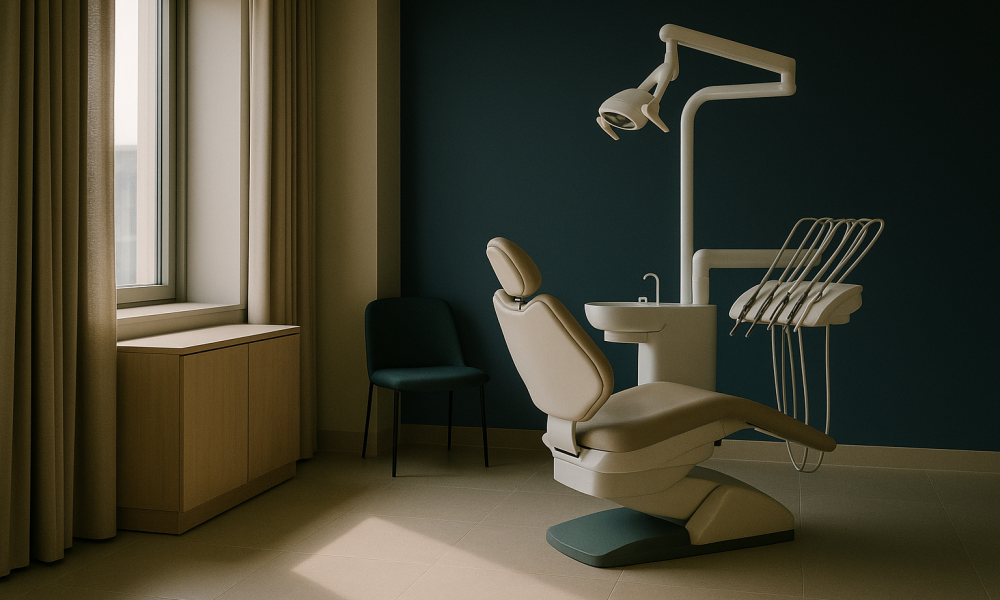
What Composite Bonding is and who it is for
Composite bonding is a minimally invasive dental procedure that aims to enhance the aesthetic appearance of teeth. It involves applying a tooth-coloured resin material to the surface of teeth to correct various imperfections such as chips, gaps, discolouration, and slight misalignments. This procedure is highly regarded for its ability to transform smiles with precision while preserving the natural tooth structure. The composite resin is carefully chosen to match the natural shade of the patient’s teeth, ensuring a seamless blend and natural appearance.
One of the primary advantages of composite bonding is its non-invasive nature. Unlike veneers or crowns, composite bonding typically requires little to no removal of the existing tooth enamel. This makes it a suitable option for individuals looking for a quick and reversible enhancement to their smile. The procedure is often completed in a single visit, with each tooth taking approximately 30 to 60 minutes to treat. Given the efficiency and effectiveness of this treatment, composite bonding is becoming increasingly popular among international patients, including those from Canada.
Composite bonding is particularly beneficial for individuals looking to correct minor cosmetic dental issues. It’s an excellent choice for those who want to address aesthetic concerns without undergoing extensive dental work. Common issues addressed by composite bonding include correcting minor tooth misalignments, reshaping teeth, and closing small gaps between teeth. The procedure is also a cost-effective solution, with typical prices in Turkey ranging from £60 to £150 per tooth, depending on the complexity and the dentist’s expertise.
The popularity of composite bonding in Turkey is supported by the country’s reputation for high-quality dental care. Turkish dental clinics are known for their state-of-the-art facilities and highly trained dental professionals, many of whom have international qualifications. This level of care, combined with the affordability of treatment, makes Turkey an attractive destination for dental tourists seeking composite bonding. Patients can expect a personalised approach to their treatment, with detailed consultations to ensure that the desired aesthetic outcomes are achievable and realistic.
Are you a good candidate?
Determining whether you are a good candidate for composite bonding involves assessing both your dental health and your aesthetic goals. This procedure is ideal for individuals who have healthy teeth and gums but wish to improve the cosmetic appearance of their smile. Here are some key criteria to consider:
- Good Oral Health: Candidates should have no active dental decay or gum disease. These conditions need to be treated prior to undergoing composite bonding.
- Minor Cosmetic Issues: Ideal candidates have minor imperfections such as small chips, cracks, or gaps between teeth, as well as slight discolouration or misalignment.
- Realistic Expectations: Understanding the scope of composite bonding is essential. It is not suitable for major dental restorations or significant orthodontic corrections.
- Non-Smokers: Smoking can affect the longevity and appearance of the composite material, so non-smokers are better candidates.
- Commitment to Oral Hygiene: Maintaining good oral hygiene is crucial to ensure the longevity of the composite bonding. Regular brushing, flossing, and dental check-ups are necessary.
- Aesthetic Goals: Candidates should have clear goals regarding the changes they wish to achieve, which should be discussed with their dentist to ensure feasibility.
If you meet these criteria, composite bonding could be a suitable option for you. It is important to have a thorough consultation with a qualified dentist who can assess your individual case and provide guidance on the best approach to achieve your desired results. In Turkey, many dental clinics offer comprehensive consultations as part of their service, allowing you to make an informed decision about your treatment.
Ultimately, the success of composite bonding depends on the expertise of the dentist and the quality of materials used. Patients should ensure they choose a reputable clinic with experienced professionals who can deliver the desired aesthetic outcomes safely and effectively. With the right care and attention, composite bonding can provide a significant enhancement to your smile, boosting your confidence and overall dental health.
The procedure, step by step
Composite bonding is a popular cosmetic dental procedure aimed at improving the appearance of teeth that are chipped, discoloured, or misaligned. Here is a detailed step-by-step guide to what you can typically expect when undergoing composite bonding in Turkey:
- Initial Consultation: The process begins with a thorough consultation with a dental professional. During this session, your dentist will assess your dental health, discuss your aesthetic goals, and determine if composite bonding is the right approach for you. Expect to discuss your medical history and any dental issues you may have. This consultation may include taking X-rays or photographs of your teeth.
- Treatment Planning: If composite bonding is deemed suitable, the dentist will develop a customised treatment plan. This plan includes selecting the appropriate shade of composite resin to match your natural teeth and outlining the areas to be treated. Digital imaging may be used to give you a preview of potential results.
- Preparation: Before the bonding process begins, your dentist will prepare your teeth. This usually involves roughening the surface of the teeth slightly to help the resin adhere better. An etching solution might be applied to the teeth to create a suitable surface for bonding. An anaesthetic is rarely required unless the bonding is being used to fill a decayed tooth.
- Application of Composite Resin: The dentist will carefully apply the composite resin to the prepared teeth. The resin is mouldable, allowing the dentist to shape it precisely to achieve the desired look. The application process is meticulous, as the dentist sculpts the resin to correct imperfections and align with your natural bite.
- Curing the Resin: Once the resin is applied and shaped, it is hardened using a special curing light. This process usually takes a few seconds to a couple of minutes per tooth. The light helps the resin set quickly, allowing the dentist to make any necessary adjustments immediately.
- Finishing Touches: After the resin has been cured, the dentist will perform any final adjustments. This includes trimming and polishing the resin to ensure a natural appearance and smooth finish. The polishing process aims to match the sheen of the bonded teeth with your natural teeth, ensuring the results are seamless.
- Final Review: The dentist will check your bite and make final adjustments to ensure comfort and functionality. You will also receive guidance on how to care for your bonded teeth to maintain their appearance and longevity.
The entire procedure typically takes between 30 to 60 minutes per tooth, depending on the complexity of the case. This time-efficient treatment allows many patients to achieve a transformed smile in a single visit.
Recovery timeline
Recovery from composite bonding is generally swift and straightforward. Here is a typical recovery timeline to help you understand what to expect and how to care for your teeth post-procedure:
| Period | What to expect | Care notes |
|---|---|---|
| Day 1 | Immediately after the procedure, you might experience slight sensitivity in your teeth, particularly to temperature changes. Your mouth may feel a bit different due to the new surface of your teeth. | Avoid eating or drinking anything too hot or too cold right after the procedure. Stick to soft foods and avoid biting hard objects to allow the bonding to set properly. |
| Day 2-3 | Sensitivity should start to decrease. You may still be adjusting to the feel of the bonded teeth. The appearance of the teeth should be stable, with the final polish completed. | Continue to avoid hard or sticky foods that could dislodge the bonding. Maintain good oral hygiene practices, including gentle brushing and flossing. |
| Week 1 | By the end of the first week, most patients report feeling fully adjusted to their bonded teeth. Sensitivity is usually resolved. | Schedule a follow-up appointment if recommended by your dentist. This is crucial for ensuring the bonding is holding up well and to address any concerns. |
| Month 1 | Composite bonding should feel completely natural by now. Teeth should appear consistent in colour and texture. | Avoid habits like nail-biting or opening packages with your teeth, as these can damage the bonding. Regular dental check-ups are advised to monitor the condition of the bonding. |
| Full recovery (3 months) | The bonded teeth should be fully integrated with your natural teeth, with no unusual sensitivity or discomfort. | Continue with regular dental visits and good oral hygiene to maintain the longevity of your composite bonding. Avoid staining foods and beverages, such as coffee and red wine, to keep your teeth looking their best. |
Overall, the recovery from composite bonding is minimal, with most patients resuming normal activities almost immediately. Following your dentist’s care instructions will help ensure the best possible outcome and longevity of your composite bonding.
What it costs: Turkey vs Canada
When considering composite bonding as a dental treatment, understanding the cost differences between Turkey and Canada is crucial. The costs for dental procedures can vary significantly based on factors such as the clinic’s location, the dentist’s expertise, and the materials used. In Turkey, the cost of composite bonding is generally more affordable compared to Canada, making it an attractive option for international patients.
The following table provides a comparison of indicative price ranges for composite bonding in Turkey and Canada. These figures are meant to serve as a general guide and can vary depending on specific conditions and treatment requirements:
| Country | Indicative Price Range (per tooth) | Typical Inclusions in Packages |
|---|---|---|
| Turkey | £70 – £150 | Initial consultation, composite bonding procedure, follow-up visit, and local transportation |
| Canada | £200 – £400 | Initial consultation and composite bonding procedure |
As shown in the table, the cost of composite bonding in Turkey is significantly lower than in Canada. This price difference is primarily due to the lower cost of living and operational expenses in Turkey. Additionally, many Turkish clinics offer comprehensive packages that include not only the treatment itself but also additional services such as local transportation and follow-up appointments, which can further enhance the value for international patients.
Patients should be aware that these figures are indicative and can vary based on individual circumstances. Factors such as the number of teeth requiring bonding, the complexity of the procedure, and any additional treatments needed (such as teeth whitening) can influence the final cost. Therefore, it is advisable to consult directly with clinics to obtain a personalised quote based on your specific dental needs.
Overall, Turkey’s competitive pricing, combined with high-quality dental care, makes it a compelling option for those seeking composite bonding treatment abroad.
Risks and how accredited providers manage them
Composite bonding is generally considered a safe and effective dental procedure; however, like any medical treatment, it does carry potential risks and complications. Understanding these risks and how accredited providers in Turkey manage them is crucial for prospective patients from Canada considering treatment abroad.
The primary risks associated with composite bonding include:
- Tooth Sensitivity: Some patients may experience increased sensitivity to hot and cold temperatures following the procedure. This is usually temporary and can be managed with desensitising toothpaste and other dental products.
- Chipping or Fracture: Composite materials, while durable, are not as strong as natural teeth or other restorative materials like porcelain. This means there is a risk of chipping or fracturing, especially in individuals who grind their teeth or have a heavy bite.
- Discolouration: Composite resin can stain over time, particularly if exposed to substances like coffee, tea, or tobacco. Regular cleaning and maintenance can help mitigate this risk.
- Bond Failure: In some cases, the bonding material might not adhere properly to the tooth surface, leading to failure. This can necessitate additional treatment.
Accredited dental providers in Turkey implement several strategies to manage these risks:
- Thorough Assessment: Before proceeding with treatment, a comprehensive dental examination is conducted to assess the patient’s oral health and suitability for composite bonding. This helps to identify any pre-existing conditions that might increase risks.
- High-Quality Materials: Reputable clinics use high-quality composite materials that are less prone to staining and more durable, thereby reducing the likelihood of complications.
- Advanced Techniques: Dental professionals in Turkey are often trained in advanced techniques that enhance the adhesion and longevity of the composite bond, minimising the risk of failure.
- Personalised Aftercare: Clinics typically offer detailed aftercare instructions and follow-up appointments to monitor the patient’s progress and address any issues promptly.
- Accreditation and Training: Many Turkish dental clinics are accredited by international bodies, ensuring adherence to high standards of care and safety. Dentists often undergo continuous professional development to stay updated with the latest advancements in dental techniques.
By choosing an accredited provider, patients can significantly reduce the risks associated with composite bonding and ensure a higher standard of care. Open communication with the dental team and adherence to recommended aftercare practices are also vital components in managing these risks effectively.
How to choose the right provider
When considering composite bonding in Turkey, selecting the right dental clinic is paramount. The first factor to consider is accreditation. Look for clinics accredited by international bodies such as the Joint Commission International (JCI) or the International Organization for Standardization (ISO). Accreditation ensures that the clinic meets global standards for quality and safety.
The experience of the dental practitioners is another critical aspect. Ideally, you should seek out dentists who have specialised in cosmetic dentistry and have significant experience in composite bonding. It is advisable to look for practitioners who have undergone additional training or certifications in cosmetic procedures, as this indicates a commitment to their craft and staying updated with the latest techniques.
Aftercare is an essential component of a successful composite bonding procedure. Ensure that the clinic offers comprehensive aftercare services, which may include follow-up consultations, adjustments, or repairs if necessary. Some clinics provide remote follow-up options, which can be beneficial for international patients who cannot return to Turkey easily.
Be mindful of red flags when evaluating potential providers. Clinics that guarantee results or offer prices significantly lower than the typical range (often between £100 to £300 per tooth) should be approached with caution. Unrealistically low prices may indicate compromises in quality or hidden costs. Additionally, consider reviews and testimonials from past patients, but critically evaluate their authenticity and relevance to your needs.
Finally, communication is key. Choose a provider who communicates clearly and openly, addressing all your queries and concerns. A clinic that offers a dedicated international patient coordinator can be especially helpful, as they can guide you through the entire process, from initial consultation to post-treatment follow-up.
Planning your trip
Proper planning is crucial for a successful dental tourism experience in Turkey. Begin by establishing a timeline for your treatment. It is generally recommended to start planning at least three months in advance. This allows adequate time for consultations, booking appointments, and arranging travel and accommodation.
Ensure that you have all necessary documents ready. This includes a valid passport, visa (if required), and medical records related to your dental history. Some clinics may request dental X-rays or photographs in advance to assess your suitability for composite bonding.
Consider the length of your stay in Turkey. While the procedure itself may only take one or two appointments over a few days, it is prudent to allocate extra time for recovery and any unforeseen circumstances. A stay of 5 to 7 days is typically recommended, allowing time for initial healing and any necessary follow-up visits.
Think about accommodation and transportation. Many clinics offer packages that include hotel stays and airport transfers, which can simplify logistics. However, if you prefer to arrange these independently, look for hotels near the clinic to minimise travel time and stress.
Plan for follow-up care once you return home. Before leaving Turkey, ensure you understand the aftercare instructions provided by your dentist. It is also wise to schedule a check-up with your local dentist to monitor the integrity of the bonding and address any issues promptly.
Lastly, consider travel insurance that covers medical tourism, including any complications that may arise from the procedure. This provides peace of mind and financial protection should unexpected issues occur.
Frequently Asked Questions
How much does composite bonding cost in Turkey?
The cost of composite bonding in Turkey varies, typically ranging from £100 to £300 per tooth. The final cost can depend on the complexity of the case, the experience of the dentist, and the clinic's location. It's important to confirm what is included in the quoted price, such as consultation fees, materials, and follow-up care.
Is composite bonding safe?
Composite bonding is generally considered safe when performed by experienced professionals. It is a minimally invasive procedure with a good safety profile. However, as with any medical treatment, there are potential risks and complications. Choosing a reputable clinic with accredited dentists can help minimise these risks and ensure a safe treatment experience.
What should I look for in a dental clinic?
Look for clinics with international accreditation, experienced dentists specialising in cosmetic dentistry, and comprehensive aftercare services. Avoid clinics that make guarantees or offer prices significantly lower than the typical range, as these may compromise on quality. Reading patient reviews and ensuring good communication with the clinic are also important.
How long does the composite bonding procedure take?
The duration of the composite bonding procedure varies depending on the number of teeth being treated. Typically, bonding a single tooth can take between 30 to 60 minutes. If multiple teeth are involved, the procedure may require a few hours or multiple visits. Your dentist will provide a more accurate timeline based on your specific treatment plan.
What documents do I need to travel for treatment?
You will need a valid passport and, depending on your nationality, a visa to enter Turkey. Additionally, clinics may request your dental records or recent X-rays to assess your case before your arrival. It's advisable to keep copies of all documents and any correspondence with the clinic for reference.
How can I manage aftercare once I return to Canada?
Before leaving Turkey, ensure you understand the aftercare instructions provided by your dentist. Schedule a follow-up appointment with your local dentist in Canada to monitor the bonding and address any concerns. Maintaining good oral hygiene and avoiding habits that could damage the bonding are also important for long-term success.
What are the potential risks of composite bonding?
While composite bonding is a generally safe procedure, potential risks include sensitivity, chipping, or discolouration over time. These can often be mitigated by following proper aftercare and maintenance instructions. Regular dental check-ups and avoiding hard foods can help maintain the integrity of the bonding.
How do I ensure the quality of the materials used?
Discuss with your dentist the types of materials they use for composite bonding. Reputable clinics will use high-quality, durable materials approved for dental procedures. You can also inquire about the brands or manufacturers of the materials to ensure they meet international standards.
Can I combine my treatment with a holiday?
Yes, many patients combine dental treatment with a holiday in Turkey. However, it's important to prioritise your recovery. Plan any strenuous activities after you have completed the treatment and your dentist has confirmed that it's safe to do so. Keep in mind the need for follow-up visits when scheduling leisure activities.
How soon after the procedure can I travel back home?
Most patients can travel home within a few days after the procedure. However, it's advisable to stay in Turkey for at least 5 to 7 days to allow for initial recovery and any necessary follow-up appointments. Your dentist will provide specific guidance based on your individual case and recovery progress.
What payment methods are accepted by clinics in Turkey?
Most clinics in Turkey accept a variety of payment methods, including major credit cards, bank transfers, and cash. It's important to confirm the accepted payment methods and any potential additional fees with the clinic beforehand. Some clinics may offer payment plans or financing options, so inquire about these if needed.
Will I need any follow-up appointments after returning to Canada?
Yes, follow-up appointments with your local dentist in Canada are recommended to ensure the bonding is holding up well and to address any issues that may arise. Regular dental check-ups are important for maintaining oral health and the longevity of the composite bonding.