
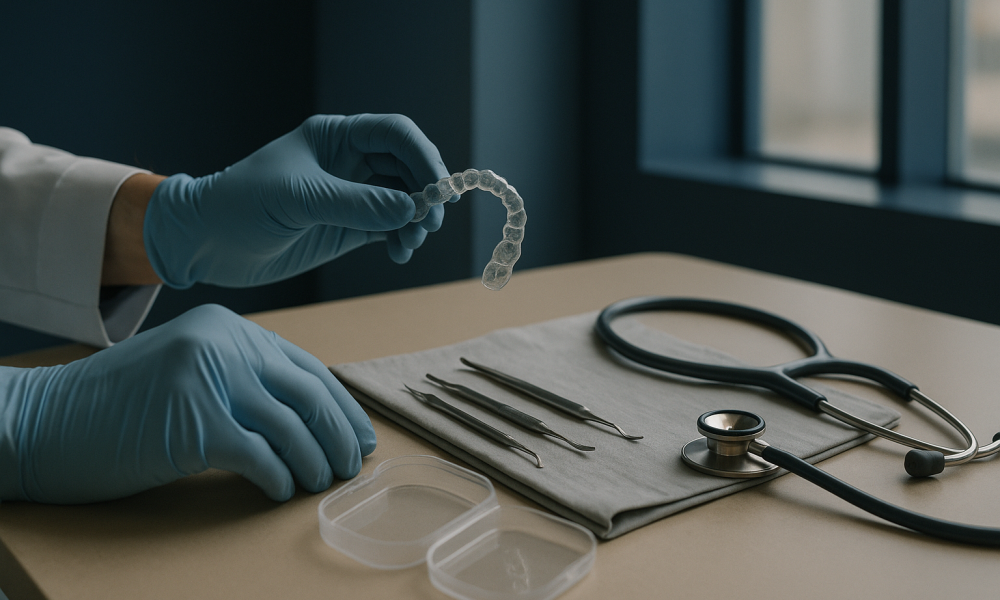
What Clear Aligners (Invisalign-Style) is and who it is for
Clear aligners, often referred to by the popular brand name Invisalign, represent a modern orthodontic treatment designed to straighten teeth without the need for traditional metal braces. These aligners are custom-made, transparent trays that gradually shift teeth into the desired position. The process involves a series of aligners, each worn for about one to two weeks before progressing to the next set in the series.
The technology behind clear aligners involves digital scanning and 3D imaging, allowing for precise mapping of tooth movement. This digital approach not only enhances accuracy but also provides patients with a visual preview of their expected results. Aligners are made from BPA-free plastic, ensuring they are safe and comfortable to wear.
Clear aligners are particularly suitable for individuals with mild to moderate dental misalignments, such as overbites, underbites, crossbites, gaps, and crowded teeth. They are an ideal option for those who seek a discreet orthodontic treatment, as the aligners are nearly invisible when worn.
One of the key advantages of clear aligners over traditional braces is the convenience they offer. Patients can remove them for eating, drinking, brushing, and flossing, which means there are no dietary restrictions and maintaining oral hygiene is straightforward. However, to achieve the desired results, it is crucial to wear the aligners for 20 to 22 hours per day.
Turkey has become a favoured destination for dental treatments, including clear aligners, due to its combination of skilled practitioners and competitive pricing. The typical cost for clear aligner treatment in Turkey ranges from €1,500 to €3,500, depending on the complexity of the case and the number of aligners required. This is significantly lower than in many Western European countries, where prices can be double or triple. Additionally, many clinics in Turkey offer comprehensive packages that include consultation, treatment, and follow-up care, providing excellent value for international patients.
Are you a good candidate?
Determining whether you are a suitable candidate for clear aligner treatment involves considering several factors related to your dental health, lifestyle, and treatment goals. While clear aligners are versatile and effective for many orthodontic issues, they are not universally applicable for all dental conditions.
- Type of Misalignment: Clear aligners are most effective for mild to moderate cases of misalignment. Severe orthodontic issues may require traditional braces or other interventions.
- Commitment to Wear: Aligners must be worn for 20 to 22 hours per day. Candidates must be disciplined and committed to this requirement for the treatment to be successful.
- Oral Health: Good oral hygiene is essential. Candidates should have healthy gums and teeth without active gum disease or untreated cavities.
- Age Considerations: While aligners are suitable for adults and teens, they may not be appropriate for younger children whose teeth are still developing.
- Lifestyle Needs: Individuals who prefer a treatment that is removable and does not interfere with their lifestyle may find aligners appealing.
- Consultation and Assessment: A thorough consultation with a qualified orthodontist is necessary to assess your specific needs and determine the most appropriate treatment plan.
Before beginning treatment, a digital scan of your teeth will typically be performed, allowing for a customised treatment plan. This plan will outline the expected time frame and cost. It is important to have realistic expectations and understand that while clear aligners can address a wide range of orthodontic issues, they may not achieve the same results as traditional braces in complex cases.
The procedure, step by step
Clear aligner treatment in Turkey is a popular choice for many due to its modern facilities and experienced practitioners. Here’s a detailed step-by-step guide to what you can expect during the procedure:
- Initial Consultation: The process begins with a comprehensive examination by an orthodontist. During this consultation, digital scans or physical impressions of your teeth are taken. These are crucial for creating a precise treatment plan and custom aligners. Expect to spend about 1 to 2 hours at the clinic for this initial visit.
- Treatment Planning: Using advanced 3D imaging software, the orthodontist will map out a detailed treatment plan. This includes the projected movement of your teeth and the estimated duration of treatment, usually ranging from 6 to 18 months. You will have the opportunity to see a virtual representation of how your teeth will progress over time.
- Fabrication of Aligners: Once the treatment plan is approved, your custom aligners are manufactured. This process typically takes 2 to 4 weeks. The number of aligners you need will depend on your specific case, but generally, patients use between 10 and 50 sets over the course of treatment.
- Fitting the First Set of Aligners: When your aligners are ready, you will return to the clinic for fitting. The orthodontist will ensure that the aligners fit properly and make any necessary adjustments. You’ll receive instructions on how to wear and care for them, including how long to wear each set before progressing to the next.
- Regular Check-ups: Follow-up appointments are scheduled every 4 to 6 weeks to monitor progress and receive new sets of aligners. These visits are generally brief, lasting about 20 to 30 minutes. It’s important to attend these to ensure the treatment stays on track.
- Completion and Retainer Fitting: Once the treatment is complete, typically after 6 to 18 months, you’ll have a final assessment. At this stage, a retainer is fitted to maintain the new position of your teeth. Retainers are crucial to prevent teeth from shifting back to their original positions.
This systematic approach ensures that your treatment is thorough and tailored to achieve the best possible results.
Recovery timeline
After beginning clear aligner treatment in Turkey, understanding the recovery timeline can help manage expectations and ensure proper care throughout. Here is a detailed timeline from day one to full recovery:
| Period | What to expect | Care notes |
|---|---|---|
| Day 1 | Initial discomfort and pressure as the first set of aligners begins to apply gentle force on the teeth. | Use over-the-counter pain relief if necessary. Wear aligners for at least 20-22 hours a day. |
| Week 1 | Adjustment period with mild soreness. Speech may be slightly affected. | Practice speaking with aligners in. Maintain good oral hygiene; brush after meals before reinserting aligners. |
| Week 2-4 | Teeth begin to gradually shift. Discomfort usually subsides. | Continue wearing aligners as prescribed. Attend follow-up appointments as scheduled. |
| Month 1-3 | Noticeable changes in teeth alignment. Adaptation to wearing aligners. | Consistent wear is crucial. Ensure aligners are clean and well-maintained. |
| Month 4-6 | Significant progress in alignment. Less frequent discomfort. | Regular dental check-ups are important. Follow orthodontist’s guidance closely. |
| Month 6-18 | Final stages of alignment. Teeth are nearing their desired positions. | Adhere to the treatment schedule. Prepare for retainer fitting towards the end of this period. |
| Post-treatment | Completion of aligner treatment. Retainer use begins. | Wear retainers as directed to maintain results. Regular dental visits remain important. |
This timeline provides a general guide to the recovery process, though individual experiences may vary slightly based on specific treatment plans and personal adaptation to the aligners.
5. What it costs: Turkey vs Europe
One of the primary considerations for patients seeking clear aligners, such as Invisalign-style treatments, is the cost. Turkey has become a popular destination for dental tourists largely due to its competitive pricing, which often undercuts that of many European countries.
In Turkey, the indicative cost range for a full clear aligner treatment can typically be between €1,500 and €3,500. This range often includes initial consultations, the aligners themselves, periodic check-ups, and post-treatment retainers. In contrast, the same treatment in countries such as the UK, Germany, or France can range from €3,000 to €7,000 or more. These figures are indicative and can vary depending on the complexity of the case and the specific provider.
| Country | Indicative Price Range (€) | Typical Package Inclusions |
|---|---|---|
| Turkey | €1,500 – €3,500 | Consultations, aligners, check-ups, retainers |
| UK | €3,500 – €7,000 | Consultations, aligners, limited follow-ups |
| Germany | €4,000 – €7,500 | Consultations, aligners, retainers |
| France | €3,000 – €6,500 | Consultations, aligners, basic follow-ups |
It is important for prospective patients to verify what is included in these indicative prices. Packages in Turkey often offer more comprehensive follow-up care, which can be crucial for the success of the treatment. Additionally, some clinics may offer accommodation or transport services as part of their package, which can add further value.
While the cost savings can be significant, patients should also weigh other factors such as travel expenses, time away from home, and the need for potential follow-up visits. It is advisable to obtain a detailed quote and treatment plan from multiple clinics before making a decision. This will ensure that you are aware of all potential costs involved and can compare them effectively.
6. Risks and how accredited providers manage them
As with any medical treatment, there are inherent risks associated with clear aligners. These can include discomfort, gum irritation, and, in some cases, issues with tooth movement that do not align with the treatment plan. Accredited providers in Turkey are well aware of these risks and have systems in place to manage them effectively.
Firstly, accredited clinics in Turkey adhere to international standards of dental care, often being certified by organisations such as the Joint Commission International (JCI) or the European Society of Cosmetic Dentistry (ESCD). These certifications ensure that the clinics maintain high standards of hygiene, equipment, and patient care.
During the initial consultation, a thorough dental examination is performed using advanced imaging technologies such as 3D scans and digital X-rays. This allows for a detailed assessment of the patient’s oral health and the creation of a precise treatment plan. Accurately predicting tooth movement is crucial in minimising the risk of unwanted outcomes.
Throughout the treatment, regular follow-ups are scheduled to monitor progress. These sessions are essential for making any necessary adjustments to the aligners and ensuring that the treatment is on track. Patients are encouraged to report any discomfort or issues immediately, allowing for prompt intervention by the dental team.
Another critical aspect of risk management is patient education. Accredited providers ensure that patients understand how to properly use and care for their aligners. This includes guidance on wearing times, cleaning procedures, and what to do if an aligner is lost or damaged. Proper adherence to these instructions is vital to the success of the treatment and the prevention of complications.
In the rare event of a complication, accredited clinics are equipped with the expertise and resources to address issues promptly. This might involve adjustments to the treatment plan or, in some cases, collaboration with other dental specialists. Patients are reassured by the availability of English-speaking staff and the support provided throughout their treatment journey.
Ultimately, while risks do exist, the comprehensive care provided by accredited providers in Turkey helps to mitigate these concerns, offering patients a safe and effective path to achieving their desired smile.
How to choose the right provider
Choosing the right provider for clear aligners in Turkey is a crucial step in your treatment journey. Accreditation is a key factor; ensure that the clinic is accredited by reputable international bodies such as the Joint Commission International (JCI) or the Turkish Ministry of Health. These accreditations indicate that the clinic adheres to high standards of quality and safety.
Surgeon experience is another critical consideration. Look for orthodontists with substantial experience in clear aligner treatments. A provider with at least five years of specialised experience in clear aligners is often preferred. You might want to ask about the number of cases they have handled and request before-and-after photos of previous patients. Additionally, reviews and testimonials from former patients can provide insights into the provider’s reputation and patient satisfaction levels.
Aftercare is an essential component of the treatment process. A reputable provider should offer a comprehensive aftercare plan, which may include follow-up consultations, remote check-ups via video calls, and support for any adjustments needed. Clarify what is included in the aftercare package and whether it aligns with your needs, especially if you are returning to your home country shortly after the treatment.
Be aware of potential red flags when selecting a provider. These include clinics that offer extremely low prices compared to the typical range of €1,500 to €4,000 for clear aligner treatments in Turkey. While cost is a factor, unusually low prices may indicate compromised quality. Another red flag is a lack of clear communication or evasive answers to your questions. A professional provider should be transparent about the treatment process, costs, and any risks involved.
Finally, consider the clinic’s location and accessibility. Clinics located in major cities like Istanbul, Ankara, or Izmir are often more accessible and may offer more comprehensive services. However, ensure that your chosen provider is conveniently located for your travel plans.
Planning your trip
Planning your trip to Turkey for clear aligner treatment involves several important steps. Begin by setting a timeline for your treatment and travel. Most patients require an initial consultation, which can often be conducted virtually. Once your treatment plan is established, schedule your trip accordingly. Aim to arrive at least one or two days before your treatment to settle in and attend any pre-treatment consultations.
Ensure you have all necessary documents for travel. This includes a valid passport, which should not expire within six months of your planned return date. Depending on your nationality, you may also need a visa to enter Turkey. Check the visa requirements well in advance and apply if necessary. Additionally, bring all relevant medical records and any documents provided by your orthodontist.
The length of stay in Turkey will depend on your treatment plan. Typically, you may need to stay for at least a few days to a week. This allows time for the fitting of your aligners and any initial adjustments. Discuss the expected duration with your provider to make appropriate travel arrangements.
Consider accommodation options near your chosen clinic. Many clinics offer assistance with accommodation, or you can choose from a range of hotels and serviced apartments. Proximity to the clinic can make your stay more convenient and reduce travel time for appointments.
After your treatment in Turkey, follow-up care is crucial. Your provider should offer a plan for remote follow-up, which may include regular video consultations and progress assessments. This ensures that your treatment continues smoothly once you return home. It’s also wise to coordinate with an orthodontist in your home country for any in-person follow-up appointments or adjustments that may be necessary.
Lastly, consider travel insurance that covers medical procedures abroad. This can provide peace of mind in case of unforeseen circumstances. Ensure the policy covers not only your travel but also the medical treatment and any potential complications.
Frequently Asked Questions
What is the typical cost of clear aligners in Turkey?
The cost of clear aligners in Turkey typically ranges from €1,500 to €4,000. This range depends on several factors, including the complexity of your case, the experience of the orthodontist, and the specific clinic you choose. It is essential to discuss all potential costs upfront with your provider to avoid unexpected expenses. Remember, while cost is important, it should not be the sole factor in your decision-making process.
Are clear aligners safe to use?
Clear aligners are generally considered safe for most patients when provided by a qualified and experienced orthodontist. They are made from medical-grade materials and custom-fitted to your teeth. Like any medical treatment, there are risks, such as minor discomfort or the need for adjustments. It is crucial to follow your orthodontist's instructions and attend all follow-up appointments to ensure the best outcome. Discuss any concerns with your provider before starting treatment.
How long does the clear aligner treatment take?
The duration of clear aligner treatment varies depending on the individual's dental needs. On average, treatment can take anywhere from 6 to 18 months. Your orthodontist will provide a more specific timeline based on your initial assessment and treatment plan. Regular check-ups are necessary to monitor progress and make adjustments as needed. Compliance with wearing the aligners as instructed is crucial for achieving the desired results within the estimated timeframe.
What should I bring with me for my treatment in Turkey?
When travelling to Turkey for treatment, bring your valid passport, any required visa, and your medical records related to dental health. It is also advisable to have any documents provided by your orthodontist, such as treatment plans or previous dental X-rays. Having travel insurance that covers medical procedures is recommended. Additionally, consider packing comfortable clothing and personal items for your stay, as well as any medication you may need.
How soon can I travel after my aligners are fitted?
After your aligners are fitted, you can generally travel back home within a few days, once any initial adjustments have been made and you feel comfortable with the aligners. It is important to attend any scheduled follow-up appointments before leaving Turkey to ensure everything is in order. Your orthodontist will provide guidance on care and maintenance, which should be followed diligently during your travels.
What kind of aftercare is provided once I return home?
Most clinics offering clear aligner treatments in Turkey provide a comprehensive aftercare plan, which may include remote consultations via video calls. These follow-ups help to monitor your progress and make necessary adjustments. Your orthodontist may also coordinate with a local orthodontist in your home country for any in-person visits. Maintaining communication with your provider is crucial to ensure the success of your treatment.
Is it possible to have an initial consultation online?
Yes, many clinics offer the option of an initial consultation online. This can be a convenient way to discuss your dental needs, treatment options, and costs with an orthodontist before travelling to Turkey. During the virtual consultation, you can also ask any questions you might have about the procedure, the clinic, and the expected outcomes. This step can help you make an informed decision about proceeding with treatment abroad.
How do I ensure the clinic is reputable?
To ensure the clinic's reputation, check for accreditations from international bodies such as the Joint Commission International (JCI) or the Turkish Ministry of Health. Research the clinic's reviews and testimonials from previous patients. It is also advisable to verify the orthodontist's credentials and experience in providing clear aligner treatments. Transparent communication and a clear treatment plan are good indicators of a reputable provider.
Will I experience pain with clear aligners?
Some patients may experience mild discomfort or pressure when they first start wearing clear aligners or when switching to a new set. This sensation is generally temporary and is a sign that the aligners are working to move your teeth into the desired position. Over-the-counter pain relief can help, but if discomfort persists, you should contact your orthodontist for advice. Following the recommended wear schedule can help minimise discomfort.
Can I eat normally with clear aligners?
One of the advantages of clear aligners is that they are removable, allowing you to eat and drink without restrictions. However, it is important to remove the aligners before consuming anything other than water to prevent staining and damage. After eating, brush your teeth before reinserting the aligners to maintain oral hygiene and prevent cavities. Following these guidelines will help ensure the effectiveness of your treatment.
What happens if I lose or damage an aligner?
If you lose or damage an aligner, contact your orthodontist as soon as possible. They may advise you to move to the next set of aligners or provide a replacement for the lost or damaged one. It is crucial to follow their guidance to maintain the progress of your treatment. Keeping your aligners in a protective case when not in use can help prevent loss or damage.
How often do I need to change my aligners?
Aligners are typically changed every one to two weeks, depending on your treatment plan. Your orthodontist will provide a schedule tailored to your specific needs. It is important to adhere to this schedule to ensure steady progress and achieve the desired results. Consistent wear, usually 20-22 hours a day, is necessary for the aligners to effectively move your teeth into the correct position.