
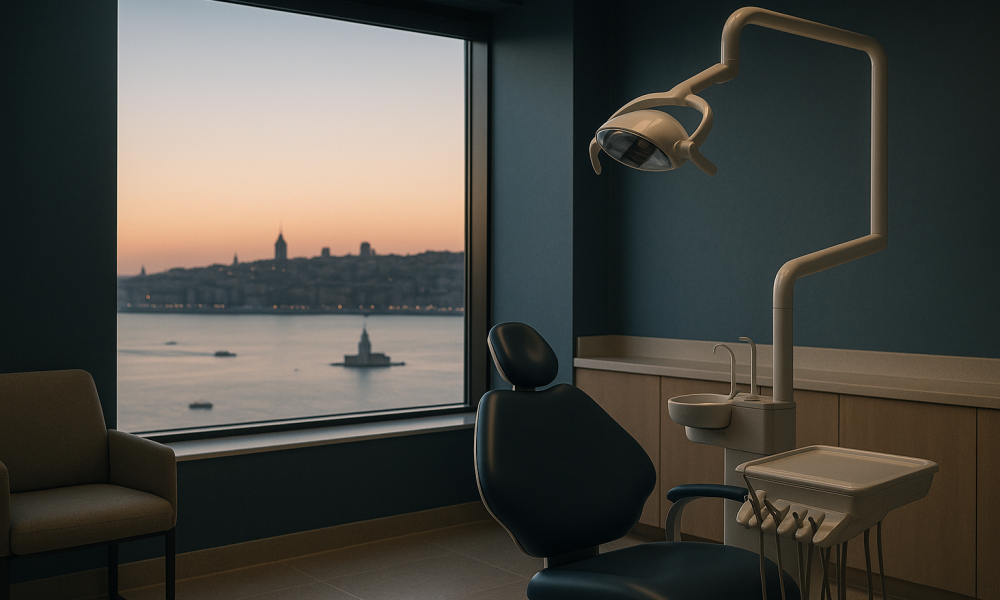
What Teeth Whitening is and who it is for
Teeth whitening is a popular cosmetic dental procedure aimed at lightening the natural colour of the teeth without removing any of the tooth surface. This procedure is particularly sought after by individuals looking to enhance their smile aesthetics. Common causes of tooth discolouration include dietary habits such as consumption of coffee, tea, red wine, and tobacco use. Additionally, the natural ageing process can lead to enamel thinning, which reveals the yellowish dentin beneath.
In Turkey, teeth whitening is performed using two main methods: in-office bleaching and at-home whitening kits. In-office bleaching involves the application of a high-concentration peroxide gel to the teeth, often activated by a special light or laser to accelerate the process. This method typically takes about 30 to 60 minutes, and results are visible immediately after the session. The alternative method, at-home whitening, involves custom-fitted trays provided by a dentist. Patients apply a lower-concentration peroxide gel in these trays over several days or weeks, depending on the desired level of whitening.
Teeth whitening is generally suitable for most adults; however, it is particularly recommended for those who have healthy teeth and gums, and are looking for a non-invasive way to improve their smile. It is important to note that teeth whitening is not effective on dental restorations such as crowns, veneers, or fillings, which do not respond to bleaching agents.
Turkey has become a leading destination for dental tourism, offering high-quality care at competitive prices. The cost of teeth whitening in Turkey typically ranges from €150 to €400, depending on the method used and the clinic’s location. This makes it an attractive option for Europeans seeking affordable yet professional dental care.
Are you a good candidate?
Before considering teeth whitening in Turkey, it is crucial to determine whether you are a suitable candidate for the procedure. The ideal candidate typically has healthy teeth and gums, free from significant dental issues such as cavities or gum disease. Additionally, they should have realistic expectations, understanding that while whitening can significantly brighten the teeth, the results vary based on the original tooth colour and the method used.
- Healthy teeth and gums: Candidates should have no untreated dental issues such as cavities or gum disease, as these could be exacerbated by the whitening process.
- Non-smokers or willing to abstain: Smoking can significantly reduce the effectiveness of whitening and can lead to rapid re-staining of the teeth.
- Avoidance of stain-causing foods and drinks: To maintain results, candidates should be willing to limit consumption of foods and beverages that cause stains, such as coffee, tea, and red wine.
- Realistic expectations: Candidates should understand that teeth whitening results can vary, and maintenance treatments may be necessary to sustain the desired shade.
- Age considerations: Generally, it is recommended for adults over the age of 18. Younger individuals may experience sensitivity due to less mature tooth enamel.
Consultation with a dental professional is essential to assess oral health and discuss the most appropriate whitening method. They can provide a customised treatment plan and ensure that the chosen whitening method aligns with the patient’s dental health and aesthetic goals.
The procedure, step by step
Teeth whitening in Turkey is a popular choice for many due to the country’s advanced dental services and competitive pricing. Understanding the procedure step-by-step can help you prepare for your treatment and set realistic expectations. Here is a detailed overview of what typically happens during a professional teeth whitening session:
- Initial Consultation: Your journey begins with a thorough consultation with a dental professional. This session involves discussing your dental history, expectations, and any potential concerns. The dentist will examine your teeth and gums to ensure they are healthy enough for the whitening process. If any issues such as cavities or gum disease are detected, these must be addressed before proceeding.
- Shade Assessment: Before starting the whitening process, the dentist will assess the current shade of your teeth. This is usually done using a tooth shade guide, which helps in setting a baseline to measure the effectiveness of the treatment.
- Preparation: The dentist will begin by cleaning your teeth to remove any plaque and tartar. This ensures that the whitening agent can be applied evenly. A protective barrier is then applied to your gums and lips to prevent irritation from the whitening gel.
- Application of Whitening Gel: A high-concentration whitening gel, typically containing hydrogen peroxide or carbamide peroxide, is applied to the surface of the teeth. The precise concentration and type of gel used can vary depending on the clinic’s protocol and the specific needs of the patient.
- Activation: In some cases, a special light or laser may be used to activate the whitening agents in the gel. This step can enhance the effectiveness of the treatment, although it is not always necessary.
- Waiting Period: The gel is left on the teeth for a specified period, usually between 15 to 30 minutes. During this time, you can relax in the dental chair while the gel works to break down stains on the enamel.
- Rinse and Reapplication: After the initial application period, the gel is rinsed off. Depending on the desired level of whitening and the condition of your teeth, the process may be repeated once or twice more during the same session.
- Final Rinse and Assessment: Once the desired shade is achieved, the dentist will rinse your teeth thoroughly. A final shade assessment is conducted to compare the results with the initial shade. Post-treatment care instructions will be provided to help maintain your new, brighter smile.
Recovery timeline
After a teeth whitening session, it is crucial to follow a specific recovery timeline to ensure the best results and maintain oral health. Here is a detailed breakdown of what you can expect in the days following the procedure:
| Period | What to expect | Care notes |
|---|---|---|
| Day 1 | Your teeth may feel slightly sensitive, particularly to hot and cold temperatures. This is a common reaction and should subside within a day or two. | Avoid consuming extremely hot or cold foods and drinks. Use a toothpaste designed for sensitive teeth to alleviate discomfort. |
| Days 2-3 | Sensitivity may persist but should gradually decrease. You might notice slight variations in tooth colour as the whitening agents continue to work. | Continue using sensitivity toothpaste. Maintain good oral hygiene by brushing gently and using a soft-bristled toothbrush. |
| Week 1 | By the end of the first week, sensitivity should be minimal, and the full effects of the whitening should be visible. Your teeth will appear noticeably brighter. | Avoid staining foods and beverages like coffee, tea, red wine, and tobacco products to maintain the results. Consider using a straw for drinks to minimise contact with teeth. |
| Full Recovery | Typically within two weeks, any sensitivity should have resolved completely. The whitening results are stable, and you can enjoy your new smile with confidence. | Schedule regular dental check-ups and cleanings to maintain oral health and prolong the effects of whitening. Discuss potential touch-up treatments with your dentist if necessary. |
Following these guidelines will help ensure a smooth recovery and long-lasting results from your teeth whitening treatment in Turkey.
What it costs: Turkey vs Europe
When considering teeth whitening treatments abroad, cost is often a significant factor. In Turkey, the cost of teeth whitening is generally lower than in many European countries. This difference can be attributed to several factors, including lower operational costs and a favourable exchange rate. It is important to understand that these figures are indicative and can vary based on the clinic, the specific treatment chosen, and any additional services included in the package.
| Country | Indicative Price Range (GBP) | Typical Package Inclusions |
|---|---|---|
| Turkey | £150 – £350 |
|
| United Kingdom | £400 – £700 |
|
| Germany | £350 – £650 |
|
In Turkey, teeth whitening packages often include additional services such as local transportation to and from the clinic, which can be a convenient benefit for international patients. This is in contrast to many European packages, which may offer only the basic treatment and consultation. It is advisable to confirm the details of what is included directly with the clinic to avoid any unexpected costs.
While the prices in Turkey are generally more affordable, it is crucial to consider the overall value and quality of care. Prospective patients should research and select clinics based on accreditation, patient reviews, and the qualifications of the dental professionals involved. By doing so, patients can ensure they receive not only a cost-effective treatment but also high standards of safety and care.
Risks and how accredited providers manage them
As with any dental procedure, teeth whitening carries certain risks. Common short-term side effects include tooth sensitivity and gum irritation. These effects are generally mild and temporary, resolving within a few days after treatment. However, understanding these risks and how they are managed is crucial for anyone considering teeth whitening, especially abroad.
Accredited providers in Turkey take several measures to mitigate these risks and ensure patient safety. Firstly, they conduct thorough pre-treatment assessments. This includes evaluating the patient’s dental history and current oral health to determine their suitability for the procedure. Patients with cavities, gum disease, or other dental issues may be advised to address these conditions before undergoing whitening treatment.
During the procedure, accredited clinics use high-quality materials and equipment that comply with international standards. For instance, many clinics use protective gels or barriers to shield the gums from the whitening agents, thereby minimising the risk of irritation. Additionally, they may offer desensitising treatments to manage any potential tooth sensitivity following the procedure.
Post-treatment care is another critical aspect managed by reputable providers. Patients are typically given detailed aftercare instructions, which may include recommendations on diet and oral hygiene practices to prolong the effects of the whitening and prevent sensitivity. Follow-up appointments may also be scheduled to monitor the patient’s recovery and address any concerns.
Accreditation plays a vital role in ensuring the quality and safety of dental treatments. Many clinics in Turkey are accredited by international bodies such as the Joint Commission International (JCI) or the European Society of Cosmetic Dentistry (ESCD). These accreditations indicate that the clinic adheres to rigorous standards of safety, hygiene, and quality of care. Patients are encouraged to verify the accreditation status of their chosen clinic as part of their research process.
While the risks associated with teeth whitening are generally low, choosing an accredited provider can significantly enhance patient outcomes. By ensuring that the clinic follows best practices and uses state-of-the-art techniques, patients can achieve their desired results with greater confidence and peace of mind.
How to choose the right provider
When considering teeth whitening in Turkey, selecting the right provider is crucial for a safe and effective experience. Begin by verifying the clinic’s accreditation. Look for clinics affiliated with reputable international dental organisations, which ensures adherence to high standards of care. Accreditation from bodies like the Joint Commission International (JCI) or the European Society of Cosmetic Dentistry (ESCD) can be good indicators of quality.
Next, assess the experience of the dental professionals. A seasoned dentist with a strong track record in cosmetic dentistry is essential. Review their educational background and years of practice in teeth whitening specifically. Many clinics provide biographies of their staff online, which can give insights into their expertise and specialisations.
Aftercare is another critical factor. A reputable provider will offer comprehensive aftercare instructions and support. This may include advice on diet and dental hygiene post-treatment, as well as follow-up consultations, either in-person or remotely. Be wary of providers who do not emphasise aftercare, as this can impact the longevity of your results.
Be alert to potential red flags. Avoid clinics that make unrealistic promises about results, such as guaranteeing a specific number of shades whiter. Similarly, be cautious if a provider pressures you into additional, unnecessary procedures. Transparent communication about what the treatment entails and its realistic outcomes is a must.
Finally, consider patient reviews and testimonials. While these should not be the sole basis for your decision, they can provide insight into other patients’ experiences. Look for consistent themes in feedback, particularly regarding the quality of care, satisfaction with results, and the professionalism of the staff.
Planning your trip
Planning your trip to Turkey for teeth whitening requires careful organisation to ensure a smooth experience. Start by establishing a timeline. It’s advisable to begin planning at least 6-8 weeks before your intended travel date. This allows ample time to research clinics, schedule consultations, and arrange travel logistics.
Ensure you have all necessary documents in order. A valid passport is essential, and depending on your country of origin, you may need a visa. Turkey offers an e-Visa system for many nationalities, which simplifies the process. Additionally, check for any specific COVID-19 travel requirements, such as vaccination certificates or negative test results.
Consider the length of your stay. While teeth whitening itself is a relatively quick procedure, often completed in one session lasting 1-2 hours, staying for a few extra days can be beneficial. This allows time for initial recovery and any follow-up appointments, should they be necessary. A typical stay might range from 3-5 days.
Plan for follow-up care once you return home. Discuss with your chosen provider how they handle post-treatment inquiries and any potential complications. It’s important to have a clear understanding of what support is available remotely, and whether they collaborate with any local dental professionals in your home country.
Lastly, consider travel insurance that covers medical procedures abroad. This can provide peace of mind in case of any unforeseen issues. Ensure your policy covers not only the procedure itself but also any travel disruptions that might occur.
Frequently Asked Questions
How much does teeth whitening in Turkey typically cost?
The cost of teeth whitening in Turkey can vary depending on the clinic and the specific treatment method used. On average, you can expect to pay between £150 and £400. This is generally more affordable compared to many European countries, but it is essential to confirm what is included in the price, such as consultations, the procedure itself, and any aftercare services.
What types of teeth whitening are available in Turkey?
In Turkey, patients can typically choose between in-office whitening and at-home whitening kits. In-office treatments often use advanced laser or LED technology to achieve faster results, usually in a single session. At-home kits involve custom trays and whitening gel, providing a more gradual whitening process over a couple of weeks. Your dentist will help determine the best option based on your dental health and whitening goals.
Is teeth whitening in Turkey safe?
Teeth whitening in Turkey is generally safe when performed by qualified professionals in accredited clinics. It is crucial to choose a provider with a good reputation and to ensure they follow international standards of care. Discuss any concerns with your dentist beforehand, and follow their aftercare instructions to minimise any potential side effects, such as sensitivity.
How long will the whitening results last?
The longevity of teeth whitening results varies, but typically, patients can expect the effects to last from six months to two years. This depends on factors like diet, oral hygiene, and lifestyle habits such as smoking. Regular dental check-ups and following post-whitening care instructions can help maintain the results for a longer period.
What should I do if I experience sensitivity after whitening?
Sensitivity after teeth whitening is not uncommon and usually temporary. To alleviate discomfort, use toothpaste designed for sensitive teeth, avoid very hot or cold foods and drinks, and follow any additional advice provided by your dentist. If sensitivity persists, contact your dentist for further guidance.
Are there any risks associated with teeth whitening?
While teeth whitening is generally safe, there are some potential risks, including increased tooth sensitivity and gum irritation. These side effects are usually temporary and can be managed with appropriate aftercare. It's important to follow your dentist's instructions and to report any prolonged discomfort or unusual symptoms.
How soon can I see results from teeth whitening?
Results from in-office teeth whitening are often noticeable immediately after the session, with the full effect visible within a few days. At-home whitening kits may take a couple of weeks to achieve desired results. Your dentist will provide a clearer timeline based on the method chosen and your individual circumstances.
Can I combine teeth whitening with other dental treatments?
Yes, teeth whitening can often be combined with other cosmetic dental treatments such as veneers or bonding. However, it is crucial to discuss this with your dentist to ensure treatments are scheduled appropriately. Whitening is usually recommended before other procedures to ensure colour matching with any restorations.
Will I need a follow-up appointment after whitening?
A follow-up appointment is not always necessary after teeth whitening, but some patients may benefit from an evaluation to ensure optimal results. Your dentist will advise if a follow-up is recommended based on your specific treatment and outcome.
What should I avoid eating after teeth whitening?
After teeth whitening, it's best to avoid foods and drinks that can stain your teeth, such as coffee, red wine, tea, berries, and sauces like soy sauce or tomato sauce. Smoking should also be avoided. Following a 'white diet' for a few days can help maintain your new smile.
How can I maintain my teeth whitening results?
To maintain teeth whitening results, practice good oral hygiene by brushing twice daily and flossing regularly. Avoid staining foods and drinks, or rinse your mouth with water after consuming them. Regular dental check-ups and cleanings will also help preserve your bright smile.
What should I pack for my trip to Turkey for teeth whitening?
When travelling to Turkey for teeth whitening, pack essentials such as travel documents, including your passport and any visa paperwork. Bring comfortable clothing, personal hygiene items, and any prescribed medications. Don't forget chargers for your electronic devices and a small first-aid kit for minor medical needs.