
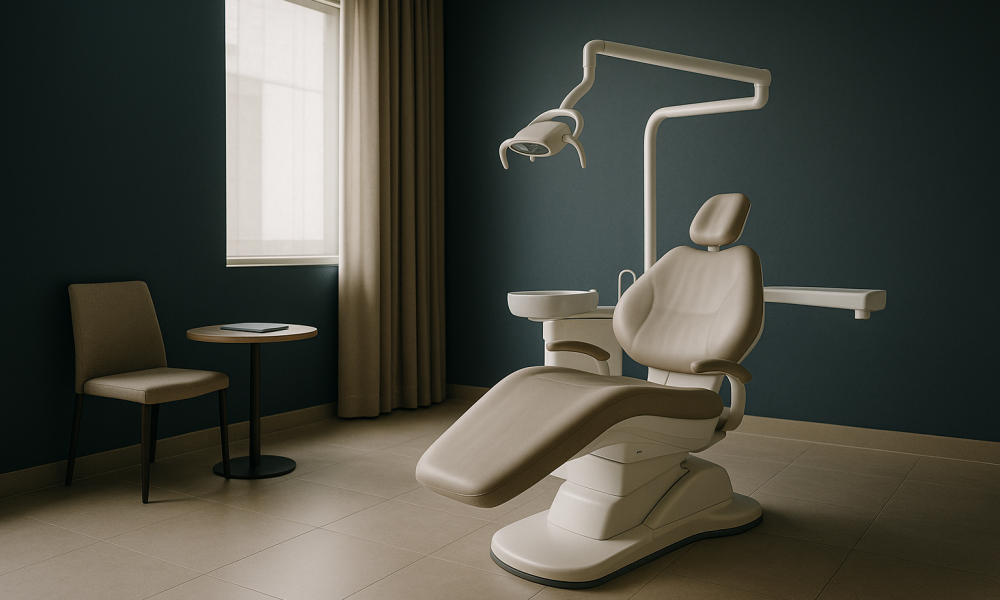
What Teeth Whitening is and who it is for
Teeth whitening is a popular cosmetic dental procedure aimed at enhancing the appearance of your smile by making your teeth several shades lighter. In Turkey, this procedure is often performed using advanced technologies and materials that are both effective and safe. The process involves the application of a whitening agent, usually hydrogen peroxide or carbamide peroxide, to the teeth. This agent breaks down stains and discolouration, resulting in a brighter smile. The procedure can be done in a dental office, often referred to as in-office whitening, or at home using custom-made trays provided by a dentist.
In-office whitening is typically completed in a single visit, which lasts between one to two hours. The dentist will first apply a protective barrier to the gums and lips before applying the whitening agent. Often, a special light or laser is used to enhance the effectiveness of the whitening agent. Patients can expect to see immediate results, with teeth appearing up to several shades lighter post-treatment.
Teeth whitening is suitable for individuals who have healthy, unrestored teeth and healthy gums. It’s particularly beneficial for those experiencing discolouration from factors such as smoking, consumption of staining foods and beverages, or natural ageing. However, it’s crucial to note that teeth whitening is not effective on crowns, veneers, or fillings, and it may not be suitable for individuals with severe tooth sensitivity or certain dental conditions.
Turkey has become a popular destination for teeth whitening due to its combination of high-quality dental care and affordability. Many international patients, including those from Australia, choose Turkey for cosmetic dental procedures because of the competitive pricing, which typically ranges from £150 to £300, depending on the method used and the clinic’s location. This price often includes the consultation, the whitening procedure, and any follow-up visits required.
Are you a good candidate?
Determining if you are a good candidate for teeth whitening involves several considerations, primarily related to the health of your teeth and gums, as well as your personal expectations. It’s essential to have realistic expectations about the results and to understand that individual outcomes can vary based on the initial condition of your teeth.
Here are some key criteria to help you assess your suitability for teeth whitening:
- Healthy Teeth and Gums: Ideal candidates have no untreated cavities or gum disease. It’s important to address any oral health issues before undergoing whitening.
- Type of Staining: Surface stains caused by food, drinks, or smoking respond well to whitening. However, intrinsic stains, which are deeper, may require alternative treatments.
- No Dental Restorations: Teeth whitening does not change the colour of crowns, veneers, or fillings. If you have these, consider how whitening might affect the uniformity of your smile.
- Realistic Expectations: Understanding that whitening results can vary is crucial. Discussing potential outcomes with a dentist can help set realistic goals.
- Age Considerations: While whitening is generally safe for adults, it’s typically not recommended for those under 16, as the pulp chamber is larger and more sensitive.
- Sensitivity Concerns: If you have sensitive teeth, discuss this with your dentist. They may recommend specific treatments or precautions to minimise discomfort.
- Non-Smoker: Smoking can reduce the longevity of the whitening results. Non-smokers tend to maintain their results longer.
If you meet these criteria, teeth whitening in Turkey could be a suitable option for you. However, a consultation with a dental professional is indispensable to tailor the procedure to your specific needs and ensure optimal results.
The procedure, step by step
Teeth whitening in Turkey is a straightforward procedure that can significantly enhance your smile. The process typically involves a professional dental team and state-of-the-art technology to ensure optimal results. Here is a step-by-step guide to what you can expect during the procedure:
- Initial Consultation: Before the procedure, you will have an initial consultation with a dentist. This session involves a thorough examination of your oral health, discussing your aesthetic goals, and determining the most suitable whitening method for you. The dentist may take dental impressions or photographs to create a record of your teeth’s current shade.
- Pre-Treatment Preparation: Once the treatment plan is agreed upon, a scaling and polishing session may be carried out. This step removes any plaque or tartar build-up, ensuring the whitening agent works effectively. The dentist will also protect your gums and soft tissues by applying a protective gel or rubber shield.
- Application of Whitening Agent: The core of the procedure involves applying a whitening gel containing hydrogen peroxide or carbamide peroxide to your teeth. The concentration of the active ingredient can vary, typically ranging from 15% to 43%. This gel is carefully applied to avoid contact with the gums.
- Activation of Whitening Gel: The whitening gel is activated using a special light or laser, which helps to break down stains and discolouration. This activation process usually lasts between 15 to 30 minutes, depending on the desired level of whitening and the initial shade of your teeth.
- Monitoring and Re-application: The dentist will monitor the progress and may apply additional layers of the whitening gel if necessary, each activation cycle lasting around 10 to 15 minutes. This process may be repeated once or twice within the same session to achieve optimal results.
- Post-Treatment Rinse: After the final activation, the whitening gel is removed, and your teeth are rinsed thoroughly. The dentist will then evaluate the results and ensure your teeth have reached the desired shade.
- Aftercare Instructions: The dentist will provide you with aftercare instructions, which may include avoiding certain foods and drinks that could stain your teeth, such as coffee, tea, and red wine, for at least 24 to 48 hours post-treatment.
This comprehensive approach ensures that the teeth whitening procedure not only delivers effective results but also maintains the health and integrity of your teeth and gums.
Recovery timeline
Understanding the recovery process after teeth whitening is crucial for maintaining the results and ensuring the health of your teeth and gums. The recovery is generally swift, but there are specific care measures you should follow during this period.
| Period | What to expect | Care notes |
|---|---|---|
| Day 1 | Immediately after the procedure, you may experience mild tooth sensitivity and gum irritation. This is a common reaction due to the whitening agents used. | Avoid extremely hot or cold foods and drinks. Use toothpaste designed for sensitive teeth to help alleviate discomfort. |
| Days 2-3 | Sensitivity should begin to decrease. Teeth may appear slightly whiter than the final shade due to dehydration of the enamel. | Continue using sensitive toothpaste. Hydrate well to aid enamel rehydration. Avoid staining foods and beverages. |
| Week 1 | Sensitivity typically subsides completely. The final shade of your teeth becomes stable. | Maintain good oral hygiene practices. Consider using a straw for beverages that might stain your teeth. |
| Week 2 | Teeth should now be at their optimal whiteness. Any initial sensitivity should be resolved. | Regular dental care routine should be resumed. Schedule a follow-up with your dentist if any unusual symptoms persist. |
| Full Recovery (up to 1 month) | Your teeth should be fully adjusted to the whitening treatment, with no lingering sensitivity or discomfort. | Continue avoiding excessive intake of staining agents. Regular check-ups are advised to monitor oral health. |
By following these care notes and maintaining regular dental hygiene, you can enjoy the benefits of your teeth whitening treatment for an extended period.
What it costs: Turkey vs Australia
When considering teeth whitening treatments, cost is often a significant factor for many patients. In Turkey, the cost of dental care, including teeth whitening, is generally lower than in Australia. This is largely due to differences in operating costs, such as lower overheads and competitive pricing. However, it is important to understand what these costs typically include to make an informed decision.
| Treatment | Turkey (Indicative Range) | Australia (Indicative Range) | Typical Inclusions |
|---|---|---|---|
| In-Office Whitening | £150 – £300 | £400 – £900 | Consultation, whitening session, follow-up |
| Take-Home Whitening Kits | £80 – £150 | £250 – £400 | Custom trays, whitening gel, instructions |
| Laser Whitening | £200 – £400 | £500 – £1,000 | Consultation, laser session, follow-up |
These figures are indicative and may vary based on factors such as the chosen clinic, the experience of the dental professional, and the specific requirements of the patient. Packages often include initial consultations to assess dental health, the whitening procedure itself, and follow-up visits to ensure optimal results and address any concerns. Some clinics may also provide additional services, such as airport transfers or accommodation arrangements, particularly for international patients.
While the lower cost in Turkey is attractive, it is crucial to ensure that the quality of care and the materials used meet international standards. Prospective patients should seek clinics that are transparent about their pricing and inclusions to avoid unexpected expenses. Thorough research and direct communication with potential providers can help clarify what is covered in the quoted prices.
Risks and how accredited providers manage them
Teeth whitening, while generally safe, does come with potential risks, particularly if not performed under professional supervision. Common risks include increased tooth sensitivity, gum irritation, and uneven whitening. In some cases, if pre-existing dental issues are not addressed prior to whitening, the procedure might exacerbate problems such as tooth decay or gum disease.
Accredited providers in Turkey are well-equipped to manage these risks through a combination of thorough pre-treatment assessments and the use of high-quality materials. Before proceeding with any whitening treatment, a comprehensive dental examination is typically conducted to ensure that the patient is a suitable candidate. This examination helps identify any underlying dental issues that need to be addressed prior to whitening, thereby minimising potential complications.
- Pre-treatment Evaluation: Accredited providers conduct detailed assessments to evaluate the health of teeth and gums. This includes checking for cavities, gum disease, or any other conditions that could affect the safety and effectiveness of the whitening process.
- Use of High-Quality Products: Clinics use professional-grade whitening agents that are proven to be effective and safe for dental use. These products are often more concentrated than over-the-counter options, allowing for better control and results.
- Professional Supervision: The whitening process is monitored by experienced dental professionals who can adjust the treatment as needed to minimise discomfort and maximise results.
- Post-Treatment Care: After the procedure, patients receive guidance on managing sensitivity and maintaining results, which may include the use of desensitising toothpaste or follow-up visits to track progress and address any lingering concerns.
Choosing an accredited provider in Turkey not only ensures adherence to international dental standards but also provides peace of mind that any potential risks are managed effectively. Patients are encouraged to verify the accreditation of the dental clinic and the credentials of the practitioners, ensuring that they are registered with relevant Turkish and international dental authorities. This due diligence is a critical step in ensuring a safe and successful teeth whitening experience abroad.
How to choose the right provider
Choosing the right provider for teeth whitening in Turkey is crucial to ensure a safe and satisfactory experience. The first step is to look for accreditation. Reputable clinics are often accredited by international organisations such as the Joint Commission International (JCI) or the International Society for Quality in Health Care (ISQua). These accreditations indicate adherence to global healthcare standards.
Next, consider the experience of the dental professionals involved. A dentist with extensive experience in cosmetic dentistry, particularly in teeth whitening, is likely to provide better results. Look for practitioners who have received their education from recognised institutions and have years of practice in the field. It is beneficial to request before-and-after photos of previous patients to gauge the quality of their work.
Aftercare services are also a vital consideration. A reliable provider will offer comprehensive aftercare instructions to ensure the longevity of your teeth whitening results. This may include advice on diet, oral hygiene, and follow-up check-ups. Some clinics may offer remote consultations post-treatment to monitor your progress, which is particularly valuable for international patients.
Be aware of red flags when selecting a provider. Avoid clinics that guarantee results or offer prices that seem too good to be true. Quality treatment comes at a cost, and prices significantly lower than the typical range of £150 to £300 per session should be approached with caution. Additionally, check online reviews and testimonials to gather insights from past patients. Consistently negative feedback or a lack of transparency in communication can be indicative of subpar service.
Finally, consider the overall patient experience. Factors such as the cleanliness of the facility, the professionalism of the staff, and the ease of communication can greatly affect your treatment journey. A clinic that prioritises patient comfort and provides clear information will help ensure a smooth and stress-free experience.
Planning your trip
When planning your trip for teeth whitening in Turkey, it is important to follow a structured timeline to ensure a smooth process. Start by researching and selecting a clinic at least three months before your intended travel date. This allows ample time to gather necessary information, schedule appointments, and make travel arrangements.
Ensure you have all required documents, such as a valid passport with at least six months’ validity from your date of entry into Turkey. You may also need a visa, which can often be obtained easily online. Additionally, have copies of your medical and dental history ready to share with your chosen provider.
The typical length of stay for teeth whitening procedures is relatively short. Many patients opt for a stay of 3 to 5 days, which allows time for the procedure and any immediate follow-up appointments. However, it is wise to plan for a slightly longer stay in case of unforeseen delays or additional treatments.
Consider the timing of your trip carefully. Avoid scheduling your treatment immediately before important events, as some patients may experience temporary sensitivity or discomfort following the procedure. Allow yourself a few days after the treatment to rest and enjoy the local surroundings.
Upon returning home, follow-up care is crucial to maintaining your results. Arrange for a dental check-up with your local dentist within a few months of returning to monitor the health of your teeth and gums. This is also an opportunity to discuss any concerns or questions that may have arisen post-treatment.
Finally, consider the financial aspect of your trip. The cost of teeth whitening in Turkey typically ranges from £150 to £300 per session. Factor in travel expenses, accommodation, and any additional treatments you might consider while in Turkey. By planning your budget in advance, you can avoid unexpected expenses and enjoy a stress-free trip.
Frequently Asked Questions
What is the typical cost of teeth whitening in Turkey?
The cost of teeth whitening in Turkey typically ranges from £150 to £300 per session. This cost can vary based on the clinic's location, the experience of the dental professional, and the specific method of whitening used. It is advisable to contact multiple clinics to obtain quotes and ensure you are getting a fair price without compromising on quality.
Is teeth whitening in Turkey safe?
Teeth whitening in Turkey can be safe when performed by qualified and experienced dental professionals. It is important to choose a clinic that is accredited by reputable international organisations and adheres to high standards of hygiene and patient care. Always ensure the clinic provides thorough consultations and clear aftercare instructions to mitigate any risks.
How long should I plan to stay in Turkey for teeth whitening?
Most patients plan a stay of 3 to 5 days for teeth whitening in Turkey. This duration allows time for the procedure and any immediate follow-up appointments. It is advisable to plan for a slightly longer stay to accommodate any unforeseen delays or additional treatments, ensuring a stress-free experience.
Will my teeth be sensitive after the whitening procedure?
It is common for patients to experience temporary sensitivity after a teeth whitening procedure. This sensitivity is typically mild and subsides within a few days. Your dentist will provide specific aftercare instructions to help manage any discomfort, such as avoiding very hot or cold foods and using toothpaste designed for sensitive teeth.
What documents do I need to bring for my treatment in Turkey?
You will need a valid passport with at least six months of validity from your entry date into Turkey. Additionally, you may require a visa, which can often be obtained online. It is also important to bring copies of your medical and dental history to share with your chosen provider to ensure the best care.
Can I combine teeth whitening with a holiday in Turkey?
Yes, many patients combine their teeth whitening procedure with a holiday in Turkey. The country offers rich cultural experiences, beautiful landscapes, and delicious cuisine. Ensure you schedule your treatment early in your trip to allow for any necessary recovery time before engaging in more strenuous activities or travel.
What should I consider when choosing a clinic in Turkey?
When choosing a clinic in Turkey, consider factors such as accreditation, the experience of the dentists, aftercare services, and patient reviews. Look for clinics accredited by reputable organisations and ensure the dental professionals have significant experience in cosmetic dentistry. Comprehensive aftercare and positive patient testimonials are also important indicators of quality.
How do I manage aftercare once I return home?
After returning home, it is important to follow the aftercare instructions provided by your dentist to maintain your whitening results. Arrange for a follow-up check-up with your local dentist to monitor your dental health. This visit is an opportunity to address any concerns or questions that may arise after your treatment.
Will I need a follow-up appointment after my whitening treatment?
A follow-up appointment is often recommended to ensure the success of your teeth whitening treatment and to address any concerns. Some clinics may offer remote consultations as part of their aftercare services. Additionally, scheduling a check-up with your local dentist within a few months of returning home is advisable.
Are there any risks associated with teeth whitening?
Teeth whitening is generally considered safe, but there are risks of temporary sensitivity and gum irritation. Choosing a qualified and experienced dental professional reduces these risks. Ensure the clinic provides thorough consultations and clear aftercare instructions to help manage any potential side effects.
How can I verify the qualifications of the dentist in Turkey?
You can verify the qualifications of a dentist in Turkey by checking their educational background, years of experience, and any special certifications in cosmetic dentistry. Reputable clinics often provide this information on their websites. Additionally, accreditation by international organisations can be a reliable indicator of a dentist's qualifications.
What payment methods are accepted for dental treatments in Turkey?
Most dental clinics in Turkey accept major credit cards, bank transfers, and cash payments. It is advisable to confirm the payment methods accepted by your chosen clinic in advance to ensure a smooth transaction. Some clinics may offer payment plans, so inquire about these options if needed.