
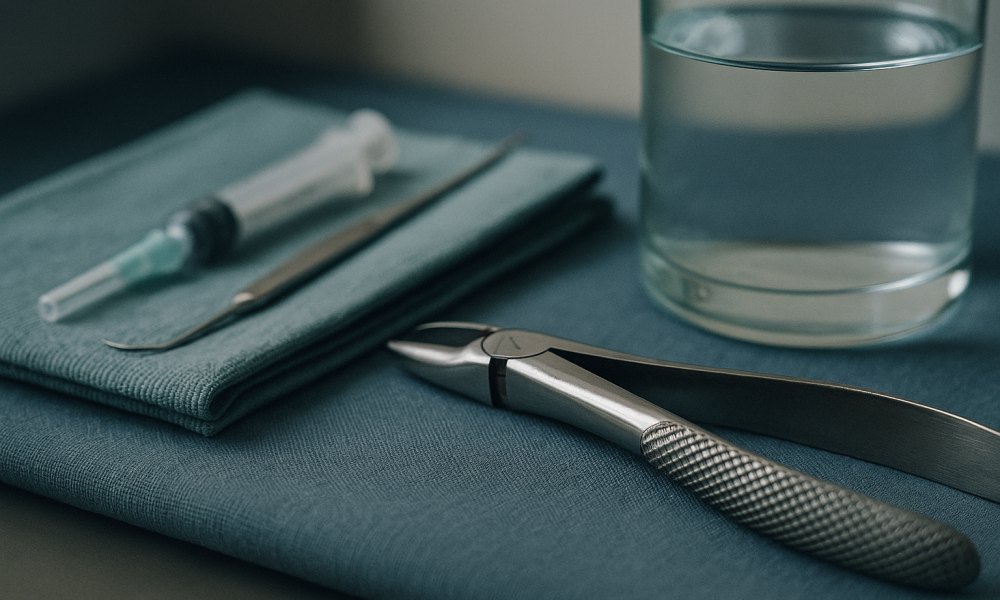
What Wisdom Teeth Removal is and who it is for
Wisdom teeth removal, also known as third molar extraction, is a common dental procedure aimed at addressing issues caused by the last set of molars that typically emerge in late adolescence or early adulthood. These teeth often become problematic due to a lack of space in the jaw, leading to impaction, misalignment, or infection. The procedure is intended to alleviate pain, prevent future dental complications, and maintain oral health.
In Turkey, wisdom teeth removal is typically performed by experienced oral surgeons or dentists in modern, well-equipped clinics. The procedure involves making an incision in the gum tissue to expose the tooth and bone, removing any bone blocking access to the tooth root, and then extracting the tooth. If the tooth is impacted, it may be sectioned into smaller pieces for easier removal. Patients are usually given local anaesthesia, although general anaesthesia may be recommended in more complex cases.
Wisdom teeth removal is suitable for individuals experiencing pain, infection, or dental crowding due to their wisdom teeth. It is also recommended for those whose wisdom teeth are impacted, partially erupted, or growing at an angle that could damage adjacent teeth. The treatment is not exclusively for those with immediate symptoms; proactive removal can prevent potential complications such as cysts or damage to other teeth.
Turkey offers a cost-effective option for this procedure, with prices significantly lower than in the UK. The indicative cost ranges from £200 to £500 per tooth, depending on the complexity of the extraction and the clinic’s location. Patients can expect modern facilities and a high standard of care, with many clinics offering English-speaking staff to assist international patients.
Are you a good candidate?
Determining whether you are a good candidate for wisdom teeth removal involves considering several factors related to your oral health and overall medical condition. Not everyone with wisdom teeth requires extraction; however, there are specific indicators that suggest removal is beneficial.
- Experiencing pain or discomfort in the back of the mouth where wisdom teeth are located.
- Frequent infections or inflammation in the gums surrounding the wisdom teeth.
- Visible crowding or shifting of adjacent teeth due to pressure from emerging wisdom teeth.
- Partially erupted wisdom teeth that are difficult to clean, leading to cavities or gum disease.
- X-ray evidence of impacted wisdom teeth that could cause future dental issues.
- Presence of cysts or tumours around the wisdom teeth as shown in dental imaging.
- Recommendations from a dentist or oral surgeon based on clinical examination and imaging findings.
Patients should also consider their overall health before undergoing the procedure. Those with certain medical conditions, such as heart disease or a compromised immune system, should discuss potential risks with their healthcare provider. Additionally, smokers or individuals with a history of severe dental anxiety may require special considerations during treatment planning.
Ultimately, a thorough dental examination and consultation with a qualified dental professional in Turkey will provide the best guidance. This assessment will typically include a panoramic X-ray to evaluate the position of your wisdom teeth and any underlying issues. By understanding the specific needs and conditions of your oral health, you and your dentist can make an informed decision about whether wisdom teeth removal is the right option for you.
The procedure, step by step
Having your wisdom teeth removed in Turkey involves a well-established procedure that prioritises patient safety and comfort. Understanding each step of the process can help alleviate anxiety and prepare you for what to expect. Here is a detailed overview:
- Initial Consultation: Before the procedure, you will have a consultation with a dental specialist. This may involve a panoramic X-ray to assess the position of the wisdom teeth and their relationship to nearby nerves and other structures. The dentist will explain the procedure, discuss potential risks, and answer any questions you may have.
- Anaesthesia: On the day of the surgery, you will receive anaesthesia. This could be a local anaesthetic to numb the area, sedation to help you relax, or general anaesthesia if multiple teeth are being extracted at once. The choice depends on the complexity of the extraction and your personal preference.
- Incision and Tooth Removal: The dentist will make a small incision in the gum to expose the tooth and bone. If necessary, the tooth may be divided into sections to facilitate easier removal. This step is performed with precision to minimise trauma to the surrounding tissue.
- Cleaning the Site: Once the tooth is removed, the dentist will clean the extraction site to remove any debris or bone fragments. This helps to prevent infection and ensures proper healing.
- Suturing: In some cases, the dentist may place stitches to promote healing. Some stitches are self-dissolving, while others may need to be removed at a follow-up appointment.
- Post-Operative Care Instructions: After the procedure, you will receive detailed instructions on how to care for your mouth during recovery. This includes information on managing pain, swelling, and diet restrictions.
- Follow-Up: A follow-up appointment may be scheduled to monitor your healing progress and to remove any non-dissolvable stitches. This is an opportunity to address any concerns you may have as you recover.
Each step of the procedure is carried out with the utmost care to ensure a successful outcome and a smooth recovery. The entire process, from consultation to follow-up, reflects the high standards of dental care available in Turkey.
Recovery timeline
Recovering from wisdom teeth removal is a gradual process that varies from person to person. However, there is a general timeline that most patients can expect to follow. Understanding this timeline can help you prepare for the recovery period and ensure that you take the necessary steps for a smooth healing process.
| Period | What to Expect | Care Notes |
|---|---|---|
| Day 1 | Initial recovery from anaesthesia. Expect some bleeding, swelling, and discomfort. | Rest and avoid physical activity. Use ice packs to reduce swelling and take prescribed pain medication as needed. Stick to soft foods and avoid using straws. |
| Days 2-3 | Swelling may peak. Bruising may start to appear. Pain should begin to decrease. | Continue with pain management and cold compresses. Maintain oral hygiene by gently rinsing with salt water, avoiding vigorous actions. |
| Days 4-7 | Swelling and discomfort should begin to subside. Bruising may become more noticeable. | Transition to warm compresses to aid in reducing swelling. Gradually reintroduce more solid foods. |
| Weeks 2-3 | Most swelling and bruising should be resolved. Jaw stiffness may linger. | Focus on returning to normal activities but avoid strenuous exercise. Continue gentle oral hygiene practices. |
| Week 4 and beyond | Full recovery is expected. Any residual discomfort should be minimal. | Attend any follow-up appointments to ensure proper healing. Resume normal diet and activities as comfort allows. |
While this timeline provides a general guide, individual recovery experiences can vary. It’s important to follow the care instructions provided by your dental professional and to contact them if you experience any unusual symptoms such as excessive bleeding or severe pain.
What it costs: Turkey vs the United Kingdom
When considering wisdom teeth removal in Turkey, cost is often a significant factor for patients from the United Kingdom. While prices vary depending on the complexity of the procedure and the clinic’s location, Turkey generally offers competitive pricing compared to the UK. It’s important to note that the figures provided here are indicative and can vary based on individual circumstances and specific clinic offerings.
| Country | Indicative Price Range (per tooth) | Typical Inclusions |
|---|---|---|
| Turkey | £100 – £250 |
|
| United Kingdom | £300 – £800 |
|
As shown in the table, the cost of wisdom teeth removal in Turkey can be substantially lower than in the UK. This price difference is largely due to lower operational costs in Turkey rather than a compromise on quality. Many Turkish clinics offer comprehensive packages that include additional services such as pre-operative tests and follow-up appointments, which might incur extra charges in the UK.
In addition to the base cost, prospective patients should consider travel and accommodation expenses. Turkey’s well-developed medical tourism industry often collaborates with hotels to provide discounted rates for international patients, potentially offsetting these additional costs. Furthermore, some clinics offer packages that include airport transfers and accommodation arrangements, adding convenience and value to the overall experience.
While cost is an important factor, patients should weigh it against other considerations such as the clinic’s accreditation, the experience of the dental professionals, and the quality of care provided. Ensuring that the chosen clinic meets international standards of dental practice is crucial for a safe and successful treatment.
Ultimately, the decision to undergo wisdom teeth removal in Turkey should be based on a balanced assessment of cost, quality, and personal comfort with the healthcare provider. Patients are encouraged to conduct thorough research, seek recommendations, and consult with dental professionals to make an informed decision.
Risks and how accredited providers manage them
Like any surgical procedure, wisdom teeth removal carries certain risks. These can include infection, excessive bleeding, swelling, nerve damage, and complications related to anaesthesia. However, accredited providers in Turkey implement stringent protocols to manage and minimise these risks effectively, ensuring patient safety and comfort throughout the process.
Infection is one of the most common risks associated with wisdom teeth removal. Accredited clinics in Turkey employ rigorous sterilisation techniques and use high-quality, sterile equipment to prevent infection. Patients are typically prescribed antibiotics post-surgery to further reduce the risk of infection. Additionally, clinics provide detailed post-operative care instructions, advising patients on how to maintain oral hygiene and recognise early signs of infection.
Excessive bleeding is another potential risk. To mitigate this, experienced dental surgeons in Turkey utilise precise surgical techniques to minimise tissue damage and promote clotting. Patients are advised to avoid certain activities, such as smoking and vigorous exercise, which can exacerbate bleeding. Follow-up appointments are scheduled to monitor healing and address any concerns.
Nerve damage, though rare, can occur, particularly if the wisdom teeth are located near major nerves. Accredited providers conduct thorough pre-operative assessments, including X-rays or CT scans, to map out the exact position of the teeth and surrounding nerves. This allows the surgeon to plan the procedure meticulously, reducing the likelihood of nerve injury.
Complications related to anaesthesia are managed by employing skilled anaesthetists who adhere to international guidelines for anaesthesia administration. Prior to the procedure, patients undergo a comprehensive evaluation to determine the most appropriate type of anaesthesia and to identify any potential allergies or contraindications.
Accredited clinics in Turkey often have multilingual staff to ensure clear communication with international patients, which is crucial for understanding risks and managing expectations. They also maintain transparent records and are willing to discuss their success rates and patient testimonials, providing reassurance to prospective patients.
Ultimately, while risks are inherent in any surgical procedure, the combination of skilled professionals, advanced technology, and stringent safety protocols at accredited clinics in Turkey significantly mitigates these risks. Patients are encouraged to discuss any concerns with their chosen provider and to follow all pre- and post-operative instructions carefully to ensure the best possible outcome.
How to choose the right provider
When selecting a provider for wisdom teeth removal in Turkey, several factors should be carefully considered to ensure a safe and successful experience. Accreditation is crucial; look for clinics that are accredited by international bodies such as the Joint Commission International (JCI) or the International Organization for Standardization (ISO), as these certifications indicate adherence to global standards in healthcare quality and safety.
Another vital aspect is the experience and qualifications of the dental surgeon. Ideally, the surgeon should have specialised training in oral and maxillofacial surgery, with a substantial number of successful procedures in their portfolio. Inquire about their education, years of practice, and any additional certifications they may hold. A reputable clinic will provide this information willingly.
Aftercare is an integral component of the recovery process. Ensure the clinic offers comprehensive post-operative care, including follow-up appointments and access to dental professionals who can address any complications or concerns. Some clinics might provide 24/7 support or a dedicated patient liaison to assist you during your stay.
Be vigilant for red flags such as a lack of transparency about costs, reluctance to provide credentials, or pressure tactics to make quick decisions. Trustworthy clinics will offer clear, itemised estimates and will not hesitate to answer your questions. Additionally, they will have reviews and testimonials from previous international patients, which can provide insights into their services and patient satisfaction.
Ultimately, choosing the right provider involves thorough research and careful consideration of all these factors. A well-informed decision will contribute significantly to a positive treatment experience.
Planning your trip
Planning your trip for wisdom teeth removal in Turkey requires careful timing and preparation. Ideally, start planning at least 6 to 8 weeks before your intended travel date to allow sufficient time for research and arrangements. This timeframe will enable you to consult with the chosen clinic, gather necessary documents, and finalise travel logistics.
Essential documents include a valid passport with at least six months’ validity from your return date, and any medical records or previous dental x-rays that might assist in your treatment. It’s advisable to have a comprehensive travel insurance policy that covers medical procedures abroad, ensuring peace of mind in case of unexpected events.
Consider the typical length of stay in Turkey for this procedure. Generally, you should plan for a stay of around 5 to 7 days. This duration allows for pre-operative consultations, the surgical procedure, and initial recovery. Some patients may require additional time for follow-up appointments to ensure proper healing before returning home.
Post-procedure, follow-up care is crucial. Before leaving Turkey, ensure you have a clear understanding of the aftercare instructions and any prescribed medications. Arrange for follow-up appointments with your local dentist or oral surgeon in the UK to monitor your recovery and address any complications. Most clinics will provide a detailed report of the procedure and recovery recommendations to share with your home-based healthcare provider.
Finally, ensure your travel arrangements include comfortable accommodations and consider any dietary restrictions post-surgery, as you might need to consume soft foods. Planning your trip meticulously will help facilitate a smooth treatment journey and recovery.
Frequently Asked Questions
What is the typical cost range for wisdom teeth removal in Turkey?
The cost for wisdom teeth removal in Turkey can vary based on factors such as the complexity of the extraction and the clinic's location. Typically, you can expect to pay between £150 to £400 per tooth. This price range is indicative and can differ based on the specifics of your case and the provider you choose.
Are there any risks associated with having wisdom teeth removed in Turkey?
As with any surgical procedure, there are risks involved in wisdom teeth removal, such as infection, dry socket, and nerve damage. However, choosing a reputable clinic with experienced surgeons can minimise these risks. It's important to discuss potential complications with your surgeon before proceeding with the treatment.
How can I verify the accreditation of a dental clinic in Turkey?
You can verify a clinic's accreditation by checking for certifications from recognised international bodies such as the Joint Commission International (JCI) or the International Organization for Standardization (ISO). Additionally, you can ask the clinic directly for proof of accreditation or visit their website for more information.
What should I include in my travel insurance for the procedure?
Your travel insurance should cover medical treatment abroad, including dental procedures. Ensure it also covers emergency medical evacuation, trip cancellations, and any complications that may arise post-surgery. It's crucial to read the policy details carefully to understand the extent of the coverage provided.
How long should I plan to stay in Turkey after the surgery?
Typically, you should plan to stay in Turkey for 5 to 7 days following wisdom teeth removal. This allows time for pre-operative consultations, the surgery itself, and initial recovery. Your surgeon may recommend a specific timeframe based on your individual health needs and the complexity of the procedure.
Will I need follow-up appointments after returning to the UK?
Yes, follow-up appointments are essential to ensure proper healing and to address any complications. Arrange to see your local dentist or oral surgeon in the UK soon after your return. The Turkish clinic should provide a detailed report of your procedure and recovery instructions to assist your UK-based healthcare provider.
What should I expect during the recovery period?
During the recovery period, you may experience swelling, discomfort, and some bleeding. It's important to follow the aftercare instructions provided by your surgeon, which may include taking prescribed medication, maintaining oral hygiene, and adhering to dietary restrictions. Full recovery typically takes one to two weeks.
Are there any dietary restrictions after wisdom teeth removal?
Yes, after wisdom teeth removal, you should follow a soft food diet to avoid irritating the surgical site. Foods such as yoghurt, soups, mashed potatoes, and smoothies are recommended. Avoid hard, crunchy, or hot foods and drinks that could disrupt the healing process or cause discomfort.
What should I bring with me for the procedure?
Bring your passport, travel insurance details, and any relevant medical records or x-rays. Comfortable clothing is advisable for the day of the procedure. Additionally, consider bringing items for your comfort during recovery, such as a travel pillow, soft foods, and any prescribed medications.
How can I ensure the surgeon is qualified?
Research the surgeon's credentials, ensuring they have specialised training in oral and maxillofacial surgery. Look for evidence of their education, years of practice, and any additional certifications. A reputable clinic will willingly provide this information, and reviews from previous patients can also offer valuable insights.
Are payment plans available for the procedure?
Many clinics in Turkey offer flexible payment plans or financing options for international patients. It's advisable to discuss these options during your initial consultation. Ensure you understand the terms and conditions before committing, and always get a written agreement outlining the payment structure.
What if I experience complications after returning home?
If you experience complications after returning home, contact your local dentist or oral surgeon immediately. It’s crucial to have follow-up care arranged prior to your trip. The Turkish clinic should provide a detailed report of your procedure, which will help your UK-based healthcare provider manage any post-operative issues effectively.