
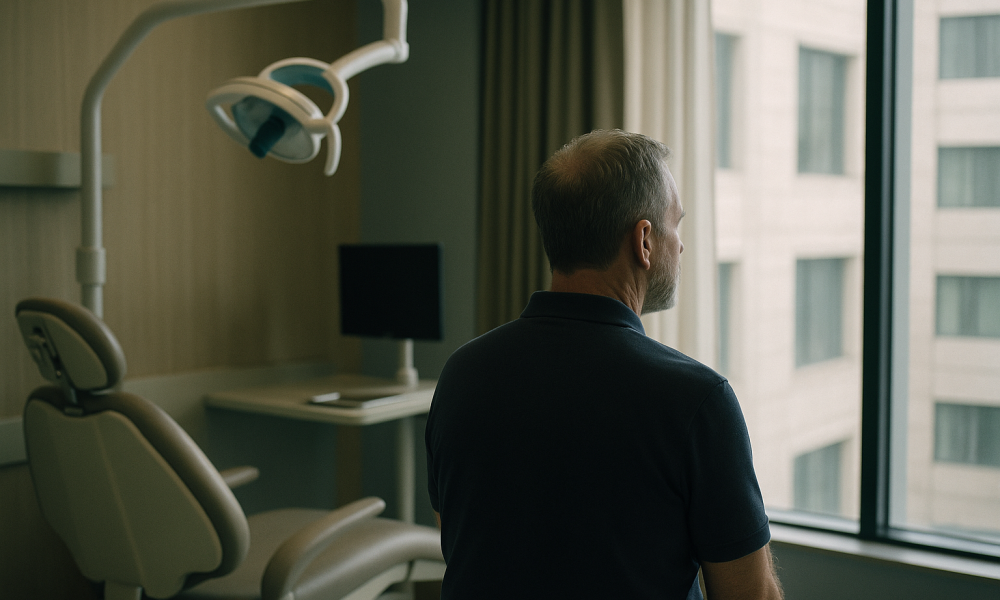
What Wisdom Teeth Removal is and who it is for
Wisdom teeth removal, also known as third molar extraction, is a common dental procedure aimed at alleviating problems caused by the emergence of wisdom teeth. These teeth are the last set of molars that typically appear between the ages of 17 and 25. However, due to limited space in the jaw, they often become impacted or misaligned, leading to pain, infection, and other dental issues. The procedure involves the careful removal of one or more of these teeth by a qualified dental professional.
The need for wisdom teeth removal is generally identified through routine dental check-ups and X-rays, which reveal the position and health of the teeth. Common symptoms indicating the necessity for removal include persistent pain at the back of the mouth, swelling, and difficulty opening the jaw. Impacted wisdom teeth can also lead to the development of cysts or damage to adjacent teeth, making timely intervention crucial.
Wisdom teeth removal is considered when there is clear evidence of complications or potential future problems. The procedure is typically performed under local anaesthesia, although general anaesthesia may be used for more complex cases or patient preference. The surgery itself can last anywhere from 45 to 90 minutes, depending on the number of teeth being removed and their condition.
Post-operative care is essential for a smooth recovery. Patients are usually advised to rest for a few days, and a soft diet is recommended to avoid aggravating the surgical site. Pain management is achieved through prescribed medication, and regular follow-up appointments ensure proper healing. Most individuals can return to work within 2 to 5 days, although complete recovery may take up to 4 weeks.
Are you a good candidate?
Determining whether you are a good candidate for wisdom teeth removal involves a thorough assessment of your dental health and specific circumstances. Not everyone will require the removal of their wisdom teeth, as some individuals experience no adverse effects from their presence. However, several criteria can help identify those who may benefit from the procedure.
The following checklist can assist in evaluating your candidacy:
- Impacted or misaligned teeth: Wisdom teeth that are unable to fully emerge or are growing at awkward angles can cause discomfort and require removal.
- Recurrent infections: Frequent infections or swelling in the gums around the wisdom teeth are strong indicators for extraction.
- Damage to adjacent teeth: If the wisdom teeth are pushing against other molars, causing pain or damage, removal might be necessary.
- Cyst formation: The development of cysts around the wisdom teeth can lead to bone damage and should be addressed promptly.
- Orthodontic concerns: In some cases, the presence of wisdom teeth can interfere with orthodontic treatments, making their removal advisable.
- Age and health status: Younger patients tend to recover more rapidly from surgery, but overall health and medical history must also be considered.
It’s important to consult with a dental professional who can provide a comprehensive evaluation. They will consider the potential risks and benefits specific to your case and recommend the most appropriate course of action. This ensures that the decision to proceed with wisdom teeth removal is based on sound clinical judgement and tailored to your individual needs.
The procedure, step by step
Undergoing wisdom teeth removal is a carefully orchestrated procedure, designed to ensure minimal discomfort and optimal recovery. Understanding the steps involved can help alleviate anxiety and set realistic expectations. Here’s a detailed look at the process:
- Initial Consultation: The journey begins with an initial consultation with an oral surgeon. During this appointment, the surgeon will review dental X-rays, assess the position of the wisdom teeth, and discuss any potential complications. This is also the time to ask questions about the procedure and recovery.
- Anaesthesia Administration: On the day of the surgery, the patient will be prepared for anaesthesia. Options typically include local anaesthesia, sedation, or general anaesthesia, depending on the complexity of the extraction and the patient’s preference. The anaesthetist will monitor vital signs throughout the procedure to ensure safety.
- Incision and Access: Once the anaesthesia takes effect, the surgeon will make an incision in the gum tissue to expose the tooth and bone. If the tooth is impacted, a small portion of the bone covering the tooth may need to be removed.
- Tooth Extraction: The actual extraction involves loosening the tooth and removing it from its socket. In some cases, the tooth may need to be sectioned into smaller pieces to facilitate removal. This is a common technique used to minimise damage to surrounding tissues.
- Cleaning and Closure: After the tooth is removed, the surgical site is cleaned to remove any debris or bone fragments. The gum tissue is then stitched back into place, using dissolvable stitches that will typically disintegrate within a week.
- Post-Operative Instructions: The surgeon will provide specific post-operative care instructions, including how to manage pain and swelling, dietary restrictions, and signs of complications to watch for. These instructions are crucial for a smooth recovery.
Understanding each step of the procedure can provide peace of mind and ensure that patients are well-prepared for their wisdom teeth removal in Turkey. Each phase is carried out with precision and care, prioritising patient safety and comfort.
Recovery timeline
Recovery from wisdom teeth removal is a gradual process that varies among individuals. Here’s a comprehensive timeline to help you anticipate what to expect during the healing period:
| Period | What to expect | Care notes |
|---|---|---|
| Day 1 | Expect some bleeding and swelling around the surgical site. Pain and discomfort are common as the anaesthesia wears off. | Apply ice packs to reduce swelling. Take prescribed pain medications as directed. Avoid strenuous activities. |
| Days 2-3 | Swelling may peak during this period. Bruising around the cheeks is possible. Pain should gradually decrease. | Continue using ice packs and switch to warm compresses after 48 hours. Maintain a soft food diet. |
| Days 4-7 | Swelling and bruising should begin to subside. Stitches may start to dissolve. Pain should continue to decrease. | Begin gentle rinsing with warm salt water to promote healing. Avoid using straws and smoking. |
| Weeks 2-3 | Most patients experience significant improvement. Swelling and discomfort should be minimal. | Gradually reintroduce regular foods. Maintain good oral hygiene, being cautious around the surgical site. |
| Full Recovery (4-6 weeks) | The surgical area should be fully healed. Normal activities can be resumed without restrictions. | Continue regular dental check-ups. Report any persistent pain or unusual symptoms to your dentist. |
This recovery timeline provides a general framework, but individual experiences can vary. Following care instructions and attending follow-up appointments are crucial for a successful recovery.
What it costs: Turkey vs Europe
When considering wisdom teeth removal in Turkey, prospective patients often focus on cost as a significant factor. Understanding the financial aspects can help you make an informed decision. It is important to note that costs for dental procedures can vary widely based on factors such as the complexity of the extraction, the type of anaesthesia used, and the specific clinic chosen. The following table provides indicative cost ranges for wisdom teeth removal in Turkey compared to Europe, along with a brief overview of what typical packages might include.
| Country | Indicative Price Range (per tooth) | Typical Package Inclusions |
|---|---|---|
| Turkey | €50 – €150 | Consultation, X-rays, anaesthesia, post-operative care, and follow-up visit |
| United Kingdom | €200 – €500 | Consultation, X-rays, anaesthesia, and basic post-operative care |
| Germany | €250 – €600 | Consultation, X-rays, anaesthesia, post-operative care, and follow-up visit |
| France | €180 – €450 | Consultation, X-rays, anaesthesia, and basic post-operative care |
The cost advantages in Turkey are often due to lower operational costs and favourable exchange rates. Patients should remember that these figures are indicative and actual costs can vary. Additionally, some clinics may offer comprehensive packages that include accommodation, airport transfers, and even a personal assistant to help navigate the local area. It’s advisable to confirm the specifics of what’s included in the package before making a decision. Furthermore, while the initial cost may be lower in Turkey, patients should also consider travel expenses, potential extended stays for recovery, and follow-up visits.
By choosing a clinic with transparent pricing and clearly defined service packages, patients can avoid unexpected costs and better manage their treatment budgets. Always request a detailed breakdown of costs and services included in any package offered by a dental provider.
Risks and how accredited providers manage them
As with any surgical procedure, wisdom teeth removal carries certain risks. It is crucial for prospective patients to understand these risks and how they are managed by accredited dental providers in Turkey. Common risks associated with wisdom teeth extraction include pain, swelling, infection, and bleeding. Less frequently, nerve damage or complications related to anaesthesia may occur. However, accredited providers in Turkey adhere to stringent safety protocols to mitigate these risks and ensure patient safety.
One of the primary ways accredited providers manage risks is through comprehensive pre-operative assessments. These assessments typically involve a detailed review of the patient’s medical history, a thorough oral examination, and the use of diagnostic imaging such as X-rays or 3D scans. This information helps the dental surgeon plan the extraction carefully, identifying any potential complications in advance.
During the procedure, accredited clinics employ highly trained dental professionals who use state-of-the-art equipment and adhere to international standards of hygiene and sterilisation. Anaesthesia is administered by qualified personnel, with continuous monitoring of the patient’s vital signs to ensure safety.
Post-operative care is another critical aspect of risk management. Patients receive detailed instructions on how to care for their mouths following surgery to minimise the risk of infection and promote healing. Accredited providers typically offer follow-up appointments to monitor recovery and address any concerns that may arise. These follow-ups are crucial in identifying and managing any post-operative complications early.
In the unlikely event of complications such as persistent pain or infection, accredited clinics are equipped to provide prompt and effective treatment. Many clinics also have emergency contact options for patients experiencing significant issues outside of regular hours.
Accredited providers often participate in continuous education and training programs to stay updated with the latest advancements in dental surgery techniques and technologies. This commitment to professional development ensures that patients receive care that meets or exceeds international standards.
Ultimately, while no medical procedure is without risk, choosing an accredited provider in Turkey can significantly reduce potential complications associated with wisdom teeth removal. Patients are encouraged to discuss any concerns they may have with their dental provider before the procedure to ensure they are fully informed and comfortable with the planned treatment.
How to choose the right provider
Choosing the right provider for wisdom teeth removal in Turkey involves several key considerations to ensure a safe and effective procedure. First, verify the accreditation of the clinic or hospital. Look for certifications from recognised international bodies such as the Joint Commission International (JCI) or the International Organization for Standardization (ISO). These accreditations ensure that the facility meets high standards of care and safety.
Next, evaluate the experience and qualifications of the surgeon. It is crucial to select a dentist or oral surgeon with extensive experience in performing wisdom teeth extractions. Check their educational background, years of practice, and specific training in oral surgery. You might also consider seeking out reviews or testimonials from previous patients to gauge their satisfaction with the surgeon’s skills and bedside manner.
Aftercare services are another important aspect. A reputable clinic should provide comprehensive aftercare, including post-operative instructions, pain management options, and emergency contact information. Ask about the availability of follow-up appointments and whether they offer support through digital consultations if you’re returning home soon after the procedure.
Be aware of red flags when choosing a provider. Avoid clinics that offer prices significantly lower than the typical range of £200 to £600 per tooth, as this may indicate substandard care or hidden costs. Additionally, be cautious of providers that make unrealistic promises or guarantee specific outcomes, which can be misleading and unprofessional.
In summary, selecting the right provider involves a careful assessment of accreditation, surgeon experience, aftercare services, and potential red flags. Conduct thorough research and consider reaching out to multiple clinics to compare their offerings before making a decision.
Planning your trip
Planning your trip to Turkey for wisdom teeth removal involves several steps to ensure a smooth and stress-free experience. Begin by establishing a timeline of at least six to eight weeks before your intended travel date. This allows ample time to research providers, schedule consultations, and arrange travel logistics.
Ensure you have all necessary documents in order, including a valid passport and any required visas. Check the specific entry requirements for Turkey, which can vary based on your nationality. Additionally, gather any medical records or dental X-rays that might be relevant to your procedure, as this information can assist the surgeon in planning your treatment.
Consider the length of stay required for your treatment. Typically, it is advisable to plan for a stay of at least three to five days. This duration allows for pre-operative consultations, the procedure itself, and an initial recovery period. While wisdom tooth extraction is generally an outpatient procedure, you should expect some recovery time before you are fit to travel home.
Arrange for follow-up care once back in your home country. Discuss this with your chosen provider in Turkey to ensure continuity of care. They may provide you with specific instructions or recommendations for finding a local dentist or oral surgeon who can monitor your recovery and address any post-operative concerns.
Finally, consider the financial aspects of your trip. In addition to the cost of the procedure, which typically ranges from £200 to £600 per tooth, factor in travel expenses, accommodation, and any additional medical costs. Having a clear budget can help you manage expenses and avoid unexpected financial strain.
By carefully planning your trip with these considerations in mind, you can enhance the overall success and comfort of your dental treatment journey in Turkey.
Frequently Asked Questions
What is the typical cost of wisdom teeth removal in Turkey?
The cost of wisdom teeth removal in Turkey typically ranges from £200 to £600 per tooth. This range can vary based on the complexity of the extraction, the experience of the surgeon, and the location of the clinic. It's important to obtain a detailed quote from your chosen provider, ensuring you understand what is included in the price, such as consultations, aftercare, and potential additional fees.
Is wisdom teeth removal in Turkey safe?
Wisdom teeth removal in Turkey can be safe when performed by a qualified and experienced oral surgeon in an accredited facility. To ensure safety, research the clinic's accreditation status and the surgeon's credentials. Look for international certifications like JCI or ISO, and consider patient reviews. It's also advisable to discuss the procedure, risks, and aftercare thoroughly with your provider before committing.
How long should I stay in Turkey after the procedure?
It's generally recommended to stay in Turkey for at least three to five days after your wisdom teeth removal. This allows for pre-operative consultations, the procedure itself, and an initial recovery period. Your surgeon may advise a specific duration based on your individual case and recovery progress. Ensure you have access to post-operative care before traveling back home.
What documents do I need for my trip to Turkey?
For your trip to Turkey, you'll need a valid passport and, depending on your nationality, a visa. Check the specific entry requirements for your country of origin. Additionally, bring any medical records or dental X-rays that might assist your surgeon in planning your treatment. It's also useful to have travel insurance documentation on hand in case of emergencies.
Can I use my insurance for treatment in Turkey?
Whether you can use your insurance for treatment in Turkey depends on your policy. Some international health insurance plans may cover procedures abroad, but it's crucial to confirm this with your insurer. Obtain pre-approval if necessary and understand the reimbursement process. If your insurance doesn't cover international treatment, you'll need to budget for out-of-pocket expenses.
How do I find a reputable clinic in Turkey?
To find a reputable clinic in Turkey, start by researching clinics that hold international accreditations such as JCI or ISO. Check the credentials and experience of the oral surgeons, and read patient reviews to gauge their satisfaction. Consider reaching out to multiple clinics to compare their services, costs, and aftercare options before making a decision.
What should I expect during the recovery period?
During the recovery period after wisdom teeth removal, you can expect some swelling, bruising, and discomfort. These symptoms typically peak within the first 48 hours and gradually improve. Your surgeon will provide specific aftercare instructions, including pain management and dietary recommendations. Most patients can resume normal activities within a week, but complete healing can take a few weeks.
Are there any risks associated with the procedure?
As with any surgical procedure, wisdom teeth removal carries some risks, including infection, bleeding, dry socket, and nerve damage. These risks are generally low, especially when the procedure is performed by an experienced oral surgeon. Discuss potential risks and complications with your provider beforehand, and ensure you understand the aftercare instructions to minimize them.
What kind of aftercare will I receive in Turkey?
Reputable clinics in Turkey typically offer comprehensive aftercare services, which may include follow-up appointments, emergency contact information, and guidance on managing pain and swelling. Some clinics may also provide digital consultations for patients who have returned home. Ensure you understand the aftercare plan before your procedure, and clarify any questions with your provider.
How soon can I travel back home after the surgery?
While wisdom teeth removal is usually an outpatient procedure, it's advisable to wait at least a few days before traveling home. This allows you to recover from anaesthesia and ensures that any immediate post-operative complications can be addressed. Your surgeon will provide specific recommendations based on your recovery progress and individual health needs.
What should I pack for my medical trip to Turkey?
For your medical trip to Turkey, pack comfortable clothing, toiletries, and any necessary medications. Include your passport, travel insurance documents, and medical records. Consider bringing a travel pillow for added comfort during your journey, and pack snacks or soft foods suitable for your post-operative diet. A small first aid kit with basic supplies can also be useful.
Are there language barriers when seeking treatment in Turkey?
Many clinics in Turkey cater to international patients and have staff proficient in English. However, it's a good idea to confirm the language capabilities of your chosen provider before your trip. Some clinics offer translation services or have multilingual staff to assist with communication. Clear communication is crucial for understanding your treatment plan and post-operative care.