
What Wisdom Teeth Removal is and who it is for
Wisdom teeth removal, or third molar extraction, is a common dental procedure undertaken when these teeth cause problems or are likely to do so. Typically emerging in late adolescence or early adulthood, wisdom teeth often lack sufficient space to erupt properly, leading to impaction. This can cause pain, infection, cysts, or damage to adjacent teeth. Removal is often recommended to prevent these issues, particularly when regular dental check-ups reveal potential risks.
The procedure is performed by a dentist or oral surgeon and can vary in complexity depending on the position of the teeth and the individual patient’s oral health. In Turkey, the process is conducted under either local anaesthesia, where the patient remains awake but numbed, or general anaesthesia, where the patient is fully asleep. The choice between these anaesthetic options depends on the complexity of the extraction and patient preference.
Wisdom teeth removal is typically an outpatient procedure, meaning patients can return home the same day. The surgery itself usually takes between 45 to 90 minutes. However, patients should plan for additional time for pre-operative preparation and post-operative recovery in the clinic. Post-operative care is crucial, involving pain management, maintaining oral hygiene, and attending follow-up appointments to ensure proper healing.
In Turkey, the cost of wisdom teeth removal is generally more affordable compared to many Western countries, with indicative prices ranging from £200 to £600 per tooth. This cost variability depends on factors such as the complexity of the extraction, the type of anaesthesia used, and the specific healthcare facility chosen.
Patients considering this procedure in Turkey will find that the country’s dental clinics are equipped with modern technologies and adhere to international standards of care. Many dentists and oral surgeons in Turkey have extensive training and experience, often with qualifications from recognised international institutions.
Are you a good candidate?
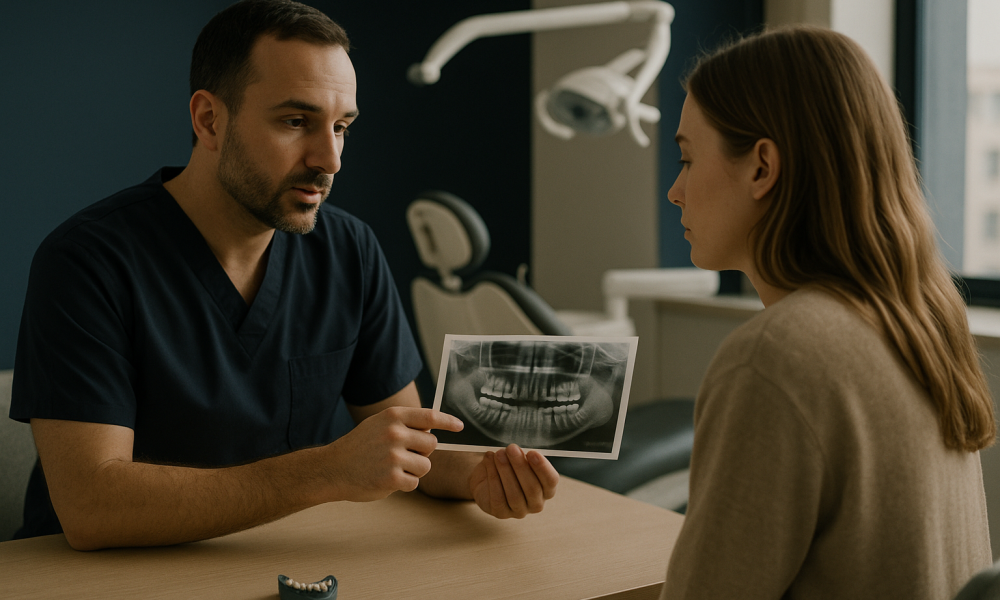
Determining whether you are a suitable candidate for wisdom teeth removal involves several factors. Firstly, a comprehensive dental examination, including X-rays, is essential to assess the position of your wisdom teeth and their impact on your overall oral health. Not everyone with wisdom teeth will require removal, but certain conditions make extraction advisable.
Here are some criteria that might indicate you are a good candidate for wisdom teeth removal:
- Pain or discomfort: Experiencing regular pain or discomfort in the area of the wisdom teeth could indicate impaction or infection.
- Recurrent infections: Frequent infections or gum disease around the wisdom teeth may necessitate removal to prevent further complications.
- Damage to other teeth: If wisdom teeth are impacting adjacent teeth, causing damage or shifting, extraction might be recommended.
- Cysts or tumours: The development of cysts or tumours around impacted wisdom teeth can be a serious concern requiring surgical intervention.
- Orthodontic reasons: If you are undergoing orthodontic treatment, your dentist might suggest removing wisdom teeth to prevent them from disrupting alignment results.
- Limited jaw space: Lack of space in the jaw can lead to misalignment and crowding, making removal a preventive measure.
Patients should also consider their general health. Those with underlying medical conditions that complicate surgery may need a more detailed evaluation. It is crucial to discuss your medical history with your dentist or oral surgeon to ensure a safe procedure.
Age is another factor; younger patients often have less dense bone around the teeth, potentially simplifying the extraction process and reducing recovery time. However, removal can still be successful in older adults if necessary.
If you are considering wisdom teeth removal in Turkey, it is advisable to consult with a qualified dental professional who can provide a personalised assessment based on your specific dental health needs. This consultation can also help set realistic expectations about the procedure, recovery, and potential outcomes.
The procedure, step by step
Undergoing wisdom teeth removal in Turkey is a structured and well-coordinated process. Here is a detailed step-by-step guide to help you understand what to expect:
- Initial Consultation: Your journey begins with a comprehensive consultation with a maxillofacial surgeon. This appointment typically includes a thorough dental examination and diagnostic imaging, such as X-rays or a CT scan, to assess the position and condition of your wisdom teeth. The surgeon will discuss your medical history, any medications you are taking, and potential risks or complications.
- Pre-Surgical Preparation: Once the decision for surgery is made, you’ll receive detailed pre-operative instructions. These may include guidelines on fasting, medication adjustments, and lifestyle changes, such as avoiding smoking or alcohol. It’s crucial to follow these instructions to minimise risks during the procedure.
- Anaesthesia Administration: On the day of the surgery, you’ll meet with the anaesthesia team. Depending on your case and preference, local anaesthesia, sedation, or general anaesthesia will be administered. Local anaesthesia numbs the area around the wisdom teeth, while sedation or general anaesthesia ensures you are relaxed or asleep.
- Incision and Tooth Removal: Once anaesthesia takes effect, the surgeon will make an incision in the gum tissue to expose the tooth and bone. If the tooth is impacted, it may be broken into smaller pieces for easier removal. This step requires precision and care, and the duration can vary from 20 minutes to over an hour depending on the complexity of the extraction.
- Stitching and Dressing: After tooth extraction, the surgeon will clean the area and stitch the incision, if necessary, to aid healing. The stitches may be dissolvable or non-dissolvable, requiring a follow-up visit for removal. A gauze pad is placed over the extraction site to control bleeding.
- Immediate Post-Operative Care: You will be monitored in the recovery room until the effects of anaesthesia diminish. The medical team will provide instructions on managing pain, swelling, and diet post-surgery. This is also the time to ask any remaining questions about your recovery process.
Understanding each step of the procedure can help alleviate anxiety and prepare you for a smoother experience.
Recovery timeline
Recovering from wisdom teeth removal involves several stages, each requiring specific care to ensure optimal healing. Here’s a detailed timeline of what to expect:
| Period | What to Expect | Care Notes |
|---|---|---|
| Day 1 | Expect some bleeding and swelling. Pain is usually managed with prescribed medication. | Rest is essential. Keep your head elevated and apply ice packs to reduce swelling. Avoid strenuous activity. |
| Days 2-3 | Swelling may peak on the second day. Bruising around the face can occur. Pain should gradually decrease. | Continue taking pain relief as directed. Switch to warm compresses to aid in reducing swelling. Maintain a soft food diet. |
| Days 4-7 | Swelling and discomfort should begin to subside. You may notice slight stiffness in the jaw. | Gently rinse your mouth with warm salt water to aid healing. Avoid using straws or smoking, as these can dislodge clots. |
| Week 2 | Most swelling and bruising should have resolved. Any stitches might be removed if they are non-dissolvable. | Gradually return to a normal diet but avoid hard or crunchy foods. Continue oral hygiene with gentle brushing. |
| Week 3-4 | Healing continues internally. You should be able to resume normal activities without discomfort. | Attend any follow-up appointments to monitor healing progress. Report any unusual symptoms to your dentist. |
| Full Recovery | Complete healing can take several weeks to a few months, depending on individual factors. | Maintain good oral hygiene and attend regular dental check-ups to ensure long-term oral health. |
Adhering to postoperative care instructions is crucial for a swift and uneventful recovery. Always consult your healthcare provider with any concerns during the healing process.
What it costs: Turkey vs Australia
When considering wisdom teeth removal, cost is a significant factor for many patients. Choosing to undergo the procedure in Turkey can offer substantial savings compared to Australia. However, it’s important to understand that the figures provided are indicative and can vary depending on the complexity of the procedure, the clinic’s reputation, and the location.
| Country | Indicative Price Range (per tooth) | Typical Package Inclusions |
|---|---|---|
| Turkey | £100 – £250 |
|
| Australia | £300 – £500 |
|
In Turkey, the cost of wisdom teeth removal typically includes the consultation, the procedure itself, and necessary post-operative care. Some clinics may also offer additional services such as transportation from the airport or accommodation arrangements. This can be particularly beneficial for international patients seeking a smooth and hassle-free experience.
In contrast, the higher costs in Australia often reflect the overall expense of healthcare services in the country, influenced by higher operational costs and the remuneration of dental professionals. While the inclusions are similar, the absence of additional services like accommodation or transportation can make the overall experience more costly for those travelling from different regions within Australia.
It is crucial to seek detailed information from your chosen provider about what is included in their package, to avoid any unexpected costs. Always ensure that you understand the full extent of the services provided and confirm any additional charges that may apply, such as extended post-operative care or additional medications if required.
Risks and how accredited providers manage them
Like any surgical procedure, wisdom teeth removal carries certain risks. However, accredited providers in Turkey are well-equipped to manage these risks effectively, ensuring patient safety and comfort throughout the process. Understanding these risks and the measures in place to mitigate them can provide reassurance to prospective patients.
Common risks associated with wisdom teeth removal include:
- Infection: As with any surgery, there is a risk of infection at the site of the extraction. Accredited clinics in Turkey adhere to stringent sterilisation protocols to minimise this risk. Patients are usually prescribed antibiotics to further reduce the likelihood of infection.
- Dry Socket: This occurs when the blood clot at the site of the extraction dislodges or dissolves before the wound has healed. Clinics provide detailed post-operative care instructions to help prevent this condition, such as avoiding certain foods and activities that could disrupt the healing process.
- Nerve Injury: There is a small risk of nerve injury, which could result in temporary or, rarely, permanent numbness in the tongue, lip, or chin. Surgeons in Turkey are highly trained and use advanced imaging techniques to plan the surgery meticulously, reducing the risk of nerve damage.
- Bleeding: Some bleeding is normal post-surgery, but excessive bleeding can be a concern. Clinics monitor patients closely and provide guidance on how to manage bleeding at home, ensuring that patients know when to seek further medical attention.
Accredited providers in Turkey are committed to maintaining the highest standards of patient care. They utilise state-of-the-art equipment and follow internationally recognised best practices. These clinics are often subject to regular inspections and audits by health authorities, ensuring compliance with global healthcare standards.
Furthermore, patient education is a key component of risk management. Clinics provide comprehensive pre-operative consultations where patients can discuss their concerns and receive clear, personalised advice. This allows patients to make informed decisions about their treatment and understand the steps they can take to minimise risks.
Post-operative care is equally important. Accredited providers offer detailed aftercare instructions and often include follow-up appointments to monitor recovery. This proactive approach helps to identify and address any complications early, ensuring a smooth and safe healing process.
Choosing an accredited provider not only ensures that you receive care from qualified professionals but also offers peace of mind knowing that potential risks are managed with the utmost diligence and expertise.
How to choose the right provider
Choosing the right provider for wisdom teeth removal in Turkey involves several important factors. A key consideration is accreditation. Ensure that the dental clinic is accredited by reputable organisations such as the Joint Commission International (JCI) or the Turkish Ministry of Health. These accreditations indicate adherence to international healthcare standards.
Surgeon experience is another critical aspect. Look for oral surgeons who have extensive experience in performing wisdom teeth extractions. You might want to inquire about the surgeon’s specific training in oral and maxillofacial surgery and how many procedures they have performed. A surgeon with at least several hundred successful extractions is generally considered experienced.
Effective aftercare is crucial for a smooth recovery. Check whether the clinic provides comprehensive postoperative care, including follow-up appointments, pain management, and emergency contact options should complications arise. Some clinics offer remote consultations to assist you once you return home.
Be vigilant for red flags when selecting a provider. Be cautious of clinics that guarantee outcomes or offer prices significantly lower than the typical range of £200 to £600 per tooth, as this may indicate compromised quality. Additionally, check for reviews or testimonials from past patients, and be wary of clinics with consistently negative feedback.
Finally, communication is key. Ensure that the clinic has staff who can communicate effectively in English and provide clear explanations about the procedure, risks, and benefits. Taking these steps will help you choose a provider that aligns with your expectations and ensures a safe and successful experience.
Planning your trip
Planning your trip to Turkey for wisdom teeth removal requires careful consideration of several factors to ensure a smooth experience. Start by establishing a realistic timeline before travel. It is advisable to schedule your procedure at least 4 to 6 weeks in advance to allow ample time for arrangements and consultations.
Ensure you have all necessary documents in order. This includes a valid passport with at least six months’ validity from your travel date, a visa if required, and any medical records or dental X-rays that your Turkish provider might need. It is also wise to carry a list of any medications you are currently taking.
The length of stay in Turkey typically depends on the complexity of your case. For a straightforward extraction, plan for a stay of about 3 to 5 days. This allows for the procedure, initial recovery, and a follow-up appointment to ensure there are no immediate complications.
Consider the follow-up at home after returning to Australia. Arrange for a local dentist or oral surgeon to conduct a check-up a week or two post-procedure. This helps ensure proper healing and addresses any concerns that may arise. Make sure your Turkish provider offers remote consultation options for any questions or issues that emerge once you are back home.
Finally, consider travel arrangements such as flights, accommodation, and transportation. Istanbul and other major cities have a variety of accommodation options ranging from budget to luxury, typically costing between £30 to £150 per night. Ensure your accommodation is conveniently located near your chosen clinic to minimise travel stress.
By planning carefully, you can ensure a safe and efficient trip for your wisdom teeth removal in Turkey.
Frequently Asked Questions
What is the typical cost of wisdom teeth removal in Turkey?
The cost of wisdom teeth removal in Turkey can vary based on the complexity of the extraction and the clinic's location. Typically, the price ranges from £200 to £600 per tooth. This range is indicative and can differ depending on the specific requirements of the procedure and any additional services provided by the clinic, such as anaesthesia or follow-up care.
How do I ensure the clinic is accredited?
To ensure the clinic is accredited, check for certifications from recognised organisations such as the Joint Commission International (JCI) or the Turkish Ministry of Health. These accreditations indicate that the clinic adheres to international healthcare standards. You can often find this information on the clinic's website or by contacting them directly. Additionally, reviews and recommendations from past patients can provide insights into the clinic’s credibility.
What should I expect during the recovery process?
Recovery from wisdom teeth removal typically involves some swelling, discomfort, and bleeding for the first few days. Most patients can return to normal activities within a week. It is important to follow your surgeon's aftercare instructions, which may include taking prescribed medications, using ice packs, and avoiding strenuous activities. Eating soft foods and maintaining oral hygiene are also crucial for a smooth recovery.
Are there any risks associated with wisdom teeth removal?
As with any surgical procedure, wisdom teeth removal carries some risks, including infection, nerve damage, and prolonged bleeding. However, these complications are relatively rare. Choosing an experienced and qualified oral surgeon can significantly reduce these risks. Discussing your medical history and any concerns with your surgeon beforehand is essential to minimise potential complications.
How long in advance should I schedule my procedure?
It is recommended to schedule your wisdom teeth removal procedure at least 4 to 6 weeks in advance. This timeframe allows you to make necessary travel arrangements, complete any required consultations, and ensure all your documentation is in order. Booking in advance also provides flexibility in choosing your preferred clinic and surgeon.
What type of anaesthesia is used for the procedure?
The type of anaesthesia used for wisdom teeth removal can vary depending on the complexity of the case and patient preference. Options include local anaesthesia, sedation, or general anaesthesia. Local anaesthesia numbs the area, while sedation and general anaesthesia offer deeper relaxation or unconsciousness. Discuss the best option with your surgeon based on your comfort level and medical history.
How can I verify the surgeon's experience?
To verify the surgeon's experience, ask about their training in oral and maxillofacial surgery and the number of wisdom teeth extractions they have performed. A surgeon with extensive experience will have completed several hundred procedures. You can also request to see patient testimonials or reviews, which can provide additional assurance of their expertise.
What aftercare services are typically offered?
Aftercare services typically include follow-up appointments to check the healing process, pain management advice, and emergency contact options for any immediate concerns. Some clinics also offer remote consultations to address issues once you return home. It is important to confirm the specifics of aftercare services with your chosen clinic to ensure comprehensive support during recovery.
How do I arrange follow-up care once I return to Australia?
Arrange follow-up care by scheduling an appointment with your local dentist or oral surgeon a week or two after your procedure in Turkey. This check-up helps ensure proper healing and addresses any concerns. Additionally, ensure your Turkish provider offers remote consultation options for ongoing support. Keeping communication open with both your local and Turkish providers is essential for a successful recovery.
What documents do I need to travel for the procedure?
To travel for wisdom teeth removal in Turkey, you will need a valid passport with at least six months' validity, a visa if required, and any relevant medical records or dental X-rays. It is also helpful to carry a list of any medications you are taking. Check with your provider for any additional documentation they may require prior to your procedure.
Can I combine my dental procedure with a holiday in Turkey?
Yes, many patients choose to combine their dental procedure with a holiday in Turkey. However, it is important to plan your activities carefully. Allow sufficient recovery time post-procedure before engaging in strenuous activities or extensive travel. Consult with your surgeon about when it is safe to resume normal activities and explore the local attractions.
Is it safe to travel alone for the procedure?
Travelling alone for wisdom teeth removal in Turkey is generally safe, provided you plan accordingly. However, having a companion can be beneficial, especially immediately after surgery when you may need assistance. If you choose to travel alone, ensure you have clear post-operative instructions and access to support from your clinic for any immediate needs.