
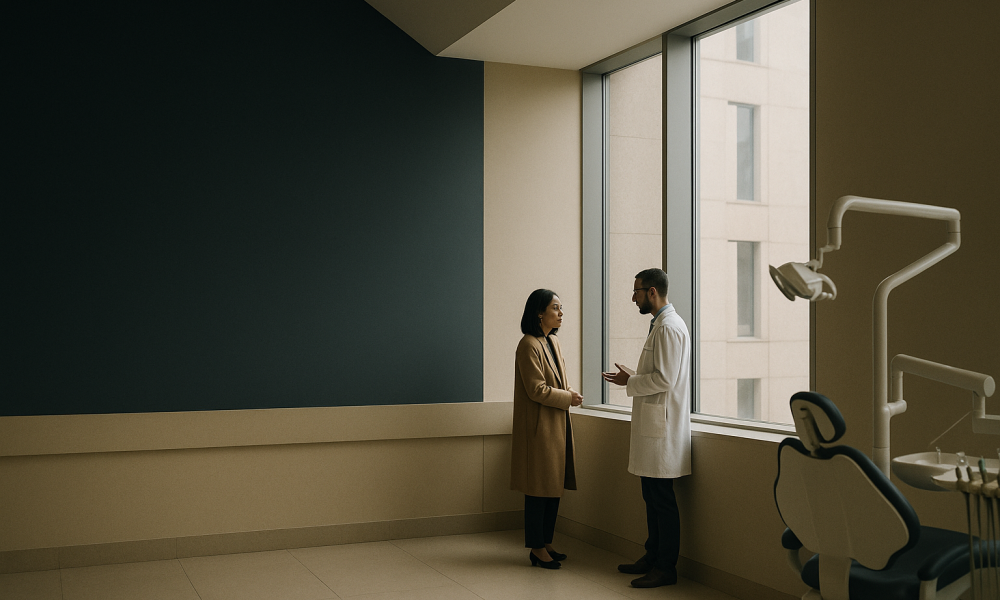
What Wisdom Teeth Removal is and who it is for
Wisdom teeth, also known as third molars, are the last set of teeth to emerge, typically appearing between the ages of 17 and 25. While they can be a valuable asset when healthy and properly aligned, they often require removal due to a variety of common issues. In many cases, wisdom teeth grow at various angles, even horizontally, or remain trapped within the jawbone or gums, a condition known as impaction. Such misalignments can lead to pain, infection, and damage to adjacent teeth. Other complications include cysts, which can destroy bone or roots, and overcrowding, which affects dental alignment.
Wisdom teeth removal is a standard oral surgical procedure aimed at preventing or resolving these complications. The surgery is performed by a dental surgeon and can involve removing one or more of the wisdom teeth. The operation usually takes between 45 to 90 minutes, depending on the complexity and number of teeth involved. The procedure can be done under local anaesthesia, which numbs the area, or general anaesthesia, which puts the patient to sleep, based on medical advice and patient preference.
The decision to remove wisdom teeth is based on several factors, including the potential for future dental issues, the patient’s age, and the overall health of the teeth and gums. For many, especially those experiencing pain or recurrent infections, removal is advised as a preventative measure. In Turkey, dental professionals are well-equipped to handle such procedures with modern facilities and expertise, offering a blend of quality care and cost-effectiveness. It’s important to consult with a dental specialist to understand the potential benefits and risks involved, as well as to receive a personalised treatment plan.
Are you a good candidate?
Determining whether you are a suitable candidate for wisdom teeth removal involves a comprehensive evaluation of your dental health and specific circumstances. Here is a checklist to help you assess your candidacy:
- Impacted Teeth: If your wisdom teeth are impacted, meaning they are trapped in the jaw or gums, removal might be necessary to prevent complications.
- Pain or Discomfort: Persistent pain or discomfort in the back of the mouth could be a sign that your wisdom teeth are causing issues.
- Infection or Gum Disease: Recurrent infections or gum disease around the wisdom teeth area can indicate the need for removal.
- Crowded Teeth: If your teeth are crowded or you have undergone orthodontic treatment, removing wisdom teeth might prevent future alignment problems.
- Age: Younger patients, typically under 25, often recover faster and with fewer complications.
- Oral Health: Good overall oral health is crucial for optimal recovery post-surgery.
- Medical Consultation: A dental professional’s evaluation is essential to determine the necessity and timing of the extraction.
In addition to these criteria, consider your overall health status, as certain medical conditions may affect your ability to undergo surgery. It’s crucial to discuss your medical history with your dentist or oral surgeon to ensure a safe and effective procedure. In Turkey, the pre-procedure consultation is thorough, aiming to address all concerns and tailor the treatment to your specific needs. This personalised approach helps in achieving the best possible outcomes while minimising risks.
The procedure, step by step
Wisdom teeth removal is a common dental procedure that is generally straightforward but requires precision and care. Here is a detailed step-by-step guide to what you can expect during the procedure in Turkey.
- Initial Consultation: Before the procedure, you will have an initial consultation with a dental specialist. This may involve a panoramic X-ray to assess the position of your wisdom teeth and to determine the complexity of the extraction. The dentist will discuss your medical history, any medications you are currently taking, and any concerns you may have.
- Pre-Operative Preparation: On the day of the surgery, you will be advised to arrive with an empty stomach if sedation is planned. You should wear comfortable clothing and arrange for someone to accompany you home. The dental team will review the procedure and answer any last-minute questions.
- Anaesthesia Administration: Depending on the complexity of the extraction and your preference, local anaesthesia, sedation, or general anaesthesia will be administered. Local anaesthesia numbs the mouth area, while sedation or general anaesthesia will make you sleep through the procedure.
- Incision and Tooth Removal: Once the anaesthesia has taken effect, the dentist will make an incision in the gum tissue to expose the tooth and bone. Any bone blocking access to the tooth root will be removed. The tooth may be divided into sections if it aids in easier removal.
- Cleaning and Stitching: After the tooth is removed, the site is cleaned of any debris from the tooth or bone. The dentist may stitch the wound closed to promote healing, although some cases may not require stitches.
- Gauze Placement: Gauze is placed over the extraction site to control bleeding and help form a blood clot. You will be monitored until you are fit to be discharged.
It is crucial to follow your dentist’s post-operative instructions to ensure a smooth recovery. The procedure generally lasts between 45 minutes to an hour, although this can vary depending on the complexity of the extraction.
Recovery timeline
Recovering from wisdom teeth removal is a gradual process that varies for each individual. Below is a typical recovery timeline to help you understand what to expect and how to care for yourself during this period.
| Period | What to expect | Care notes |
|---|---|---|
| Day 1 | Swelling and mild discomfort are common. Bleeding should subside within a few hours. You may feel groggy if sedatives were used. | Rest and avoid physical activity. Use ice packs on the outside of your cheek to reduce swelling. Change gauze pads as necessary. |
| Days 2-3 | Swelling may peak and slight bruising could appear. Pain should be manageable with prescribed medications. | Continue to apply ice packs. Follow a soft-food diet and stay hydrated. Avoid using straws and smoking. |
| Days 4-7 | Swelling should begin to decrease. You may notice some stiffness in your jaw. Stitches, if non-dissolvable, may be scheduled for removal. | Gently rinse your mouth with warm salt water. Gradually reintroduce solid foods as comfort permits. |
| Weeks 2-3 | Most symptoms should subside, although full healing of the gum tissue continues. Any residual pain should be minimal. | Maintain good oral hygiene. Attend any follow-up appointments to ensure proper healing. |
| Full Recovery (4-6 weeks) | The socket should be fully healed. Normal diet and activities can typically be resumed. | Continue regular dental check-ups to monitor oral health. |
Adhering to post-operative care guidelines is crucial for a smooth recovery. Always contact your dentist if you experience severe pain, excessive swelling, or any signs of infection during your recovery period.
What it costs: Turkey vs Canada
When considering wisdom teeth removal, cost is a significant factor for many patients. In Turkey, the affordability of dental procedures is a major attraction for international patients, including those from Canada. However, it’s crucial to understand that costs can vary based on several factors, including the complexity of the case, the type of anaesthesia used, and the specific clinic.
In Canada, the cost for removing a single impacted wisdom tooth can range from CAD 300 to CAD 600 per tooth, with additional fees for consultations, X-rays, and anaesthesia. In contrast, Turkey offers a more cost-effective solution. Here, the removal of a single impacted wisdom tooth typically ranges from CAD 100 to CAD 250. This significant difference is largely due to lower operational and living costs in Turkey.
Below is a comparative table of typical price ranges for wisdom teeth removal in Turkey and Canada, along with what is typically included in the packages:
| Service | Canada (CAD) | Turkey (CAD) | Typical Package Inclusions |
|---|---|---|---|
| Consultation | 50 – 150 | Included in package | Initial examination, treatment plan |
| Single Tooth Extraction | 300 – 600 | 100 – 250 | Extraction, local anaesthesia |
| Full Set Extraction (4 teeth) | 1,200 – 2,400 | 400 – 1,000 | Extractions, anaesthesia, follow-up |
| Post-operative care | 100 – 300 | Included in package | Follow-up visits, medication |
These figures are indicative and can vary depending on the clinic and the specifics of each case. Many clinics in Turkey offer comprehensive packages that include not just the procedure itself, but also consultations, post-operative care, and sometimes even accommodation and airport transfers, making it an attractive option for medical tourists.
Risks and how accredited providers manage them
Like any surgical procedure, wisdom teeth removal carries certain risks. It is important for patients to understand these potential risks and how they are managed, especially when considering treatment abroad. In Turkey, dental clinics catering to international patients are typically well-versed in managing these risks, often adhering to international standards of care.
The common risks associated with wisdom teeth removal include infection, dry socket (a painful condition where the blood clot at the site of the tooth extraction fails to develop or dislodges), nerve damage, and excessive bleeding. While these complications are rare, they are possible, and patients should be informed of the signs and symptoms to watch for during recovery.
Accredited dental providers in Turkey employ several strategies to mitigate these risks:
- Pre-operative Assessment: A thorough pre-operative assessment is conducted to evaluate the patient’s overall health and the complexity of the extraction. This includes reviewing medical history and conducting necessary imaging, such as X-rays, to plan the procedure accurately.
- Sterile Environment: Clinics follow stringent sterilisation protocols to minimise the risk of infection. This includes the use of sterilised instruments and maintaining a clean surgical environment.
- Experienced Surgeons: Many dental surgeons in Turkey have international training and are experienced in performing complex extractions, which reduces the likelihood of complications.
- Advanced Techniques: The use of advanced surgical techniques and technology, such as 3D imaging and laser-assisted surgery, helps in accurate and minimally invasive extractions, reducing trauma to the surrounding tissues.
- Comprehensive Aftercare: Patients receive detailed post-operative care instructions and medications to manage pain and prevent infection. Follow-up appointments are usually scheduled to monitor healing progress.
Additionally, many clinics have multilingual staff who provide clear communication and support throughout the treatment process, ensuring that international patients feel comfortable and well-informed at every stage. By choosing accredited providers, patients can have confidence in the quality of care and the measures taken to ensure a safe and successful recovery.
How to choose the right provider
Choosing the right provider for wisdom teeth removal in Turkey requires careful consideration of several factors to ensure a safe and successful experience. Accreditation is a critical starting point. Look for clinics that are accredited by international bodies such as the Joint Commission International (JCI) or the European Foundation for Quality Management (EFQM). These accreditations indicate that the facility adheres to high standards of healthcare quality and patient safety.
Next, consider the experience and qualifications of the surgeon. Ideally, the oral surgeon should have specialised training in maxillofacial surgery and be a member of reputable dental associations. It is worth asking about the number of similar procedures they have performed and their success rates. While specific guarantees cannot be made, a surgeon with a robust track record offers more assurance.
Aftercare is another essential component of your decision-making process. Quality clinics provide comprehensive aftercare plans that include follow-up appointments and 24/7 access to medical advice during your recovery period. This support is crucial for monitoring healing and addressing any complications promptly. Ensure the clinic provides a clear outline of their aftercare services before you commit to treatment.
Be alert to any red flags during your research. These include lack of transparency about costs, absence of patient reviews, or reluctance to provide credentials and accreditation details. Avoid providers who make unrealistic promises about outcomes or downplay the risks involved in the procedure.
Ultimately, choosing the right provider involves a balance of accreditation, surgeon expertise, comprehensive aftercare, and an absence of red flags. Taking the time to thoroughly research and compare options will contribute significantly to a positive treatment experience.
Planning your trip
Planning your trip to Turkey for wisdom teeth removal involves several steps, starting with a clear timeline. Begin by consulting with your chosen clinic at least 4-6 weeks before your intended travel date. This timeframe allows for a thorough evaluation of your dental needs and the development of a personalised treatment plan.
Ensure you have all necessary documents in order, including a valid passport and any required visas for entry into Turkey. It’s advisable to check the latest travel advisories from both Canadian and Turkish authorities to ensure compliance with any health or safety regulations.
Plan to arrive in Turkey at least one or two days before your scheduled procedure to accommodate any pre-operative consultations or tests. The typical length of stay for wisdom teeth removal is approximately 5-7 days. This duration allows time for the procedure, initial recovery, and a follow-up appointment to assess your healing progress before returning home.
Consider your accommodation options carefully. Many international patients opt for hotels close to their medical facility, which can offer convenience and reduce travel-related stress. Some clinics may even have partnerships with local hotels, providing discounts or special arrangements for patients.
After your procedure, follow-up care is crucial. Although initial recovery happens in Turkey, you should arrange for a follow-up appointment with your local dentist or oral surgeon in Canada. This ensures continuity of care and addresses any lingering concerns as you resume normal activities.
By carefully planning your trip, including timing, documentation, and accommodation, you can ensure a smooth experience from start to finish, focusing on a successful recovery and overall positive outcome.
Frequently Asked Questions
What is the typical cost for wisdom teeth removal in Turkey?
The cost of wisdom teeth removal in Turkey can vary based on several factors, including the complexity of the procedure and the clinic's location. However, patients can generally expect indicative costs to range from £200 to £500 per tooth. It's important to confirm what is included in the quoted price, such as consultation fees, anaesthesia, and aftercare services, to avoid any unexpected expenses.
How safe is it to have wisdom teeth removed in Turkey?
Having wisdom teeth removed in Turkey is generally safe, provided you choose a reputable, accredited clinic with experienced oral surgeons. Clinics that are accredited by international bodies adhere to stringent safety and hygiene standards. It's crucial to research and select a provider with a proven track record and comprehensive aftercare services to ensure a safe and successful procedure.
What should I expect during the recovery period?
The recovery period after wisdom teeth removal typically lasts about one to two weeks. During this time, you may experience swelling, discomfort, and limited mouth opening. Your surgeon will provide detailed post-operative care instructions, including pain management, dietary guidelines, and oral hygiene tips. Follow-up appointments are important to monitor your healing and address any complications.
Are there any risks associated with wisdom teeth removal?
As with any surgical procedure, there are risks involved with wisdom teeth removal, including infection, bleeding, and nerve damage. However, these risks are minimised by choosing an experienced oral surgeon and following all pre- and post-operative care instructions. Discuss potential risks with your surgeon before the procedure to ensure you are fully informed.
How long should I plan to stay in Turkey for the procedure?
For wisdom teeth removal, it is advisable to plan a stay of approximately 5-7 days in Turkey. This duration allows for the procedure, initial recovery, and a follow-up appointment to ensure proper healing before you return home. Arriving a day or two before the surgery can also be beneficial for pre-operative consultations.
Will I need to have a follow-up appointment once I return to Canada?
Yes, it is recommended to have a follow-up appointment with your local dentist or oral surgeon once you return to Canada. This ensures continuity of care and allows for professional evaluation of your healing progress. Your Turkish clinic should provide you with detailed records of your procedure to share with your local healthcare provider.
What documents do I need to travel to Turkey for dental treatment?
To travel to Turkey for dental treatment, you will need a valid passport and, depending on your nationality, possibly a visa. It's important to check the latest entry requirements and travel advisories from both Canadian and Turkish authorities. Having a letter of invitation or appointment confirmation from your clinic may also be beneficial.
Can I combine my dental treatment with a holiday in Turkey?
Many patients choose to combine their dental treatment with a holiday in Turkey, taking advantage of the country's rich cultural and historical attractions. However, it's essential to plan your itinerary carefully, considering the recovery period and any travel restrictions related to your procedure. Consult with your surgeon about any activities you should avoid post-surgery.
What kind of aftercare should I expect from the clinic?
Reputable clinics in Turkey provide comprehensive aftercare services, including post-operative consultations, 24/7 access to medical advice, and clear instructions on managing your recovery. Aftercare may also involve follow-up visits to monitor your healing progress. It's important to confirm the details of the aftercare plan before proceeding with treatment.
Is it possible to get a consultation before travelling to Turkey?
Yes, many clinics offer virtual consultations via video call or email, allowing you to discuss your dental needs and treatment options with a surgeon before travelling. This initial consultation can help you understand the procedure, expected outcomes, and associated costs, aiding in your decision-making process.
How do I verify the accreditation of a Turkish dental clinic?
To verify the accreditation of a Turkish dental clinic, you can check for certifications from reputable international bodies such as the Joint Commission International (JCI) or the European Foundation for Quality Management (EFQM). Additionally, you can request to see the clinic's accreditation certificates and research patient reviews and testimonials online.
What payment methods are accepted by clinics in Turkey?
Most clinics in Turkey accept a variety of payment methods, including major credit cards, bank transfers, and sometimes cash. It's advisable to confirm the accepted payment options with your chosen clinic in advance. Additionally, inquire whether the clinic offers any payment plans or financing options to manage the cost of treatment.