
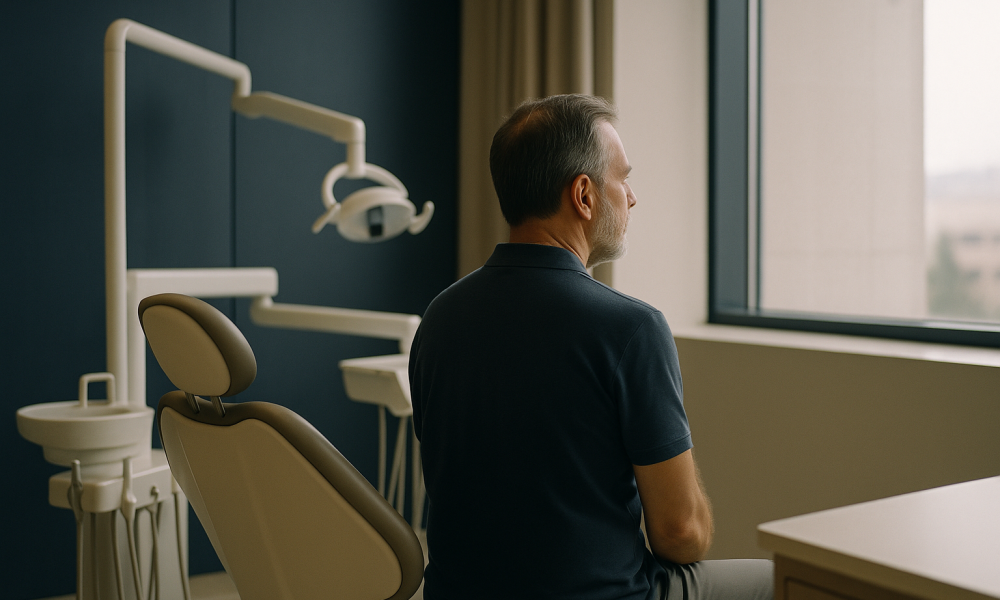
What Wisdom Teeth Removal is and who it is for
Wisdom teeth removal, also known as third molar extraction, is a common oral surgery procedure. This involves the extraction of one or more of the four wisdom teeth located at the back corners of your mouth. These teeth are the last to erupt and typically appear between the ages of 17 and 25. For some individuals, these teeth emerge without issues; however, many experience pain, infection, or other dental problems that necessitate their removal.
The procedure is recommended when wisdom teeth are impacted, meaning they do not have enough space to emerge or develop normally. Impacted wisdom teeth can lead to pain, infection, and other complications such as damage to adjacent teeth or cysts. In some cases, wisdom teeth may emerge partially, creating an opening that can trap food and bacteria, leading to gum disease or tooth decay.
Wisdom teeth removal in Turkey is performed by qualified oral surgeons who are experienced in handling a variety of dental conditions. The procedure can be done using local anaesthesia, where only the mouth area is numbed, or general anaesthesia, which puts the patient to sleep during the procedure. The choice of anaesthesia depends on the complexity of the extraction and the patient’s comfort level.
After the extraction, patients can expect some swelling and discomfort, which can be managed with prescribed pain relief. Recovery time varies but typically includes a few days of rest, with most individuals returning to their normal activities within a week. It is important to follow the surgeon’s post-operative care instructions to minimise the risk of complications and ensure a smooth recovery.
Are you a good candidate?
Determining whether you are a good candidate for wisdom teeth removal involves evaluating several factors. It is essential to consult with a dental professional who can assess your specific situation through a comprehensive examination and imaging, such as X-rays. Here are some key criteria that might make you a suitable candidate for the procedure:
- Impacted Wisdom Teeth: If your wisdom teeth are impacted, meaning they are trapped beneath the gum or only partially erupted, removal may be necessary to prevent future dental issues.
- Recurrent Infection: Frequent infections around the soft tissue of a partially erupted wisdom tooth can indicate the need for extraction.
- Pain or Discomfort: Persistent pain or discomfort in the back of your mouth could be a sign that your wisdom teeth need to be evaluated by a professional.
- Damage to Adjacent Teeth: If your wisdom teeth are causing damage to nearby teeth, such as crowding or decay, removal may be advised.
- Age and Development: Younger patients generally recover more quickly from the procedure, making early evaluation and possible removal beneficial.
- Orthodontic Considerations: If you are undergoing orthodontic treatments, removing wisdom teeth might be necessary to prevent disruption of the alignment process.
While these criteria provide a general guideline, each case is unique. It is crucial to have a personalised consultation to discuss your symptoms, dental history, and overall health to make an informed decision. In Turkey, many dental clinics offer initial consultations to evaluate the need for wisdom teeth removal, often utilising advanced imaging techniques to ensure a clear understanding of your dental structure.
The procedure, step by step
Undergoing wisdom teeth removal in Turkey involves a series of well-coordinated steps designed to ensure patient comfort and surgical success. Understanding these steps can help alleviate anxiety and prepare you for what to expect.
- Pre-operative Consultation: Before the procedure, you’ll have a detailed consultation with your oral surgeon. This may include a physical examination and imaging tests such as X-rays or a panoramic dental scan to assess the position of the wisdom teeth and their proximity to nerves and other structures.
- Anaesthesia: The procedure typically begins with the administration of anaesthesia. Patients can choose between local anaesthesia, sedation, or general anaesthesia, depending on the complexity of the extraction and personal comfort levels. Local anaesthesia is often sufficient for straightforward extractions, while more complex cases might necessitate sedation or general anaesthesia.
- Incision and Access: Once anaesthesia takes effect, the surgeon makes an incision in the gum tissue to expose the tooth and bone. The extent of the incision depends on the tooth’s position and angle.
- Bone Removal: If necessary, bone blocking the tooth root is carefully removed using specialised dental instruments. This step is crucial for impacted teeth that have not fully erupted.
- Tooth Extraction: The surgeon may extract the tooth in sections to minimise bone loss and facilitate removal. This technique, known as coronectomy, is especially useful for teeth positioned close to nerves.
- Cleaning and Stitching: After tooth removal, the site is cleaned of any debris. The surgeon then stitches the incision to promote healing. Absorbable stitches are commonly used, eliminating the need for removal.
- Gauze Application: A piece of gauze is placed over the extraction site to control bleeding and promote clot formation. Patients are advised to bite down gently on the gauze.
- Post-operative Instructions: Before discharging, you’ll receive detailed aftercare instructions, including pain management strategies and dietary recommendations. These instructions are vital for a smooth recovery.
It’s important to note that the entire procedure from anaesthesia to post-operative care typically lasts between 45 minutes and 2 hours, depending on the complexity of the case.
Recovery timeline
Recovery from wisdom teeth removal is a gradual process that varies from person to person. Here’s a general timeline of what you can expect in the days and weeks following your procedure, along with care notes to guide your healing journey.
| Period | What to expect | Care notes |
|---|---|---|
| Day 1 | Swelling and minor bleeding are common. Pain is typically managed with prescribed medication. | Apply ice packs to reduce swelling. Avoid spitting or using straws to prevent dislodging the blood clot. |
| Days 2-3 | Swelling may peak, and bruising could become more apparent. Discomfort should begin to subside. | Continue taking prescribed pain medication. Maintain oral hygiene with gentle rinsing using saltwater. |
| Days 4-7 | Swelling should decrease gradually. Stiffness in the jaw may still be present. | Stay hydrated and eat soft foods. Avoid smoking and alcohol to prevent complications. |
| Week 2 | Most of the swelling and discomfort should resolve. Stitches may dissolve or require removal. | Follow up with your surgeon if stitches need removal. Gradually return to normal diet as tolerated. |
| Weeks 3-4 | Residual soreness may persist, but significant healing should be evident. | Continue practising good oral hygiene. Monitor for any signs of infection. |
| Full recovery (4-6 weeks) | Complete healing of the extraction site. Occasional tenderness may occur. | Routine dental check-ups are recommended to ensure optimal oral health. |
During recovery, it’s crucial to adhere to your surgeon’s specific instructions and report any unusual symptoms, such as severe pain, fever, or persistent bleeding, to your healthcare provider promptly.
What it costs: Turkey vs the UK, Europe and North America
When considering wisdom teeth removal in Turkey, cost is often a significant factor for international patients. Turkey offers competitive pricing, often considerably lower than in the UK, Europe, and North America. However, it is crucial to understand that these figures are indicative and can vary based on several factors including the complexity of the case, the type of anaesthesia used, and the specific clinic chosen.
| Region | Indicative Price Range (per tooth) | Typical Inclusions |
|---|---|---|
| Turkey | £100 – £250 | Consultation, X-rays, Local Anaesthesia, Post-operative Care |
| UK | £250 – £600 | Consultation, X-rays, Local Anaesthesia, Limited Follow-up |
| Europe | €300 – €700 | Consultation, X-rays, Local Anaesthesia, Post-operative Care |
| North America | $300 – $800 | Consultation, X-rays, Local Anaesthesia, Basic Follow-up |
As shown in the table, Turkey’s costs are generally lower, making it an attractive destination for those seeking affordable dental care without compromising on quality. It’s also worth noting that many Turkish clinics offer comprehensive packages that include not just the surgical procedure itself but also pre-operative consultations, necessary diagnostics like X-rays, and post-operative care.
In addition to the lower base price, the cost-effectiveness of undergoing wisdom teeth removal in Turkey is enhanced by the availability of all-inclusive packages. These packages often cover accommodation, airport transfers, and sometimes even a personal assistant or interpreter, making the process smoother and more convenient for international patients. However, patients should verify what is included in the package before making any decisions, as these can vary between providers.
While the cost is a significant factor, patients are advised to consider the credentials and experience of the dental professionals, the accreditation of the clinic, and the quality of aftercare services offered. Although Turkey provides substantial savings, the focus should remain on the quality of care and the safety of the procedure.
Risks and how accredited providers manage them
Like any surgical procedure, wisdom teeth removal carries certain risks. Common risks include infection, bleeding, dry socket, and nerve damage. However, the probability of these complications can be significantly reduced when the procedure is performed by accredited and experienced dental practitioners.
Accredited dental providers in Turkey take comprehensive measures to manage and mitigate these risks effectively. Firstly, thorough pre-operative assessments are conducted to evaluate the patient’s oral health and to plan the procedure meticulously. This includes taking detailed medical histories and conducting necessary diagnostic tests such as X-rays or CT scans to assess the positioning of the wisdom teeth relative to nerves and other structures.
During the procedure, accredited clinics adhere to stringent sterilisation protocols to prevent infections. The use of modern surgical techniques and high-quality materials further minimises the risk of complications. Experienced oral surgeons in Turkey are well-versed in handling complex cases, and their expertise contributes significantly to successful outcomes.
Post-operative care is another critical area where accredited providers excel. Patients typically receive detailed instructions on managing pain and swelling, maintaining oral hygiene, and recognising signs of potential complications. Follow-up appointments are usually included in the treatment package, allowing healthcare providers to monitor the healing process and address any concerns promptly.
Moreover, many clinics in Turkey offer 24/7 support lines for patients, ensuring that any issues arising post-surgery can be addressed immediately. This level of care and attention reassures international patients and enhances their overall experience.
Patients are encouraged to verify the accreditation of the clinic and the qualifications of the dental professionals. Clinics accredited by reputable international bodies or those adhering to international standards of care provide an additional layer of assurance regarding safety and quality.
In conclusion, while no surgical procedure is without risk, the management strategies employed by accredited dental providers in Turkey significantly mitigate these risks, ensuring that patients receive safe and effective care.
How to choose the right provider
Choosing the right provider for your wisdom teeth removal in Turkey is crucial to ensure a safe and satisfactory experience. Here are several key factors to consider:
- Accreditation: Ensure the clinic is accredited by recognised international bodies like the Joint Commission International (JCI) or ISO certification. Accreditation signifies that the clinic adheres to high standards of care and safety.
- Surgeon Experience: Research the qualifications and experience of the dental surgeons. Look for professionals who hold degrees from reputable dental schools and have specific training in oral surgery. A surgeon with several years of experience in wisdom teeth removal is preferable.
- Aftercare: Investigate the aftercare services offered by the clinic. Comprehensive aftercare should include follow-up appointments, pain management, and emergency contact information. Some clinics offer telemedicine consultations, which can be advantageous for international patients.
- Red Flags: Be cautious of clinics that offer unusually low prices or make guarantees of outcomes. These can be signs of substandard practices. Always check for patient reviews and testimonials, preferably from independent sources, to get an unbiased view of the clinic’s reputation.
Additionally, consider logistics such as location and language support. Clinics in Istanbul, for instance, are often well-equipped to handle international patients and may offer multilingual staff. It is also beneficial to verify whether the clinic provides assistance with travel arrangements and accommodation, which can simplify your planning process.
Planning your trip
Proper planning is essential when travelling to Turkey for wisdom teeth removal. Here are some considerations to ensure a smooth experience:
- Timeline Before Travel: Begin planning at least two months prior to your intended procedure date. This allows ample time to research clinics, schedule consultations, and make travel arrangements.
- Documents: Ensure your passport is valid for at least six months beyond your planned return date. Check if you require a visa to enter Turkey, which can often be obtained online via the Turkish e-Visa system.
- Length of Stay: Plan to stay in Turkey for a minimum of 5 to 7 days. This duration allows time for initial consultation, surgery, and a few days of post-operative recovery. It’s important to allow for flexibility in case of any unforeseen complications.
- Follow-Up at Home: Arrange for follow-up care with your local dentist or oral surgeon before travelling. They should be informed about your procedure and prepared to assist with any post-operative issues. Keep all medical records from your treatment in Turkey to share with your home healthcare provider.
Consider purchasing travel insurance that covers medical procedures abroad, which may provide peace of mind and financial protection. Also, research local customs and cultural norms to ensure a respectful and comfortable visit. Lastly, familiarize yourself with the local healthcare system and emergency contacts in Turkey, just in case you need urgent assistance.
Frequently Asked Questions
What is the typical cost of wisdom teeth removal in Turkey?
The cost of wisdom teeth removal in Turkey can vary significantly depending on factors such as the clinic's location, the surgeon's expertise, and the complexity of the procedure. On average, patients can expect to pay between £150 and £400 per tooth. This is an indicative range and may not include additional costs such as consultation fees, anaesthesia, and post-operative care. It's advisable to request a detailed quote from the clinic before proceeding.
How can I ensure the clinic is reputable?
To ensure a clinic is reputable, check for accreditation from international bodies like the Joint Commission International (JCI) or ISO certification. Additionally, research the clinic's reputation through independent patient reviews and testimonials. Reputable clinics often provide detailed information about their surgeons' qualifications and experience. It's also beneficial to confirm that the clinic offers comprehensive aftercare and has multilingual staff to assist international patients.
What are the risks associated with wisdom teeth removal?
Wisdom teeth removal is generally considered safe, but like any surgical procedure, it carries some risks. Potential complications include infection, dry socket, nerve damage, and excessive bleeding. Choosing a qualified and experienced surgeon can help minimise these risks. It's important to discuss any concerns with your surgeon before the procedure and follow all pre- and post-operative care instructions to ensure the best possible outcome.
Do I need a visa to travel to Turkey for dental treatment?
Whether you need a visa to travel to Turkey depends on your nationality. Many travellers from the UK, Europe, and North America can obtain an e-Visa online before their trip. It's essential to check the latest travel requirements well in advance of your departure, as visa regulations can change. Ensure your passport is valid for at least six months beyond your planned return date.
How long should I plan to stay in Turkey after the procedure?
After wisdom teeth removal, it's advisable to stay in Turkey for at least 5 to 7 days. This timeframe allows for an initial consultation, surgery, and a few days of post-operative recovery. Staying longer may be necessary if complications arise. It's important to have follow-up appointments scheduled with the clinic before returning home to ensure proper healing.
What should I pack for my trip to Turkey for dental surgery?
When packing for your trip to Turkey for dental surgery, consider bringing comfortable clothing, personal hygiene items, and any necessary medications. Include a small first aid kit with basic supplies and pain relief medication. It's also wise to bring all relevant medical documents, copies of your passport, and travel insurance information. If you have dietary restrictions, research local food options or bring suitable snacks.
How can I manage pain after wisdom teeth removal?
Pain management after wisdom teeth removal typically involves over-the-counter pain relief medications such as ibuprofen or acetaminophen. Your surgeon may prescribe stronger pain relief if necessary. Applying ice packs to the affected area can help reduce swelling and discomfort. Follow all post-operative care instructions provided by your surgeon, including dietary recommendations and oral hygiene practices, to aid in a smooth recovery.
Will language be a barrier during my treatment?
Many clinics in Turkey, especially those catering to international patients, employ multilingual staff or offer translation services. It's beneficial to confirm language support availability with your chosen clinic before your trip. Having a basic understanding of Turkish phrases or using translation apps can also enhance your communication experience during your stay.
What should I do in case of a post-operative complication once I return home?
If you experience a post-operative complication upon returning home, contact your local dentist or oral surgeon immediately. It's crucial to have arranged follow-up care with a healthcare provider in your home country before travelling. Keep all records from your treatment in Turkey, as these will be helpful for your local healthcare provider to assess your situation accurately and provide appropriate care.
Is it safe to travel alone for wisdom teeth removal?
Travelling alone for wisdom teeth removal is generally safe if you plan carefully and choose a reputable clinic. However, bringing a companion can provide additional support, especially during the recovery phase. If travelling alone, ensure you have clear communication with the clinic's staff and access to emergency contacts. Consider arranging transportation to and from the clinic for appointments and post-operative care.
How do I arrange transportation while in Turkey?
Transportation in Turkey is relatively easy to arrange. Many clinics offer airport transfers and assistance with local transportation as part of their services for international patients. Alternatively, taxis and rideshare services are widely available in major cities like Istanbul. Public transportation options, such as buses and metros, are also convenient and affordable for getting around.
Are there any dietary restrictions after the procedure?
Yes, following wisdom teeth removal, it's important to adhere to dietary restrictions to aid in healing. Initially, consume soft foods such as soups, yogurt, and smoothies to avoid irritating the surgical area. Gradually reintroduce solid foods as you heal. Avoid hard, crunchy, or spicy foods that may cause discomfort or disrupt the healing process. Follow your surgeon's specific dietary recommendations for the best recovery outcome.