
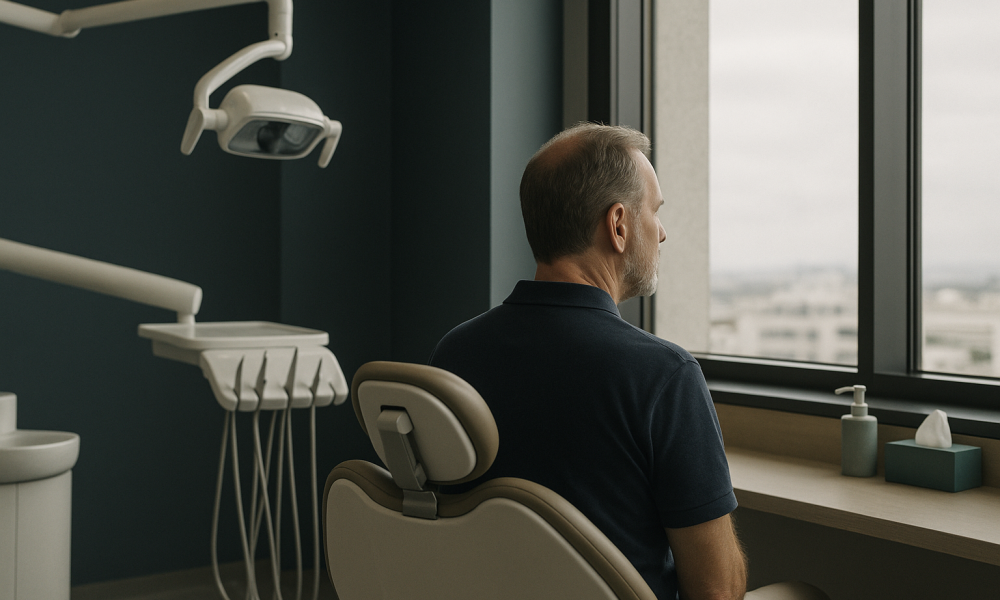
What Gum Contouring is and who it is for
Gum contouring, also known as gingival sculpting or gingivoplasty, is a cosmetic dental procedure aimed at reshaping the gum line to improve the aesthetics of a person’s smile. This treatment is particularly beneficial for individuals who have a ‘gummy smile’, where a significant portion of the gums shows when they smile, or for those with uneven gum lines that may make teeth appear irregularly shaped or sized.
The procedure involves the careful removal or reshaping of gum tissue. In some cases, a laser is used to trim away excess gum tissue and reshape the gum line, providing a more symmetrical and aesthetically pleasing appearance. In other scenarios, a scalpel may be employed, particularly when more significant tissue removal is necessary. Advanced techniques such as electrosurgery or radiosurgery might also be utilised, depending on the specific needs of the patient.
Gum contouring is commonly sought by patients who are self-conscious about their smiles due to excessive or uneven gums. It can also be part of a comprehensive smile makeover, often combined with other cosmetic dental procedures like teeth whitening or veneers to enhance overall dental aesthetics. While primarily cosmetic, gum contouring can sometimes have functional benefits, such as improving oral hygiene by making it easier to clean the gum line, thus potentially reducing the risk of periodontal disease.
In Turkey, gum contouring is performed by highly trained dental specialists who often have international certifications and experience. The country is known for its advanced dental facilities that adhere to international standards, making it a popular destination for dental tourism. Patients from Canada and other parts of the world are increasingly choosing Turkey for this procedure due to the combination of high-quality care and cost-effectiveness.
It’s important to note that while gum contouring offers aesthetic improvements, potential candidates should have realistic expectations and understand that results can vary based on individual conditions. Consulting with a qualified dental professional is essential to determine the most appropriate treatment plan.
Are you a good candidate?
Determining whether you are a suitable candidate for gum contouring involves evaluating several factors related to your dental health and aesthetic goals. This procedure is most appropriate for individuals who are unhappy with the appearance of their gums and are looking for a cosmetic solution to enhance their smile.
Here is a checklist of criteria that might indicate you are a good candidate for gum contouring:
- Excessive Gum Visibility: You have a ‘gummy smile’ where more gum tissue is visible than you desire when you smile.
- Uneven Gum Line: Your gum line is uneven or asymmetrical, affecting the appearance of your teeth.
- Good Oral Health: You do not have active gum disease or significant underlying dental issues that could complicate the procedure.
- Non-Smoker or Willing to Quit: Smoking can impede healing, so candidates should ideally be non-smokers or willing to stop smoking before and after the procedure.
- Realistic Expectations: You have a clear understanding of what gum contouring can achieve and hold realistic expectations regarding the outcome.
- Commitment to Oral Hygiene: You are committed to maintaining good oral hygiene practices before and after the procedure to ensure optimal healing and results.
- Adequate Bone Support: There is sufficient bone support around the teeth; this is vital for maintaining healthy gums post-procedure.
It’s essential to have a thorough consultation with a dental professional who can assess your specific needs and determine if gum contouring is the right option for you. They will consider your dental history, current oral health status, and personal goals to develop a tailored treatment plan. In some cases, alternative treatments might be recommended if gum contouring is not suitable.
For Canadian patients considering this procedure in Turkey, many clinics offer virtual consultations to discuss your needs and expectations before travelling, ensuring you are well-informed and prepared for the journey ahead.
The procedure, step by step
Gum contouring, also known as gum reshaping or gingival sculpting, is a cosmetic dental procedure aimed at improving the aesthetics of a person’s smile by reshaping the gum line. This procedure is often sought by individuals who feel their gums are too prominent or uneven. Here is a detailed step-by-step guide on what to expect during the gum contouring procedure in Turkey.
- Initial Consultation and Assessment: The process begins with a thorough consultation with a dental specialist. During this session, the dentist will evaluate your oral health through visual examination and possibly dental x-rays. They will discuss your aesthetic goals, medical history, and any concerns you might have. This is also the time to discuss the indicative costs, which typically range from £250 to £700, depending on the complexity of the procedure.
- Pre-Procedure Preparations: Before the procedure, your dentist will provide specific instructions to prepare for the surgery. This might include maintaining good oral hygiene, avoiding certain medications, and abstaining from smoking to promote better healing. In some cases, you may be advised to fast for a few hours before the procedure.
- Local Anaesthesia Administration: On the day of the procedure, local anaesthesia is administered to numb the treatment area. This ensures that you remain comfortable and pain-free throughout the procedure. The anaesthesia typically takes a few minutes to take effect.
- Gum Line Marking: The dentist will then mark the new gum line using a special pen. This outline serves as a guide during the contouring process to ensure precision and symmetry.
- Tissue Removal or Reshaping: Using a laser or traditional scalpel, the dentist will carefully remove or reshape the excess gum tissue. Laser technology is often preferred as it can minimise bleeding and promote quicker healing. The procedure typically lasts between 30 minutes to an hour, depending on the extent of reshaping required.
- Final Adjustments and Rinse: After achieving the desired gum shape, the dentist will make any necessary final adjustments. The area is then cleaned, and a saline solution may be used to rinse the mouth, helping to soothe the gums and minimise the risk of infection.
- Post-Procedure Instructions: Once the procedure is complete, the dentist will provide detailed aftercare instructions. These usually include guidelines on diet, oral hygiene practices, and medications to manage discomfort and prevent infection. You may be prescribed a pain reliever or an antibiotic if necessary.
This step-by-step guide should help demystify the gum contouring process, providing you with a clearer understanding of what to expect when undergoing this procedure in Turkey.
Recovery timeline
Understanding the recovery timeline for gum contouring is essential for proper planning and care post-procedure. Here is a detailed breakdown of the recovery process, outlining what you can expect and how to care for your gums to ensure a smooth healing process.
| Period | What to Expect | Care Notes |
|---|---|---|
| Day 1 | Immediately after the procedure, you may experience numbness due to the local anaesthesia. As it wears off, slight discomfort or tenderness in the treated area is common. | Apply an ice pack to the outside of your mouth to reduce swelling. Avoid eating hard or spicy foods, and follow any pain management instructions provided by your dentist. |
| Days 2-3 | Swelling and mild discomfort may persist. You might notice slight bleeding, which is normal. The gums will start to form a protective layer over the treated area. | Continue to use ice packs as needed. Maintain soft, cool foods in your diet, and avoid strenuous activities that could increase blood flow to the head. |
| Week 1 | Swelling should diminish significantly. You may experience minor sensitivity when brushing or eating. | Brush gently with a soft-bristled toothbrush. Use any prescribed mouthwash to prevent infection and aid healing. Avoid smoking and alcohol. |
| Weeks 2-4 | The gums should be healing well, with reduced sensitivity. Most patients can resume normal eating habits, but should still exercise caution. | Monitor for any signs of infection such as persistent swelling or unusual discharge. Continue to follow good oral hygiene practices. |
| Full Recovery (4-6 weeks) | By now, the gums should be fully healed, with the new contour established. Any residual sensitivity should have dissipated. | Resume regular dental care routines. It is advisable to schedule a follow-up appointment with your dentist to ensure proper healing. |
Following these guidelines will help facilitate a smooth recovery, allowing you to enjoy the results of your gum contouring procedure with minimal discomfort.
5. What it costs: Turkey vs Canada
When considering gum contouring, cost is a significant factor for many patients. Both Turkey and Canada offer a range of pricing options, though Turkey is often noted for its more affordable rates. However, it’s essential to understand that costs can vary based on several factors such as the complexity of the procedure, the technology used, and the experience of the dental professional.
Below is a comparison table that provides indicative price ranges for gum contouring in Turkey and Canada. Please note that these figures are typical ranges and should be used as a guide rather than a definitive pricing structure.
| Country | Indicative Price Range (GBP) | Typical Package Inclusions |
|---|---|---|
| Turkey | £300 – £700 | Consultation, procedure, post-treatment check-up, local anaesthesia |
| Canada | £800 – £1,500 | Consultation, procedure, post-treatment follow-up, local anaesthesia |
As illustrated in the table, patients can expect to pay significantly less for gum contouring in Turkey compared to Canada. The typical package in Turkey often includes a consultation, the procedure itself, a post-treatment check-up, and local anaesthesia. These packages provide a comprehensive approach to treatment, ensuring that international patients receive thorough care during their stay.
It’s important to note that additional costs may arise depending on the patient’s specific needs, such as the need for additional dental work or extended aftercare. Patients are encouraged to consult with their chosen clinics to obtain a detailed quote that reflects their personal treatment plan.
Moreover, many Turkish clinics offer package deals that include accommodation and transportation, which can further enhance the affordability and convenience of seeking treatment abroad. Patients should inquire about these options when discussing their treatment plans with clinics.
6. Risks and how accredited providers manage them
Like any medical procedure, gum contouring carries certain risks, although they are generally low when performed by experienced practitioners. It is crucial for prospective patients to understand these risks and how accredited providers in Turkey manage them to ensure a safe treatment experience.
Common risks associated with gum contouring include:
- Infection: As with any surgical procedure, there is a risk of infection. Accredited providers in Turkey adhere to stringent sterilisation protocols to minimise this risk. Patients are typically prescribed antibiotics to further reduce the likelihood of infection.
- Bleeding: Minor bleeding is common post-procedure. However, excessive bleeding is rare. Clinics monitor patients closely after the procedure and provide guidance on how to manage any bleeding that does occur.
- Sensitivity: Some patients may experience increased sensitivity in their gums and teeth following the procedure. This is usually temporary, and clinics offer solutions such as desensitising treatments to alleviate discomfort.
- Gum recession: Overzealous removal of gum tissue can lead to gum recession, exposing the roots of the teeth. Accredited providers are skilled in assessing the appropriate amount of tissue to remove, reducing the risk of this complication.
Accredited providers in Turkey are committed to patient safety and follow international guidelines to manage these risks effectively. Before the procedure, a thorough consultation is conducted to assess the patient’s oral health and discuss the potential risks and benefits. This ensures that the patient is well-informed and any concerns are addressed.
Furthermore, Turkish dental clinics often employ state-of-the-art technology and techniques, which contribute to safer and more predictable outcomes. For example, the use of laser technology in gum contouring can reduce bleeding and promote quicker healing compared to traditional methods.
Post-procedure, patients receive detailed aftercare instructions to support their recovery. This typically includes advice on oral hygiene practices, dietary recommendations, and signs to monitor for any complications. Follow-up appointments are also a standard part of the care package, allowing dentists to track healing progress and address any issues promptly.
In choosing an accredited provider, patients can feel reassured that they are receiving high-quality care that prioritises their safety and well-being, supported by a framework of rigorous standards and practices.
How to choose the right provider
When considering gum contouring in Turkey, selecting the right provider is crucial to ensure a safe and satisfactory experience. Start by verifying the clinic’s accreditation. Look for clinics that are accredited by reputable international organisations, such as the Joint Commission International (JCI) or the International Organization for Standardization (ISO). These accreditations indicate compliance with international healthcare standards.
Next, evaluate the experience of the surgeon. A qualified periodontist or cosmetic dentist should have extensive experience in performing gum contouring procedures. Check their educational background, years of practice, and specific experience in cosmetic gum procedures. Reputable clinics often provide this information on their websites. Additionally, seek out patient reviews and before-and-after photos to gauge satisfaction levels and outcomes.
Aftercare is another critical consideration. A comprehensive aftercare plan should be included in the treatment package, covering post-operative check-ups, medication, and emergency contact information. Ensure that the clinic offers adequate support post-treatment, such as access to a dental specialist for any concerns that may arise once you return home.
Be aware of red flags that may indicate substandard care. Avoid providers that offer significantly lower prices than the typical range of $300 to $800 (indicative) for gum contouring. While cost is an important factor, extremely low prices might reflect compromised quality. Additionally, be cautious of clinics that guarantee specific outcomes or have a high-pressure sales approach. A reputable provider will discuss realistic expectations and potential risks without pressuring you into a quick decision.
Finally, ensure that there is clear and open communication. The clinic should provide detailed information about the procedure, including potential risks and complications, and be willing to answer all your questions. Language should not be a barrier; many clinics in Turkey have English-speaking staff or provide translation services to assist international patients.
Planning your trip
When planning your trip to Turkey for gum contouring, careful preparation can help ensure a smooth experience. Begin by establishing a timeline before travel. It’s advisable to schedule your initial consultation at least 6 to 8 weeks before your intended travel date. This allows ample time for planning and any necessary preliminary dental assessments.
Ensure you have all necessary documents in order. Canadian citizens need a valid passport and may require a visa to enter Turkey, which can often be obtained online through Turkey’s e-Visa system. Additionally, gather all relevant medical documents, including dental records and any previous dental X-rays, to provide your Turkish dentist with a comprehensive overview of your dental health.
Consider the length of stay needed for your treatment and recovery. For gum contouring, you might need to stay in Turkey for about 3 to 5 days. This duration allows for the procedure, initial recovery, and a follow-up appointment to ensure everything is healing correctly. Plan your travel itinerary accordingly, including accommodation and transport arrangements.
After returning home, follow-up care is vital to ensure the success of your treatment. Your Turkish provider should supply you with a detailed aftercare plan, outlining steps to take for optimal recovery. In addition, arrange for follow-up check-ups with your local dentist in Canada. This local support is crucial for monitoring your progress and addressing any issues that may arise.
Consider purchasing travel insurance that covers medical tourism, which can provide peace of mind in case of unforeseen circumstances. Also, stay informed about any travel advisories or health guidelines related to COVID-19 or other health risks, ensuring you comply with all necessary precautions and requirements.
Frequently Asked Questions
What is the typical cost of gum contouring in Turkey?
The cost of gum contouring in Turkey typically ranges from $300 to $800, though this is an indicative range and actual prices may vary depending on the complexity of the procedure and the clinic's reputation. It is important to consider what is included in the cost, such as consultation fees, follow-up appointments, and any necessary medications.
How do I ensure the clinic is accredited?
To ensure a clinic is accredited, check for certifications from reputable international bodies such as the Joint Commission International (JCI) or the International Organization for Standardization (ISO). These accreditations are often displayed on the clinic's website. Additionally, contacting the accrediting body directly can provide confirmation of the clinic's status.
What should I look for in a surgeon's qualifications?
Look for a surgeon who is a licensed periodontist or cosmetic dentist with substantial experience specifically in gum contouring. Check their educational background, years of practice, and any additional certifications in cosmetic dentistry. Patient reviews and before-and-after photos can also provide insight into their expertise and success rates.
How long should I plan to stay in Turkey for the procedure?
For gum contouring, plan to stay in Turkey for about 3 to 5 days. This allows time for the procedure itself, initial recovery, and a follow-up appointment to ensure proper healing. Your healthcare provider will give specific recommendations based on your individual treatment plan.
What documents do I need to bring with me?
You will need a valid passport and potentially a visa, which can often be obtained online through Turkey’s e-Visa system. Bring all relevant medical documents, such as dental records and previous X-rays, to help your Turkish dentist assess your dental health accurately.
Is gum contouring safe?
Gum contouring is generally considered safe when performed by an experienced and qualified dental professional. As with any medical procedure, there are risks involved, including infection and adverse reactions to anaesthesia. Discuss these risks with your dentist and ensure they provide comprehensive pre- and post-operative care instructions.
What aftercare is necessary following the procedure?
After gum contouring, follow your dentist's aftercare instructions carefully. This typically includes maintaining good oral hygiene, avoiding certain foods, and possibly taking prescribed medications to manage pain or prevent infection. Regular follow-up appointments are also crucial to ensure proper healing.
How do I arrange follow-up care once back in Canada?
Before leaving Turkey, ensure your dentist provides a detailed aftercare plan. Upon returning to Canada, schedule follow-up appointments with your local dentist to monitor your recovery and address any issues. Keeping your local dentist informed about your procedure can help in providing the best ongoing care.
Can I travel immediately after the procedure?
It is generally recommended to wait at least 24 to 48 hours post-procedure before travelling. This allows for initial recovery and ensures any immediate post-operative concerns can be addressed by your dentist. Discuss your travel plans with your healthcare provider to receive personalised advice.
Will the clinic provide support in English?
Many clinics in Turkey catering to international patients offer services in English. Staff, including dentists and support personnel, often speak English fluently, and some clinics provide translation services to ensure clear communication throughout your treatment.
Are there any red flags to watch out for when selecting a clinic?
Be wary of clinics offering prices significantly lower than the typical range, as this may indicate compromised quality. Avoid providers that guarantee specific outcomes or apply high-pressure sales tactics. A reputable clinic will provide realistic expectations and comprehensive information without pressuring you.
What is included in the cost of the procedure?
The cost of gum contouring typically includes the procedure itself, initial consultation, and follow-up appointments. Some clinics may also include medication and aftercare in their packages. Clarify with the clinic what is covered in the quoted price to avoid unexpected expenses.