
What Full Mouth Restoration is and who it is for
Full mouth restoration, sometimes known as full mouth reconstruction or rehabilitation, is a comprehensive dental treatment plan that involves restoring all the teeth in both the upper and lower jaws. This procedure is particularly beneficial for individuals who have extensive dental issues, such as multiple missing teeth, severely worn teeth, or significant dental trauma. The goal is to improve both the functionality and aesthetics of the patient’s oral health.
The process of full mouth restoration is highly personalised and can involve a combination of dental treatments. These treatments may include crowns, bridges, veneers, dental implants, and sometimes orthodontics or periodontal therapy. Each patient’s treatment plan is tailored to their specific needs, and the approach is often a collaborative effort between different dental specialists, such as prosthodontists, periodontists, and oral surgeons.
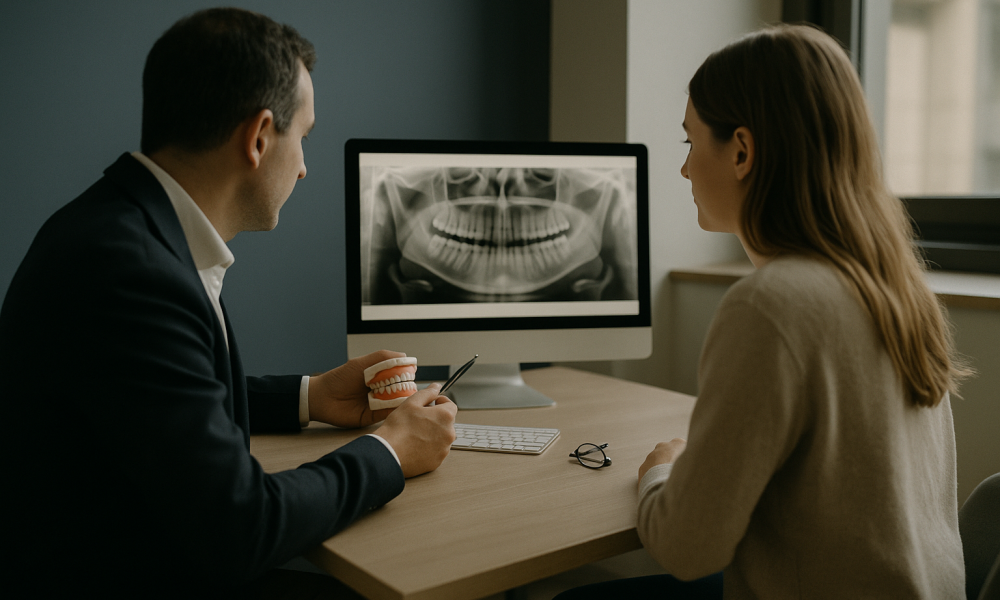
The process begins with a comprehensive evaluation, which includes dental X-rays, impressions, and a detailed examination of the mouth. This helps in developing a precise treatment plan that addresses all aspects of the patient’s dental health. The treatment is usually carried out over multiple appointments and may take several months to complete, depending on the complexity of the case.
Full mouth restoration is suitable for individuals who have lost multiple teeth due to decay, trauma, or periodontal disease. It is also an option for those with severe tooth wear caused by bruxism (teeth grinding) or acid erosion. Patients with congenital dental disorders, such as amelogenesis imperfecta or dentinogenesis imperfecta, might also benefit from this comprehensive approach.
In summary, full mouth restoration is an extensive treatment designed to rebuild and restore all the teeth in a person’s mouth, focusing on both function and aesthetics. It is ideal for individuals with complex dental issues requiring a holistic approach to achieve a healthy, functional, and aesthetically pleasing smile.
Are you a good candidate?
Determining whether you are a suitable candidate for full mouth restoration involves a comprehensive evaluation of your dental health and personal needs. Generally, candidates for this procedure are those who have significant dental issues that cannot be resolved with simpler treatments. If you are considering this procedure, it is important to understand the criteria that might make you a good candidate.
Here is a checklist of criteria to help determine if full mouth restoration might be right for you:
- Multiple Missing Teeth: You have several missing teeth that affect your bite and oral functionality.
- Severely Worn Teeth: Your teeth are significantly worn down due to bruxism, acid erosion, or other factors.
- Chronic Dental Pain: You experience ongoing pain or discomfort related to dental issues.
- Complex Bite Issues: You have bite problems that affect chewing and speaking.
- Previous Dental Trauma: You have suffered dental injuries that have left your teeth damaged.
- Periodontal Disease: You have advanced gum disease that has affected your teeth and bone structure.
- Desire for Aesthetic Improvement: You wish to significantly improve the appearance of your teeth and smile.
Potential candidates should also be in good overall health to undergo multiple dental procedures, sometimes involving surgery. It’s important to have realistic expectations about the outcomes and understand that while full mouth restoration can dramatically improve dental function and aesthetics, it requires a commitment to maintain oral hygiene and regular dental visits post-treatment.
In conclusion, if you meet several of the criteria listed above and are committed to improving your dental health and aesthetics, full mouth restoration in Turkey might be a suitable option for you. Consulting with a dental professional will provide personalized advice and help you make an informed decision.
The procedure, step by step
Undergoing a full mouth restoration is a comprehensive process that involves multiple procedures tailored to restore both function and aesthetics of the patient’s dental structure. Here’s a step-by-step guide to what patients can typically expect during the procedure:
- Initial Consultation and Examination: The process begins with a thorough consultation where a dentist evaluates the patient’s dental health. This involves taking detailed dental impressions, X-rays, and sometimes 3D imaging to create a precise treatment plan tailored to the patient’s needs. During this time, the dentist will discuss the desired outcomes and explain the procedures involved.
- Treatment Planning: Based on the initial examination, a customised treatment plan is developed. This plan outlines the specific procedures required, such as crowns, bridges, veneers, implants, or orthodontics. The dentist will explain the sequence of treatments and the estimated timeline, which can range from a few weeks to several months, depending on the complexity.
- Pre-Treatment Procedures: Before the main restorative work begins, any pre-existing dental issues such as cavities, gum disease, or tooth extractions are addressed. This might involve fillings, root canal treatments, or periodontal therapy to ensure a healthy foundation for the restoration.
- Placement of Implants or Braces: If dental implants or orthodontics are part of the plan, these procedures are typically performed early on. Dental implants require surgical placement of titanium posts into the jawbone, which will later support crowns or bridges. Orthodontic treatments, if needed, may involve braces or aligners to correct alignment issues over several months.
- Restorative Procedures: Once the foundation is set, the restorative phase begins. This includes fitting crowns, bridges, veneers, or dentures. Each piece is custom-made based on the patient’s dental impressions and colour-matched to their natural teeth for a seamless look.
- Adjustment and Finalisation: After the restorations are placed, adjustments may be necessary to ensure proper bite alignment and comfort. This stage involves fine-tuning the fit and making any necessary modifications to achieve optimal function and aesthetics.
- Final Evaluation and Follow-Up: The process concludes with a final evaluation to ensure that the restoration meets the patient’s expectations. Follow-up appointments are scheduled to monitor healing and to make further adjustments if needed.
Throughout the procedure, the dental team will provide detailed instructions on care and maintenance to ensure the longevity of the restoration.
Recovery timeline
Recovering from a full mouth restoration varies depending on the specific procedures performed. Here is a typical recovery timeline:
| Period | What to expect | Care notes |
|---|---|---|
| Day 1 | Patients may experience some discomfort and swelling, especially if implants or extractions were involved. | Apply ice packs to reduce swelling and take prescribed pain relief medications. Avoid hard foods. |
| Days 2-7 | Swelling and discomfort should gradually decrease. Patients can begin to adjust to temporary restorations or appliances. | Continue with soft foods and maintain oral hygiene with gentle brushing and rinsing with warm salt water. |
| Week 2 | Most initial discomfort should subside. Patients may start noticing improvements in function and aesthetics. | Regular follow-up visits may be scheduled to monitor healing and make necessary adjustments. |
| Weeks 3-6 | Healing continues, and patients become more accustomed to the restorations. Any orthodontic adjustments are made as needed. | Resume normal dental hygiene practices and gradually reintroduce a wider range of foods as comfort allows. |
| Months 2-3 | Healing is typically complete, and final restorations are evaluated for fit and function. | Attend all follow-up appointments to ensure optimal results and make any final adjustments. |
| Full Recovery | Most patients achieve full recovery within three months, with restored dental function and improved aesthetics. | Continue regular dental check-ups every six months to maintain oral health and the longevity of restorations. |
It is important for patients to follow all care instructions provided by their dental team to ensure a smooth recovery and long-lasting results.
What it costs: Turkey vs the United States
When considering full mouth restoration, cost is a significant factor for many patients. Turkey has emerged as a popular destination for dental tourism, offering competitive prices without compromising on quality. It’s important to understand that the costs presented here are indicative and can vary based on individual cases, the complexity of the procedure, and the specific clinic chosen.
The following table provides a comparison of typical price ranges for full mouth restoration in Turkey versus the United States:
| Country | Indicative Price Range (USD) | Typical Package Inclusions |
|---|---|---|
| Turkey | $8,000 – $15,000 | Consultation, X-rays, treatment planning, implants, crowns, anaesthesia, post-operative care, accommodation, and local transportation |
| United States | $25,000 – $60,000 | Consultation, X-rays, treatment planning, implants, crowns, anaesthesia; post-operative care often not included |
In Turkey, the indicative cost for full mouth restoration ranges from $8,000 to $15,000. This typically includes a comprehensive package that covers initial consultations, X-rays, treatment planning, the dental implants or crowns themselves, anaesthesia, and post-operative care. Many clinics also offer accommodation and local transportation as part of the package, which can significantly reduce the overall expenses related to the treatment journey.
In contrast, the cost in the United States is substantially higher, ranging from $25,000 to $60,000. While the basic components of the treatment such as consultations, X-rays, and dental work are included, additional costs are often incurred for post-operative care and travel, which are not typically bundled in packages. This can lead to a much higher overall expenditure.
The lower cost in Turkey is largely attributed to lower operational costs and favourable exchange rates, which allow clinics to offer high-quality services at a fraction of the cost. Furthermore, Turkish clinics often employ highly skilled professionals who are trained in advanced dental techniques, ensuring that patients receive care that meets international standards.
It is essential for patients to conduct thorough research and communicate with potential clinics to understand exactly what their package will include and what additional expenses might arise. This transparency helps in setting realistic expectations and planning the budget accordingly.
Risks and how accredited providers manage them
As with any medical procedure, full mouth restoration carries certain risks. Understanding these risks and how accredited providers manage them is crucial for prospective patients. In Turkey, many clinics are accredited by international bodies, ensuring adherence to high standards of care and patient safety.
The primary risks associated with full mouth restoration include infection, implant failure, nerve damage, and complications related to anaesthesia. To mitigate these risks, accredited clinics in Turkey follow stringent protocols and use state-of-the-art technology.
- Infection: Clinics maintain sterile environments and employ rigorous hygiene practices to prevent infections. Pre-operative antibiotics may also be prescribed to reduce the risk of bacterial infections.
- Implant Failure: While implant failure is rare, it can occur due to improper integration with the jawbone. Accredited providers use high-quality materials and conduct thorough pre-operative assessments to ensure optimal conditions for implant success.
- Nerve Damage: This is a potential risk when working near the nerves in the jaw. Skilled surgeons use advanced imaging techniques to plan the procedure meticulously, minimising the risk of nerve damage.
- Anaesthesia Complications: Anaesthesia-related complications are managed by experienced anaesthetists who monitor the patient closely throughout the procedure. Pre-operative assessments help in identifying any potential risks related to anaesthesia.
Accredited providers in Turkey also focus on post-operative care, which is crucial in managing risks and ensuring a smooth recovery. This includes regular follow-up appointments to monitor healing and address any concerns promptly. Patients are given detailed instructions on post-operative care, including oral hygiene practices, dietary recommendations, and signs of potential complications to watch for.
Moreover, many clinics offer comprehensive insurance packages that cover potential complications, providing patients with an additional layer of reassurance. Communication between the patient and the healthcare provider is emphasised, ensuring that patients are fully informed about their treatment and any associated risks.
In conclusion, while full mouth restoration involves certain risks, choosing an accredited provider in Turkey can significantly mitigate these risks through adherence to international standards, use of advanced technology, and comprehensive patient care. Patients are encouraged to discuss all potential risks and management strategies with their chosen clinic to make an informed decision.
How to choose the right provider
Choosing the right provider for full mouth restoration in Turkey is crucial to ensure a safe and satisfactory experience. Here are several key factors to consider when selecting a dental clinic or surgeon:
- Accreditation: Ensure the clinic is accredited by international organisations such as the Joint Commission International (JCI) or the Turkish Ministry of Health. Accreditation indicates adherence to international healthcare standards, providing assurance of quality and safety.
- Surgeon Experience: Look for dentists who have extensive experience in full mouth restorations. Check their qualifications, years of practice, and any specialised training they have undergone. Surgeons who are members of reputable organisations, such as the European Prosthodontic Association, often have additional credibility.
- Aftercare: Comprehensive aftercare is essential for the success of your treatment. Ensure the provider offers detailed post-operative care, including regular check-ups and availability to address any complications. Enquire about aftercare plans and how they coordinate with your local dentist once you return home.
- Red Flags: Be cautious of clinics offering significantly lower prices than the typical range of £4,000 to £10,000 for full mouth restoration, as this might compromise quality. Avoid providers who guarantee results or rush through consultations without thorough examination. Transparency in costs and procedures is a must; any reluctance to provide clear information should raise concerns.
Conduct thorough research, read patient reviews, and consider arranging an initial consultation, which many clinics offer via video call. This will help you assess the provider’s communication style and willingness to answer your questions. Making an informed decision will greatly enhance the likelihood of a positive outcome.
Planning your trip
Planning your trip to Turkey for full mouth restoration requires careful preparation to ensure a smooth and stress-free experience. Here is a detailed guide to help you plan effectively:
- Timeline Before Travel: Start planning your trip at least 3-6 months in advance. This allows ample time to research clinics, schedule consultations, and make travel arrangements. Once you have chosen a provider, they will typically require a dental assessment via photos or X-rays to design your treatment plan.
- Documents: Ensure your passport is valid for at least six months beyond your intended stay. Some patients may require a visa to enter Turkey, which can often be obtained online before departure. It is also important to carry medical records, including past dental history and any relevant imaging.
- Length of Stay: The typical stay for full mouth restoration is around 10-14 days, allowing for initial treatment and recovery. Complex cases may require longer stays. Discuss the timeline with your provider to ensure you have adequate time for both the procedure and initial healing.
- Follow-Up at Home: Arrange for follow-up care with your local dentist before you travel. This ensures continuity of care and allows your home dentist to be informed of the procedures you will undergo. Your Turkish provider should supply detailed reports and instructions for your local dentist. Regular follow-up visits are crucial to monitor the success of the treatment and address any issues.
Consider purchasing travel insurance that covers medical tourism to protect against unforeseen circumstances. Make sure to keep all travel and treatment-related documents organised and easily accessible. Proper planning will help you focus on your recovery and enjoy your time in Turkey.
Frequently Asked Questions
What is the typical cost of full mouth restoration in Turkey?
The typical cost for a full mouth restoration in Turkey ranges from £4,000 to £10,000. This price can vary based on the complexity of the case, the materials used, and the specific clinic. It's important to get a detailed quote from your chosen provider that outlines all potential costs.
Are there any hidden costs I should be aware of?
When planning medical travel, ensure the quoted price includes all potential costs such as consultations, diagnostics, treatment, and aftercare. Some clinics offer packages that cover accommodation and transfers. Always ask for a detailed breakdown to avoid unexpected expenses.
How safe is it to undergo dental treatment in Turkey?
Turkey is a popular destination for medical tourism, with many clinics adhering to international safety standards. Choosing an accredited clinic and an experienced dentist is crucial. Research thoroughly and consult with your provider to ensure a safe treatment experience.
How long will I need to stay in Turkey for the procedure?
For full mouth restoration, you should plan to stay in Turkey for about 10-14 days. This allows time for the procedure and initial recovery. Discuss the timeline with your provider to ensure all necessary steps are taken before you return home.
What documents are necessary for my medical travel?
You'll need a valid passport, possibly a visa, and your medical records, including dental history and any relevant X-rays. Check with your provider and the Turkish embassy for specific entry requirements.
How do I arrange follow-up care once I'm back home?
Before your trip, coordinate with your local dentist to handle follow-up care. Your Turkish provider should give detailed reports and instructions for your home dentist. Regular follow-up is crucial for monitoring the success of your treatment.
What should I do if complications arise after I return home?
In the event of complications, contact your Turkish provider immediately for guidance. They can offer remote consultations and coordinate with your local dentist. It's essential to have a plan in place before your trip to manage any potential issues.
Can I combine my dental treatment with a holiday in Turkey?
Many patients choose to combine treatment with leisure, but it's important to prioritise recovery. Plan your holiday activities around medical appointments and ensure you have ample time to rest and heal after the procedure.
What language is spoken in Turkish dental clinics?
Many Turkish dental clinics cater to international patients and have English-speaking staff. It's still a good idea to confirm language capabilities during your initial consultations to ensure clear communication throughout your treatment.
Will I need someone to accompany me during my treatment?
While not essential, having a companion can be beneficial for support and assistance during recovery. They can help with logistics and provide comfort, especially if you experience discomfort post-procedure.
How can I verify the credentials of a Turkish dentist?
Research the dentist's qualifications, experience, and membership in professional organisations. Reputable clinics will openly share this information. Online patient reviews and testimonials can also provide insights into their reputation.
What kind of aftercare is provided by Turkish clinics?
Comprehensive aftercare is crucial. Clinics should offer follow-up consultations, provide detailed care instructions, and be available for remote support after you return home. Verify the aftercare services included in your package before committing.