
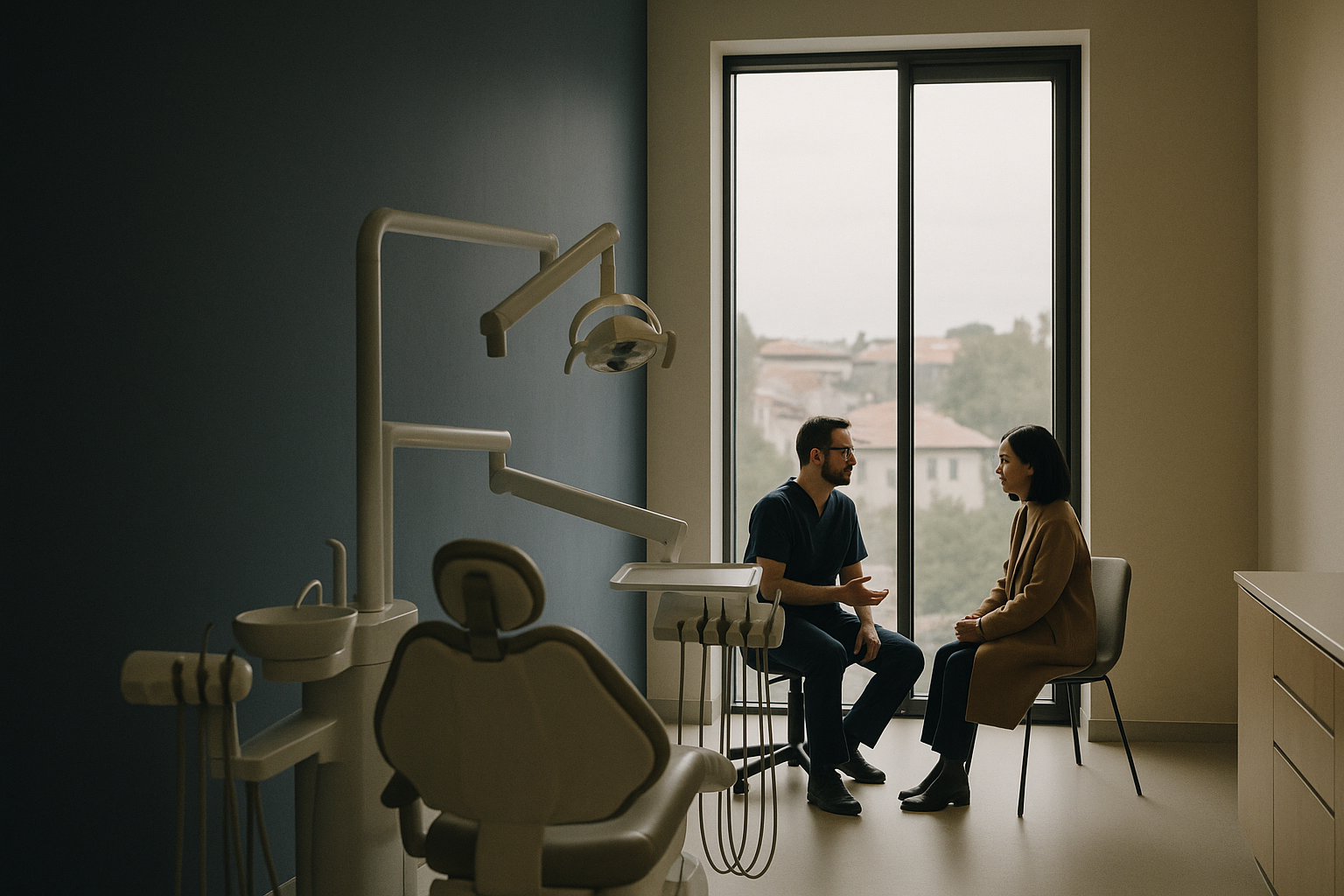
Implant dentures are a popular choice for individuals seeking durable and natural-looking solutions for missing teeth. As dental tourism becomes increasingly widespread, patients are considering international options for their dental needs.
How much are dental implants in Turkey?
Turkey has emerged as a leading destination for dental tourism, offering competitive prices for high-quality dental care. The cost of dental implants in Turkey can range from £500 to £1,200 per implant, depending on the complexity of the case, the expertise of the dental professional, and the materials used. For instance, titanium implants, known for their durability and biocompatibility, may be priced at the upper range, while more basic options might be less costly. This is significantly lower than in the UK or US, where prices can exceed £3,000 per implant due to higher operational costs and living expenses.
The affordability is attributed to the lower cost of living and operational expenses in Turkey. Dental clinics in Turkey benefit from reduced overheads, allowing them to offer competitive pricing without compromising on quality. However, it is crucial for patients to ensure they are receiving care from accredited and experienced professionals to avoid potential complications. Thorough research and direct communication with clinics can help patients make informed decisions. Prospective patients should inquire about the dentist’s credentials, years of experience, and success rates with implant procedures.
Additionally, patients should consider the total cost, including travel and accommodation, when budgeting for dental implants in Turkey. While the initial price may seem attractive, these additional expenses can add up, impacting the overall savings. It is advisable to compare several clinics and seek quotes that detail all potential costs to ensure transparency and the best value for money. By accounting for all expenses, including potential consultation fees, medication, and aftercare, patients can better assess the overall financial commitment involved.
Is it safe to have dental implants in Turkey?
Safety is a primary concern for anyone considering medical procedures abroad, and dental implants are no exception. In Turkey, many clinics are accredited by international bodies such as the Joint Commission International (JCI) and the International Organization for Standardization (ISO), ensuring adherence to global health and safety standards. These accreditations are crucial indicators of a clinic’s commitment to quality care and patient safety. Patients should verify these accreditations and read reviews from previous patients to gauge the clinic’s reputation. Online review platforms and dental forums can provide insights into the experiences of past patients, highlighting both positive outcomes and any areas of concern.
Additionally, Turkey has a robust regulatory framework for healthcare services, offering peace of mind to international patients. The Turkish Ministry of Health enforces strict guidelines for medical facilities, ensuring that hygiene standards, equipment, and staff qualifications meet international benchmarks. It is advisable to consult with local dental experts to confirm the necessity of the procedure and its suitability for your specific needs before traveling. A second opinion can validate the necessity of the implants and provide additional reassurance.
Patients should also consider the language barrier and ensure that effective communication is possible with the clinic staff. Many clinics catering to international patients offer multilingual services, but it is wise to confirm this before proceeding. Clear communication is essential to avoid misunderstandings about the treatment plan and aftercare instructions. Understanding the local culture and legal considerations are also critical, as they can affect consent processes and patient rights during the treatment.
What is the process for getting implant dentures abroad?
The process for obtaining implant dentures abroad typically involves several stages, requiring careful planning and coordination. Initially, prospective patients should consult with their local dentist to determine the need for implants. This initial consultation can provide a baseline assessment and any necessary preliminary treatments, such as extractions or bone grafts, that might be required before implant placement.
After deciding on a clinic abroad, the patient should have a preliminary consultation, often facilitated via video call. During this session, the dentist can review any existing dental records, discuss the patient’s goals and expectations, and provide an initial treatment plan and cost estimate. This step is crucial for establishing trust and ensuring that both parties are aligned on the expected outcomes. During these discussions, patients should also confirm the timelines for the procedure, including the duration of the stay abroad and the anticipated recovery period.
Upon arrival at the chosen clinic, a detailed examination and treatment plan will be provided. This includes X-rays, 3D imaging, and other diagnostic procedures to ensure precise implant placement. The dental implant procedure itself usually requires multiple visits over a span of several months to allow for proper healing and integration of the implants. Patients should ensure they allocate sufficient time for these stages and possible follow-up appointments. Typically, the process involves the initial surgery to place the implants, followed by a healing period of three to six months, during which the implants integrate with the jawbone. Scheduling flexibility is important in case additional adjustments or assessments are needed.
What are the benefits of choosing dental implants in Turkey?
Choosing dental implants in Turkey offers several benefits, making it an attractive option for many patients worldwide. The most evident is cost savings, which can be substantial when compared to prices in Western countries. In some cases, patients can save up to 70% on dental procedures, even after accounting for travel and accommodation expenses. This financial advantage allows patients to access top-tier dental care that might otherwise be unaffordable.
Additionally, Turkey’s dental clinics are equipped with modern technology and staffed by experienced professionals. Many clinics invest in state-of-the-art equipment and continuous staff training, ensuring that patients receive the latest and most effective treatments available. The combination of advanced technology and skilled practitioners contributes to high success rates for implant procedures. The focus on quality care is reflected in the personalized attention patients receive, with detailed treatment plans tailored to individual needs.
Beyond financial savings, patients often enjoy shorter waiting times compared to their home countries, where dental procedures might be delayed due to high demand. This efficiency can be particularly beneficial for patients requiring timely interventions. Moreover, the opportunity to combine their treatment with leisure travel adds to the appeal. Turkey’s rich cultural heritage, historical sites, and scenic beauty provide a unique backdrop for medical tourists, turning a necessary medical trip into a memorable experience. Patients can explore famous landmarks like the Hagia Sophia or the Bosphorus, making the journey both health-focused and culturally enriching.
How to prepare for dental implant surgery abroad?
Proper preparation is essential for a successful dental implant surgery abroad. Begin by researching and selecting a reputable clinic. This involves evaluating the clinic’s history, the qualifications of its dental professionals, and its track record with international patients. Verify the qualifications and experience of the dental professionals involved and ensure clear communication about the treatment plan and costs. Transparent communication can help prevent misunderstandings and ensure that patients have realistic expectations.
Patients should also secure travel insurance that covers medical procedures abroad. This insurance can provide financial protection in case of unforeseen complications or the need for additional treatments. It is wise to prepare a detailed itinerary, including accommodation and transportation arrangements, and allow flexibility for potential recovery time. Patients might need to stay longer than anticipated if additional follow-up appointments are necessary, so planning for contingencies is prudent.
Another important step is to arrange for post-surgery care and support. Patients should identify a local dentist who can assist with follow-up care once they return home. Having a trusted professional available to monitor the healing process and address any concerns ensures continuity of care and enhances the long-term success of the implants. Additionally, preparing a list of post-operative care essentials, such as prescribed medications and dietary guidelines, can help manage the recovery process more effectively.
What are the aftercare and recovery considerations?
Aftercare is a critical component of successful dental implant surgery. Following the procedure, patients should adhere to the post-operative instructions provided by their dentist. These instructions typically include maintaining oral hygiene through gentle brushing and antiseptic mouth rinses, adhering to a soft diet to minimize stress on the implants, and avoiding strenuous activities that might disrupt the healing process.
Regular follow-up appointments are necessary to monitor the healing process and ensure the longevity of the implants. These appointments allow the dentist to assess the integration of the implants with the jawbone and make any necessary adjustments. Patients should remain in touch with their home dentist for continued care and any further adjustments needed. This ongoing relationship is crucial for addressing any issues that might arise and ensuring the long-term success of the implant dentures.
It’s also important for patients to be aware of common recovery challenges, such as swelling or minor discomfort, and to have realistic expectations about the healing timeline. Most patients experience significant improvements within a few weeks, but complete healing and osseointegration can take several months. Patience and adherence to aftercare instructions are key to achieving the best outcomes. Understanding the signs of potential complications, such as persistent pain or unusual swelling, can help patients seek timely intervention if needed.
Conclusion
Implant dentures present a viable option for those seeking affordable and effective dental solutions abroad. By thoroughly researching clinics, understanding the procedure, and preparing adequately, patients can achieve successful outcomes and enjoy the benefits of restored dental function and aesthetics. The combination of cost savings, high-quality care, and the opportunity to explore a new country makes dental tourism in Turkey an appealing choice for many. However, the success of the procedure depends heavily on careful planning and adherence to aftercare protocols, ensuring that patients return home with a smile that not only looks great but functions perfectly as well.
Proven result
20 to 200 hair-transplant patients a month from Australia
Aesthetic surgery group
Frequently asked questions
How much do dental implants cost in Turkey?
Dental implants in Turkey typically range from £500 to £1,200 per implant, making them more affordable than in many Western countries.
Are dental implants in Turkey safe?
Yes, many Turkish clinics meet international safety standards, but patients should verify accreditations and read reviews before proceeding.
What is the procedure for getting dental implants abroad?
The process involves initial consultations, a treatment plan, and multiple visits to the clinic for implantation and follow-up care.
What are the benefits of dental tourism in Turkey?
Benefits include cost savings, high-quality care, reduced waiting times, and the opportunity to explore Turkey’s cultural attractions.
Related guides

International Patient Onboarding Guide for Hospitals
An international patient inquiry is not simply a lead. It is a person weighing a major medical decision…

How Clinics Qualify Overseas Treatment Inquiries
An overseas inquiry can look promising long before it becomes a viable treatment case. A patient may be…

Why Do Hospitals Lose Leads Before They Become Patients
A patient submits an inquiry at 9:12 p.m. about a procedure, uploads medical records, and waits for a…