
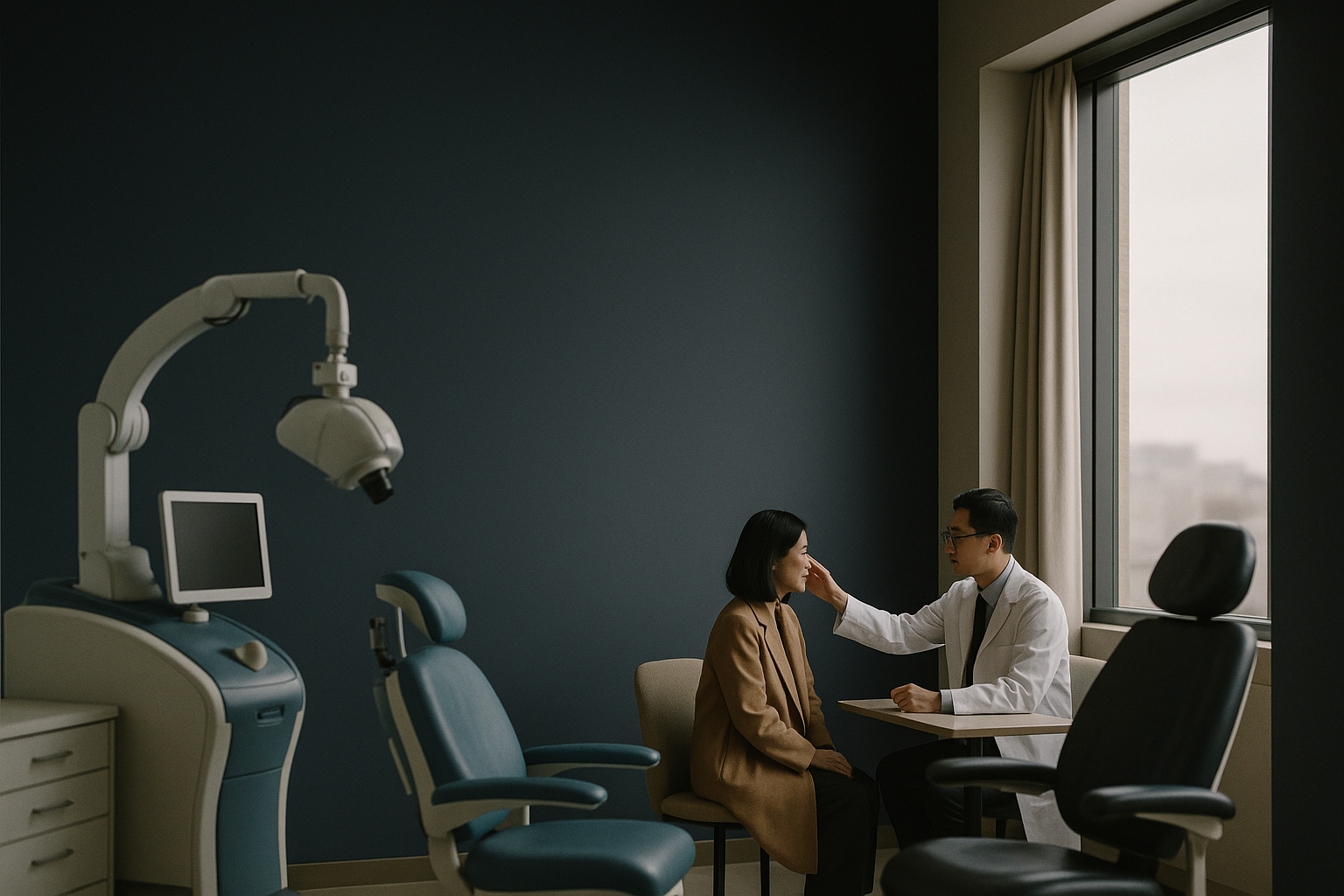
Hairline transplant costs are a pivotal consideration for anyone exploring international medical travel for cosmetic surgery. Understanding these costs helps prospective patients make informed decisions regarding where and how to proceed with their hair restoration journey.
What Influences Hairline Transplant Costs?
Several factors influence the cost of a hairline transplant, each contributing to the overall expense of the procedure. One of the primary factors is geographical location. Clinics in major metropolitan areas or in countries with high costs of living, such as the United States, Canada, and parts of Western Europe, often charge more for hairline transplants than clinics in countries with lower operational costs like Turkey or India. This is due to higher overheads, including rent, salaries, and utilities, which are typically passed on to the patient.
Another significant factor is the surgeon’s experience and reputation. Highly skilled surgeons with extensive experience and a strong track record of successful procedures tend to charge premium rates. This is because they bring a level of expertise and precision that can greatly affect the outcome of the transplant, reducing the risk of complications and ensuring more natural-looking results. Patients often find value in paying higher fees for experienced surgeons, as it increases the likelihood of achieving their desired outcome.
The complexity of the procedure itself also influences cost. The two main techniques used in hairline transplants are Follicular Unit Extraction (FUE) and Follicular Unit Transplantation (FUT). FUE is generally more expensive because it is a more time-consuming and labor-intensive process. It involves extracting individual hair follicles, which requires meticulous attention to detail and results in minimal scarring. Conversely, FUT involves removing a strip of skin and can be done more quickly but leaves a linear scar. The choice between these methods depends on the patient’s specific needs, budget, and desired outcome.
The number of grafts required is another crucial cost determinant. Patients with extensive hair loss will need more grafts, which increases the overall cost. Clinics often charge per graft, with prices ranging from $3 to $10 per graft depending on various factors such as location and surgeon expertise. A thorough consultation with a specialist is essential to determine the exact number of grafts needed and to provide an accurate cost estimate.
How Much Does a Hairline Transplant Cost Globally?
The cost of a hairline transplant varies widely across the globe, typically ranging from $3,000 to $15,000. The substantial variation is primarily driven by regional economic differences and healthcare infrastructures. For instance, in the United States, the cost can range from $5,000 to $15,000, depending on the city and clinic. High operational costs and stringent regulations contribute to these high prices, making hair transplants a significant investment.
In contrast, countries like Turkey have become popular destinations for medical tourism due to their competitive pricing and high-quality care. In Turkey, the cost of a hair transplant ranges from $1,500 to $3,000, making it an attractive option for many international patients. The country’s well-regulated healthcare system, experienced surgeons, and advanced facilities contribute to its reputation as a top destination for hair restoration procedures.
Similarly, India offers affordable hairline transplants, with costs typically between $1,000 and $2,500. The lower cost of living and labor in India enables clinics to offer competitive pricing without compromising quality. However, when considering these destinations, patients must account for additional expenses such as travel, accommodation, and potential follow-up visits. While the initial savings on the procedure may be substantial, these additional costs can add up, so a comprehensive budget should be considered to ensure the overall expense remains within financial constraints.
When planning a hairline transplant abroad, it’s crucial to weigh the benefits of cost savings against the logistics of international travel and the quality of care available. Selecting a reputable clinic with positive patient reviews and verifiable credentials is essential to ensure safety and satisfaction with the procedure.
What Are the Safety Considerations for Hairline Transplants?
Safety is a paramount concern when considering a hairline transplant, especially when it involves traveling abroad. Prospective patients should ensure that the chosen clinic is accredited by a recognized international body, such as the Joint Commission International (JCI) or the International Society of Hair Restoration Surgery (ISHRS). Accreditation indicates that the clinic adheres to high medical standards, which can significantly reduce the risk of complications and enhance the likelihood of a successful outcome.
Thoroughly researching the qualifications and experience of the medical team is essential. Patients should verify the surgeon’s credentials, including their education, training, and track record with similar procedures. Clinics should be transparent about their staff’s qualifications and provide detailed information about the procedure, potential risks, and expected recovery times.
Patient reviews and testimonials can provide valuable insights into the clinic’s reputation and the experiences of previous patients. While no clinic can guarantee a perfect outcome, consistent positive feedback and high satisfaction rates can be reassuring indicators of quality care.
Understanding the healthcare regulations in the destination country is equally important. Patients should familiarize themselves with the legal recourse available in case of complications or dissatisfaction with the procedure. Some countries have robust patient rights and protections in place, while others may not offer the same level of legal support. Ensuring clear communication with the clinic regarding follow-up care and contingency plans in case of complications is essential for peace of mind and to safeguard one’s health.
What Is the Hairline Transplant Procedure Like?
Hairline transplant procedures involve the meticulous process of extracting hair follicles from a donor area, typically the back of the head, and implanting them into areas where hair is thinning or balding. The two primary techniques employed are Follicular Unit Extraction (FUE) and Follicular Unit Transplantation (FUT), each offering distinct benefits and considerations.
FUE is a favored method due to its precision and the minimal scarring it leaves behind. During an FUE procedure, individual hair follicles are extracted using a specialized punch tool and then implanted into the recipient area. This technique is time-consuming, often requiring several hours to complete, but it allows for a natural-looking hairline with virtually undetectable scars. FUE is ideal for patients who prefer to keep their hair short, as it does not result in noticeable scarring.
On the other hand, FUT involves the removal of a strip of skin from the donor area, from which hair follicles are extracted and transplanted. This method is generally quicker and can be more cost-effective due to the larger number of grafts that can be harvested at once. However, FUT leaves a linear scar, which may be visible if the patient wears their hair very short. It is often recommended for patients requiring a significant number of grafts and those who do not mind a permanent scar in the donor area.
Both methods require careful planning and execution by a skilled surgeon to achieve a natural and aesthetically pleasing result. During the consultation phase, patients should discuss their goals and preferences with the surgeon to determine the most suitable method. Factors such as hair type, density, and the extent of hair loss will influence the decision. A personalized approach ensures that the chosen technique aligns with the patient’s expectations and delivers the desired outcome.
How Long Is the Recovery Time for a Hairline Transplant?
Recovery from a hairline transplant can vary based on the technique used and individual patient factors, but generally, patients can expect to resume normal activities within a week post-surgery. Understanding the recovery timeline and adhering to post-operative care instructions are crucial for optimal healing and results.
In the first few days following the procedure, patients often experience swelling and redness around the transplant area, which is a normal response to the surgery. Small scabs will form around the transplanted follicles, typically falling off within 10 to 14 days. During this time, patients should avoid touching or scratching the treated areas to prevent dislodging the grafts.
Following the clinic’s post-operative instructions is essential in promoting healing. This includes washing the scalp gently with prescribed shampoos and avoiding exposure to direct sunlight or harsh chemicals. Patients are usually advised to refrain from strenuous physical activities, including exercise and heavy lifting, for at least a week to reduce the risk of swelling and bleeding.
Complete healing, including the maturation of the transplanted hair follicles, can take several months. Patients may notice initial shedding of transplanted hair, known as “shock loss,” within the first month, which is a normal part of the process. New growth typically begins 3 to 4 months after the procedure, with full results visible after 9 to 12 months. Regular follow-up appointments with the surgeon are important to monitor progress and address any concerns that arise during the recovery period.
What Are the Benefits of International Medical Travel for Hairline Transplants?
International medical travel for hairline transplants presents several benefits, making it an attractive option for many patients. One of the most significant advantages is cost savings. Treatments in countries such as Turkey, India, and Thailand can be substantially more affordable than in Western countries due to lower operational costs. This allows patients to access high-quality care without the financial burden often associated with cosmetic procedures in their home countries.
Beyond cost, international medical travel offers access to highly skilled surgeons and state-of-the-art facilities that may not be available locally. Many clinics abroad specialize in hair restoration and employ surgeons who have received training at prestigious institutions globally. These clinics often boast advanced technologies and innovative techniques that enhance the quality of care and patient outcomes.
Additionally, medical tourism provides patients with an opportunity to combine treatment with travel, transforming a medical trip into a holistic experience. Patients can recover in serene environments, which can be beneficial for healing, and also take the chance to explore new cultures and destinations. This dual benefit of treatment and travel can make the experience more enjoyable and less stressful.
However, when considering international medical travel, it’s crucial to thoroughly research potential destinations and clinics. Ensuring that the clinic is accredited, the surgeons are qualified, and the facilities meet international standards is essential for safety and satisfaction. A well-informed decision can lead to successful outcomes, cost savings, and a fulfilling travel experience.
Conclusion
A hairline transplant can be a life-changing procedure for those experiencing hair loss. Understanding the costs, procedures, and safety considerations involved is crucial in making an informed decision. By researching and choosing a reputable clinic, international patients can achieve optimal outcomes while enjoying the benefits of medical tourism.
Proven result
20 to 200 hair-transplant patients a month from Australia
Aesthetic surgery group
Frequently asked questions
What factors affect hairline transplant cost?
Costs can vary due to location, surgeon experience, procedure complexity, and the number of grafts required.
Is a hairline transplant safe abroad?
Yes, provided the clinic is accredited, and the medical team is experienced. Research and patient reviews are essential.
What is the difference between FUE and FUT?
FUE involves extracting individual follicles, while FUT involves removing a strip of skin. FUE is less invasive but typically more expensive.
How long does recovery from a hairline transplant take?
Initial recovery takes about a week, but full healing can take several months. Follow post-operative care instructions for best results.
Why choose international medical travel for a hairline transplant?
It offers cost savings, access to skilled surgeons, and the chance to recover in a relaxing environment.
Related guides

Turkey Hospitals vs Local Hospitals Compared
A lower procedure quote can get a patient’s attention. It should not make the decision on its own.…

Patient Experience That Drives Trust and Growth
A patient who has already uploaded medical records, compared providers, and arranged time away from work is not…

What Is a Medical Travel Facilitator and Why Use One?
A lower treatment quote can look compelling until you try to compare what it actually includes: surgeon fees,…