
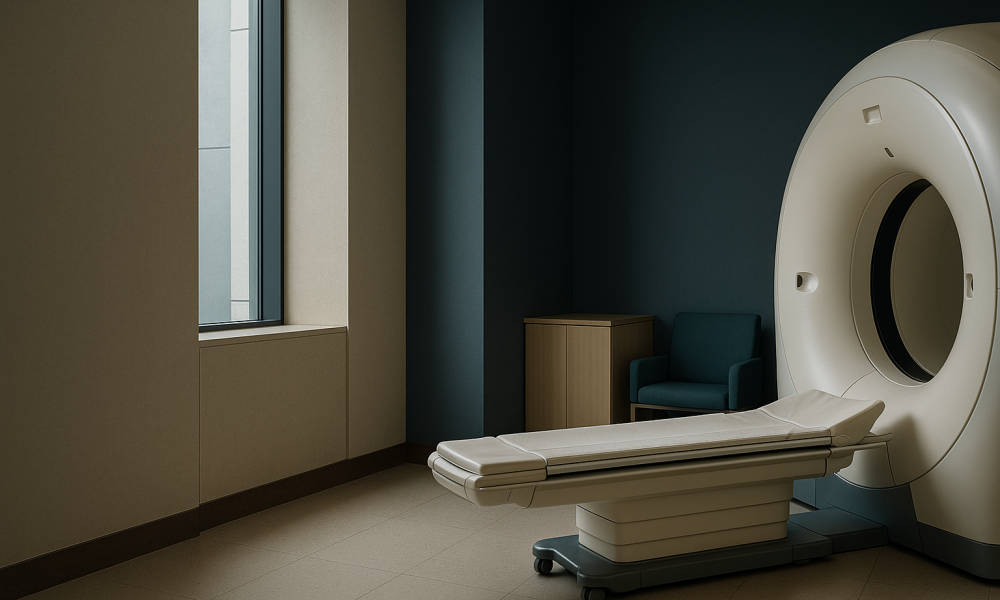
What Oncology Second Opinion Abroad is and who it is for
Seeking a second opinion in oncology is a valuable step for patients diagnosed with cancer, providing an opportunity to confirm or reassess a diagnosis and to explore alternative treatment options. An oncology second opinion abroad, specifically in Turkey, offers European patients access to a diverse pool of experienced specialists who may provide different perspectives on their case. This process is particularly beneficial when faced with a complex or rare cancer diagnosis, when the current treatment plan is not yielding expected results, or when a patient seeks reassurance about the proposed treatment strategy.
In Turkey, the healthcare system provides a unique advantage due to its integration of advanced medical technologies and a significant number of internationally accredited hospitals. These institutions frequently participate in global clinical trials and follow international treatment protocols, ensuring that the care provided is on par with global standards. The decision to seek a second opinion abroad can be motivated by several factors, including the desire for access to cutting-edge treatments that may not be available in one’s home country, the need for a more personalised treatment plan, or simply the reassurance that comes from consulting multiple experts.
Patients considering this option should understand that the second opinion process typically involves a comprehensive review of the patient’s medical records, including imaging scans, pathology slides, and previous treatment histories. Turkish specialists are known for their thoroughness in evaluating these materials and may recommend additional diagnostic tests if needed. The process can often be conducted remotely, which is convenient for international patients who may not be able to travel immediately. However, should an in-person consultation be required, Turkey’s strategic location and well-connected airports facilitate relatively easy access from Europe.
It is essential for patients to communicate openly with their primary healthcare provider about their intention to seek a second opinion. This ensures continuity of care and helps avoid any potential misunderstandings. Furthermore, patients should prepare a list of questions and concerns to address during their consultation abroad. Common queries might include asking about alternative treatment options, the potential side effects of proposed treatments, and the overall prognosis based on the second opinion.
Are you a good candidate?
Determining whether you are a good candidate for an oncology second opinion abroad involves assessing several personal and medical criteria. This decision should be made after careful consideration of the potential benefits and challenges involved. Here are some factors to consider:
- Diagnosis Uncertainty: If you have received a rare or complex cancer diagnosis, or if there is any uncertainty about your diagnosis, a second opinion can provide clarity and confidence.
- Dissatisfaction with Current Treatment: Patients who feel that their current treatment is not effective or those experiencing unexpected side effects might benefit from alternative perspectives.
- Access to Advanced Treatments: If you are interested in exploring new or experimental treatments that are not available in your home country, Turkey’s advanced healthcare facilities may offer viable options.
- Desire for Reassurance: Seeking reassurance from an additional expert can help alleviate anxiety and empower you to make informed decisions about your treatment plan.
- Logistical Considerations: Consider whether you are able to travel to Turkey, or if you prefer a remote consultation. Turkey’s healthcare facilities are equipped to handle both in-person and virtual consultations.
- Financial Preparedness: Ensure you understand the indicative costs involved, typically ranging from €300 to €700, and consider whether this fits within your budget.
While the decision to seek a second opinion abroad should be personalised, it is generally advisable for patients who are proactive about their healthcare and willing to explore all available options. Engaging with specialists in Turkey can offer new insights and potentially more effective treatment pathways. However, it is crucial to weigh the potential benefits against the logistical and financial implications to make an informed choice that aligns with your personal circumstances and healthcare goals.
The procedure, step by step
Obtaining a second opinion for oncology treatment in Turkey involves a series of carefully planned steps to ensure a comprehensive evaluation of your condition. Here’s a detailed breakdown of the process:
- Initial Consultation and Documentation: Begin by gathering all relevant medical records, including pathology reports, imaging results, and previous treatment plans. This documentation will be crucial for the Turkish oncology specialists to provide an informed second opinion.
- Choosing a Specialist: Research and select an oncologist or oncology centre in Turkey with expertise relevant to your specific condition. Many hospitals offer multilingual services and coordinators to assist international patients.
- Appointment Scheduling: Contact the chosen healthcare provider to schedule a consultation. This can often be arranged within a few weeks, depending on the availability of the specialist and the urgency of the case.
- Travel Arrangements: Plan your travel to Turkey. Istanbul is a major hub with international flights from many European cities. Ensure you have a valid passport and any necessary visas or travel documents.
- Initial Meeting with the Oncologist: Upon arrival, you will meet with the oncologist for an in-depth discussion of your case. This meeting may include a physical examination and a review of your medical history and current symptoms.
- Diagnostic Tests: Depending on the oncologist’s assessment, additional diagnostic tests such as blood tests, biopsies, or imaging scans (MRI, CT, PET) may be recommended to gather further information.
- Review and Analysis: The oncologist will review all collected information to form a comprehensive understanding of your condition. This may involve consultations with a multidisciplinary team of specialists.
- Second Opinion Report: After the analysis, you will receive a detailed report outlining the findings and any recommended changes to your treatment plan. This report will often include treatment options, potential side effects, and expected outcomes.
- Follow-Up Consultation: A follow-up meeting may be scheduled to discuss the second opinion and address any questions or concerns. This can sometimes be conducted via video conference if you have already returned home.
- Decision Making: With the second opinion in hand, you can make an informed decision about your treatment path, whether it involves proceeding with the suggested plan in Turkey or continuing treatment in your home country.
Recovery timeline
Understanding the recovery timeline after receiving an oncology second opinion in Turkey can help set realistic expectations and prepare for any necessary follow-up care. Below is a general timeline of what to expect:
| Period | What to expect | Care notes |
|---|---|---|
| Day 1 | Post-consultation, you may feel a range of emotions as you process the information provided. It’s normal to experience relief, anxiety, or even confusion. | Discuss any immediate questions with the healthcare team before leaving the facility. Ensure you have all reports and instructions for follow-up. |
| Week 1-2 | During this period, you may need to undergo additional tests or begin a new treatment regime based on the second opinion. | Follow all medical advice closely. Keep a record of any new symptoms or side effects to discuss with your healthcare provider. |
| Month 1 | Adjustments to your treatment plan may begin showing initial effects. You may notice changes in symptoms or side effects. | Maintain regular communication with your oncologist, especially if you notice significant changes in your condition. |
| Month 2-3 | By this stage, you should have a clearer understanding of the effectiveness of the new treatment plan. | Continue to attend scheduled follow-up appointments. Consider joining a support group to help manage emotional and psychological impacts. |
| Full Recovery | Depends on the individual treatment plan and overall health. Some patients may reach a stable condition sooner, while others might require ongoing treatment. | Ensure you have a long-term care plan in place, including lifestyle adjustments and regular check-ups. |
Recovery timelines can vary greatly depending on the individual’s specific diagnosis, treatment plan, and overall health. It is crucial to follow the guidance of your healthcare provider and maintain open communication throughout the process.
5. What it costs: Turkey vs Europe
When considering a second opinion for oncology treatment abroad, understanding the cost implications is crucial. Turkey has emerged as a cost-effective destination for medical tourism, particularly in the field of oncology. While exact prices can vary significantly based on the complexity of the case and the specific services required, indicative price ranges can provide a useful benchmark for comparison.
In general, the cost of obtaining a second opinion in Turkey is often significantly lower than in many European countries. These savings are primarily due to lower operational costs, differences in healthcare systems, and competitive pricing strategies adopted by Turkish medical institutions. Below is a comparative table illustrating typical indicative price ranges for oncology second opinions in Turkey versus several European countries:
| Service | Turkey (EUR) | Europe (EUR) |
|---|---|---|
| Initial Consultation | 100 – 200 | 250 – 500 |
| Comprehensive Diagnostic Review | 400 – 800 | 1000 – 2000 |
| Pathology Re-evaluation | 150 – 300 | 300 – 600 |
| Molecular Testing | 500 – 1000 | 1200 – 2500 |
These figures are indicative and can vary based on the specific provider and the patient’s individual needs. It’s essential to consult directly with healthcare providers for precise quotes.
Typically, packages for second opinions in Turkey include a range of services such as an initial consultation, a detailed review of medical records, and a comprehensive diagnostic assessment. Some clinics may also offer additional services like personalised treatment planning or coordination of further care, if required. Always verify exactly what is included in any quoted package to avoid unexpected costs.
6. Risks and how accredited providers manage them
Seeking a second opinion for oncology treatment in a foreign country like Turkey involves certain risks, as with any medical decision. However, these risks can be effectively managed by choosing accredited providers who adhere to international standards of care and patient safety.
One of the primary concerns is the accuracy and reliability of the diagnostic and treatment recommendations. In Turkey, many healthcare institutions are accredited by international bodies such as the Joint Commission International (JCI), which ensures that they meet rigorous standards for quality and safety. These accreditations require healthcare providers to maintain high levels of medical expertise, patient care, and facility management.
Another risk involves communication challenges due to language barriers. Accredited providers typically offer multilingual support services, including translation and interpretation, to ensure that patients fully understand their medical situation and the options available to them. This communication is crucial for informed decision-making and patient satisfaction.
Travel-related risks, such as those associated with long-distance journeys and unfamiliar environments, are also a consideration. Most accredited providers offer comprehensive support services that include assistance with travel arrangements, accommodation, and local transportation. This support helps to minimise stress and allows patients to focus on their health and treatment.
Moreover, the risk of post-consultation follow-up can be mitigated through telemedicine services, which many Turkish providers offer. This allows for ongoing communication and support once the patient returns home, ensuring continuity of care and the ability to address any concerns that may arise after the initial consultation.
Finally, the potential for differences in medical protocols and treatment philosophies between Turkey and the patient’s home country can be addressed through thorough pre-travel research and consultation with both local and Turkish medical professionals. Accredited providers often have partnerships with international institutions, facilitating collaborative care and alignment in treatment approaches.
In conclusion, while there are inherent risks in seeking a second opinion abroad, these can be effectively managed by choosing accredited providers who offer comprehensive support and adhere to international standards. Patients are encouraged to thoroughly research and select their healthcare providers, ensuring that they receive safe and effective care.
How to choose the right provider
Choosing the right provider for your oncology second opinion abroad is crucial to ensure you receive quality care. Start by verifying the accreditation of the healthcare facility. Look for international accreditations such as JCI (Joint Commission International) that indicate adherence to global healthcare standards. Accreditation ensures that the facility meets stringent safety, quality, and operational benchmarks.
Another critical aspect is the experience of the oncologist or surgeon. Research the professional background of the specialists, including their education, years of practice, and areas of expertise. Consider seeking out specialists with a track record of treating your specific type of cancer. You might also want to inquire about their involvement in research or clinical trials, as this can be indicative of a commitment to staying updated with the latest advancements in oncology.
Aftercare is a vital component of the treatment journey. Ensure the provider offers comprehensive aftercare services, which might include follow-up consultations, rehabilitation services, and psychological support. This is especially important for international patients who may not have immediate access to their primary healthcare providers once they return home.
Be vigilant for red flags when evaluating potential providers. Avoid clinics that make unrealistic promises or guarantee specific outcomes. Transparency is key; reputable providers will communicate the potential risks and limitations of treatment options. Be cautious of facilities that do not provide clear information about their team, treatment protocols, or pricing structures.
Lastly, consider patient reviews and testimonials, but approach them with a critical eye. Consistent positive feedback regarding patient care, communication, and overall experience can be reassuring. However, if reviews mention a lack of communication or substandard facilities, it may be wise to explore other options.
Planning your trip
Planning your medical trip to Turkey requires careful preparation. Begin by establishing a timeline well in advance of your intended travel date. Ideally, start planning 2-3 months ahead to allow ample time for consultations, document preparation, and travel arrangements.
Gather all necessary documents, including your medical history, test results, imaging scans, and any previous treatment plans. These documents are essential for the consulting oncologist to provide an informed second opinion. Ensure they are translated into English or Turkish if necessary.
Consider the length of stay required for your treatment and recovery. While the consultation itself might be brief, additional time may be needed for further tests or procedures. Typically, patients might stay in Turkey for 1-2 weeks, depending on the complexity of their case and the recommended treatment plan.
Do not overlook the importance of follow-up care once you return home. Coordinate with your local healthcare providers to ensure continuity of care. Discuss with the Turkish provider how they will communicate with your home doctors, and whether they offer remote follow-up consultations or support.
Lastly, consider travel logistics such as flights, accommodation, and local transportation. Turkey offers a range of options to suit different budgets. Accommodation costs can vary widely, with typical ranges from £40 to £150 per night, depending on location and amenities. Research visa requirements and ensure your passport is valid for at least six months beyond your planned stay.
Frequently Asked Questions
What are the typical costs for a second opinion in Turkey?
The cost for obtaining a second opinion in Turkey can vary depending on the complexity of the case and the reputation of the clinic or hospital. Typically, you can expect to pay between £200 and £500 for a comprehensive consultation. This fee may include a review of your medical records, a detailed discussion with an oncologist, and recommendations for further tests or treatments if necessary.
Are there any safety concerns I should be aware of?
When choosing a healthcare provider in Turkey, ensure the facility is internationally accredited, such as by the Joint Commission International (JCI). Accredited facilities adhere to strict safety and quality standards. It is also advisable to check the credentials and experience of the medical professionals involved in your care. Avoid clinics that make unrealistic promises or lack transparency in their operations.
How do I verify the credentials of a Turkish oncologist?
You can verify the credentials of a Turkish oncologist by checking their registration with the Turkish Medical Association, which is the professional body governing medical practice in Turkey. Additionally, look for information about their education, years of practice, and any affiliations with international medical societies or research publications. Reputable clinics will often provide this information on their websites.
What is the process for obtaining a medical visa for Turkey?
Many patients can enter Turkey with a simple e-visa process, which is available to citizens of numerous countries. You can apply online, and it typically takes a few days to process. Ensure your passport is valid for at least six months beyond your planned stay. It’s important to check the latest visa requirements on the official Turkish government website or consult with the clinic’s international patient department for assistance.
Will I need a translator during my medical consultation?
Many healthcare facilities in Turkey catering to international patients offer English-speaking staff and translation services. However, if you are not fluent in English or Turkish, it is advisable to confirm the availability of translation services ahead of your visit. Some patients choose to hire independent translators to ensure clear communication throughout their consultations and treatment.
How long should I plan to stay in Turkey for a second opinion?
The length of your stay in Turkey can vary depending on the complexity of your medical needs. For a second opinion consultation, a stay of 3 to 5 days might be sufficient. However, if additional tests or procedures are recommended, you may need to extend your stay to 1-2 weeks. It’s important to discuss the expected duration with the healthcare provider before booking your travel.
What kind of aftercare can I expect after returning home?
After returning home, follow-up care is essential to ensure the success of your treatment. Many Turkish providers offer remote consultations to discuss your progress and any further recommendations. It’s important to coordinate with your local healthcare providers to ensure continuity of care, especially if additional treatment or monitoring is needed.
Can I use my health insurance to cover costs in Turkey?
Coverage for medical expenses abroad depends on your health insurance policy. Some insurance plans may cover international consultations, especially if they are deemed medically necessary. It’s important to contact your insurance provider to understand your coverage options and any documentation required for reimbursement. Some clinics in Turkey may also offer direct billing agreements with international insurers.
How do I prepare for a second opinion consultation?
To prepare for your consultation, gather all relevant medical records, including test results, imaging scans, and any previous treatment plans. Ensure these documents are translated into English or Turkish if necessary. Prepare a list of questions or concerns you want to address during the consultation. Being well-prepared will help you make the most of your time with the oncologist.
Are there any cultural considerations I should be aware of when visiting Turkey?
When visiting Turkey, it’s helpful to be aware of basic cultural norms. While Turkey is quite modern, respect for local customs is appreciated. Dress modestly, especially when visiting religious sites. Turkish people are generally hospitable and appreciate polite greetings. Learning a few basic Turkish phrases can also be a nice gesture and aid in your interactions.
What should I do if I experience complications after returning home?
If you experience complications after returning home, contact both the Turkish healthcare provider and your local healthcare professional immediately. Prompt communication is crucial for addressing any issues that may arise. Many Turkish clinics offer remote support to assist with post-treatment concerns, and they can provide guidance on necessary steps to manage any complications.
How can I ensure continuity of care when I return home?
To ensure continuity of care, arrange for your local healthcare provider to receive a detailed report from the Turkish clinic. This report should include your diagnosis, treatment plan, and any recommendations for follow-up care. Discuss with both your home and Turkish healthcare teams how they will coordinate ongoing care, including any necessary medications or monitoring.