
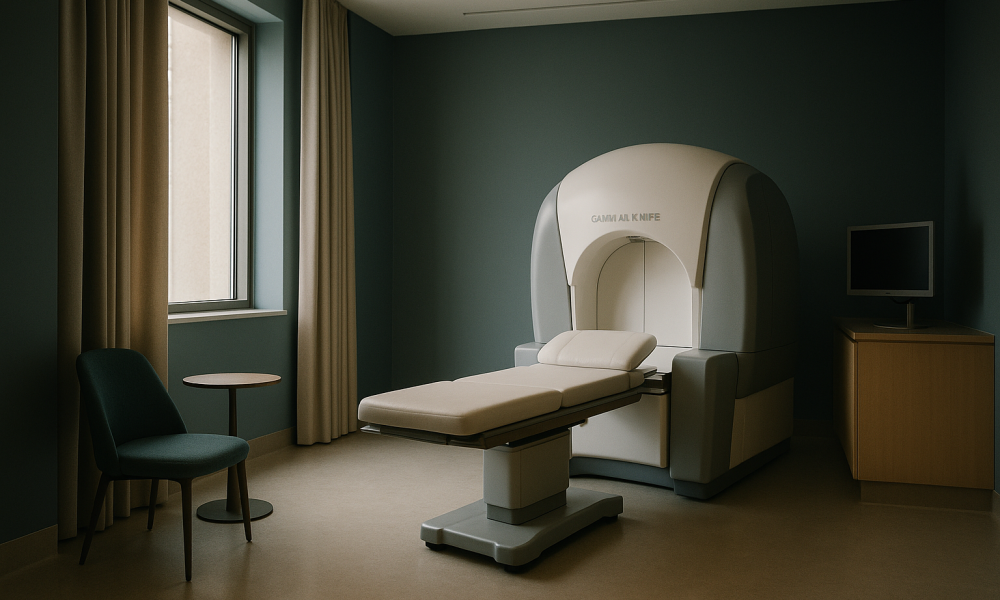
What Gamma Knife Treatment is and who it is for
Gamma Knife treatment is a sophisticated form of radiosurgery, primarily used to treat brain conditions such as tumours, vascular malformations, and functional disorders. Despite its name, the Gamma Knife is not a knife in the traditional sense. Instead, it employs focused beams of gamma radiation to target specific areas within the brain with extreme precision. This method allows for the treatment of conditions that are difficult to reach surgically, minimising damage to surrounding healthy tissue.
The procedure is renowned for its non-invasive nature, eliminating the need for incisions or general anaesthesia. This aspect significantly reduces the risk of complications often associated with traditional surgery, such as infections or haemorrhage. Typically, patients can return home the same day, making it an attractive option for those seeking effective yet convenient treatment solutions.
Gamma Knife is often recommended for patients with:
- Benign and malignant brain tumours, such as meningiomas and gliomas.
- Arteriovenous malformations (AVMs), which are abnormal tangles of blood vessels in the brain.
- Trigeminal neuralgia, a chronic pain condition affecting the trigeminal nerve.
- Acoustic neuromas, noncancerous tumours on the nerve leading from the inner ear to the brain.
In Turkey, the availability of advanced medical facilities equipped with the latest Gamma Knife technology provides international patients with access to high-quality care. The country is known for its well-regulated healthcare system, with many hospitals accredited by international bodies. This ensures that patients receive safe and effective treatment, comparable to standards in the UK, but often at a more affordable cost.
It is important to note that while Gamma Knife treatment is effective for many patients, it may not be suitable for all types of brain conditions. The decision to use this treatment is based on a thorough evaluation by a medical specialist who will consider the size, location, and type of the lesion, as well as the overall health of the patient.
Are you a good candidate?
Determining whether Gamma Knife treatment is suitable for you involves a comprehensive assessment of your medical condition. This process typically includes consultations with neurosurgeons and radiation oncologists who will evaluate your specific case. Here are some key factors to consider when assessing candidacy:
- Diagnosis: The treatment is primarily used for brain conditions such as certain types of tumours, AVMs, and functional brain disorders. A precise diagnosis is crucial.
- Lesion Size and Location: Gamma Knife is most effective for small to medium-sized lesions. Larger lesions may require alternative treatments or a combination of approaches.
- Medical History: Your overall health and medical history, including any previous surgeries or treatments, will be taken into account to determine suitability.
- Condition Progression: The current stage and progression of your condition will influence the decision. Early-stage conditions often have better outcomes with Gamma Knife.
- Patient Preferences: Your personal preferences and lifestyle considerations, such as the ability to travel and recovery time, are also important.
- Contraindications: Certain medical conditions, like severe claustrophobia or inability to remain still during the procedure, may affect candidacy.
Before proceeding, a detailed imaging study, such as an MRI or CT scan, is usually conducted to map the precise location of the lesion. This helps in planning the treatment to ensure maximum effectiveness and safety. Additionally, a multidisciplinary team approach is often adopted to tailor the treatment plan to the unique needs of each patient.
Ultimately, the decision to undergo Gamma Knife treatment should be made collaboratively between you and your healthcare provider, taking into account all medical and personal factors. This ensures that you receive the most appropriate and effective care for your condition.
The procedure, step by step
Gamma Knife radiosurgery is a precise form of therapeutic radiology designed to treat brain conditions with minimal harm to surrounding healthy tissue. The procedure is typically conducted in a single day and involves several well-coordinated steps executed by a team of specialists.
- Preparation and Planning: Prior to the procedure, a detailed planning session is conducted. This involves a consultation with a neurosurgeon and a radiation oncologist to discuss the patient’s medical history and treatment goals. Imaging studies such as MRI or CT scans are performed to map the brain and identify the target area with precision. This step is crucial to ensure the gamma rays are accurately focused on the treatment site.
- Head Frame Placement: On the day of the procedure, a lightweight stereotactic head frame is attached to the patient’s skull. This frame serves as a reference point to maintain the correct positioning throughout the treatment. Local anaesthesia is applied to the scalp to minimise discomfort during the frame attachment, which involves securing small pins to the skull.
- Imaging: With the head frame in place, further imaging is conducted. This may include additional MRI or CT scans to provide detailed insights into the brain’s structure and the precise location of the target area. These images are used to create a customised treatment plan that directs the gamma rays to the exact location needed.
- Treatment Planning: Using sophisticated software, the medical team develops a treatment plan. This involves calculating the optimal dose of radiation and determining the precise angles and positions for the gamma ray beams. This step ensures that only the targeted tissue receives radiation, sparing healthy surrounding areas.
- Gamma Knife Treatment: Once the treatment plan is finalised, the patient is positioned on the Gamma Knife machine. The head frame is securely attached to the machine to maintain alignment. During the procedure, the patient remains awake, as it is non-invasive and painless. The treatment itself can take anywhere from 15 minutes to several hours, depending on the complexity of the case. Patients can listen to music or communicate with the treatment team throughout.
- Post-Treatment Observation: After the procedure, the head frame is carefully removed. Patients are monitored for a brief period to ensure there are no immediate side effects. Most patients can resume normal activities within a day or two, though some may experience mild headache or nausea, which typically resolves quickly.
Recovery timeline
Recovering from Gamma Knife radiosurgery is generally swift, with many patients resuming daily activities shortly after the procedure. However, the timeline can vary depending on individual health conditions and the complexity of the treatment. The following table provides an overview of the typical recovery stages:
| Period | What to Expect | Care Notes |
|---|---|---|
| Day 1 | Immediate post-procedure, patients may experience mild headache or nausea. Some swelling or bruising around the frame site is possible. | Rest and hydration are recommended. Over-the-counter pain relief can be used if necessary. Avoid strenuous activities. |
| Week 1 | Most patients feel well enough to return to normal activities. Minor fatigue or scalp tenderness may persist. | Continue with regular routines but listen to your body. Avoid heavy lifting or intense exercise. Follow up with your doctor if symptoms persist. |
| Weeks 2-4 | Fatigue should diminish, and any minor side effects typically resolve. Patients often report a return to full energy levels. | Maintain a balanced diet and regular sleep schedule to support recovery. Attend any scheduled follow-up appointments or imaging studies. |
| 1-3 Months | Full recovery is expected, with no lasting side effects. Patients should attend follow-up assessments to evaluate treatment efficacy. | Continue with life as usual. Ensure regular check-ups to monitor the condition that was treated. Report any unusual symptoms to your healthcare provider. |
What it costs: Turkey vs the United Kingdom
When considering Gamma Knife treatment, cost is a significant factor for many patients. In Turkey, medical tourism has become increasingly popular due to its competitive pricing and high-quality care. It’s important to understand the indicative cost ranges and what these typically include when comparing treatment options between Turkey and the United Kingdom.
| Country | Indicative Price Range | Inclusions |
|---|---|---|
| Turkey | £4,000 – £7,000 |
|
| United Kingdom | £10,000 – £15,000 |
|
These figures are indicative and can vary based on the specific hospital, the complexity of the case, and any additional services required. In Turkey, the lower cost does not necessarily mean a compromise in quality. The country offers a wide range of accredited healthcare facilities equipped with state-of-the-art technology and staffed by experienced professionals. This affordability is partly due to lower operational costs and favourable exchange rates.
In addition to the procedure itself, treatment packages in Turkey often include comprehensive care elements such as airport transfers and accommodation, which can significantly ease the logistical burden on international patients. In contrast, similar services in the UK may incur additional costs, contributing to the overall higher price range.
It is essential for patients to conduct thorough research and consult with healthcare providers to receive a detailed breakdown of costs and inclusions specific to their situation. This will ensure they have a clear understanding of what to expect financially, allowing for better planning and peace of mind.
Risks and how accredited providers manage them
As with any medical procedure, Gamma Knife treatment carries certain risks. These can include swelling of the brain, nausea, headaches, and in rare cases, radiation-induced complications. However, the non-invasive nature of Gamma Knife treatment typically results in fewer risks compared to traditional surgery. Accredited providers in Turkey are well-equipped to manage these risks through several measures.
Firstly, thorough pre-treatment assessments are conducted to evaluate the patient’s suitability for Gamma Knife treatment. This involves detailed imaging studies such as MRI or CT scans to precisely map the target area, ensuring accurate delivery of radiation. The precision of the Gamma Knife allows for minimal exposure to surrounding healthy tissues, reducing the likelihood of side effects.
Accredited facilities adhere to international safety standards and protocols, which include rigorous equipment maintenance and regular safety audits. These measures ensure the technology remains in optimal condition, providing reliable and safe treatment.
Moreover, the medical teams involved in Gamma Knife procedures are highly trained specialists, often with international certifications. They work in multidisciplinary teams to provide comprehensive care, collaborating with neurosurgeons, radiologists, and oncologists to tailor treatment plans to each patient’s specific needs.
Post-treatment, patients are closely monitored to detect and manage any adverse effects promptly. Follow-up appointments are scheduled to assess the treatment’s effectiveness and address any complications that may arise. Accredited providers in Turkey often offer English-speaking staff and patient coordinators to ensure effective communication and support throughout the patient’s journey.
The commitment to patient safety is further exemplified by the accreditation of Turkish healthcare facilities by international bodies such as Joint Commission International (JCI). These accreditations reflect a dedication to maintaining high standards of care and patient safety.
While no medical procedure is without risk, choosing an accredited provider in Turkey can provide reassurance that the risks are carefully managed, and patient safety is a top priority. Patients are encouraged to discuss any concerns with their healthcare provider to fully understand the potential risks and management strategies in place.
How to choose the right provider
When considering Gamma Knife treatment in Turkey, selecting the right provider is crucial for ensuring a safe and effective experience. The following factors are essential in making an informed decision:
Accreditation: Accreditation is a key indicator of a clinic’s adherence to international healthcare standards. Look for facilities accredited by reputable organisations such as the Joint Commission International (JCI) or the Turkish Ministry of Health. These accreditations ensure that the clinic maintains high standards in terms of safety, quality of care, and patient services.
Surgeon Experience: The expertise of the medical team, particularly the neurosurgeon, is another critical factor. Research the surgeon’s qualifications, including their education, training, and years of experience in performing Gamma Knife procedures. Ideally, the neurosurgeon should have several years of experience and a significant number of successful treatments under their belt. You may also inquire about their involvement in ongoing education and training, which demonstrates a commitment to staying current with advancements in the field.
Aftercare Services: Comprehensive aftercare is vital for monitoring recovery and addressing any post-treatment concerns. Ensure that the clinic offers structured aftercare services, including follow-up consultations and easy access to medical staff for any queries or complications. Some facilities might provide remote follow-up options, which can be beneficial for international patients once they return home.
Red Flags: Be cautious of providers that make unrealistic promises or guarantee specific outcomes. Avoid clinics that do not provide clear information about their services, costs, or the qualifications of their staff. Transparency is essential, and a reputable clinic will be open about all aspects of the treatment process.
Additionally, consider seeking feedback from previous patients through reviews or testimonials. While individual experiences can vary, consistent patterns in feedback can provide valuable insights into the quality of care you can expect.
Planning your trip
Planning your trip to Turkey for Gamma Knife treatment involves several important steps to ensure a smooth and stress-free experience. Here’s a comprehensive guide:
Timeline Before Travel: Begin planning your trip at least two to three months in advance to allow ample time for research and preparation. This includes selecting a clinic, confirming the treatment plan, and securing appointments. Once your treatment is scheduled, you should receive a detailed itinerary from the clinic, outlining the steps involved in your care.
Documents: Ensure all necessary documents are in order, including a valid passport, visa (if required), and any medical records related to your condition. It’s advisable to keep both digital and hard copies of these documents. Additionally, have contact details for your clinic and accommodation readily available.
Length of Stay: The typical length of stay for Gamma Knife treatment ranges from 3 to 7 days. This allows time for initial consultations, the procedure itself, and any necessary post-treatment monitoring. Discuss the expected timeline with your chosen provider to plan your accommodations accordingly.
Follow-up at Home: After returning home, follow-up care is crucial to monitor your progress. Your Turkish provider should offer a follow-up plan, which may include remote consultations via video calls or collaboration with your local healthcare providers. Ensure you have a clear understanding of any symptoms or side effects to watch for and know when to seek medical advice.
Moreover, consider purchasing travel insurance that covers medical travel, which can provide peace of mind against unforeseen circumstances. A well-planned trip not only contributes to a successful treatment outcome but also ensures a comfortable and reassuring experience overall.
Frequently Asked Questions
What is the typical cost of Gamma Knife treatment in Turkey?
The cost of Gamma Knife treatment in Turkey typically ranges from £4,000 to £8,000. This range can vary based on the specific clinic, the complexity of the case, and any additional services required, such as extended aftercare or supplementary tests. It's important to request a detailed quote from your chosen provider to understand what is included in the price.
How does the safety of Gamma Knife treatment in Turkey compare to the UK?
Gamma Knife treatment in Turkey is generally considered safe, especially when performed at accredited facilities with experienced surgeons. Many Turkish clinics meet international standards and have accreditations from bodies like the Joint Commission International (JCI). However, it is crucial to research and choose a reputable provider to ensure safety and quality of care comparable to UK standards.
What factors should I consider when choosing a Gamma Knife provider in Turkey?
When choosing a provider, consider the clinic's accreditation, the experience of the medical team, the quality of aftercare services, and transparency about the treatment process. Accreditation by organisations such as the JCI indicates adherence to international standards. Additionally, verify the surgeon's experience and seek reviews or testimonials from previous patients to gauge the quality of care.
How long should I plan to stay in Turkey for the treatment?
Typically, you should plan to stay in Turkey for about 3 to 7 days for Gamma Knife treatment. This duration includes consultations, the procedure, and post-treatment monitoring. Discuss the specific timeline with your provider to ensure you allocate sufficient time for all necessary steps in your treatment plan.
What documents do I need to prepare before travelling for treatment?
Before travelling for treatment, ensure you have a valid passport, any required visa, and all relevant medical records pertaining to your condition. It's advisable to have both digital and physical copies of these documents. Additionally, keep contact information for your clinic and accommodation on hand for easy reference.
Is it necessary to have travel insurance for medical treatment in Turkey?
While not mandatory, having travel insurance that covers medical travel is highly recommended. It can provide coverage for unexpected events, such as medical complications or travel disruptions, offering peace of mind during your trip. Ensure the policy includes coverage for medical procedures and any potential emergencies.
Will I need follow-up care once I return to the UK?
Yes, follow-up care is essential after returning to the UK. Your provider in Turkey should offer a follow-up plan, which may include remote consultations or coordination with your local healthcare providers. Ensure you understand the plan and know the symptoms or side effects that require medical attention.
Can I contact the clinic after returning home if I have questions or concerns?
Most reputable clinics offer post-treatment support and should be available to address any questions or concerns you may have after returning home. Some may provide options for remote consultations via video calls or email, ensuring you can easily reach out for assistance when needed.
What is the average recovery time after Gamma Knife treatment?
Recovery time after Gamma Knife treatment varies depending on the individual and the condition treated. Most patients can resume normal activities within a few days, but some may experience temporary side effects, such as fatigue or headaches. Follow your provider's guidance and allow yourself time to rest and recover fully.
How do I verify the qualifications of the surgeon?
To verify a surgeon's qualifications, you can request information directly from the clinic, including the surgeon's education, training, and experience in Gamma Knife procedures. Additionally, check if the surgeon is affiliated with reputable medical organisations and whether they engage in ongoing education to stay updated with advancements in the field.
Are there any risks associated with Gamma Knife treatment?
While Gamma Knife treatment is minimally invasive and generally safe, it does carry some risks, including swelling, headaches, nausea, or neurological changes. Serious complications are rare, but it's important to discuss potential risks with your doctor and understand the signs of complications that require prompt medical attention.
What should I look for in patient reviews?
When reviewing patient testimonials, look for consistent themes regarding the quality of care, staff professionalism, and overall patient satisfaction. Positive feedback about the treatment process, communication, and aftercare services can indicate a reliable provider. However, consider the context of each review, as individual experiences may vary.