
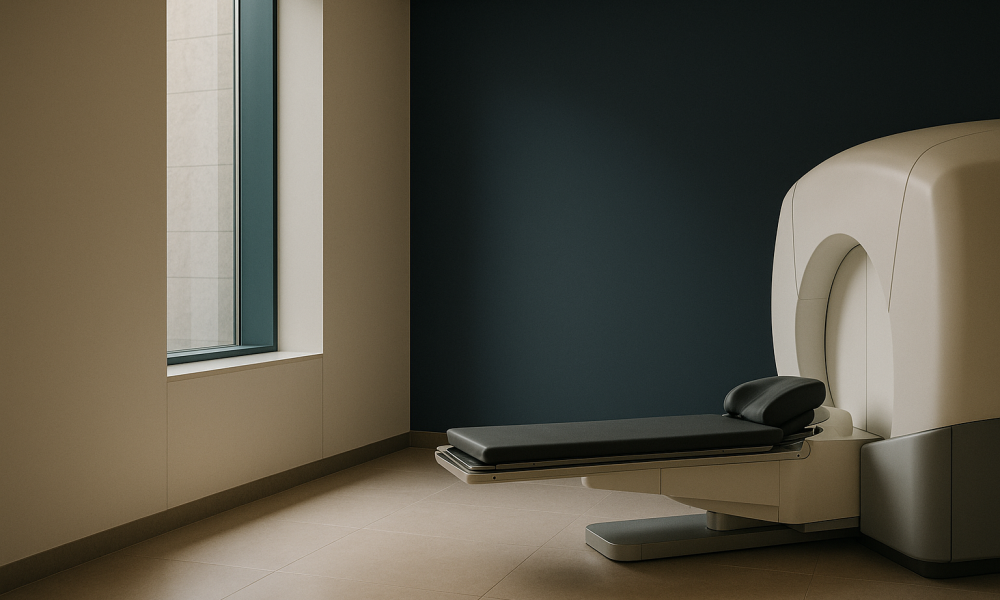
What Gamma Knife Treatment is and who it is for
Gamma Knife treatment is a form of stereotactic radiosurgery, a non-invasive medical procedure used to treat abnormalities within the brain. Despite its name, it involves no actual knife or incision. Instead, it uses highly focused beams of gamma radiation to target and treat affected areas with precision. This method is particularly effective for treating small to medium-sized brain lesions, including tumours, arteriovenous malformations, and certain neurological disorders such as trigeminal neuralgia.
The treatment is performed using a device that emits around 200 individual beams of radiation, each of which is relatively weak and harmless to the surrounding healthy tissue. However, when these beams converge at a specific point within the brain, they deliver a powerful dose of radiation to the target area. This precision is achieved through advanced imaging techniques such as MRI or CT scans, which enable the medical team to pinpoint the exact location of the lesion.
Gamma Knife treatment is especially beneficial for patients with conditions that are difficult to access through traditional surgery or for those who are not good candidates for conventional surgical procedures. It is also used as an adjunct to other treatments like chemotherapy or conventional surgery, either to shrink tumours before removal or to manage residual growths post-surgery.
One of the key advantages of Gamma Knife radiosurgery is that it is a one-time procedure that typically lasts between one to two hours. Patients can often return home the same day, as it is performed on an outpatient basis. This minimises the risk of infection and reduces recovery time compared to traditional surgery, where hospital stays and longer recovery periods are common.
This treatment is widely available in Turkey, known for its advanced medical infrastructure and skilled healthcare professionals. Patients from Europe often choose Turkey for its cost-effective treatment options, with Gamma Knife procedures typically ranging from €4,000 to €8,000, depending on the complexity and the specific healthcare facility.
Are you a good candidate?
Determining if you are a suitable candidate for Gamma Knife treatment involves a comprehensive evaluation by a medical professional. This evaluation considers several factors, including the type, size, and location of the brain lesion, as well as the overall health and medical history of the patient. Below is a checklist of criteria that potential candidates typically meet:
- Type of Condition: Ideal for patients with benign or malignant brain tumours, arteriovenous malformations (AVMs), or functional disorders like trigeminal neuralgia.
- Size of Lesion: Generally, the lesion should be less than 3-4 cm in diameter for optimal effectiveness.
- Location of Lesion: Suitable for lesions located deep within the brain or in areas difficult to access surgically.
- Previous Treatments: Patients who have undergone prior surgeries or radiation therapies may still be candidates, provided there is a clear target area for treatment.
- General Health: Patients should be in good general health to undergo the procedure, with no contraindications such as severe cardiovascular conditions.
- Age Considerations: While there is no strict age limit, the patient’s age and life expectancy may influence the decision-making process.
- Patient’s Preference: Some patients may prefer a non-invasive approach due to personal or medical reasons, making Gamma Knife an attractive option.
It is crucial to consult with a specialist who can assess these factors in detail. They will use imaging studies and clinical evaluations to determine the appropriateness of Gamma Knife treatment for your specific case. This thorough assessment ensures that the treatment plan is tailored to achieve the best possible outcomes while minimising risks.
The procedure, step by step
Gamma Knife treatment is a non-invasive form of stereotactic radiosurgery used to treat various brain conditions, including tumours, vascular malformations, and functional disorders. Here’s a detailed step-by-step guide to help you understand what to expect during the procedure.
- Initial Consultation and Pre-Procedure Assessment: Prior to the procedure, you will meet with a team of specialists including a neurosurgeon, radiation oncologist, and medical physicist. They will review your medical history, conduct necessary imaging tests such as MRI or CT scans, and discuss your treatment plan. This step ensures that Gamma Knife is the appropriate treatment for your condition.
- Head Frame Placement: On the day of the procedure, a lightweight stereotactic head frame is attached to your skull. This frame serves to keep your head perfectly still during the treatment and provides a reference point for targeting the beams. The frame is secured with four pins, and local anaesthesia is applied to minimise discomfort.
- Imaging: Once the head frame is in place, you will undergo further imaging, typically an MRI or CT scan, to obtain detailed images of your brain. These images are crucial for the precise mapping of the treatment area, ensuring that the radiation targets the exact location of the abnormality.
- Treatment Planning: After imaging, a team of specialists will develop a personalised treatment plan using advanced computer software. This plan determines the exact dosage and configuration of the radiation beams, ensuring maximum impact on the targeted area while sparing healthy tissue.
- Gamma Knife Treatment: You will lie on a treatment bed, and the head frame will be secured to the Gamma Knife machine. The procedure itself is painless and typically lasts between 30 minutes to 2 hours, depending on the complexity of the case. During the procedure, you will be awake and can communicate with the medical team via an intercom.
- Post-Treatment Observation: After the procedure, the head frame is removed, and you will be monitored for a short period to ensure there are no immediate side effects. Most patients are able to return home the same day, though someone should accompany you for safety.
Gamma Knife treatment is renowned for its precision and effectiveness, with a high success rate for specific conditions. However, as with any medical procedure, individual outcomes may vary, and it is important to discuss potential risks and benefits with your healthcare provider.
Recovery timeline
Recovery from Gamma Knife treatment is generally swift, with most patients experiencing minimal disruption to their daily activities. The following table provides an overview of the typical recovery timeline and what you can expect at each stage.
| Period | What to expect | Care notes |
|---|---|---|
| Day 1 | Post-procedure, you may experience mild headache or nausea. Fatigue is common as the body begins to recover. | Rest is advised, and over-the-counter pain relievers can be used for headache relief. Ensure you have someone to accompany you home. |
| Week 1 | Most patients notice a gradual improvement in symptoms. Minor swelling or tenderness at the pin sites may occur. | Avoid strenuous activities. Keep the pin sites clean and dry to prevent infection. Follow up with your doctor if you notice unusual symptoms. |
| Weeks 2-4 | Improvement continues, though some patients may still experience mild fatigue or headaches. | Resume normal activities as tolerated. Continue to monitor for any delayed side effects and attend scheduled follow-up appointments. |
| 1-3 months | A significant reduction in symptoms related to the treated condition is typically observed. Follow-up imaging may be scheduled to assess treatment efficacy. | Adhere to follow-up care instructions. Report any new or worsening symptoms to your healthcare provider promptly. |
| 3-6 months | Full recovery is often achieved, with most patients experiencing a stable condition and improved quality of life. | Continue regular check-ups to monitor long-term outcomes. Maintain communication with your healthcare team for ongoing support. |
It is important to remember that recovery experiences can vary based on individual health conditions and the complexity of the treatment. Always follow your healthcare provider’s advice for the best recovery outcome.
What it costs: Turkey vs Europe
When considering Gamma Knife treatment abroad, cost is a significant factor for many patients. Turkey has become a popular destination for medical tourism, offering competitive prices for high-quality healthcare services. It is important to note that the figures provided here are indicative and can vary based on the specific institution, location, and individual case details.
| Country | Indicative Price Range (EUR) | Typical Package Inclusions |
|---|---|---|
| Turkey | €5,000 – €8,000 |
|
| United Kingdom | €15,000 – €25,000 |
|
| Germany | €12,000 – €20,000 |
|
As seen in the table, Turkey offers a more affordable option compared to many European countries, with comprehensive packages that often include additional services such as accommodation and airport transfers, which can significantly ease the logistical burden for international patients. The lower cost in Turkey does not equate to a compromise in quality. Many Turkish healthcare providers are accredited by international bodies, ensuring that they meet global standards of care.
When planning for treatment, it is advisable to communicate directly with the healthcare provider to understand the full scope of what is included in the treatment package and to clarify any additional costs that may arise. Additionally, some facilities may offer flexible payment plans or assistance with insurance claims, which can further aid in managing expenses.
Risks and how accredited providers manage them
Gamma Knife radiosurgery is a non-invasive treatment option that uses focused radiation to treat conditions within the brain. Like any medical procedure, it carries certain risks, but these are generally lower compared to traditional surgical methods. Understanding these risks and how accredited providers in Turkey manage them can help patients make informed decisions.
The primary risks associated with Gamma Knife treatment include:
- Radiation Exposure: While Gamma Knife uses precise doses of radiation, there is a minimal risk of radiation affecting surrounding healthy tissue. Accredited centres mitigate this risk by using advanced imaging technologies and meticulous planning to ensure accuracy.
- Swelling and Inflammation: Post-procedure, some patients may experience temporary swelling or inflammation in the treated area. Providers typically manage this with medications such as corticosteroids and regular follow-up appointments to monitor progress.
- Neurological Effects: Rarely, patients might experience headaches, nausea, or neurological changes. Accredited centres have protocols in place to address these, including detailed pre-treatment assessments and post-treatment care plans.
Accredited providers in Turkey adhere to stringent international standards, often receiving certification from bodies such as the Joint Commission International (JCI) or the European Foundation for Quality Management (EFQM). These accreditations ensure that facilities maintain high levels of safety, quality, and patient care.
Moreover, these providers typically employ experienced, board-certified neurosurgeons and medical physicists who specialise in Gamma Knife procedures. Continuous training and professional development are standard practices, ensuring that all staff are up-to-date with the latest techniques and safety protocols.
Communication between the medical team and the patient is crucial to managing risks effectively. Accredited centres prioritise clear, open dialogue, providing patients with comprehensive information about potential risks and post-treatment expectations. This includes detailed consultations and the availability of support services to address any concerns that may arise during recovery.
In conclusion, while Gamma Knife treatment involves certain risks, accredited providers in Turkey are well-equipped to manage these effectively, offering patients a safe and reliable treatment option. Prospective patients are encouraged to discuss any specific concerns with their chosen healthcare provider to fully understand the risk management strategies in place.
How to choose the right provider
When considering Gamma Knife treatment in Turkey, selecting the right provider is crucial. Here are key factors to guide your decision:
- Accreditation: Ensure the clinic is accredited by recognised bodies such as the Joint Commission International (JCI) or ISO certifications, which indicate adherence to international healthcare standards. Accreditation provides an assurance of quality and safety.
- Surgeon Experience: Research the experience of the neurosurgeons. Ideally, the surgeon should have several years of experience specifically in Gamma Knife procedures and a robust track record of successful treatments. You may request the surgeon’s credentials and case studies or testimonials from former patients.
- Aftercare Services: Aftercare is a critical component of treatment. Verify that the provider offers comprehensive post-treatment support, including access to specialists for follow-up consultations and management of any side effects. This can include both in-person visits and remote consultations.
- Red Flags: Be cautious of providers making unrealistic promises or guarantees of outcomes. Transparency is key; reputable clinics will provide realistic expectations and openly discuss potential risks and benefits. Avoid clinics that pressure you into quick decisions or those that lack clear communication channels.
It is advisable to consult with multiple providers to compare their offerings and gain a better understanding of what each clinic can provide. Customer reviews and independent patient testimonials can also offer valuable insights into the experiences of others.
Planning your trip
Planning your trip for Gamma Knife treatment in Turkey involves several steps to ensure a smooth experience:
- Timeline Before Travel: Start planning at least 6-8 weeks before your intended treatment date. This allows ample time for consultations, visa application (if required), and travel arrangements.
- Documents: Ensure you have all necessary medical documents, such as recent MRI or CT scans, referral letters, and any previous medical records relevant to your condition. These should be translated into English if in another language. Additionally, have a valid passport, travel insurance details, and any visa documents ready.
- Length of Stay: Typically, patients stay in Turkey for 5-10 days. This duration covers pre-treatment consultations, the procedure itself, and initial recovery and follow-up appointments. Discuss with your provider to confirm the recommended length of stay based on your specific treatment plan.
- Follow-Up at Home: Post-treatment follow-up is crucial. Arrange for continued care with your local healthcare provider before travelling. This ensures a seamless transition from treatment abroad to ongoing care at home. Your Turkish provider should offer a detailed report of your treatment to share with your home physician.
Consider your accommodation and transportation needs, ensuring they are conveniently located near the treatment centre. Some clinics offer package deals that include these logistics, which can simplify planning. Budgeting for your trip is essential, with typical costs for Gamma Knife treatment in Turkey ranging from £4,000 to £8,000, depending on the complexity of the case and any additional services required.
Frequently Asked Questions
What is the typical cost of Gamma Knife treatment in Turkey?
The typical cost for Gamma Knife treatment in Turkey ranges from £4,000 to £8,000. This can vary based on factors such as the complexity of the case, the specific clinic, and any additional services or aftercare required. Always confirm with the provider what is included in the cost to avoid unexpected expenses.
How safe is Gamma Knife treatment?
Gamma Knife treatment is considered very safe, with a long history of use in treating various brain conditions. It is a non-invasive procedure, which reduces the risks associated with traditional surgery. However, like any medical procedure, it carries some risks, and it’s important to discuss these with your healthcare provider to understand the potential side effects and complications.
How long does the Gamma Knife procedure take?
The Gamma Knife procedure typically lasts between one to four hours, depending on the complexity of the condition being treated. Patients are usually able to go home the same day, but it’s important to follow the specific advice of your healthcare provider regarding post-procedure care.
Do I need to stay in the hospital after Gamma Knife treatment?
Most patients do not require an overnight stay in the hospital after Gamma Knife treatment. The procedure is usually done on an outpatient basis, allowing you to return to your accommodation the same day. However, follow-up appointments are important to monitor your recovery.
What should I bring with me for my treatment?
You should bring all relevant medical documents, such as MRI or CT scans, referral letters, and any previous medical records. Additionally, have your passport, travel insurance details, and any necessary visa documents. Comfortable clothing and any personal items you may need for your stay are also recommended.
How do I know if a clinic is reputable?
Look for clinics that are accredited by recognised international bodies like JCI or have ISO certifications. Research the experience and qualifications of the medical staff, and read independent patient reviews and testimonials. Transparency about procedures, costs, and potential outcomes is also a good indicator of a reputable clinic.
Will language be a barrier during my treatment in Turkey?
Many clinics in Turkey catering to international patients have English-speaking staff or offer translation services to ensure clear communication throughout your treatment. It’s advisable to confirm this with your chosen provider ahead of your visit.
What is the recovery time after Gamma Knife treatment?
Recovery time varies depending on the individual and the condition being treated, but most patients can resume normal activities within a few days. Some may experience mild side effects such as fatigue or headaches, which typically resolve shortly after the procedure. Follow-up care is important to monitor your progress.
Do I need a visa to travel to Turkey for treatment?
Visa requirements vary based on your nationality. EU citizens can usually enter Turkey for short stays without a visa or obtain an e-Visa online. It’s important to check the latest visa requirements well in advance of your travel.
How can I ensure a smooth follow-up care process at home?
Before travelling, arrange for follow-up care with your local healthcare provider. Ensure your Turkish clinic provides a detailed treatment report to share with your home physician. This helps in coordinating ongoing care and monitoring your recovery effectively.
Can I travel alone for my treatment?
While it is possible to travel alone, having a companion can be beneficial for support and assistance, especially immediately following the procedure. Discuss your specific needs and any mobility or care requirements with your provider before deciding.
What are the payment options for treatment in Turkey?
Most clinics accept major credit cards, bank transfers, and sometimes cash payments. It’s important to confirm the accepted payment methods with your clinic before your treatment. Some clinics may offer financing options or require a deposit prior to your arrival.