
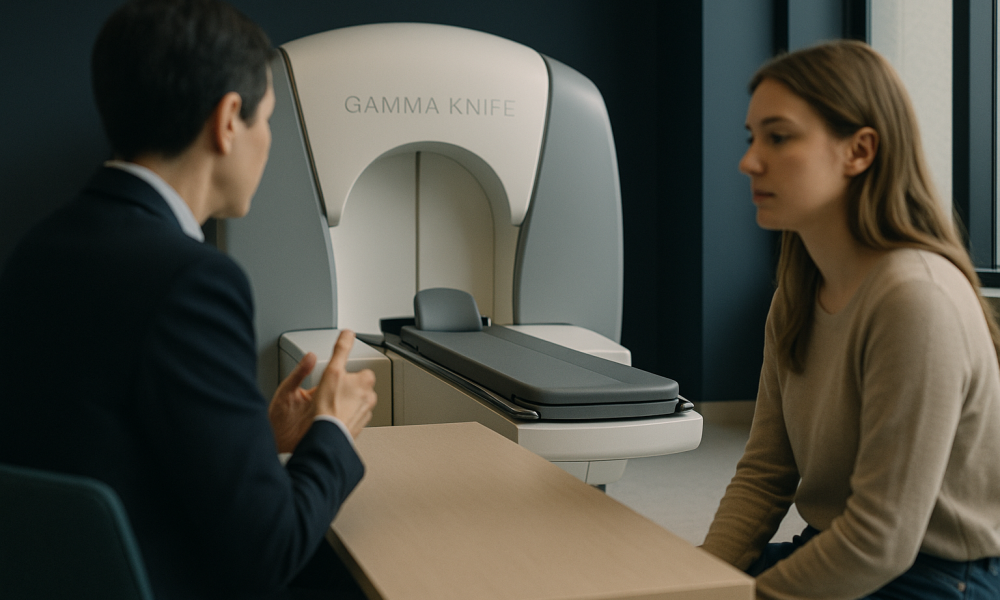
What Gamma Knife Treatment is and who it is for
Gamma Knife treatment, despite its name, is a non-invasive procedure that utilises focused radiation to treat abnormalities in the brain. It is a form of stereotactic radiosurgery, which means it delivers targeted radiation therapy to a specific area with high precision, minimising damage to surrounding healthy tissue. This technique is often used to treat brain tumours, arteriovenous malformations (AVMs), trigeminal neuralgia, and other neurological conditions. The treatment is called ‘Gamma Knife’ because it uses gamma rays to perform surgery without a scalpel.
The procedure does not involve any incisions, making it an attractive option for patients who are unable or unwilling to undergo traditional brain surgery. It is particularly beneficial for treating deep-seated brain lesions or those located in hard-to-reach areas. During the procedure, patients typically wear a specialised head frame to stabilise and precisely target the area requiring treatment. The entire process usually lasts from one to two hours, depending on the complexity and location of the condition being treated.
Gamma Knife treatment is suitable for patients with small to medium-sized brain tumours, both benign and malignant, as well as those with metastatic brain conditions. It is also effective for treating certain functional disorders such as trigeminal neuralgia, which causes severe facial pain. For patients with arteriovenous malformations, the treatment can help obliterate the abnormal blood vessels over time. Importantly, Gamma Knife is often considered when traditional surgery is too risky or not feasible due to the patient’s health status or the location of the lesion.
In Turkey, Gamma Knife treatment is offered in several advanced medical centres equipped with state-of-the-art technology. The country has become a popular destination for medical tourism due to its combination of high-quality care and cost-effectiveness. Patients from Australia and other countries are drawn to Turkey for its experienced medical professionals and the opportunity to receive advanced treatments at more affordable prices compared to Western nations. However, it is crucial for prospective patients to consult with their healthcare providers to determine if this treatment aligns with their specific medical needs and conditions.
Are you a good candidate?
Determining whether Gamma Knife treatment is suitable for you involves a thorough evaluation of your medical condition and overall health. This treatment is not universally applicable for all types of brain conditions, and certain criteria must be met to ensure the best possible outcome. Below is a checklist to help you assess your eligibility for Gamma Knife treatment:
- Diagnosis: You have been diagnosed with a condition treatable by Gamma Knife, such as a brain tumour, arteriovenous malformation (AVM), or trigeminal neuralgia.
- Size of Lesion: The lesion or abnormality is small to medium in size, typically less than 3-4 cm in diameter.
- Location: The lesion is located in an area where traditional surgery poses significant risks or is not feasible.
- Previous Treatments: You have undergone prior treatments, such as surgery or conventional radiation, that were unsuccessful or not possible.
- Overall Health: You are in sufficient general health to undergo a procedure that, while non-invasive, requires precision and patience.
- Consultation: You have consulted with a neurosurgeon or radiation oncologist who has recommended Gamma Knife as a suitable option.
- Expectations: You understand that while Gamma Knife is effective for many, results may take weeks to months to become evident, and follow-up care is essential.
It is essential to discuss your complete medical history and current health status with your healthcare provider to determine if Gamma Knife treatment is the best option for you. Factors such as your age, the presence of other medical conditions, and your personal treatment goals will influence the decision-making process. Your healthcare team in Turkey will also conduct detailed imaging studies, such as MRI or CT scans, to accurately map the area requiring treatment and ensure precise targeting during the procedure.
The procedure, step by step
Gamma Knife radiosurgery is a precise, non-invasive treatment option for various brain conditions, including tumours, vascular malformations, and functional disorders. The procedure is typically completed in a single session, lasting between a few hours and most of a day. Here is a detailed step-by-step overview of what you can expect during the procedure:
- Pre-procedure consultation: Prior to the Gamma Knife treatment, you will undergo a thorough consultation with a neurosurgeon and a radiation oncologist. They will discuss your medical history, the specifics of your condition, and the expected outcomes of the treatment. You will also have imaging tests, such as an MRI or CT scan, to map the precise location of the area to be treated.
- Head frame placement: On the day of the procedure, a lightweight stereotactic head frame will be fitted to your head. This frame is crucial for ensuring the utmost accuracy of the treatment. Local anaesthesia is applied to the scalp to minimise discomfort when the frame is secured.
- Imaging and planning: With the head frame in place, additional imaging is performed to provide detailed information about the target area. These images are used to create a customised treatment plan, ensuring that the gamma rays are directed precisely at the target while sparing surrounding healthy tissue.
- Gamma Knife treatment: You will be positioned on a treatment couch that slides into the Gamma Knife machine. The treatment itself is painless, and you will not feel the radiation. The session can last from 30 minutes to several hours, depending on the complexity and size of the target area. During this time, you can communicate with the medical team through an intercom system.
- Completion and recovery: Once the treatment is complete, the head frame is removed, and you will be monitored for a short period in a recovery room. Most patients can return home the same day, although it is advisable to have someone accompany you.
This step-by-step process ensures that the Gamma Knife procedure is conducted with precision and care, minimising risks and maximising the potential for a positive outcome.
Recovery timeline
Recovery from Gamma Knife radiosurgery is generally quick and involves minimal downtime compared to traditional surgery. However, the recovery experience can vary depending on individual factors such as the condition being treated and the patient’s overall health. Below is a typical recovery timeline:
| Period | What to expect | Care notes |
|---|---|---|
| Day 1 | Most patients experience little to no discomfort immediately after the procedure. Some may feel slight nausea or headache, which is usually temporary. | Rest is recommended. Over-the-counter pain relief can be taken as needed. Avoid driving and operate heavy machinery. |
| Week 1 | Patients may feel tired, and mild headaches can persist. Swelling around the treated area is possible. | Continue with light activities. Stay hydrated and follow any specific dietary recommendations from your healthcare provider. |
| Weeks 2-4 | Symptoms such as fatigue and mild headaches should gradually improve. Most patients return to normal activities. | Regular follow-ups with your doctor are important to monitor progress. Report any unusual symptoms promptly. |
| 1-3 months | Further improvement in symptoms. Some conditions may show noticeable positive changes. | Continue with routine check-ups. Maintain a healthy lifestyle to support recovery. |
| 3-6 months | Full recovery for many patients, with the maximum therapeutic effect becoming apparent. | Adherence to follow-up appointments is crucial to assess treatment effectiveness and adjust care as needed. |
This timeline provides a general guide, but your recovery may differ. Always consult your healthcare provider for personalised advice and follow their recommendations carefully.
5. What it costs: Turkey vs Australia
When considering Gamma Knife treatment, cost is a significant factor for many patients. While the financial implications should not overshadow the importance of receiving high-quality care, understanding the typical costs involved can help patients make informed decisions. This section provides a comparative look at the indicative costs of Gamma Knife treatment in Turkey versus Australia, alongside what is typically included in the treatment packages.
| Country | Indicative Price Range (GBP) | Inclusions |
|---|---|---|
| Turkey | £3,000 – £6,000 |
|
| Australia | £8,000 – £15,000 |
|
It is important to note that these figures are indicative and may vary based on the specific healthcare provider, the complexity of the case, and additional personalised care requirements. In Turkey, the lower price range is often attributed to the lower cost of living and operational expenses, which allows healthcare providers to offer competitive pricing without compromising on the quality of care.
Patients considering treatment in Turkey often benefit from comprehensive packages that include not only the medical procedure but also additional services that enhance the overall experience. These may include airport transfers, assistance with travel arrangements, and personal care coordinators who help navigate the treatment process. Such inclusions are typically less common in Australia, where the focus tends to be strictly on the medical aspects of care.
However, it’s crucial for prospective patients to conduct thorough research and seek detailed information from multiple healthcare providers to understand what exactly is included in the quoted prices and to ensure there are no hidden costs. Engaging with accredited medical tourism agencies can also provide clarity and assistance in comparing offers.
6. Risks and how accredited providers manage them
Gamma Knife treatment, while considered minimally invasive and highly precise, does carry certain risks, as is the case with any medical procedure. Prospective patients should be aware of these risks and understand how accredited providers in Turkey manage them to ensure patient safety and optimal outcomes.
Common risks associated with Gamma Knife treatment include headache, nausea, and temporary swelling at the treatment site. More serious, albeit rare, risks might include radiation-induced brain tissue damage or neurological complications. Accredited providers in Turkey follow stringent protocols to mitigate these risks. Pre-treatment assessments are thorough, involving detailed imaging and consultations to ensure the patient is a suitable candidate for the procedure.
During the procedure, the precision of the Gamma Knife technology is leveraged to target only the affected area, thereby minimising exposure to surrounding healthy tissue. This precision decreases the likelihood of adverse effects. Accredited facilities often employ a multidisciplinary team approach, involving neurosurgeons, radiation oncologists, and medical physicists who collaboratively plan and execute the treatment.
Post-treatment, patients are closely monitored to manage any immediate side effects. Follow-up appointments are typically scheduled to assess recovery and address any concerns that may arise. Accredited providers maintain robust communication channels, ensuring patients can easily reach out with questions or for support.
In Turkey, healthcare facilities offering Gamma Knife treatment are often internationally accredited, adhering to global standards of care and safety. Accreditation bodies such as Joint Commission International (JCI) ensure that the facilities maintain high levels of hygiene, use state-of-the-art equipment, and have protocols in place for emergency situations. These measures help to significantly reduce the risk of complications.
It is recommended that patients discuss all potential risks with their healthcare provider and ensure they have a clear understanding of the steps taken to manage these risks. This proactive approach allows patients to make informed decisions and feel reassured about the safety and efficacy of the treatment they will receive abroad.
How to choose the right provider
Choosing the right provider for Gamma Knife treatment in Turkey is a critical step in your medical journey. The first aspect to consider is accreditation. Look for clinics that hold international certifications such as Joint Commission International (JCI) accreditation. This ensures that the facility adheres to high standards of healthcare quality and patient safety.
Surgeon experience is another crucial factor. It’s important to inquire about the neurosurgeon’s experience with Gamma Knife procedures. A provider with a track record of performing a significant number of successful treatments is preferable. You might ask for the surgeon’s credentials, including their education, training, and any specialised certifications they may hold in radiosurgery.
Aftercare is an aspect that shouldn’t be overlooked. A comprehensive aftercare programme should be in place to monitor your recovery process. This includes regular follow-up appointments, access to a multidisciplinary team for comprehensive care, and clear guidance on managing any potential side effects. Make sure the clinic provides a detailed aftercare plan and has a dedicated team to address any concerns that may arise post-treatment.
Be vigilant about red flags that may indicate a less reputable provider. Clinics that make unrealistic promises or guarantee specific outcomes should be approached with caution. Transparency regarding treatment costs, potential risks, and realistic expectations is essential. Furthermore, check for testimonials or reviews from previous international patients to gauge their satisfaction with the services provided.
Ultimately, your choice should be guided by a combination of accreditation, surgeon expertise, quality of aftercare, and the transparency of the provider. Taking the time to thoroughly research and evaluate these factors will help ensure a safe and effective treatment experience in Turkey.
Planning your trip
Planning your trip to Turkey for Gamma Knife treatment involves several key steps, each requiring careful attention to ensure a smooth experience. Initially, you should establish a timeline for your travel. It’s advisable to start planning at least three months in advance to allow ample time for consultations, visa arrangements, and travel bookings.
Documentation is another important consideration. Ensure you have a valid passport and check the visa requirements for Australian citizens entering Turkey. Typically, a tourist visa suffices for medical treatment, but it’s crucial to verify this with the Turkish consulate. Additionally, gather all pertinent medical records, including imaging studies and previous treatment summaries, to facilitate comprehensive consultations with your chosen healthcare provider.
Consider the length of your stay in Turkey, which typically ranges from one to two weeks, depending on your treatment plan and recovery period. Gamma Knife treatment is minimally invasive, often allowing for a short hospital stay, sometimes just one or two days. However, you may need additional time to recover before travelling back home, and follow-up consultations might be scheduled during your stay.
Finally, plan for follow-up care once you return to Australia. Coordinate with your local healthcare provider to ensure continuity of care. This may involve scheduling follow-up appointments to monitor your recovery and address any complications. Ensure that your Turkish medical provider supplies you with a comprehensive treatment summary and recommendations for ongoing care.
By carefully planning each aspect of your trip, from documentation to post-treatment care, you can help ensure a successful medical journey to Turkey for Gamma Knife treatment.
Frequently Asked Questions
What is the typical cost range for Gamma Knife treatment in Turkey?
The typical cost range for Gamma Knife treatment in Turkey can vary depending on the clinic and the specific requirements of the patient. Generally, you can expect to pay between €4,000 and €8,000. This range is indicative and includes the treatment itself, initial consultations, and follow-up care. It's important to confirm the exact costs with your chosen provider, as they can offer a detailed breakdown based on your specific case.
How safe is Gamma Knife treatment?
Gamma Knife treatment is considered a very safe and effective procedure for treating certain brain conditions. It is a non-invasive form of radiosurgery, meaning it does not require a surgical incision, which reduces the risk of infection and other complications. The precision of the Gamma Knife allows for targeted treatment, minimising damage to surrounding healthy tissue. However, as with any medical procedure, there are potential risks, and it's important to discuss these with your healthcare provider to understand the benefits and potential side effects.
Will my health insurance cover Gamma Knife treatment in Turkey?
Coverage for Gamma Knife treatment abroad varies significantly depending on your health insurance policy. Some international health insurance plans may cover part or all of the treatment costs, especially if the procedure is deemed medically necessary. It's essential to consult with your insurance provider before making any arrangements to understand what is covered and whether you will need to pay out-of-pocket expenses.
What qualifications should I look for in a Gamma Knife surgeon?
When selecting a Gamma Knife surgeon, look for qualifications such as board certification in neurosurgery or radiation oncology. Experience in performing Gamma Knife procedures is crucial, so ask about the number of treatments they have conducted. Additional certifications in radiosurgery and membership in professional organisations can also indicate a higher level of expertise and commitment to ongoing education in the field.
How long do I need to stay in Turkey for the treatment?
The length of stay in Turkey for Gamma Knife treatment generally ranges from one to two weeks. The procedure itself is typically completed in a single day, with a short hospital stay of one or two days. However, you may need additional time for recovery and follow-up appointments before you are ready to travel back home. Discuss the expected timeline with your healthcare provider to plan accordingly.
What are the potential side effects of Gamma Knife treatment?
Gamma Knife treatment is generally well-tolerated, but some patients may experience side effects such as headaches, nausea, or fatigue. These are usually mild and resolve within a few days. In rare cases, swelling or changes in brain function can occur. It's important to have a thorough discussion with your doctor about potential side effects and how they can be managed effectively.
How soon can I return to normal activities after the treatment?
Most patients can return to normal activities within a few days following Gamma Knife treatment. The procedure is minimally invasive and does not require a lengthy recovery period. However, it's advisable to take it easy for a couple of days to allow your body to recover. Your doctor will provide specific recommendations based on your individual case and overall health.
Do I need a visa to travel to Turkey for medical treatment?
Yes, Australian citizens typically need a visa to enter Turkey for medical treatment. A tourist visa is usually sufficient for short-term medical stays, but it's important to check the latest entry requirements with the Turkish consulate or embassy before you travel. The visa application process can often be completed online, making it relatively straightforward to obtain the necessary documentation.
What should I pack for my trip to Turkey for treatment?
When packing for your trip to Turkey for Gamma Knife treatment, include essential items such as comfortable clothing, any prescribed medications, and copies of your medical records. Additionally, bring personal care items and electronic devices like a phone or tablet. It's also wise to pack a travel pillow and a good book or magazine for your hospital stay and downtime during recovery.
How do I arrange follow-up care after returning to Australia?
Arranging follow-up care after returning to Australia involves coordinating with your local healthcare provider. Before you leave Turkey, ensure you receive a comprehensive treatment summary and follow-up care instructions from your Turkish medical provider. Share these documents with your Australian doctor to facilitate seamless continuity of care. Schedule regular check-ups to monitor your recovery and address any ongoing concerns.
Can I combine my medical trip with sightseeing in Turkey?
While it is possible to combine your medical trip with sightseeing, it's important to prioritise your health and recovery. Depending on your treatment plan and recovery time, you may have the opportunity to explore some local attractions before or after your procedure. Always consult with your healthcare provider to ensure any travel plans align with your medical needs and recovery process.
What is the best time of year to travel to Turkey for treatment?
The best time to travel to Turkey for Gamma Knife treatment largely depends on personal preferences and treatment scheduling. However, many patients prefer spring (April to June) or autumn (September to November) when the weather is mild and pleasant. These seasons also tend to have fewer tourists, making it easier to manage travel logistics and enjoy any leisure activities around your medical appointments.