
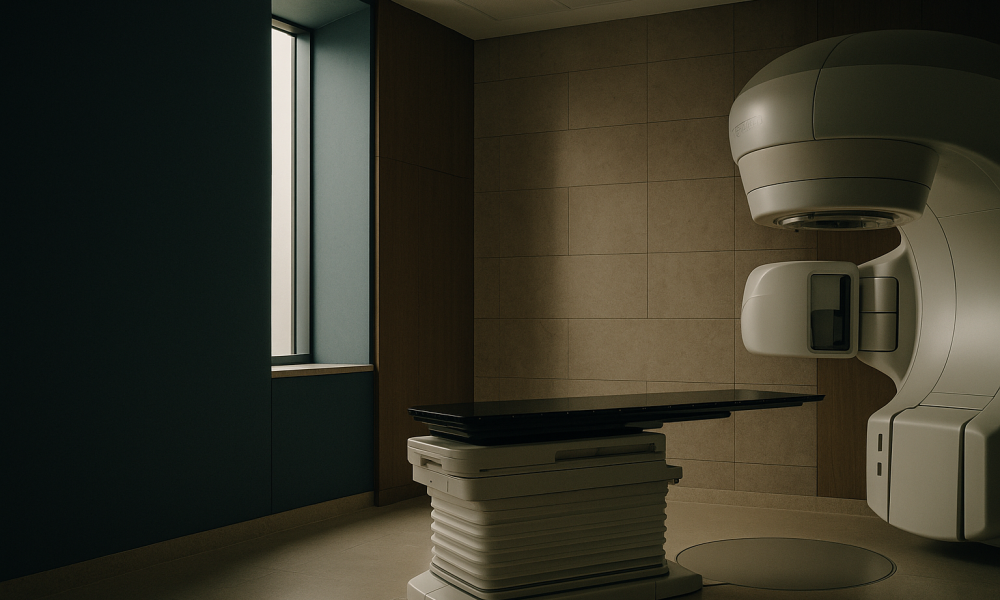
What TrueBeam Radiotherapy Abroad is and who it is for
TrueBeam Radiotherapy is an advanced form of radiotherapy technology designed to treat cancer with high precision and speed. Developed by Varian Medical Systems, TrueBeam is capable of treating a wide range of cancers, including but not limited to breast, lung, prostate, and head and neck cancers. Its advanced imaging capabilities allow for precise targeting of tumours, minimising damage to surrounding healthy tissues. This precision enhances the potential effectiveness of the treatment while reducing side effects, making it a compelling option for many patients.
TrueBeam systems are equipped with sophisticated imaging tools that provide real-time imaging, allowing clinicians to tailor treatments to the specific anatomy of each patient. This is particularly beneficial for tumours located close to critical organs or those that move with respiration, such as lung tumours. The system’s flexibility allows for multiple types of radiotherapy, including Intensity-Modulated Radiation Therapy (IMRT), Image-Guided Radiation Therapy (IGRT), and Volumetric Modulated Arc Therapy (VMAT), among others.
Patients from the United States considering treatment abroad may find Turkey an attractive destination due to its combination of state-of-the-art medical facilities and cost-effectiveness. The healthcare system in Turkey is well-regarded, with many hospitals holding international accreditations such as JCI (Joint Commission International). This ensures that patients receive care that meets global standards. Additionally, the cost of TrueBeam Radiotherapy in Turkey is typically lower than in the United States, making it a viable option for those seeking high-quality treatment at a reduced cost.
The treatment process with TrueBeam is generally quick, often completed in sessions lasting between 15 to 60 minutes, and it does not require hospitalisation. As an outpatient procedure, it allows patients to maintain a degree of normalcy in their daily lives, with many patients returning to work within a day or two post-treatment. However, the full recovery and visible results can vary significantly depending on the type and stage of cancer being treated.
Are you a good candidate?
Determining candidacy for TrueBeam Radiotherapy involves a comprehensive evaluation by a multidisciplinary team of specialists. Patients who may benefit from this advanced technology are those with specific types of cancer that are suitable for precision radiotherapy. However, suitability is not limited to the type of cancer alone; it also depends on the stage of the cancer, the patient’s overall health, and previous treatments they may have undergone.
TrueBeam Radiotherapy is particularly beneficial for patients who:
- Have tumours in locations that require high precision to avoid damage to critical organs.
- Need treatment for cancers that are difficult to access or treat with traditional surgery.
- Have previously undergone radiation therapy and require re-treatment in the same area.
- Are seeking a non-surgical option due to medical contraindications for surgery.
- Wish to minimise the side effects associated with traditional radiotherapy.
- Require a treatment option that offers shorter recovery times and allows for a quicker return to daily activities.
It is crucial for prospective patients to consult with their healthcare provider to discuss their specific medical condition and to determine whether TrueBeam Radiotherapy is the most appropriate treatment option. The decision should be based on a thorough understanding of the potential benefits and limitations of the treatment, as well as an assessment of the patient’s personal health goals and preferences.
In addition, logistical considerations such as travel arrangements, accommodation, and the duration of stay in Turkey should be factored into the decision-making process. Patients should also consider the availability of follow-up care once they return home, as ongoing monitoring and communication with healthcare providers are essential components of successful cancer treatment.
The procedure, step by step
TrueBeam radiotherapy is a sophisticated and precise form of radiation therapy used to treat various types of cancer. The procedure involves multiple steps, each designed to ensure the highest level of accuracy and patient safety. Here’s a detailed step-by-step guide to what you can expect when undergoing TrueBeam radiotherapy in Turkey:
- Initial Consultation and Planning: The process begins with an initial consultation where your oncologist will discuss your treatment plan. During this session, they will review your medical history, perform a physical examination, and discuss potential risks and benefits of the procedure. Following this, a planning CT scan is conducted to map out the exact location, shape, and size of the tumour. This scan is crucial for developing a precise treatment plan tailored to your specific needs.
- Simulation Session: After the initial planning, you will attend a simulation session. During this session, you will be positioned on a treatment table, and immobilization devices may be used to keep you steady. This step is vital to ensure that you remain in the same position during each treatment session. Marks or tattoos may be placed on your skin to guide the precise positioning of the TrueBeam machine.
- Treatment Planning: Using the data from the CT scan and simulation session, a team of specialists, including radiation oncologists and medical physicists, will develop a customized treatment plan. This plan will dictate the dosage and angles of the radiation beams to maximize targeting of the cancer cells while sparing healthy tissue.
- Treatment Sessions: TrueBeam treatments are typically delivered in a series of sessions over several weeks. Each session lasts about 10 to 30 minutes. You will lie on a treatment table, and the machine will rotate around you, delivering radiation from various angles. The machine’s advanced imaging capabilities allow for real-time monitoring and adjustments to ensure the radiation is precisely delivered.
- Final Review and Follow-Up: After completing the treatment sessions, a follow-up appointment is scheduled. During this meeting, your oncologist will evaluate your response to the treatment and discuss any further necessary steps. Regular follow-up visits are crucial to monitor your health and address any side effects.
This step-by-step process is designed to provide effective treatment while minimizing side effects and ensuring patient comfort and safety throughout the procedure.
Recovery timeline
Recovery from TrueBeam radiotherapy varies depending on the individual, the type of cancer treated, and the treatment area. Below is a detailed timeline to help you understand what to expect during the recovery process:
| Period | What to Expect | Care Notes |
|---|---|---|
| Day 1-3 | Most patients experience mild fatigue and localized skin irritation similar to a sunburn. Nausea and other mild side effects may occur, depending on the treatment area. | Rest as needed and maintain hydration. Use gentle skin care products and avoid sun exposure. Follow any dietary recommendations provided by your healthcare team. |
| Week 1-2 | Fatigue may increase, and skin changes might become more noticeable. Some patients report mild to moderate discomfort in the treated area. | Continue with gentle skin care and regular hydration. Light physical activity can help manage fatigue. Report any severe side effects to your doctor immediately. |
| Week 3-4 | Side effects generally peak during this period. Fatigue remains a common issue, and skin reactions may include peeling or blistering. | Continue skin care regimen and wear loose, breathable clothing. Adequate rest is crucial, but try to stay active as tolerated. Follow up with your healthcare provider as scheduled. |
| Week 5-6 | Side effects gradually start to subside. Energy levels may begin to improve, although some patients continue to experience fatigue. | Focus on nutrition and hydration to aid recovery. Gradually increase activity levels as tolerated. Attend all follow-up appointments for monitoring. |
| Full Recovery (6-12 weeks) | Most patients feel significantly better, with a notable reduction in fatigue and skin reactions. Some long-term side effects may persist, depending on the treatment area. | Continue to follow your healthcare provider’s advice on lifestyle and follow-up care. Report any persistent or new symptoms promptly. |
Understanding this recovery timeline can help you prepare for the weeks following treatment, ensuring you receive the best possible care and support.
5. What it costs: Turkey vs the United States
When considering TrueBeam radiotherapy abroad, cost is a significant factor for many patients, especially when comparing treatment options in Turkey with those in the United States. It’s important to understand that the figures provided here are indicative and can vary based on several factors, including the specific medical facility, the complexity of the case, and any additional services required.
In the United States, the cost of a full course of TrueBeam radiotherapy can typically range from $30,000 to $60,000. This range reflects the high costs associated with advanced medical technologies, healthcare personnel, and administrative expenses in American healthcare facilities. Often, this price includes the radiotherapy sessions themselves, consultations, and basic follow-up care. However, additional costs may arise from diagnostic tests, specialist consultations, and any unexpected complications requiring further treatment.
In contrast, the cost of TrueBeam radiotherapy in Turkey is generally lower, with prices typically ranging from $10,000 to $20,000. These figures represent a comprehensive package that often includes not only the radiotherapy sessions but also pre-treatment consultations, imaging tests such as MRI or CT scans, and post-treatment follow-up care. Many Turkish clinics also offer packages that include accommodation, airport transfers, and sometimes even assistance with travel arrangements, making it a more affordable and convenient option for international patients.
| Country | Indicative Price Range | Typical Inclusions |
|---|---|---|
| United States | $30,000 – $60,000 | Radiotherapy sessions, consultations, basic follow-up |
| Turkey | $10,000 – $20,000 | Radiotherapy sessions, consultations, imaging tests, follow-up care, accommodation, transfers |
Prospective patients should consider these indicative costs in light of their personal financial situation, insurance coverage, and the potential benefits of receiving treatment in Turkey. Additionally, patients are encouraged to discuss all cost-related aspects with their chosen healthcare provider in Turkey to ensure transparency and to understand precisely what is included in their treatment package.
6. Risks and how accredited providers manage them
While TrueBeam radiotherapy is a cutting-edge treatment option known for its precision and effectiveness, like all medical treatments, it carries certain risks. Understanding these risks and how accredited providers in Turkey manage them is crucial for prospective patients considering this treatment abroad.
Common risks associated with radiotherapy include skin irritation, fatigue, and potential damage to surrounding healthy tissues. More serious complications can occur, such as the development of secondary cancers, although this is rare. The likelihood and severity of side effects depend on various factors, including the treatment area, dose, and the patient’s overall health.
Accredited providers in Turkey adhere to stringent international standards to minimize these risks. They employ highly trained oncologists and radiologists who are skilled in using advanced technologies like the TrueBeam system. This system itself is designed to deliver radiation with sub-millimetre precision, significantly reducing the risk of damage to healthy tissues.
Moreover, Turkish healthcare facilities that offer radiotherapy are often accredited by international bodies such as the Joint Commission International (JCI), ensuring that they meet high standards of safety and quality. These facilities have comprehensive risk management protocols in place, including thorough pre-treatment assessments to tailor the therapy to each patient’s unique needs and continuous monitoring throughout the treatment process.
- Pre-treatment Evaluation: Patients undergo detailed consultations and imaging tests to determine the exact size, location, and type of tumour, allowing for highly targeted treatment plans.
- Precision Technology: The use of TrueBeam technology enables accurate targeting of the tumour, minimizing exposure to surrounding healthy tissues.
- Continuous Monitoring: Patients are closely monitored during and after each session to quickly identify and address any side effects or complications.
- Post-treatment Care: Accredited providers offer comprehensive follow-up care, which includes regular check-ups and management of any late-onset side effects.
For patients choosing to receive TrueBeam radiotherapy in Turkey, the emphasis on safety and quality is reassuring. By selecting an accredited provider, patients can be confident that they are receiving care that meets international standards, with a strong focus on minimizing risks and managing any complications effectively.
How to choose the right provider
Choosing the right provider for TrueBeam Radiotherapy abroad is a critical step in your treatment journey. Begin by ensuring the facility is accredited by international healthcare accreditation bodies such as the Joint Commission International (JCI) or the International Organization for Standardization (ISO). These accreditations indicate that the facility adheres to stringent international standards of quality and safety.
When evaluating potential providers, consider the experience and expertise of the medical team. Look for surgeons and radiologists who are board-certified and have substantial experience with TrueBeam technology. It is advisable to inquire about the number of procedures they have performed and their outcomes. A provider who transparently shares data about treatment success rates and patient satisfaction is often a good sign of reliability.
Aftercare is another crucial aspect to consider. A comprehensive aftercare plan should include follow-up consultations, rehabilitation support if needed, and clear instructions for managing side effects. Some facilities offer telemedicine services for post-treatment follow-ups, which can be particularly beneficial for international patients.
Be vigilant for red flags that may indicate a less reputable provider. These include a lack of transparency about treatment costs, vague information about potential risks and complications, or pressure to commit to treatment quickly. Additionally, verify the facility’s infection control measures, especially in light of global health concerns.
Consider seeking recommendations from former patients and reading reviews from independent sources. Peer-reviewed journals or patient forums can offer insights into the quality of care and patient experiences. Finally, ensure that language will not be a barrier; many top facilities offer translation services to facilitate communication.
Planning your trip
Planning your trip for TrueBeam Radiotherapy in Turkey involves several steps to ensure a smooth experience. Start by consulting with your healthcare provider in the U.S. to obtain medical clearance for travel. It is advisable to initiate this process at least 6-8 weeks before your intended travel date to accommodate any necessary medical tests or adjustments in your treatment plan.
Gather all required documents, including your medical records, imaging scans, and a referral letter from your physician. Ensure you have a valid passport and check if a visa is required for your stay in Turkey. It’s wise to have digital and hard copies of important documents.
Consider the length of stay required for treatment and recovery. Typically, patients undergoing TrueBeam Radiotherapy may need to stay in Turkey for 2 to 4 weeks, depending on the number of sessions prescribed and the recovery period. This duration allows for pre-treatment consultations, the actual treatment, and initial recovery.
Arrange accommodations that are conveniently located near your treatment facility. Many patients opt for hotels or serviced apartments that offer amenities such as kitchenettes and laundry services. Check if the accommodation provides shuttle services to and from the hospital.
Plan for follow-up care once you return home. This may involve coordinating with your primary care physician or oncologist in the U.S. to continue monitoring your progress. Some Turkish providers offer remote follow-up consultations, which can be a valuable resource for ongoing care.
Finally, consider travel insurance that covers medical treatment abroad, including any unforeseen complications. This can provide financial protection and peace of mind during your journey.
Frequently Asked Questions
What is the typical cost range for TrueBeam Radiotherapy in Turkey?
The cost for TrueBeam Radiotherapy in Turkey typically ranges from £7,000 to £15,000. This range includes pre-treatment consultations, the radiotherapy sessions, and immediate aftercare. However, these figures are indicative and can vary depending on the facility and specific patient needs.
How do I know if a facility is accredited?
You can verify a facility's accreditation by checking for certifications from reputable bodies such as the Joint Commission International (JCI) or the International Organization for Standardization (ISO). These accreditations are often displayed on the facility's website or can be confirmed by contacting the accrediting bodies directly.
What should I expect during the initial consultation?
During the initial consultation, you will meet with a specialist who will review your medical history, discuss your treatment options, and outline the potential risks and benefits of TrueBeam Radiotherapy. This is also an opportunity to ask any questions you have about the procedure and the facility.
How long is the typical recovery period after TrueBeam Radiotherapy?
Recovery from TrueBeam Radiotherapy varies depending on the individual and the specific treatment plan. Generally, patients may experience side effects such as fatigue or skin irritation for a few weeks post-treatment. Full recovery and the alleviation of side effects can take several weeks to months.
Are there any language barriers I should be concerned about?
Most top healthcare facilities in Turkey offer translation services to assist international patients. It is advisable to confirm the availability of these services before your trip to ensure effective communication throughout your treatment process.
What follow-up care is necessary after returning home?
Follow-up care typically involves regular consultations with your primary care physician or oncologist to monitor your recovery and manage any lasting side effects. Some facilities offer telemedicine services for remote follow-ups, which can be beneficial for maintaining continuity of care.
How can I ensure my safety during treatment abroad?
Ensuring your safety involves selecting an accredited facility with a proven track record, verifying the credentials of the medical team, and understanding the facility's infection control measures. Additionally, having travel insurance that covers medical complications can provide additional security.
What documents are needed for treatment abroad?
You will need your medical records, imaging scans, a referral letter from your physician, and a valid passport. Depending on your nationality, a visa may also be required. It’s important to have both digital and hard copies of these documents.
Is travel insurance necessary for medical treatment abroad?
While not mandatory, travel insurance that covers medical treatment abroad is highly recommended. It can cover unexpected costs related to medical complications or travel disruptions, providing peace of mind during your treatment journey.
How soon can I travel after completing TrueBeam Radiotherapy?
Travel plans should be discussed with your medical team, as they can vary based on individual recovery. Generally, it is advisable to wait until you have recovered sufficiently from any immediate side effects and have received clearance from your healthcare provider.
What is included in the cost of treatment?
The cost of treatment typically includes pre-treatment consultations, the radiotherapy sessions, and immediate aftercare. However, expenses such as travel, accommodation, and extended aftercare may not be included and should be budgeted separately.
What are the potential side effects of TrueBeam Radiotherapy?
Common side effects of TrueBeam Radiotherapy include fatigue, skin irritation, and localized pain. These effects are generally temporary, but it is important to discuss potential side effects with your healthcare provider to understand how they may impact your daily life.