
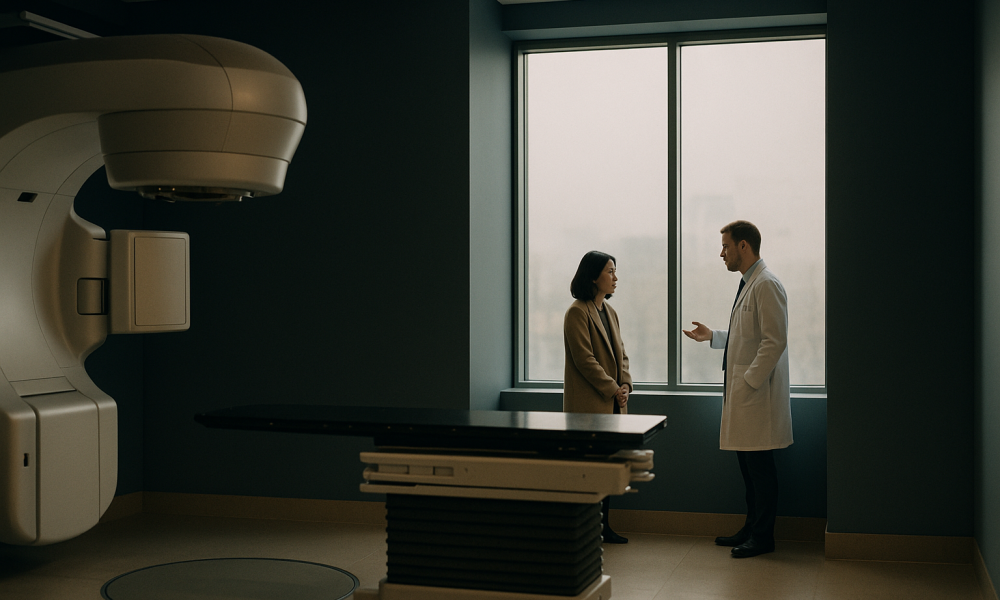
What TrueBeam Radiotherapy Abroad is and who it is for
TrueBeam Radiotherapy is an advanced form of radiotherapy that uses cutting-edge technology to deliver precise radiation doses to cancerous tissues while minimising exposure to surrounding healthy tissues. Developed by Varian Medical Systems, the TrueBeam system is designed to treat a wide range of cancers, including but not limited to breast, lung, prostate, and head and neck cancers. This technology is particularly valued for its ability to deliver high doses of radiation with pinpoint accuracy, making it suitable for complex cases that require precision.
In Turkey, TrueBeam Radiotherapy is offered in state-of-the-art facilities equipped with the latest medical technology. Turkey has become a popular destination for medical tourists due to its combination of highly qualified medical professionals, competitive pricing, and advanced healthcare infrastructure. Patients from Australia considering this treatment in Turkey can expect to find internationally accredited hospitals and clinics, often staffed by professionals who have trained or worked in Western countries.
The TrueBeam system incorporates several advanced technologies, including image-guided radiotherapy (IGRT) and intensity-modulated radiotherapy (IMRT), which allow for real-time imaging and dynamic adjustment of radiation beams. This leads to enhanced treatment accuracy and reduced side effects, which is particularly important for tumours located near sensitive organs. The system can also deliver stereotactic body radiotherapy (SBRT), a method that delivers very high doses of radiation in fewer sessions compared to conventional radiotherapy.
Patients who might benefit from TrueBeam Radiotherapy include those with tumours that are difficult to reach or located near critical structures. The treatment is designed to be flexible and can be tailored to each patient’s specific medical needs. Additionally, the non-invasive nature of the procedure means that it is generally well-tolerated, with minimal recovery time required. This makes it an attractive option for patients seeking effective cancer treatment with a quick return to normal activities.
Are you a good candidate?
Determining whether you are a good candidate for TrueBeam Radiotherapy involves several considerations. The first step is a thorough evaluation by a qualified oncology team who will review your medical history, current health status, and specific characteristics of your cancer. Here are some key criteria that might indicate you are a suitable candidate:
- Type and Stage of Cancer: TrueBeam Radiotherapy is suitable for a variety of cancers, particularly those in early stages or those requiring precise targeting.
- Location of Tumour: Ideal for tumours located near sensitive structures where precision is essential.
- Overall Health: Candidates should be in good overall health, as the procedure requires the ability to lie still for the duration of the treatment.
- Previous Treatments: Patients who have not responded well to other treatments or require adjunctive therapy may benefit from TrueBeam.
- Medical History: A comprehensive review of your medical history will be necessary to identify any potential risks or contraindications.
- Personal Preferences: Consideration of your personal circumstances, including travel willingness and recovery expectations, is important.
Before proceeding, patients should discuss the potential benefits and risks with their oncology team, who can provide personalised advice based on their unique situation. In addition, consulting with a healthcare provider in Turkey can offer insights into the specific protocols and expertise available at the chosen facility. This collaborative approach ensures that patients receive the best possible care tailored to their needs.
The procedure, step by step
TrueBeam radiotherapy is a cutting-edge technology employed to treat various types of cancer with precision and efficiency. When considering treatment abroad in Turkey, patients can expect a well-structured and systematic approach to their care. Here is a detailed step-by-step overview of the procedure:
- Initial Consultation: Upon arrival, patients will have an initial consultation with an oncologist to discuss their medical history and assess the suitability of TrueBeam radiotherapy. This session typically involves reviewing previous medical records and conducting necessary physical examinations and diagnostic tests.
- Simulation and Planning: Before the actual treatment begins, a simulation session is conducted. This involves a CT scan to map the tumour and surrounding organs. The data collected is used to create a precise treatment plan tailored to the patient’s specific needs. This planning ensures that the radiation is delivered accurately, minimising exposure to healthy tissue.
- Custom Immobilisation: To ensure that the patient remains in the exact position during each treatment session, a custom immobilisation device, such as a mould or mask, may be created. This step is crucial for maintaining consistency and accuracy throughout the treatment course.
- Treatment Sessions: The TrueBeam radiotherapy sessions commence, typically scheduled five days a week over several weeks, depending on the individual treatment plan. Each session lasts approximately 10 to 30 minutes. The patient will lie on a treatment couch while the machine rotates around them, delivering precise doses of radiation from multiple angles.
- Monitoring and Adjustments: Throughout the treatment period, the medical team continuously monitors the patient’s response to therapy. Adjustments to the treatment plan may be made if necessary to optimise effectiveness and minimise side effects.
- Final Evaluation: After completing the prescribed number of sessions, a final evaluation is conducted. This includes imaging tests to assess the treatment’s impact on the tumour and any necessary follow-up consultations to plan further care or additional treatments if required.
This comprehensive approach ensures that each patient receives personalised care, utilising the full capabilities of the TrueBeam system to achieve optimal outcomes.
Recovery timeline
The recovery timeline following TrueBeam radiotherapy can vary depending on the individual patient, the type and location of the cancer treated, and the overall health of the patient. However, a general timeline can be outlined as follows:
| Period | What to expect | Care notes |
|---|---|---|
| Day 1-3 | Patients may experience mild fatigue and skin irritation at the treatment site. Some may notice slight redness or itchiness. | Rest is essential. Keep the treated area clean and moisturised with recommended creams. Avoid tight clothing over the treatment area. |
| Week 1-2 | Fatigue may persist or increase. Skin reactions could become more pronounced, with possible dryness or peeling. | Continue to prioritise rest. Hydration and a balanced diet can help manage fatigue. Follow skincare advice from your healthcare provider. |
| Week 3-4 | Fatigue typically begins to subside. Skin reactions may start to heal. Some patients might experience changes in appetite or mild nausea. | Gradually resume normal activities as energy levels improve. Maintain a nutritious diet to support recovery. |
| Month 1-2 | Most patients report significant improvements in energy levels. Skin should largely return to normal, though some may have lingering sensitivity. | Continue with any recommended follow-up appointments. Engage in light exercise to rebuild strength, but avoid overexertion. |
| Month 3 and beyond | Full recovery is typically achieved. Patients often return to their pre-treatment routines and experience minimal side effects. | Ongoing follow-up care is crucial. Regular check-ups with your oncologist will monitor long-term health and detect any recurrence early. |
It’s important for patients to communicate openly with their healthcare team about any side effects they experience, as timely interventions can significantly enhance comfort and recovery.
What it costs: Turkey vs Australia
When considering TrueBeam radiotherapy for cancer treatment, cost is a significant factor for many patients. Opting for treatment in Turkey can offer financial advantages compared to Australia, but it is important to understand the scope and inclusions of the pricing. Below, we present a comparison of indicative cost ranges for TrueBeam radiotherapy in Turkey and Australia, along with typical package inclusions.
| Country | Indicative Cost Range (AUD) | Typical Inclusions |
|---|---|---|
| Turkey | $8,000 – $12,000 |
|
| Australia | $15,000 – $25,000 |
|
It is important to note that the figures provided are indicative and actual costs can vary based on individual patient needs, specific clinics, and any additional services required. In Turkey, many medical facilities offer comprehensive packages that include logistical support, which can ease the process for international patients. This often encompasses assistance with accommodation, airport transfers, and even translation services, which can significantly enhance the overall treatment experience.
When comparing costs, it is critical to consider the inclusions of each package. While the upfront cost in Turkey may appear lower, the comprehensive nature of packages offered can provide added value that extends beyond the treatment itself. Patients should thoroughly review what is included in each option to make an informed decision that aligns with their clinical and personal needs.
Risks and how accredited providers manage them
All medical treatments involve some degree of risk, and TrueBeam radiotherapy is no exception. Understanding these risks and how they are managed by accredited providers in Turkey is essential for patients considering this treatment abroad.
The primary risks associated with TrueBeam radiotherapy include potential side effects such as skin irritation, fatigue, and changes in the treated area. More serious, albeit rare, risks may involve damage to surrounding healthy tissues or organs, leading to longer-term complications. Accredited providers in Turkey take these risks seriously and implement several measures to mitigate them effectively.
- Advanced Technology: TrueBeam systems are designed to deliver highly precise radiation doses, targeting tumours with minimal exposure to surrounding healthy tissues. This precision reduces the likelihood of side effects and complications.
- Comprehensive Patient Assessment: Before treatment, a thorough assessment is conducted to evaluate the patient’s health status and the specific characteristics of the tumour. This includes detailed imaging and diagnostic tests to ensure accurate treatment planning.
- Personalised Treatment Plans: Each patient receives a customised treatment plan tailored to their unique medical needs. This personalisation maximises treatment efficacy while minimising risks.
- Continuous Monitoring: During the course of treatment, patients are closely monitored by a multidisciplinary team of specialists. This team typically includes radiation oncologists, medical physicists, and radiation therapists, who work together to adjust treatment parameters as needed.
- Accreditation and Standards: Reputable clinics in Turkey are often accredited by international bodies, ensuring adherence to high standards of care and safety. These accreditations require regular audits and assessments to maintain compliance with global healthcare practices.
- Patient Education: Providers emphasise the importance of patient education, ensuring that individuals understand their treatment plan, potential side effects, and post-treatment care. Informed patients are better equipped to participate actively in their care and report any concerns promptly.
While no treatment can be entirely risk-free, the measures implemented by accredited providers in Turkey aim to minimise these risks effectively. Patients are encouraged to discuss any concerns with their healthcare team and to seek clinics that demonstrate a strong commitment to safety and quality care. By choosing an accredited provider, patients can feel reassured that they are receiving treatment from a facility that prioritises their health and well-being.
How to choose the right provider
When considering TrueBeam Radiotherapy in Turkey, selecting the right provider is paramount for ensuring quality care and positive outcomes. Here are key factors to evaluate:
Accreditation: Ensure that the healthcare facility is accredited by international bodies such as the Joint Commission International (JCI) or the European Society for Radiotherapy and Oncology (ESTRO). Accreditation ensures adherence to international standards of medical care and patient safety.
Surgeon Experience: Investigate the experience and qualifications of the oncologists and radiologists involved. Look for professionals who have undergone extensive training in radiotherapy and have a significant number of successful TrueBeam treatments to their credit. Experience in handling diverse cases can be a critical factor in achieving optimal treatment outcomes.
Aftercare: Comprehensive aftercare is crucial in radiotherapy. Ensure the provider offers a detailed aftercare plan, including regular follow-ups and access to additional therapies if required. Facilities that provide a multidisciplinary approach involving dietitians, physiotherapists, and psychologists can significantly enhance the recovery process.
Red Flags: Be wary of providers that make unrealistic promises or guarantee outcomes, as these are often signs of non-reputable practices. Lack of transparency in treatment costs, inadequate facility information, and poor communication can also indicate potential issues. Always seek testimonials or reviews from past patients to gain insights into their experiences.
In summary, choosing the right provider involves thorough research and careful consideration of accreditation, experience, aftercare, and potential red flags. This diligence helps ensure a safe and effective treatment journey.
Planning your trip
Planning a medical trip for TrueBeam Radiotherapy in Turkey involves several logistical considerations to ensure a smooth and stress-free experience. Here’s a comprehensive guide:
Timeline Before Travel: Begin planning at least three to six months ahead. This allows ample time for consultations, securing visas, and booking travel and accommodation. It also provides a buffer for any necessary pre-treatment assessments or tests.
Documents: Prepare all necessary medical records, including previous treatment history, diagnostic images, and any doctor’s notes. Ensure your passport is valid for at least six months beyond your planned stay. Obtain a medical visa if required, and keep copies of all documents both digitally and physically.
Length of Stay: The typical duration for radiotherapy treatment can range from one to six weeks, depending on the specific treatment plan. Allow additional time for initial consultations and post-treatment observation. A total stay of four to eight weeks is often recommended to accommodate all medical appointments and ensure recovery.
Follow-Up at Home: Coordinate with your home healthcare provider to ensure continuity of care post-treatment. This may involve regular check-ups, scans, or additional therapies. Discuss with your Turkish provider about the possibility of remote follow-ups, especially if travelling back for check-ups is not feasible.
In conclusion, meticulous planning of your trip for TrueBeam Radiotherapy involves understanding the treatment timeline, preparing necessary documents, considering the length of stay, and arranging for follow-up care at home. This ensures your focus remains on your treatment and recovery.
Frequently Asked Questions
What is the typical cost range for TrueBeam Radiotherapy in Turkey?
The cost of TrueBeam Radiotherapy in Turkey can vary based on the complexity of the case and the provider. Typically, prices range from £5,000 to £12,000. This range is indicative and includes consultations, treatment sessions, and basic aftercare. It's essential to confirm with the provider what is included in the quoted price to avoid any unexpected expenses.
How safe is it to undergo TrueBeam Radiotherapy in Turkey?
TrueBeam Radiotherapy is generally safe when performed by experienced professionals in accredited facilities. Turkey hosts several internationally accredited centres that adhere to high standards of safety and quality. Patients should ensure that their chosen facility is accredited and that the medical team has extensive experience with the TrueBeam system. This diligence helps in mitigating potential risks and ensuring a safe treatment process.
What documents should I prepare for my treatment trip?
You should prepare a comprehensive set of documents, including your full medical history, previous treatment records, diagnostic images, and any relevant doctor’s notes. Additionally, ensure your passport is valid and you have a medical visa if required. Keep both digital and physical copies of all documents for easy access.
How long will I need to stay in Turkey for treatment?
The length of stay for TrueBeam Radiotherapy in Turkey typically ranges from four to eight weeks. This includes time for initial consultations, the treatment cycle, and post-treatment observation. The exact duration will depend on your specific treatment plan and any additional recovery time recommended by your medical team.
Can I work remotely during my treatment in Turkey?
Yes, working remotely during treatment is possible, but it depends on your individual health and treatment schedule. TrueBeam sessions are usually outpatient procedures, allowing some flexibility. However, it's crucial to discuss your work plans with your healthcare provider to ensure your job doesn't interfere with your recovery process.
What should I do if I experience side effects after returning home?
If you experience side effects after returning home, contact your healthcare provider immediately. It's important to have a follow-up care plan in place before leaving Turkey. This might include scheduled check-ups with your local doctor or remote consultations with your Turkish medical team to address any concerns promptly.
Is it necessary to have travel insurance for my trip?
Yes, having comprehensive travel insurance is highly recommended for your trip. Ensure that your policy covers medical treatment abroad, including any potential complications or additional hospital stays. This provides financial protection and peace of mind during your treatment journey.
How do I arrange follow-up care once I return home?
Arrange follow-up care with your local healthcare provider well in advance of your return. Share your treatment details and any recommendations from your Turkish medical team with them. Additionally, discuss the possibility of remote follow-ups with your Turkish provider to ensure continuity of care without the need for additional travel.
What accommodations should I consider during my stay?
Choose accommodations that are close to your treatment facility to minimise travel stress. Look for places that offer comfortable living arrangements and necessary amenities, such as Wi-Fi, kitchen facilities, and proximity to local services. Some hospitals may offer partnerships with nearby hotels or serviced apartments for patient convenience.
Are there language barriers I should be concerned about?
Many medical professionals in Turkey speak English, especially in internationally accredited hospitals. However, it may be beneficial to learn basic Turkish phrases or hire a translator for smoother communication. Most hospitals will offer interpretation services to help international patients during their stay.
How can I verify the credentials of my healthcare provider?
Verify the credentials of your healthcare provider by checking their accreditation with international bodies like JCI or ESTRO. Research the professional background of the medical team, focusing on their experience with the TrueBeam system. Patient reviews and testimonials can also provide insights into the quality of care provided.
What are the payment options for treatment in Turkey?
Most hospitals accept a variety of payment methods, including credit cards, bank transfers, and sometimes cash. It's advisable to confirm accepted payment methods with the hospital in advance. Also, inquire about any available payment plans or financing options if required to manage treatment costs effectively.