
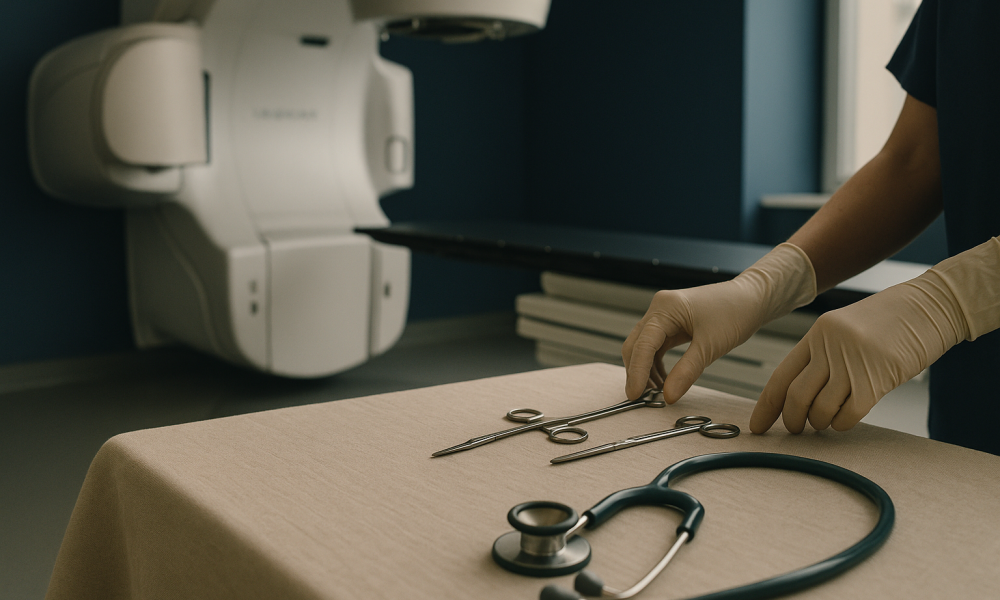
What TrueBeam Radiotherapy Abroad is and who it is for
TrueBeam radiotherapy is a state-of-the-art technology used in the treatment of various types of cancer. It is a form of external beam radiation therapy that delivers precise radiation doses to cancerous tissues while minimising exposure to surrounding healthy tissues. Developed by Varian Medical Systems, the TrueBeam system is renowned for its accuracy, speed, and flexibility, making it a preferred option for treating complex cases.
TrueBeam radiotherapy is suitable for treating a wide range of cancers, including but not limited to brain, lung, breast, prostate, and head and neck cancers. The system’s advanced imaging capabilities allow for real-time tracking of tumour positions, which is crucial for cancers that move with breathing, such as lung tumours. This ensures that the radiation is delivered to the target with millimetre precision, reducing the risk of damaging healthy tissues.
Patients from the UK, Europe, and North America considering TrueBeam radiotherapy in Turkey can expect to access high-quality care at a more affordable cost. Turkey has invested significantly in healthcare infrastructure, and many hospitals in major cities like Istanbul and Ankara are equipped with the latest technologies, including the TrueBeam system. The healthcare professionals operating these systems are often trained internationally and adhere to global standards of care.
Moreover, Turkey’s position as a medical tourism hub means that patients can benefit from shorter waiting times for treatment compared to those in some Western countries. The cost of TrueBeam radiotherapy in Turkey typically ranges from £3,000 to £8,000, depending on the complexity of the case and the number of sessions required. This is significantly lower than the costs in the UK or the US, where similar treatments might exceed £10,000 or $15,000 respectively.
Choosing to undergo TrueBeam radiotherapy abroad requires thorough research and consideration, including verifying the accreditation of the healthcare facility and the qualifications of the medical team. Patients should also consider the logistics of travel, accommodation, and post-treatment care when planning their medical journey to Turkey.
Are you a good candidate?
Determining whether you are a suitable candidate for TrueBeam radiotherapy involves several factors that need to be carefully evaluated by your healthcare provider. This includes the type and stage of cancer, your overall health, and prior treatments you may have received. Here is a checklist to help you assess your candidacy:
- Type of Cancer: TrueBeam is versatile and can treat various cancers, including brain, lung, breast, prostate, and head and neck cancers.
- Cancer Stage: Early to advanced stages can be treated, but the stage may influence the treatment plan and expected outcomes.
- Previous Treatments: If you have undergone surgery or chemotherapy, your suitability for additional radiotherapy must be assessed.
- General Health: Your overall physical condition is crucial. Patients must be able to tolerate the treatment and any potential side effects.
- Tumour Characteristics: Size, location, and movement (e.g., due to breathing) of the tumour are critical considerations for precision targeting.
- Patient Preferences: Your willingness to travel for treatment and your ability to commit to the treatment schedule are important factors.
Before proceeding, it is essential to have a detailed consultation with an oncologist who can review your medical history and perform necessary diagnostic tests. This may include imaging studies such as CT or MRI scans to map the tumour’s exact location and determine the best approach for treatment. The oncologist will also discuss potential risks and benefits, helping you make an informed decision.
Patients are advised to seek a second opinion if unsure about their candidacy for TrueBeam radiotherapy. Additionally, understanding the logistics of receiving treatment abroad, including travel and accommodation arrangements, is vital in planning your treatment journey effectively.
The procedure, step by step
TrueBeam radiotherapy is an advanced and precise form of radiation treatment, utilised for a variety of cancers. The procedure is meticulously planned and executed to ensure maximum efficacy while minimising exposure to surrounding healthy tissues. Here is a detailed step-by-step guide of what patients can expect during the TrueBeam radiotherapy procedure:
- Initial Consultation and Assessment: Before the procedure, patients undergo a comprehensive assessment by a multidisciplinary team of specialists. This includes oncologists, radiologists, and medical physicists. They review the patient’s medical history, imaging studies, and other diagnostic tests to determine the suitability of TrueBeam therapy.
- Simulation and Planning: A simulation session is conducted to map out the precise area to be treated. During this session, the patient lies on a treatment table while a CT scan is performed. The data from the scan is used to create a 3D model, which helps the medical team develop a customised treatment plan. The aim is to target the tumour accurately while sparing healthy tissue.
- Treatment Preparation: Patients may have small marks placed on their skin or a custom mould created to ensure they are positioned correctly during each session. These marks or devices help maintain consistency in positioning across multiple sessions.
- Commencement of Treatment: On the day of treatment, the patient is positioned on the TrueBeam machine. The machine rotates around the patient, delivering radiation beams from various angles. Each session typically lasts between 10 to 30 minutes, depending on the complexity of the treatment plan.
- Monitoring and Adjustments: During the session, real-time imaging is used to monitor the tumour’s position and make any necessary adjustments. This technology ensures that the radiation is delivered with high precision, adapting to any movement, such as breathing.
- Completion and Follow-up: After completing the prescribed number of sessions, which can range from one to several weeks, patients have a follow-up consultation. This appointment allows the healthcare team to assess the treatment’s effectiveness and plan any additional care if needed.
Throughout the procedure, patient comfort and safety are prioritised. The use of advanced imaging and precise delivery systems ensures that TrueBeam radiotherapy is both effective and well-tolerated by most patients.
Recovery timeline
Recovery from TrueBeam radiotherapy varies depending on the individual patient and the treatment area. Here is a typical recovery timeline:
| Period | What to expect | Care notes |
|---|---|---|
| Day 1 | Patients may feel tired and experience slight discomfort in the treated area. Some might notice mild skin redness similar to sunburn. | Rest is recommended. Over-the-counter pain relief can be used if necessary. Keep the treated area clean and dry. |
| Week 1 | Fatigue may persist, and skin changes could continue, including dryness or itchiness. Appetite may be affected. | Maintain a balanced diet and stay hydrated. Gentle skin care products should be used. Avoid sun exposure to the treated area. |
| Week 2-3 | Most acute side effects reach their peak and then begin to subside. Patients may experience emotional fluctuations. | Engage in light activities as tolerated. Consider support groups or counselling for emotional support. |
| Week 4-6 | Gradual improvement in energy levels and skin condition. Appetite and general well-being start to improve. | Continue with follow-up appointments. Monitor for any unusual symptoms and report them to your healthcare provider. |
| Full Recovery (Up to 3 months) | Most side effects resolve, and patients regain normal energy levels. Long-term effects, if any, become apparent. | Regular follow-ups are essential to monitor the treatment outcome and manage any long-term effects. Staying active and maintaining a healthy lifestyle is encouraged. |
It is important for patients to stay in close contact with their healthcare team throughout the recovery period to address any concerns and ensure optimal recovery.
What it costs: Turkey vs the UK, Europe and North America
For patients considering TrueBeam radiotherapy, understanding the cost differences between Turkey and other regions such as the UK, Europe, and North America is crucial. Prices for medical treatments can vary significantly based on location, provider, and the specific needs of the patient. Below is a comparative overview of indicative costs for TrueBeam radiotherapy across these regions:
| Region | Indicative Price Range (GBP) | What Packages Typically Include |
|---|---|---|
| Turkey | £5,000 – £8,000 | Initial consultation, radiotherapy planning, up to 25 sessions, follow-up consultations, and basic support services. |
| UK | £12,000 – £18,000 | Initial consultation, radiotherapy planning, treatment sessions, follow-up consultations, and limited support services. |
| Europe | £10,000 – £15,000 | Initial consultation, radiotherapy planning, treatment sessions, follow-up consultations, and some support services. |
| North America | £20,000 – £30,000 | Initial consultation, radiotherapy planning, treatment sessions, follow-up consultations, and comprehensive support services. |
It is important to note that these figures are indicative and can vary based on the specific clinic, the complexity of the treatment required, and the patient’s individual health needs. The price ranges in Turkey are generally more affordable due to lower operational costs and favourable currency exchange rates. Additionally, Turkish clinics often offer comprehensive packages that include not only medical treatment but also accommodation, transportation, and sometimes even tourism-related activities for international patients.
When evaluating the cost of treatment, prospective patients should consider what is included in the package. In Turkey, packages frequently encompass a broader range of services, which can provide significant peace of mind and convenience. This can be particularly beneficial for international patients who might require assistance with logistics, such as airport transfers and accommodation arrangements.
Despite the lower costs, the quality of care in Turkey remains high, with many facilities accredited by international organisations, ensuring that they meet global healthcare standards. Patients are encouraged to conduct thorough research and consult with multiple providers to understand the full scope of what is offered and to ensure that their individual needs and expectations are met.
Risks and how accredited providers manage them
TrueBeam radiotherapy, like any medical procedure, carries certain risks. These can include skin irritation, fatigue, changes in appetite, and, in some cases, more serious side effects such as damage to surrounding tissues. Patients considering treatment abroad should be aware of these potential risks and understand how accredited providers in Turkey manage them to ensure patient safety.
Accredited facilities in Turkey adhere to stringent international standards, often set by bodies such as the Joint Commission International (JCI) and the European Society for Radiotherapy and Oncology (ESTRO). These standards ensure that clinics maintain high levels of hygiene, patient care, and clinical outcomes.
One of the primary ways that risks are managed is through meticulous treatment planning. Before any radiotherapy session, a multidisciplinary team, including oncologists, radiologists, and medical physicists, collaborates to design a personalised treatment plan. This plan is tailored to the patient’s specific medical condition, aiming to maximise the effectiveness of the treatment while minimising exposure to healthy tissues.
Furthermore, TrueBeam technology itself incorporates advanced imaging and motion management capabilities, which allow for precise targeting of tumours. This precision reduces the likelihood of damage to surrounding healthy tissues, thereby minimising side effects.
Patient monitoring is another critical component of risk management. Throughout the treatment process, patients undergo regular assessments to monitor their response to therapy and to identify any side effects early. This proactive approach enables healthcare providers to adjust treatment plans as necessary and to provide supportive care to manage side effects.
In addition to technical measures, accredited providers in Turkey place a strong emphasis on patient education. Before beginning treatment, patients receive comprehensive information about the procedure, potential side effects, and the steps that will be taken to mitigate risks. This transparency helps build trust and ensures that patients are well-prepared for their treatment journey.
Ultimately, while the risks associated with TrueBeam radiotherapy are not negligible, they are carefully managed through a combination of advanced technology, rigorous planning, and patient-centred care. Patients considering treatment in Turkey can be reassured by the high standards of care provided by accredited facilities, which are committed to delivering safe and effective treatment outcomes.
How to choose the right provider
When considering TrueBeam radiotherapy abroad, selecting the right provider is pivotal. Start by ensuring the clinic is accredited by internationally recognised bodies such as the Joint Commission International (JCI) or the European Society for Radiotherapy and Oncology (ESTRO). Accreditation ensures adherence to global healthcare standards, offering an assurance of quality and safety.
Surgeon experience is another critical factor. Look for specialists who have extensive experience with TrueBeam technology, ideally with several years of practice in the field. Enquire about their specific training and whether they have participated in advanced courses or workshops related to TrueBeam systems. Consider asking for patient testimonials or success stories, though remember these should be viewed as anecdotal rather than definitive evidence of future outcomes.
Aftercare is an essential component of your treatment journey. A robust aftercare programme should include scheduled follow-up appointments, both in-person and via telemedicine, to monitor your recovery and address any concerns. Enquire about the availability of multidisciplinary teams, including oncologists, radiologists, and support staff, who can provide comprehensive care.
Be vigilant for red flags which might indicate a less reliable provider. These include vague or evasive responses to questions about accreditation, unwillingness to discuss the details of the treatment plan, or a lack of transparency regarding costs. Be cautious of clinics that offer guarantees of success or use high-pressure sales tactics. A reputable provider will provide clear, honest communication and a realistic overview of what to expect.
Additionally, research the clinic’s facilities. Modern, well-equipped centres with state-of-the-art technology are preferable. Verify whether the clinic uses the latest version of the TrueBeam system, as advancements in technology can impact treatment efficacy and patient comfort.
Planning your trip
Planning your trip for TrueBeam radiotherapy in Turkey requires careful consideration of several factors to ensure a smooth experience. Begin by establishing a timeline. It’s advisable to start planning at least three months in advance, allowing ample time for research, consultations, and arrangements.
Documentation is key. Ensure your passport is valid for at least six months beyond your planned return date. Check if you need a visa to enter Turkey; UK and EU citizens typically do not for short stays, while US citizens may require an e-visa. Gather your medical records, including recent scans, test results, and a referral letter from your current healthcare provider, as these will be needed for initial consultations.
Consider the typical length of stay. For TrueBeam radiotherapy, expect to stay in Turkey for at least two weeks. This duration typically covers pre-treatment consultations, the radiotherapy sessions themselves, and a brief recovery period. Discuss with your chosen provider to determine the exact timeline based on your specific treatment plan.
Plan for follow-up care upon returning home. Arrange appointments with your local oncologist to continue monitoring your recovery and manage any side effects. Coordinate with your Turkish provider to ensure seamless communication and transfer of medical records.
Financial planning is also crucial. While the cost of TrueBeam radiotherapy in Turkey is generally lower than in the UK, Europe, or North America, it’s important to budget for additional expenses such as flights, accommodation, and daily living costs. Indicative costs for treatment range from £4,000 to £7,000 GBP, but this can vary based on individual needs and the provider’s pricing structure.
Finally, consider travel insurance that covers medical tourism. This should include coverage for medical emergencies, trip cancellations, and any unforeseen complications related to your treatment.
Frequently Asked Questions
What is TrueBeam radiotherapy?
TrueBeam radiotherapy is an advanced form of radiation therapy used to treat cancer. It utilises precise imaging and positioning technology to deliver high doses of radiation directly to the tumour, minimising damage to surrounding healthy tissue.
How long does a TrueBeam radiotherapy session take?
Each session typically lasts between 10 to 30 minutes. The exact duration depends on the complexity of the treatment plan and the specific area being targeted. The overall treatment course might require multiple sessions over several weeks.
Is TrueBeam radiotherapy safe?
TrueBeam radiotherapy is considered safe and is widely used around the world. It employs advanced technology to accurately target tumours, reducing the risk of damage to nearby healthy tissues. However, as with any medical treatment, there are potential risks and side effects that should be discussed with your healthcare provider.
What are the side effects of TrueBeam radiotherapy?
Common side effects include fatigue, skin irritation, and localised discomfort. These effects are usually temporary and manageable. Your medical team will provide guidance on how to alleviate any side effects and when to seek further medical advice if necessary.
What is the typical cost of TrueBeam radiotherapy in Turkey?
The cost of TrueBeam radiotherapy in Turkey typically ranges from £4,000 to £7,000 GBP. This is an indicative range and can vary based on factors such as the complexity of the treatment and the provider's specific pricing policies.
How do I verify a clinic's accreditation?
You can verify a clinic's accreditation by checking with recognised international accrediting organisations such as the Joint Commission International (JCI) or the European Society for Radiotherapy and Oncology (ESTRO). Clinics often display their accreditation certificates prominently on their websites.
What should I pack for my treatment trip?
Pack comfortable clothing suitable for a hospital environment, personal toiletries, all necessary medications, and entertainment options like books or a tablet. Ensure you have all essential documents, including your passport, medical records, and travel insurance details.
How soon can I travel after completing my treatment?
The appropriate time to travel after treatment varies based on individual recovery. Generally, patients are advised to rest for a few days post-treatment before flying. Your healthcare provider will give specific recommendations based on your condition and treatment response.
Can I bring a companion with me?
Yes, bringing a companion can be beneficial for emotional support and assistance during your stay. Ensure you plan for additional accommodation and travel costs, and check with your healthcare provider if there are any specific restrictions or recommendations for companions.
Will my insurance cover the treatment abroad?
Insurance coverage for treatment abroad varies by policy. It's essential to contact your insurance provider to understand your plan's specifics and whether it includes international medical tourism coverage. You may need to purchase additional insurance to cover the costs.
What happens if I experience complications after returning home?
In case of complications after returning home, immediately contact your local healthcare provider. Maintain open communication with your treatment provider in Turkey for guidance and ensure your local healthcare team is aware of your treatment history for coordinated care.
Are there language barriers at Turkish clinics?
Most reputable clinics in Turkey catering to international patients have English-speaking staff. However, it's always a good idea to confirm this during your initial inquiries. Some clinics also offer translation services for other languages if needed.