
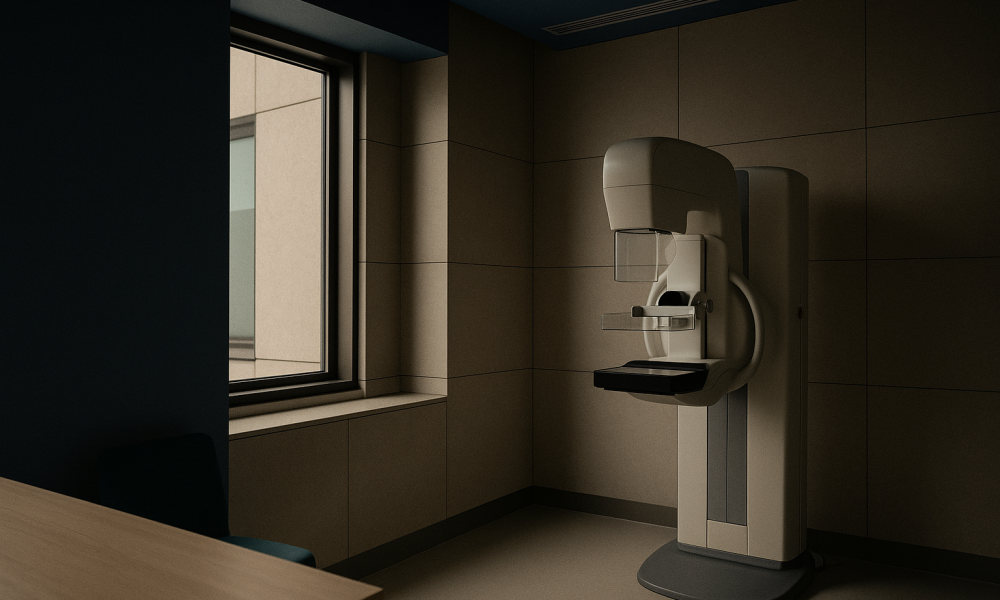
What Breast Cancer Treatment Abroad is and who it is for
Breast cancer treatment abroad, particularly in Turkey, offers a comprehensive range of medical interventions for patients seeking quality and affordability. Turkey has emerged as a prominent destination for medical tourism, attracting international patients due to its advanced healthcare infrastructure, skilled medical professionals, and competitive pricing. Treatments available encompass a wide spectrum, including surgical options such as lumpectomy and mastectomy, as well as non-surgical treatments like chemotherapy, radiation therapy, and hormone therapy. Each treatment plan is tailored to the patient’s specific condition, stage of cancer, and personal preferences.
The primary goal of breast cancer treatment is to remove or destroy cancerous cells and prevent the spread of the disease. Surgical options may involve the removal of the tumour and surrounding tissues, while non-surgical treatments aim to target cancer cells throughout the body. Turkey’s healthcare facilities are equipped with state-of-the-art technology, ensuring that patients receive care comparable to that found in Western Europe. Additionally, many Turkish hospitals are accredited by international bodies, which underscores their commitment to maintaining high standards of care.
Patients from Europe considering treatment in Turkey can benefit from shorter waiting times compared to their home countries. This is particularly advantageous for those requiring urgent care. Moreover, the cost of treatment in Turkey is typically lower, with indicative ranges between €4,000 and €15,000 depending on the complexity and type of treatment. This cost-effectiveness does not compromise the quality of care, as Turkish medical professionals are well-trained and many have international experience.
Turkey’s strategic location, bridging Europe and Asia, also makes it an accessible destination for European patients. Most major cities in Turkey, such as Istanbul, Ankara, and Izmir, are well-connected with direct flights from various European capitals. This geographical advantage, combined with the country’s rich cultural heritage, allows patients and their families to find comfort and support during their treatment journey.
Are you a good candidate?
Determining whether you are a good candidate for breast cancer treatment abroad involves several considerations. Each patient’s situation is unique, and the decision to seek treatment in Turkey should be made after careful evaluation of personal health conditions, treatment requirements, and logistical factors. Here is a checklist to help you assess your candidacy:
- Diagnosis Confirmation: Ensure you have a confirmed diagnosis of breast cancer from a qualified medical professional. Having medical records, pathology reports, and imaging studies will be essential for Turkish specialists to review your case.
- Treatment Options: Consider whether the treatments available in Turkey match your medical needs. Turkey offers a wide range of treatments, but it is important to verify whether specific advanced therapies or clinical trials are accessible.
- Health Condition: Assess your overall health and ability to travel. Patients with stable health conditions and no severe comorbidities are generally good candidates for treatment abroad.
- Financial Considerations: Evaluate the cost of treatment in Turkey, including travel, accommodation, and potential follow-up visits. Compare these expenses with your budget and insurance coverage, if applicable.
- Support System: Consider whether you have a support network in place, such as family or friends who can accompany you, or local services in Turkey that provide assistance to international patients.
- Legal and Ethical Concerns: Familiarise yourself with the legal and ethical standards of medical practice in Turkey. Ensure that the facility and professionals you choose adhere to international guidelines.
It is also advisable to consult with healthcare professionals in your home country to discuss the feasibility and implications of receiving treatment abroad. They can provide valuable insights and possibly coordinate with Turkish medical teams to ensure continuity of care upon your return.
The procedure, step by step
When considering breast cancer treatment in Turkey, patients can expect a well-structured process that prioritises their health and comfort. The procedure typically involves several key steps, each carefully designed to ensure the best possible outcome.
- Initial Consultation and Diagnosis: Patients will first meet with an oncologist, who will review their medical history and existing test results. Additional tests such as mammograms, biopsies, or MRI scans may be conducted to confirm the diagnosis and determine the cancer stage. This stage typically costs between €200 and €500, depending on the tests required.
- Treatment Plan Development: Based on the diagnosis, a multidisciplinary team of specialists, including oncologists, surgeons, and radiologists, will collaborate to create a personalised treatment plan. This plan may involve surgery, chemotherapy, radiation therapy, or a combination of these treatments.
- Pre-Surgical Preparation: If surgery is necessary, patients will undergo pre-operative assessments to ensure they are fit for the procedure. This includes blood tests, ECGs, and discussions about anaesthesia, with costs ranging from €150 to €300.
- Surgical Procedure: The type of surgery depends on the stage and type of breast cancer. Options include lumpectomy, mastectomy, or reconstructive surgery. Surgical procedures generally take between 1 to 3 hours, with costs typically ranging from €2,500 to €6,000.
- Post-Surgical Care and Observation: After surgery, patients will be monitored in a recovery room. Hospital stays can range from 1 to 3 days, depending on the surgery type and patient recovery. Costs for hospitalisation typically range from €100 to €300 per day.
- Additional Treatments: Depending on the treatment plan, patients may undergo chemotherapy or radiation therapy sessions. Each chemotherapy session can cost between €500 and €1,500, while radiation therapy may range from €2,000 to €4,000 for a complete course.
- Follow-Up Appointments: Regular follow-up visits are crucial for monitoring recovery and addressing any complications. These appointments may occur every few weeks initially and then decrease in frequency over time. Each visit typically costs between €50 and €150.
The entire process is designed to provide comprehensive care, ensuring that each step is thoroughly planned and executed with the patient’s well-being in mind.
Recovery timeline
Recovering from breast cancer treatment is a gradual process that varies based on the treatment type and individual patient factors. However, a typical recovery timeline provides a general framework to aid patients in understanding what to expect during their healing journey.
| Period | What to expect | Care notes |
|---|---|---|
| Day 1-3 | Patients may experience pain and discomfort following surgery, which can be managed with prescribed pain relief. Rest is crucial during this period. | Ensure adequate hydration and follow all medical advice regarding wound care and medication. Assistance with daily activities may be needed. |
| Week 1-2 | Swelling and bruising around the surgical site are common. Patients may begin to notice improvements in mobility and energy levels. | Attend follow-up appointments to monitor healing. Begin gentle arm exercises as advised by healthcare professionals to prevent stiffness. |
| Week 3-4 | Most patients can resume light activities. Fatigue may still be present, especially if undergoing chemotherapy or radiation therapy. | Continue with prescribed exercises and avoid heavy lifting. Gradually increase physical activities as tolerated. |
| Month 2-3 | Patients often return to normal daily activities and work. Energy levels should improve, but some may still experience fatigue. | Maintain regular follow-up visits and adhere to any ongoing treatment plans. Emotional support can be beneficial during this phase. |
| Month 4-6 | Full recovery is generally achieved by this stage, although long-term treatment effects, such as lymphoedema, may persist. | Continue with lifestyle adjustments recommended by healthcare providers. Stay vigilant for any new symptoms and report them promptly. |
It’s important for patients to remember that recovery is an individual process, and maintaining open communication with healthcare providers is essential for addressing any concerns that may arise.
5. What it costs: Turkey vs Europe
When considering breast cancer treatment abroad, cost is a significant factor for many patients. Turkey has become a popular destination for medical tourism, offering high-quality care often at a fraction of the price compared to many European countries. However, it’s important to understand that prices can vary significantly based on the type of treatment, the hospital’s location, and the specifics of the treatment package.
To provide a clearer picture, the following table compares the indicative price ranges for breast cancer treatment in Turkey and Europe. These figures are meant to serve as a general guide and actual costs may vary based on individual circumstances and specific needs.
| Treatment Type | Turkey (indicative range in EUR) | Europe (indicative range in EUR) | Typical Package Inclusions |
|---|---|---|---|
| Surgery (e.g., Lumpectomy, Mastectomy) | €3,000 – €6,000 | €8,000 – €15,000 | Consultations, Surgery, Hospital Stay, Post-op Care |
| Chemotherapy (per cycle) | €500 – €1,500 | €1,000 – €3,000 | Consultations, Medication, Day Care |
| Radiation Therapy (entire course) | €2,500 – €5,000 | €5,000 – €10,000 | Consultations, Radiation Sessions, Follow-up |
| Targeted Therapy (per session) | €1,000 – €2,500 | €2,000 – €5,000 | Consultations, Medication, Monitoring |
Packages in Turkey typically include pre-treatment consultations, the procedure itself, hospital accommodation, and post-treatment care. Some packages may also cover airport transfers, local transportation, and even accommodation for a companion. In contrast, European treatment costs often exclude ancillary services such as transportation and additional accommodation, potentially increasing the overall expenditure.
While these cost differences are significant, it’s crucial for patients to consider the quality of care, the qualifications of the healthcare providers, and the accreditation of the facilities when making their decision. Turkey offers a competitive advantage with internationally accredited hospitals and highly trained medical professionals, often educated and trained in Europe or the United States.
6. Risks and how accredited providers manage them
Breast cancer treatment, like any medical procedure, comes with its own set of risks. These can range from surgical complications to the side effects of chemotherapy and radiation therapy. When considering treatment abroad, understanding these risks and how they are managed by accredited providers in Turkey is crucial for making an informed decision.
One of the primary risks associated with breast cancer surgery is the potential for infection, bleeding, or adverse reactions to anaesthesia. Accredited hospitals in Turkey mitigate these risks through stringent hygiene protocols, comprehensive pre-operative assessments, and close post-operative monitoring. Surgeons are often board-certified and have extensive experience, ensuring that procedures are conducted with the utmost precision and care.
Chemotherapy and radiation therapy present risks such as fatigue, nausea, hair loss, and increased susceptibility to infections due to a weakened immune system. Accredited facilities in Turkey address these challenges by offering personalised treatment plans that consider the patient’s overall health and specific cancer characteristics. Multi-disciplinary teams, including oncologists, nutritionists, and psychologists, work together to provide comprehensive care and support to manage side effects effectively.
Another potential risk is the psychological impact of undergoing treatment in a foreign country, which can include feelings of isolation or anxiety. Accredited providers often have dedicated patient support services, offering language assistance and counselling to ease the emotional burden. Furthermore, many hospitals in Turkey have international patient departments specifically designed to cater to overseas patients, ensuring clear communication and support throughout the treatment process.
Accreditation plays a pivotal role in ensuring that medical facilities adhere to international standards of care. Many Turkish hospitals are accredited by organisations such as the Joint Commission International (JCI), which evaluates hospitals based on rigorous criteria including patient safety, quality of care, and facility management. This accreditation assures patients that the hospital maintains high standards of medical practice and patient care.
While no medical procedure is without risk, the commitment of accredited providers in Turkey to uphold international standards helps mitigate these challenges. Patients are encouraged to conduct thorough research, consult with healthcare professionals at home, and ask detailed questions about the risk management protocols in place at their chosen facility. This proactive approach will help ensure that they receive safe and effective treatment tailored to their specific needs.
How to choose the right provider
Choosing the right healthcare provider for breast cancer treatment abroad is crucial to ensuring a safe and effective experience. When considering options in Turkey, several factors should guide your decision-making process.
Accreditation: Look for hospitals accredited by international bodies such as the Joint Commission International (JCI) or the European Society for Medical Oncology (ESMO). Accreditation ensures that the facility adheres to stringent international healthcare standards, encompassing patient safety, treatment protocols, and quality of care.
Surgeon Experience: Verify the credentials and experience of the surgical team. Surgeons should be board-certified and ideally have a track record of performing a substantial number of breast cancer surgeries annually. Inquire about their specialisation in oncological surgery and any advanced training or fellowships they may have completed. Experience in minimally invasive techniques or reconstructive procedures can also be a significant advantage.
Aftercare: Consider the comprehensiveness of the aftercare services offered. Effective treatment extends beyond surgery to include post-operative care and rehabilitation. Evaluate whether the facility provides integrated services such as physiotherapy, psychological support, and nutritional counselling. A multidisciplinary team approach is often indicative of a well-rounded aftercare programme.
Red Flags: Be cautious of providers that promise guaranteed outcomes or offer unusually low prices, which could indicate compromised quality. Lack of transparency in discussing potential risks, complications, and success rates is also a warning sign. Ensure that the provider communicates clearly, provides detailed treatment plans, and is open to addressing all your concerns and questions.
Ultimately, the right provider should foster a sense of trust and confidence, supported by a proven track record of successful treatments and satisfied patients.
Planning your trip
Proper planning is essential for a successful medical trip to Turkey for breast cancer treatment. Start by organising a timeline that outlines key milestones leading up to your travel.
Timeline Before Travel: Initiate planning at least two to three months in advance. This timeframe allows for adequate research, consultations, and coordination with your chosen healthcare provider. Schedule initial virtual consultations to discuss your case and potential treatment plans. Use this period to gather medical records and any additional documentation required by the facility.
Documents: Ensure you have all necessary documents, including a valid passport, visa (if applicable), and comprehensive medical records. Medical records should be detailed, covering diagnosis, previous treatments, and any imaging results. Additionally, secure a letter from your local physician summarising your medical history and current condition.
Length of Stay: The duration of your stay will depend on the type of treatment you undergo. Surgery typically requires a stay of 10 to 14 days to allow for recovery and initial follow-up appointments. Chemotherapy or radiation therapy may necessitate longer stays or multiple visits, depending on the regimen prescribed.
Follow-Up at Home: Coordination with your home healthcare provider is vital for ongoing follow-up care. Discuss with your Turkish provider about transferring medical records and treatment summaries to your local doctor. Establish a plan for regular check-ups and any necessary tests to monitor your recovery and detect any potential recurrence early.
By meticulously planning each aspect of your trip, you can ensure a smoother experience and focus on your recovery.
Frequently Asked Questions
What are the typical costs for breast cancer treatment in Turkey?
The cost of breast cancer treatment in Turkey varies depending on the type of procedure and the healthcare facility chosen. Surgical procedures can range from £3,000 to £7,000, while chemotherapy sessions might cost between £500 and £1,500 per session. It's essential to obtain a detailed quote from the provider before proceeding, as these figures are indicative and can vary based on individual treatment plans.
Is it safe to undergo breast cancer treatment in Turkey?
Turkey is home to many internationally accredited hospitals and experienced medical professionals, making it a safe option for breast cancer treatment. However, it's crucial to choose a provider with a strong reputation and verified accreditations. Ensure that the hospital follows international healthcare standards and that the medical team is well-qualified. Researching patient reviews and testimonials can also provide insight into the safety and quality of care.
How do I verify the accreditation of a hospital in Turkey?
You can verify a hospital's accreditation by checking with international accreditation bodies like the Joint Commission International (JCI) or the European Society for Medical Oncology (ESMO). These organisations maintain lists of accredited facilities on their websites. Additionally, most reputable hospitals will display their accreditation certificates prominently on their websites or within their facilities.
What should I expect during the initial consultation?
During the initial consultation, either virtual or in-person, you will discuss your medical history, current condition, and treatment options. The medical team will review your medical records and imaging results, and may suggest additional tests to confirm the diagnosis. This consultation is also an opportunity to ask questions about the treatment plan, expected outcomes, potential risks, and recovery process.
How long should I plan to stay in Turkey for treatment?
The length of stay in Turkey depends on the specific treatment plan. Surgical procedures generally require a stay of 10 to 14 days for recovery and follow-up appointments. If you are undergoing chemotherapy or radiation therapy, the stay could be longer or require multiple visits. It's important to discuss the expected timeline with your healthcare provider before travelling.
What documents do I need to bring for my treatment?
You will need to bring a valid passport, visa (if applicable), and comprehensive medical records that include your diagnosis, treatment history, and imaging results. A letter from your local physician summarising your medical history and current condition is also recommended. These documents will help the medical team in Turkey to tailor your treatment plan effectively.
Can I continue my follow-up care in my home country?
Yes, you can continue your follow-up care in your home country. Coordination between your Turkish healthcare provider and your local doctor is vital for seamless continuity of care. Ensure that medical records and treatment summaries are transferred to your local healthcare provider, and establish a plan for regular check-ups to monitor your recovery.
What if I experience complications after returning home?
If you experience complications after returning home, contact your local healthcare provider immediately. It's also important to communicate with your Turkish medical team, as they can provide guidance or coordinate with your local doctor. Having a pre-established plan for emergency care is advisable, and ensure that your local healthcare provider is informed of your treatment history.
Are there language barriers to consider?
Many hospitals in Turkey, particularly those that serve international patients, have multilingual staff and offer services in English. However, it's a good idea to confirm language support availability when choosing a provider. Some facilities offer translation services to assist with communication during your treatment and stay.
How soon can I start treatment after deciding on a provider?
Once you've selected a provider and completed the necessary consultations, treatment can often commence within a few weeks. This timeline allows for finalising travel arrangements, obtaining any required visas, and completing pre-treatment assessments. The exact start date will depend on the type of treatment and the provider's scheduling availability.
Do hospitals in Turkey offer aftercare services?
Yes, many hospitals in Turkey offer comprehensive aftercare services, which are crucial for successful recovery. These services may include physiotherapy, psychological support, and nutritional counselling. It's important to discuss the scope of aftercare services with your provider to ensure they meet your needs and expectations.
How can I manage the costs of treatment?
Managing the costs of treatment involves obtaining detailed quotes from your chosen provider and understanding what is included in the price. Some patients opt for medical travel insurance to cover unforeseen expenses. Additionally, inquire about payment plans or financing options that may be available through the healthcare facility. Careful budgeting and planning will help manage expenses effectively.