
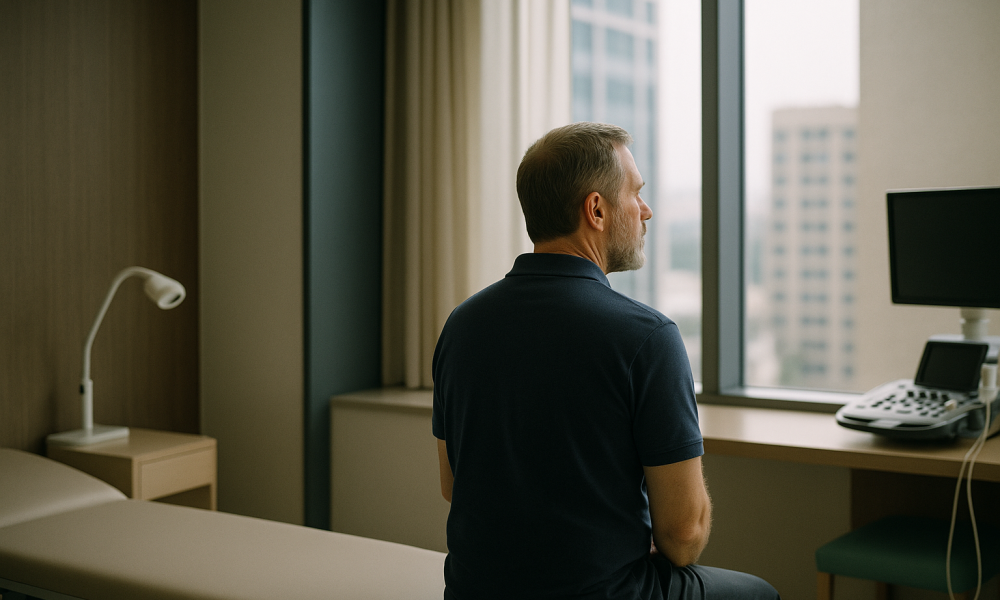
What Prostate Cancer Treatment Abroad is and who it is for
Prostate cancer treatment abroad, particularly in Turkey, offers Canadian patients access to a range of medical procedures that are often more affordable compared to domestic options. This approach typically involves travelling to a foreign country to receive medical care, which can include surgical procedures, radiation therapy, or other advanced treatments for prostate cancer. Turkey has emerged as a popular destination due to its combination of advanced medical technologies, experienced healthcare professionals, and competitive pricing.
Patients considering treatment abroad generally seek to benefit from shorter waiting times and reduced costs while maintaining high standards of care. In Turkey, healthcare facilities are equipped with state-of-the-art technology and staffed by specialists trained in leading global institutions. Many hospitals in Turkey hold international accreditations, ensuring that they adhere to stringent quality and safety standards.
The treatments available for prostate cancer in Turkey can range from minimally invasive techniques such as robotic-assisted surgery to traditional open surgeries, depending on the stage and aggressiveness of the cancer. Advanced options may include external beam radiation therapy, brachytherapy, and hormonal treatments, tailored to the specific needs of the patient. The choice of treatment is made after thorough diagnostic evaluations, which may include MRI scans, biopsies, and PSA tests.
It is crucial for patients to understand that while treatment abroad can offer numerous benefits, it also requires careful planning and consideration. Factors such as travel logistics, post-treatment care, and follow-up consultations must be meticulously arranged. Additionally, patients should consult with their local healthcare providers to ensure continuity of care upon returning home. Given these considerations, prostate cancer treatment abroad is suitable for individuals who are well-informed, flexible, and prepared to engage actively in their healthcare journey.
Are you a good candidate?
Determining whether you are a suitable candidate for prostate cancer treatment abroad involves evaluating several personal and medical factors. The decision to pursue treatment in Turkey should be based on a comprehensive assessment of your current health status, the stage of the cancer, and your personal circumstances. Here are some criteria to consider:
- Diagnosis: You have a confirmed diagnosis of prostate cancer that requires intervention. The type and stage of cancer should be clearly documented by your healthcare provider.
- Medical History: You have a stable health condition with no significant comorbidities that could complicate surgery or other treatments.
- Financial Considerations: You have evaluated the costs involved, including travel and accommodation, and find them manageable within your budget.
- Support System: You have access to a support network, either in Turkey or at home, to assist you during recovery.
- Follow-up Care: You have arranged for follow-up care with your local healthcare provider to ensure continuity of treatment post-return.
- Travel Readiness: You are physically able to travel and have considered the implications of being away from home for an extended period.
- Informed Decision: You have researched and understood the potential risks and benefits of undergoing medical treatment abroad, and have discussed these with your healthcare provider.
If you meet these criteria, you may be a good candidate for prostate cancer treatment abroad. However, it is imperative to engage in thorough discussions with both your local and prospective healthcare providers to align expectations and ensure that the chosen treatment plan is appropriate for your specific medical needs.
The procedure, step by step
Undergoing prostate cancer treatment in Turkey involves a series of carefully coordinated steps. Each step is designed to ensure the best possible outcome for the patient, while also providing a comprehensive understanding of what to expect throughout the process.
- Initial Consultation: Upon arrival in Turkey, you will have an initial consultation with a specialist. During this session, your medical history will be reviewed, and any prior diagnostic tests will be assessed. Additional tests, such as blood work or imaging, may be recommended to confirm the diagnosis and stage of cancer.
- Pre-operative Assessment: Once the treatment plan is agreed upon, a thorough pre-operative assessment is conducted. This includes evaluating your general health to ensure you are fit for surgery or other treatment modalities. This step may involve consultations with anaesthetists and other specialists.
- Treatment Planning: The medical team will outline a personalised treatment plan. If surgery is the chosen method, options such as robotic-assisted laparoscopic prostatectomy may be discussed. For other treatments, such as radiation therapy, the schedule and technique will be detailed.
- Hospital Admission: You will be admitted to a hospital where the procedure will take place. Admission typically occurs one day before the scheduled treatment. During this time, you will meet the surgical team and have the opportunity to ask any remaining questions.
- The Procedure: On the day of the procedure, you will be prepared for surgery or treatment. For surgical options, patients are usually under general anaesthesia, and the surgery might last between 2 to 4 hours. Minimally invasive techniques are commonly used, which involve smaller incisions and typically result in less pain and faster recovery.
- Post-operative Care: After the procedure, you will be monitored in a recovery room. The medical staff will observe your vital signs and manage any immediate post-operative discomfort. You might have a urinary catheter placed temporarily to assist in urination during the initial recovery period.
- Discharge Planning: Depending on the procedure, hospital stays can range from 1 to 3 days. Before discharge, the healthcare team will provide detailed instructions on wound care, activity restrictions, and medication management to ensure a smooth recovery.
Recovery timeline
Recovery after prostate cancer treatment varies based on the type of procedure performed. However, patients can generally expect a structured timeline that guides their healing process.
| Period | What to expect | Care notes |
|---|---|---|
| Day 1 | Post-operative observation and pain management. | Remain in the hospital for monitoring. Pain relief medication will be administered as needed. |
| Days 2-3 | Early mobilisation and catheter management. | Begin gentle movement as advised by medical staff. Maintain proper catheter care to prevent infections. |
| Week 1 | Discharge and transition to home care. | Follow all discharge instructions carefully. Arrange for assistance at home if needed. |
| Weeks 2-4 | Gradual increase in physical activity; catheter removal (if applicable). | Engage in light activities such as walking. Attend follow-up appointments for catheter removal and wound assessment. |
| Month 1-2 | Continued recovery and monitoring for side effects. | Report any unusual symptoms to your healthcare provider. Begin pelvic floor exercises if recommended. |
| Month 3 and beyond | Full recovery and return to normal activities. | Attend regular follow-up visits. Discuss any ongoing symptoms such as urinary incontinence or erectile dysfunction with your doctor. |
It is crucial to adhere to the recovery guidelines provided by your healthcare team to ensure optimal healing and to address any potential complications promptly. Regular communication with your medical provider in Turkey and your local doctor in Canada is advised to facilitate a smooth recovery process.
What it costs: Turkey vs Canada
When considering prostate cancer treatment abroad, understanding the cost differences between Turkey and Canada is crucial. In Turkey, the cost of prostate cancer treatment is generally more affordable due to lower operational costs and favourable exchange rates. However, it is essential to review these costs within the context of what is typically included in treatment packages.
Below is a comparative table highlighting indicative price ranges for common prostate cancer treatments in both Turkey and Canada. Please note that these figures are indicative and can vary based on the specific medical facility, the complexity of the case, and other factors.
| Treatment Type | Turkey (Indicative Range in USD) | Canada (Indicative Range in CAD) |
|---|---|---|
| Robotic-Assisted Prostatectomy | $7,000 – $12,000 | $20,000 – $30,000 |
| Radiation Therapy | $5,000 – $9,000 | $15,000 – $25,000 |
| Hormone Therapy | $2,000 – $4,000 | $5,000 – $8,000 |
| Cryotherapy | $3,500 – $6,000 | $10,000 – $15,000 |
These prices typically include the cost of the procedure itself, hospital stay, pre-operative tests, and post-operative care up to a certain period. However, additional costs such as travel expenses, accommodation outside the hospital, and any extra medical consultations may not be included and should be considered when planning your budget.
One of the appealing aspects of seeking treatment in Turkey is the availability of comprehensive packages that often include airport transfers, accommodation arrangements, and sometimes even a personal assistant or translator to aid in communication during your stay. This bundled approach can provide peace of mind and simplify logistics, allowing you to focus on recovery.
In contrast, in Canada, the public healthcare system might cover some treatment costs, but waiting times can be a significant factor, and private options can be considerably more expensive without the same level of inclusivity in the service package.
Risks and how accredited providers manage them
Prostate cancer treatment, like any medical procedure, carries inherent risks. These may include infection, bleeding, urinary incontinence, erectile dysfunction, and other complications depending on the type of treatment. However, the risk profile can vary significantly based on the treatment modality, the patient’s health status, and the expertise of the healthcare provider.
Accredited healthcare providers in Turkey are well-equipped to manage these risks effectively. They follow international standards and guidelines, often set by organisations such as the Joint Commission International (JCI), to ensure patient safety and care quality. Accreditation by such bodies indicates that a facility meets rigorous safety and quality standards, covering everything from surgical procedures to patient care and post-operative monitoring.
One key strategy employed by accredited providers is the use of multi-disciplinary teams. These teams consist of urologists, oncologists, radiologists, and nursing staff who collaborate to develop a personalised treatment plan tailored to the patient’s specific condition. This team approach not only enhances the precision of the treatment but also helps in anticipating potential complications, allowing for timely intervention.
Moreover, advanced technologies, such as robotic-assisted surgery and precise radiation therapies, significantly reduce the risk of complications. These technologies allow for more accurate targeting of cancerous tissues while preserving surrounding healthy tissue, which is crucial in reducing side effects and enhancing recovery.
Additionally, accredited hospitals in Turkey implement stringent infection control measures. This includes thorough sterilisation protocols, regular monitoring of infection rates, and staff training in infection prevention. Such measures are crucial in minimising the risk of post-operative infections, which can complicate recovery.
Patient education is another critical component of risk management. Prior to treatment, patients are provided with detailed information about the procedure, potential risks, and the recovery process. This empowers patients to make informed decisions and adhere to pre- and post-operative instructions, which are vital for minimising risks and improving outcomes.
In summary, while risks are inherent in prostate cancer treatment, choosing an accredited provider in Turkey that adheres to international standards can significantly mitigate these risks. By leveraging advanced technologies, adopting a team-based approach, and maintaining rigorous safety protocols, these providers ensure that patients receive high-quality care with a strong focus on safety and successful recovery.
How to choose the right provider
Choosing the right healthcare provider for prostate cancer treatment in Turkey is a critical decision that requires careful consideration of several factors. Accreditation is a vital indicator of quality and safety. Look for hospitals accredited by international bodies such as the Joint Commission International (JCI) or the European Society for Quality in Healthcare (ESQH). These accreditations ensure that the hospital adheres to stringent international healthcare standards.
Surgeon experience is another crucial factor. Research the surgeon’s qualifications, years of experience, and the number of prostate cancer surgeries they have performed. A surgeon with a high volume of successful procedures is likely to have refined skills and techniques. Additionally, ask about their specialisation in prostate cancer treatments, as this indicates a focused expertise.
Aftercare services are equally important. Comprehensive aftercare can significantly impact your recovery and overall treatment success. Ensure that the provider offers a robust aftercare programme, including regular follow-up appointments, access to physiotherapy, and psychological support if needed. Check if they offer telehealth consultations, which can be convenient for ongoing care once you return to Canada.
Be aware of red flags that could indicate a less-than-reliable provider. Avoid clinics that guarantee specific outcomes, as this is not medically responsible. Be cautious of providers that lack transparency about costs or those that pressure you into making quick decisions. Additionally, if a hospital or clinic is reluctant to provide information about their accreditation status or the qualifications of their medical staff, consider this a warning sign.
Ultimately, choosing the right provider involves a combination of thorough research, asking the right questions, and trusting your instincts. Engage with patient forums or support groups where you can hear from others who have undergone similar treatments in Turkey. Their experiences can provide valuable insights and help you make an informed decision.
Planning your trip
Planning your medical trip to Turkey for prostate cancer treatment involves several steps and careful preparation. Start by establishing a timeline, ideally beginning the process 3-6 months before your intended travel date. This allows ample time for consultations, arranging logistics, and securing necessary documentation.
Documentation is a critical aspect of your preparation. Ensure you have a valid passport with at least six months of validity from your planned return date. Depending on your nationality, you may require a visa to enter Turkey; check the latest requirements from the Turkish embassy or consulate in Canada. Arrange for comprehensive travel insurance that covers medical procedures, as this will offer financial protection in case of unexpected events.
Determine the length of stay required for your treatment. Typically, this can range from 2 to 4 weeks, depending on the complexity of the surgery and the type of aftercare needed. Discuss this with your healthcare provider in Turkey to get an accurate estimate. It’s also wise to plan for additional time to rest and recuperate before travelling back to Canada.
Coordinate with your healthcare provider regarding any pre-travel medical tests or consultations that might be required. Some providers may request recent medical records or specific tests to be completed in Canada before your arrival. This ensures that your treatment plan is tailored to your current health status.
Finally, consider the logistics of your stay in Turkey. Research accommodation options near your treatment facility, keeping in mind the need for a comfortable and accessible environment during your recovery. Explore transportation options, both for getting from the airport to your accommodation and for travelling to medical appointments.
Upon returning to Canada, plan for follow-up care with your local healthcare providers. Ensure you have all necessary medical records and a clear understanding of your follow-up treatment plan. Telehealth services can be a convenient way to maintain contact with your Turkish healthcare team while continuing your recovery at home.
Frequently Asked Questions
How much does prostate cancer treatment typically cost in Turkey?
Prostate cancer treatment costs in Turkey can vary depending on the type of treatment and the facility. Typically, surgery costs range from £3,000 to £7,000, while radiotherapy might cost between £2,500 and £5,000. These figures are indicative and can fluctuate based on specific patient needs and the healthcare provider chosen. Always request a detailed cost breakdown from your provider before proceeding.
Is prostate cancer treatment in Turkey safe?
Yes, prostate cancer treatment in Turkey is generally safe, especially at internationally accredited hospitals. These facilities adhere to global healthcare standards, ensuring high-quality care. However, it's crucial to conduct thorough research, choose a provider with strong credentials, and verify their accreditation status. Consulting with former patients and seeking second opinions can also enhance safety and peace of mind.
What are the qualifications of surgeons in Turkey?
Surgeons in Turkey are often highly qualified, with many having international training and board certifications. They frequently undergo rigorous education and practical training, and some have additional specialisations in fields such as oncology or urology. When selecting a surgeon, inquire about their specific experience with prostate cancer treatments and their professional affiliations to ensure they meet high standards.
How long should I plan to stay in Turkey for treatment?
The length of stay in Turkey for prostate cancer treatment typically ranges from 2 to 4 weeks. This period allows for the completion of pre-operative assessments, the surgery or treatment itself, and initial recovery and follow-up appointments. Discuss your specific treatment plan with your healthcare provider to get a tailored estimate of the required stay.
What documents do I need to travel to Turkey for medical treatment?
To travel to Turkey for medical treatment, you'll need a valid passport with at least six months remaining before expiration. Depending on your nationality, you may also require a visa. It's advisable to check the latest visa requirements through the Turkish embassy or consulate in Canada. Additionally, arrange for comprehensive travel insurance that includes medical coverage.
Can I communicate with Turkish doctors in English?
Yes, many doctors and healthcare providers in Turkey speak English, particularly in hospitals that cater to international patients. It's common for these facilities to have multilingual staff and translators available to ensure clear communication. However, confirming this in advance with your chosen provider can help avoid any language barriers during your treatment.
What kind of aftercare is available following prostate cancer treatment?
Aftercare following prostate cancer treatment in Turkey often includes follow-up appointments, physiotherapy, and psychological support. Many facilities offer telehealth services for ongoing consultations once you return home. It's essential to discuss the specifics of aftercare with your provider to ensure you have a comprehensive plan tailored to your recovery needs.
Are there any cultural considerations I should be aware of when travelling to Turkey?
Turkey is a culturally rich country with diverse traditions. While the healthcare sector is professional and accustomed to international patients, being respectful of local customs can enhance your experience. Dress modestly when visiting religious sites and be aware of cultural norms. Understanding basic Turkish phrases can also be helpful, even though English is widely spoken in medical facilities.
What should I do if I experience complications after returning home?
If you experience complications after returning to Canada, contact your local healthcare provider immediately for assessment and treatment. It's also advisable to inform your Turkish healthcare provider, as they can offer guidance on managing your condition. Maintaining open communication with both your local and Turkish doctors ensures comprehensive care and effective management of any issues.
How do I verify the accreditation of a Turkish hospital?
To verify the accreditation of a Turkish hospital, check for certifications from recognised international bodies such as the Joint Commission International (JCI) or the European Society for Quality in Healthcare (ESQH). These accreditations indicate adherence to high standards of healthcare. You can also visit the hospital's website or contact them directly for accreditation information and certificates.
Is travel insurance necessary for medical treatment in Turkey?
Yes, travel insurance is highly recommended when travelling to Turkey for medical treatment. A comprehensive policy should cover medical procedures, potential complications, and unexpected travel disruptions. This insurance provides financial protection and peace of mind, ensuring you are covered for unforeseen circumstances during your trip.
What payment methods are accepted at Turkish hospitals?
Turkish hospitals typically accept a variety of payment methods, including major credit cards, bank transfers, and cash. It's important to confirm the accepted payment options with your healthcare provider in advance. Some hospitals may also offer payment plans or financing options for international patients. Always request a detailed invoice and understand the payment terms before proceeding.