
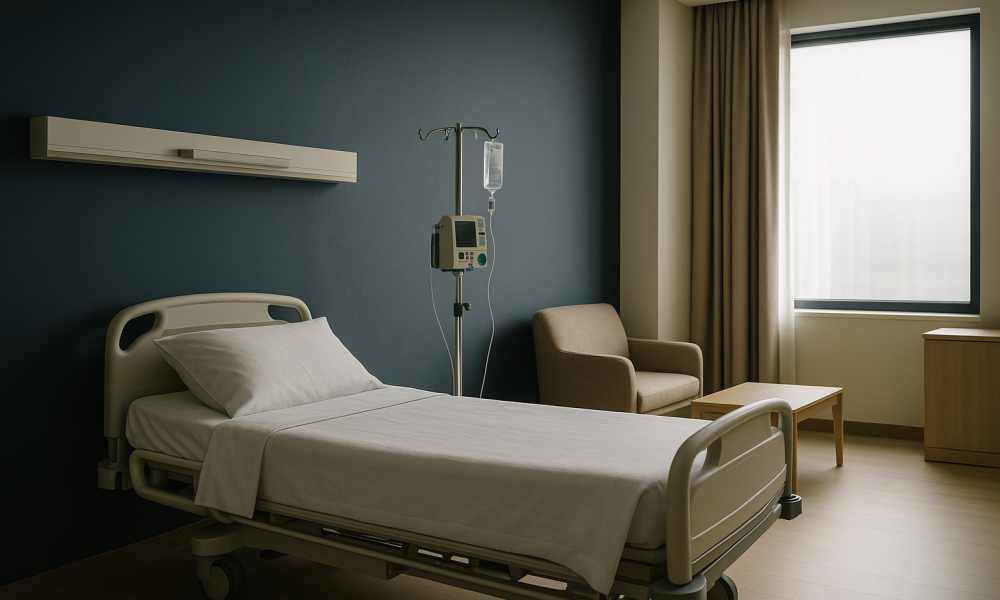
What Lung Cancer Treatment Abroad is and who it is for
Lung cancer treatment abroad, particularly in Turkey, offers patients access to advanced medical care and facilities that may not be readily available in their home country. This option is particularly appealing for individuals from the United Kingdom seeking timely and potentially cost-effective treatment. Turkey has emerged as a popular destination for medical tourism due to its state-of-the-art hospitals, highly qualified medical professionals, and competitive pricing. Lung cancer treatment in Turkey encompasses a range of procedures, including surgery, chemotherapy, radiation therapy, and targeted therapy, each tailored to the patient’s specific type and stage of cancer.
Turkey’s healthcare infrastructure is equipped to handle complex oncological cases, with many hospitals accredited by international bodies such as the Joint Commission International (JCI). These facilities offer cutting-edge technology and treatments that are on par with those available in Western countries. The medical teams in Turkey are often multilingual, with many specialists having trained or worked in Europe or the United States, which helps bridge any communication gaps and ensures a high level of care.
Patients considering lung cancer treatment abroad should be aware that the process involves several steps, including initial consultations, diagnostic tests, and the actual treatment phase. The duration and type of treatment will depend on various factors, such as the cancer’s stage and the patient’s overall health. Typically, a hospital stay of 7 to 10 days is required for surgical interventions, while other treatments like chemotherapy may involve multiple outpatient visits over a period of weeks or months.
Cost is a significant factor for many patients choosing to seek treatment abroad. In Turkey, the cost of lung cancer treatment can range from £5,000 to £15,000, depending on the complexity and type of treatment. This is often considerably lower than the costs in the UK, making it an attractive option for many patients. However, it is crucial to consider additional expenses, such as travel, accommodation, and aftercare, when planning for treatment abroad.
Are you a good candidate?
Deciding to undergo lung cancer treatment abroad is a significant decision that requires careful consideration of various factors. Not every patient will be suitable for treatment in another country, and it’s essential to evaluate your personal circumstances and health status. Here are some criteria that can help determine if you are a good candidate for lung cancer treatment in Turkey:
- Medical Assessment: Have you received a thorough medical evaluation confirming your lung cancer diagnosis and the stage of your disease?
- Health Status: Are you in adequate general health to travel and undergo treatment abroad? This includes having stable underlying health conditions.
- Type and Stage of Cancer: Is your type and stage of lung cancer suitable for the treatments available in Turkey? Some advanced stages may require specific treatments not available everywhere.
- Financial Considerations: Do you have the financial means to cover the cost of treatment, travel, and accommodation? It’s vital to budget for unexpected expenses.
- Support System: Do you have a support network that can assist you during your treatment abroad, either by traveling with you or offering remote support?
- Language and Cultural Comfort: Are you comfortable navigating a healthcare system in a different language and culture? Many Turkish hospitals offer services in English, but it’s important to consider any potential language barriers.
Before making a decision, it is advisable to consult with your current healthcare provider in the UK to discuss the feasibility and safety of seeking treatment abroad. They can offer guidance based on your medical history and current health status. Additionally, reaching out to the hospitals in Turkey for initial consultations can provide more personalized information and help you make an informed decision.
The procedure, step by step
When considering lung cancer treatment in Turkey, understanding the procedure step by step can help alleviate fears and prepare you for what lies ahead. The treatment journey typically begins with a comprehensive evaluation and diagnosis.
- Initial Consultation: Upon arrival, you will have an in-depth consultation with an oncology specialist. This appointment involves reviewing your medical history, current condition, and previous diagnostic tests. The specialist may recommend additional tests such as CT scans, PET scans, or biopsies to confirm the diagnosis and determine the cancer stage.
- Treatment Planning: Based on the diagnostic results, a multidisciplinary team consisting of oncologists, radiologists, and surgeons will develop a personalised treatment plan. This plan may include surgery, chemotherapy, radiotherapy, or targeted therapy, depending on the cancer type, stage, and your overall health.
- Preoperative Preparation: Before any surgical procedure, preoperative tests such as blood work, pulmonary function tests, and cardiac evaluations are conducted. You will also receive advice on pre-surgery preparations, including dietary restrictions and medication adjustments.
- Surgical Procedure: If surgery is part of your treatment plan, it may involve a lobectomy, pneumonectomy, or wedge resection. The type of surgery depends on the tumour’s location and size. The procedure typically lasts between 2 to 6 hours under general anaesthesia, with the surgical team monitoring your vital signs throughout.
- Postoperative Care: After surgery, you will be transferred to a recovery room and later to a specialised oncology ward. Pain management is a priority, and you may receive medications through an intravenous line. The medical team will closely monitor your recovery, ensuring your lung function and vital signs remain stable.
- Adjuvant Therapy: Depending on the pathology results post-surgery, you might require additional treatments such as chemotherapy or radiotherapy to target any remaining cancer cells. These therapies are tailored to your specific needs and are administered over several weeks.
- Follow-up and Monitoring: Regular follow-up appointments are crucial to monitor your recovery and detect any signs of recurrence. These appointments may include physical exams, imaging tests, and blood tests. The frequency of follow-ups will decrease over time as you recover.
Recovery timeline
Recovering from lung cancer treatment is a gradual process that varies for each individual. Understanding the typical recovery timeline can help set realistic expectations and ensure you receive the necessary care during this period.
| Period | What to expect | Care notes |
|---|---|---|
| Day 1 | Immediate postoperative recovery; expect drowsiness and discomfort. | Pain management is crucial; follow prescribed medication schedules. |
| Days 2-4 | Increased mobility and transfer to a regular ward; pain and fatigue may persist. | Encouragement to walk short distances; breathing exercises initiated. |
| Week 1 | Discharge from hospital if stable; moderate pain and fatigue. | Adhere to follow-up appointments and continue prescribed exercises. |
| Weeks 2-4 | Gradual improvement in energy levels; mild discomfort may remain. | Continue physical therapy exercises; consult for any unusual symptoms. |
| Month 1-3 | Significant recovery progress; return to light activities. | Regular follow-up appointments; monitor for any signs of complications. |
| Month 3-6 | Potential return to normal activities; ongoing fatigue may persist. | Continued monitoring and lifestyle adjustments as advised by your healthcare team. |
| Month 6-12 | Full recovery expected; ongoing surveillance for recurrence. | Annual check-ups and imaging tests; maintain a healthy lifestyle. |
Recovery is a personal journey, and the timelines may vary based on individual factors such as age, overall health, and the extent of the surgery. It is essential to maintain open communication with your healthcare provider to address any concerns and adjust your recovery plan as needed.
What it costs: Turkey vs the United Kingdom
When considering lung cancer treatment abroad, understanding the cost differences between Turkey and the United Kingdom can be crucial for decision-making. It is important to note that the figures provided below are indicative and can vary depending on the specifics of the treatment plan, the healthcare provider, and the individual patient’s needs.
| Treatment Component | Turkey (Indicative Range in GBP) | United Kingdom (Indicative Range in GBP) |
|---|---|---|
| Initial Consultation and Diagnostic Tests | £300 – £600 | £500 – £1,200 |
| Surgical Intervention (e.g., Lobectomy) | £4,000 – £7,000 | £10,000 – £15,000 |
| Chemotherapy (per cycle) | £500 – £1,200 | £1,500 – £3,000 |
| Radiotherapy (complete course) | £2,500 – £4,500 | £5,000 – £8,000 |
| Targeted Therapy (per session) | £1,000 – £2,500 | £2,000 – £4,000 |
| Follow-up Care and Monitoring | £200 – £500 | £400 – £800 |
Packages in Turkey often include additional services that are not typically bundled in the UK. These can encompass airport transfers, accommodation arrangements, and dedicated patient coordinators who assist with logistics and language barriers. Moreover, many Turkish hospitals offer packages that cover both pre-operative and post-operative care, providing a more comprehensive approach to treatment management.
It is also worth noting that the cost of living in Turkey is generally lower than in the UK, which can contribute to reduced accommodation and daily expenses during the treatment period. This can be particularly beneficial for patients who may require extended stays for recovery or follow-up appointments.
Ultimately, while the cost is a significant factor, it is essential to weigh it alongside the quality of care, the credentials of the medical team, and the overall reputation of the healthcare provider. Prospective patients should seek detailed quotes and clarify what is included in the treatment packages to avoid unexpected expenses.
Risks and how accredited providers manage them
Undergoing lung cancer treatment abroad, like any medical intervention, involves risks. These can range from surgical complications to the challenges of managing post-treatment care far from home. However, accredited providers in Turkey have established rigorous protocols to mitigate these risks and ensure patient safety.
One of the primary risks associated with lung cancer treatment is surgical complications, which can include infection, bleeding, or adverse reactions to anaesthesia. Accredited hospitals in Turkey adhere to international standards of care and hygiene, significantly reducing the likelihood of such complications. They employ highly trained surgical teams who are experienced in handling complex procedures, and they utilise state-of-the-art technology to enhance surgical precision and outcomes.
Another concern for international patients is the potential for communication barriers. To address this, many Turkish healthcare providers offer multilingual support, ensuring clear and effective communication between patients and medical staff. This includes the availability of translators and patient coordinators who can assist with language needs throughout the treatment process.
Post-treatment care and follow-up are critical components of lung cancer management, especially for patients travelling from abroad. Accredited providers in Turkey offer comprehensive aftercare plans, which may include regular follow-up appointments and remote consultations via telemedicine. This ensures continuity of care and allows patients to receive expert advice even after returning home.
Moreover, Turkish hospitals often collaborate with international insurance companies, facilitating smoother financial transactions and coverage for unforeseen circumstances. Patients are encouraged to discuss their insurance options and understand the extent of coverage before commencing treatment.
Accredited providers also focus on personalised care, tailoring treatment plans to suit the individual needs of each patient. This personalised approach helps in identifying potential risks early and adapting treatment strategies accordingly. Regular monitoring and assessment help in managing any emerging complications promptly, thus enhancing patient safety and treatment efficacy.
In conclusion, while risks are inherent in any medical treatment, accredited providers in Turkey are well-equipped to manage them effectively. Prospective patients should engage in thorough research and consult with multiple providers to ensure they choose a reputable facility that aligns with their medical and personal needs.
How to choose the right provider
Choosing the right lung cancer treatment provider in Turkey is a critical step towards ensuring the best possible care. Several factors should be considered, including accreditation, surgeon experience, aftercare services, and potential red flags.
Accreditation: Look for hospitals accredited by international bodies such as the Joint Commission International (JCI) or the European Society for Medical Oncology (ESMO). These accreditations indicate that the facility meets global standards of healthcare quality and patient safety.
Surgeon Experience: The expertise of the surgical team is crucial. Research the qualifications and experience of the surgeons, particularly their specialisation in thoracic surgery or oncology. It’s advisable to select surgeons who have performed a high number of lung cancer procedures, ideally with a focus on minimally invasive techniques which can reduce recovery time and complications.
Aftercare: Comprehensive aftercare is essential for recovery. Ensure the provider offers a detailed aftercare plan, including in-hospital recovery, rehabilitation services, and follow-up consultations. Some hospitals offer telemedicine services, allowing you to maintain contact with your Turkish medical team once you return home.
Red Flags: Be cautious of providers making unrealistic promises or guarantees about treatment outcomes. Transparency about potential risks and complications is a sign of a reputable provider. Avoid clinics that pressure you into making quick decisions or require large upfront payments without detailed information on services included.
In conclusion, thorough research and careful consideration can help you select a provider that not only meets your medical needs but also provides a supportive and professional healthcare environment.
Planning your trip
Planning a trip for lung cancer treatment in Turkey involves several key steps to ensure a smooth experience. This includes understanding the timeline before travel, preparing necessary documents, estimating the length of stay, and arranging follow-up care at home.
Timeline Before Travel: Begin planning at least three months in advance. This timeframe allows for thorough research, consultations, and securing appointments. It also provides sufficient time to arrange travel documents and accommodations.
Documents: Ensure your passport is valid for at least six months beyond your planned return date. You may need a medical visa, depending on your treatment length and nationality. Obtain a detailed medical report from your UK doctor, which should include your diagnosis, treatment history, and any special requirements.
Length of Stay: The typical hospital stay for lung cancer surgery in Turkey can range from 7 to 14 days, depending on the complexity of the procedure and your recovery rate. Plan for an additional week to accommodate pre-surgery consultations and initial recovery, making the total stay approximately 2 to 3 weeks.
Follow-up at Home: Arrange for follow-up care with your GP or oncologist in the UK before you travel. Share the treatment plan and expected outcomes with them to ensure continuity of care. Some Turkish hospitals offer remote follow-up services, which can be a convenient way to stay connected with your treatment team after returning home.
By carefully planning each aspect of your medical trip, you can focus on your treatment and recovery with peace of mind, knowing that logistical details are well-managed.
Frequently Asked Questions
What are the typical costs for lung cancer surgery in Turkey?
The cost for lung cancer surgery in Turkey can vary widely depending on the type of procedure and the hospital. Generally, prices range from £7,000 to £15,000. This is an indicative range and includes the surgery, hospital stay, and initial consultations. Ensure you receive a detailed quote before making any commitments.
Are Turkish hospitals safe for cancer treatment?
Turkish hospitals that are accredited by international bodies like the Joint Commission International are considered safe and meet high standards of care. These institutions follow stringent protocols for patient safety and treatment quality, making them a viable option for cancer treatment abroad.
How experienced are Turkish surgeons in treating lung cancer?
Many Turkish surgeons are highly experienced in treating lung cancer, often specialising in minimally invasive techniques. It’s important to verify the surgeon’s credentials and ask about their experience with lung cancer procedures specifically. Reputable hospitals will provide detailed information on their surgical teams.
What should I know about aftercare following lung cancer treatment in Turkey?
Aftercare is crucial for recovery. Turkish hospitals typically offer comprehensive aftercare plans, which include in-hospital recovery, rehabilitation services, and follow-up consultations. Some may also provide telemedicine services for continued support once you return home.
How long should I plan to stay in Turkey for lung cancer treatment?
For lung cancer surgery, plan to stay in Turkey for about 2 to 3 weeks. This includes time for pre-surgery consultations, the surgery itself, and initial recovery. The exact duration will depend on your specific treatment plan and recovery progress.
What documents do I need to bring for treatment in Turkey?
You will need a valid passport, potentially a medical visa, and a comprehensive medical report from your UK doctor detailing your diagnosis and treatment history. It’s important to confirm these requirements with your chosen medical provider in Turkey.
Is it possible to have follow-up care in the UK after treatment in Turkey?
Yes, it is possible and recommended to arrange follow-up care with your GP or oncologist in the UK. Ensure they are informed about your treatment plan in Turkey to provide seamless continuity of care. Some Turkish hospitals also offer remote follow-up consultations.
How can I verify the accreditation of a Turkish hospital?
You can verify a hospital’s accreditation by checking with international accreditation bodies like the Joint Commission International or directly on the hospital’s website. Accredited hospitals often display their certifications prominently as a testament to their quality of care.
Are there any red flags to watch out for when choosing a treatment provider?
Yes, be wary of providers that make unrealistic promises or pressure you into quick decisions. Lack of transparency about treatment risks, costs, and outcomes is another red flag. Always opt for providers who are open and honest about all aspects of care.
What is the process for obtaining a medical visa for Turkey?
The process for obtaining a medical visa can vary based on your nationality and the length of your stay. Typically, you will need to apply through the Turkish consulate or embassy in your country, providing medical documentation and details of your treatment plan.
How far in advance should I plan my trip for treatment?
It’s advisable to start planning your trip at least three months in advance. This allows ample time for researching providers, securing appointments, arranging travel documents, and preparing for your stay in Turkey.
Will language be a barrier during my treatment in Turkey?
Language is generally not a barrier at major hospitals in Turkey, as many employ English-speaking staff or offer translation services. It’s always a good idea to confirm language support options with your chosen provider to ensure effective communication.