
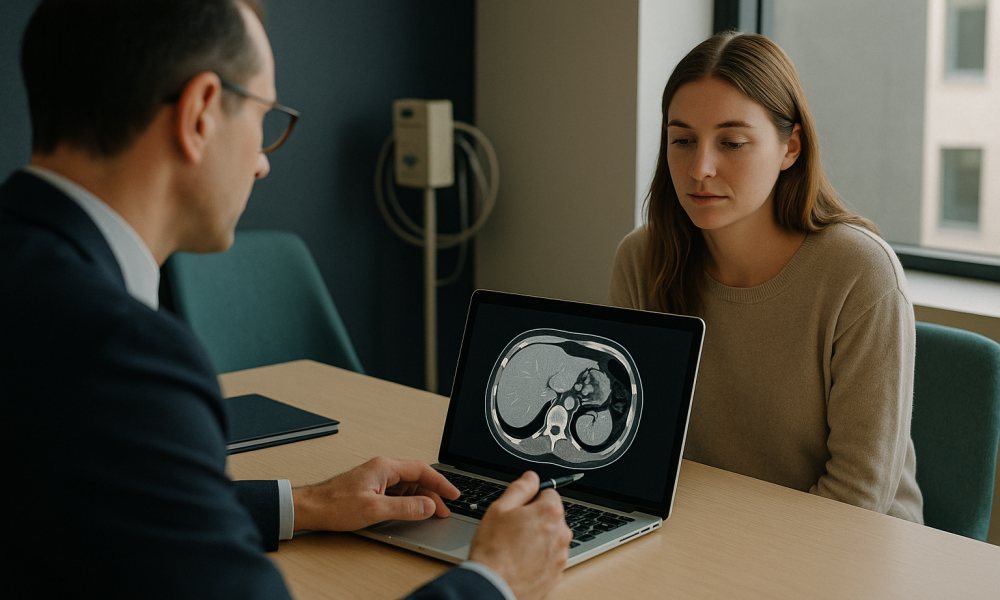
What Liver Cancer Treatment Abroad is and who it is for
Liver cancer treatment in Turkey offers a compelling opportunity for patients from Australia seeking effective medical care combined with the advantages of international travel. Turkey is renowned for its advanced medical infrastructure, highly skilled healthcare professionals, and cost-effective treatment options. Liver cancer, which can manifest as hepatocellular carcinoma or cholangiocarcinoma, requires a comprehensive treatment plan that may include surgery, chemotherapy, radiotherapy, or targeted therapies. These treatments aim to remove or reduce tumours, manage symptoms, and improve the patient’s quality of life.
Turkey’s healthcare facilities are equipped with state-of-the-art technology and adhere to international healthcare standards, ensuring that patients receive top-notch medical care. The country’s strategic location, bridging Europe and Asia, makes it accessible for international patients. Furthermore, many Turkish hospitals have international patient departments staffed with multilingual professionals who cater specifically to the needs of overseas patients, offering services such as translation, accommodation arrangements, and logistical support.
One of the key advantages of seeking liver cancer treatment in Turkey is the potential cost savings. For Australian patients, treatment costs in Turkey can be significantly lower than those in Australia, with indicative costs ranging from £11,000 to £20,000, depending on the complexity of the treatment and the healthcare facility chosen. This affordability, coupled with high-quality care, makes Turkey an attractive destination for liver cancer treatment.
Additionally, Turkey offers the opportunity for patients and their families to explore its rich cultural heritage, stunning landscapes, and vibrant cities, turning a medical trip into a holistic experience. This blend of medical excellence and cultural exploration can be beneficial for the emotional and psychological well-being of patients undergoing treatment.
Are you a good candidate?
Determining whether you are a good candidate for liver cancer treatment abroad involves several key considerations. The decision should be made in consultation with your healthcare provider in Australia, who can provide valuable insights into your specific medical needs and the suitability of treatment options available in Turkey.
Here are some criteria to help assess your candidacy for liver cancer treatment in Turkey:
- Diagnosis: You have been diagnosed with liver cancer, specifically hepatocellular carcinoma or cholangiocarcinoma, and are seeking treatment options beyond what is available locally.
- Stage of Cancer: The stage of your cancer is such that treatment abroad is viable and potentially beneficial. Advanced stages may require more complex interventions that are available in Turkey.
- Overall Health: Your general health is stable enough to travel internationally and undergo medical procedures. This includes having no severe comorbid conditions that might complicate surgery or treatment.
- Financial Considerations: You have the financial resources or insurance coverage to manage the costs of treatment, travel, and accommodation in Turkey. Understanding the indicative cost range of £11,000 to £20,000 is crucial.
- Support System: You have a support network, whether family or friends, who can accompany you or assist you during your treatment and recovery period abroad.
- Legal and Logistical Preparedness: You have the necessary travel documentation and are prepared to manage the logistical aspects of international medical travel, including visas and travel insurance.
- Emotional Readiness: You are emotionally prepared for the challenges of undergoing treatment in a foreign country, which may include language barriers and cultural differences.
It is essential to engage in thorough discussions with both your local healthcare team and potential providers in Turkey to ensure that treatment abroad aligns with your medical needs and personal circumstances. This careful consideration will help you make an informed decision about pursuing liver cancer treatment in Turkey.
The procedure, step by step
Undergoing treatment for liver cancer in Turkey involves several carefully orchestrated steps, designed to ensure the best possible outcome. The approach to treatment is multidisciplinary, often involving a team of specialists including oncologists, surgeons, radiologists, and support staff. Here’s a detailed look at the process:
- Initial Consultation and Assessment: Upon arrival in Turkey, patients will typically have an initial consultation with a medical team. This involves a comprehensive review of the patient’s medical history, current health status, and previous treatment records. Diagnostic tests such as blood tests, imaging scans (CT, MRI, or PET scans), and possibly a liver biopsy are performed to confirm the diagnosis and stage of liver cancer.
- Treatment Planning: Based on the initial assessment, a customised treatment plan is developed. This plan may include surgery, chemotherapy, radiation therapy, targeted therapy, or a combination of these. The choice of treatment depends on the type, size, and stage of the tumour, as well as the patient’s overall health.
- Pre-operative Preparation: If surgery is part of the treatment plan, pre-operative preparations are necessary. This includes fasting for a specified period, undergoing additional tests to ensure fitness for surgery, and meeting with an anaesthesiologist to discuss anaesthesia options.
- The Surgical Procedure: For patients undergoing surgery, the procedure may involve a partial hepatectomy (removal of the tumour and some surrounding liver tissue) or a liver transplant in more advanced cases. The surgery is performed under general anaesthesia and can take several hours, depending on the complexity.
- Post-operative Care: After surgery, patients are closely monitored in a recovery room before being transferred to a hospital ward. Pain management, monitoring of vital signs, and prevention of complications such as infections or bleeding are critical aspects of post-operative care.
- Adjuvant Therapy: Depending on the surgical outcome, additional treatments like chemotherapy or radiation therapy may be recommended to eliminate any remaining cancer cells and reduce the risk of recurrence.
- Follow-up and Monitoring: Regular follow-up appointments are essential to monitor recovery and detect any signs of recurrence early. This typically involves regular blood tests and imaging studies.
Recovery timeline
Recovery after liver cancer treatment is a gradual process that varies depending on the type of treatment received, the patient’s overall health, and the presence of any complications. Here is a general timeline of what patients can expect:
| Period | What to expect | Care notes |
|---|---|---|
| Day 1-3 | Patients typically remain in the hospital for close monitoring. Pain and discomfort are common, and patients may feel drowsy due to anaesthesia effects. | Pain management is crucial. Patients are encouraged to start moving gently to prevent blood clots, with assistance from the medical team. |
| Day 4-7 | Patients may start to feel more alert and mobile. Gradual introduction of light activities is encouraged. | Continue with prescribed pain relief and follow dietary recommendations. It is important to avoid heavy lifting and strenuous activities. |
| Week 2-4 | Most patients are discharged from the hospital and return to their accommodation. Stamina begins to improve, but fatigue is still common. | Attend follow-up appointments and continue with any recommended therapies. Maintain a balanced diet to support healing. |
| Month 1-3 | Significant improvement in energy levels and physical activity can be resumed gradually. Monitoring for any signs of complications is ongoing. | Patients should adhere to medical advice regarding physical activity and lifestyle changes. Regular check-ups are crucial during this period. |
| Month 4-6 | Most patients experience a return to near-normal activity levels. Some may continue to experience mild fatigue. | Continue with regular medical reviews and follow any ongoing treatment plans. Psychological support may be beneficial to help adjust to post-treatment life. |
| Full recovery (6-12 months) | Patients are usually fully recovered and can resume normal activities. Long-term follow-up is necessary to monitor for recurrence. | Maintain a healthy lifestyle to support liver function and overall health. Attend all scheduled follow-up appointments. |
What it costs: Turkey vs Australia
When considering liver cancer treatment abroad, cost is a significant factor for many patients. Turkey has emerged as a popular destination for medical tourism, offering advanced healthcare services at competitive prices. It is essential to understand that the figures provided are indicative and can vary based on the specific hospital, the complexity of the treatment, and the individual patient’s needs.
In Australia, the cost of liver cancer treatment can be considerably high, reflecting the country’s advanced healthcare system and high living standards. Patients can expect to pay for consultations, diagnostic tests, surgery, chemotherapy, and follow-up care. The financial burden can be substantial, even with insurance coverage.
In Turkey, the cost of liver cancer treatment is generally lower, which can be attributed to lower operational costs and favourable exchange rates. Below is a comparison of indicative price ranges between Turkey and Australia:
| Type of Treatment | Turkey (Indicative Range) | Australia (Indicative Range) |
|---|---|---|
| Initial Consultation | £100 – £200 | £200 – £400 |
| Comprehensive Diagnostic Tests | £500 – £1,000 | £1,000 – £2,500 |
| Surgical Treatment | £8,000 – £15,000 | £15,000 – £30,000 |
| Chemotherapy (per cycle) | £1,000 – £2,000 | £2,000 – £4,000 |
| Follow-up Care (per visit) | £100 – £200 | £200 – £400 |
These figures are indicative and can vary significantly based on the patient’s condition and the complexity of the treatment required. In Turkey, many healthcare providers offer comprehensive packages that include accommodation, transportation, and even post-operative care, which can further enhance the value for international patients.
It is crucial for patients to engage in thorough research and direct communication with healthcare providers to obtain detailed cost estimates tailored to their specific medical needs. This approach ensures clarity and aids in financial planning for treatment abroad.
Risks and how accredited providers manage them
Undergoing liver cancer treatment abroad involves inherent risks, as with any medical procedure. It is vital for patients to be aware of these risks and understand how accredited healthcare providers in Turkey manage them to ensure patient safety and successful outcomes.
Common risks associated with liver cancer treatment include infection, bleeding, complications from anaesthesia, and potential side effects from chemotherapy or radiation therapy. Additionally, the complexity of liver surgery can lead to specific risks such as liver failure or bile duct complications. Accredited providers in Turkey are well-equipped to manage these risks through stringent protocols and advanced medical technology.
Accredited hospitals in Turkey, often certified by international bodies such as the Joint Commission International (JCI), adhere to high standards of medical care. These facilities employ highly trained specialists and utilise state-of-the-art equipment to minimise risks during and after treatment.
- Pre-operative Assessment: Comprehensive pre-operative assessments are conducted to evaluate the patient’s overall health, liver function, and suitability for surgery or other treatments. This step is crucial for identifying potential risk factors and planning the safest approach.
- Infection Control: Accredited hospitals maintain rigorous infection control protocols, including sterilisation of surgical instruments and adherence to hygiene standards, to minimise the risk of post-operative infections.
- Multidisciplinary Approach: A team of specialists, including oncologists, surgeons, anaesthetists, and nurses, collaborate to develop and execute a personalised treatment plan. This multidisciplinary approach ensures comprehensive care and management of any complications that may arise.
- Post-operative Care: Continuous monitoring and follow-up care are integral to managing risks after treatment. Accredited providers offer robust post-operative care plans, which include regular check-ups, rehabilitation services, and support for managing side effects.
- Patient Education: Educating patients about potential risks and how to recognise symptoms of complications is an essential part of the treatment process. Empowered patients can seek timely medical attention if needed, reducing the likelihood of severe complications.
While no medical procedure is without risks, choosing an accredited healthcare provider in Turkey can significantly mitigate these risks. Patients are encouraged to discuss all concerns with their healthcare team and ensure they understand the risk management strategies in place. This proactive approach helps in making informed decisions and contributes to a safer treatment journey.
How to choose the right provider
Choosing the right provider for liver cancer treatment in Turkey involves several important considerations. Accreditation is a crucial factor, as it ensures that the healthcare facility meets international standards. Look for hospitals accredited by the Joint Commission International (JCI) or other recognised bodies. Such accreditations reflect compliance with rigorous healthcare standards, covering patient safety, quality of care, and organisational management.
Surgeon experience is another critical aspect. Research the qualifications of the surgical team, particularly their experience in hepatobiliary surgery. Surgeons with a track record in liver cancer procedures and those who have trained in globally renowned institutions often provide higher confidence. Enquire about the number of liver surgeries performed annually by the team, as higher volumes can be indicative of expertise.
Aftercare services are vital for recovery and long-term health. Ensure that the provider offers comprehensive postoperative care, including pain management, nutritional support, and regular follow-up consultations. Access to multidisciplinary teams, including oncologists, nutritionists, and physiotherapists, can greatly enhance recovery outcomes.
When evaluating potential providers, be vigilant for red flags. These can include lack of transparency in treatment plans, unclear pricing structures, or pressure to commit quickly. A reputable provider will offer clear, detailed information and encourage you to ask questions.
Ensure the facility has state-of-the-art equipment and employs advanced techniques such as minimally invasive surgery, which can lead to faster recovery and fewer complications. Consider patient testimonials and reviews, but weigh these alongside professional assessments to form a balanced view.
Planning your trip
Planning your medical trip to Turkey for liver cancer treatment requires careful preparation. Start by consulting with your local healthcare provider to obtain a comprehensive medical report, including your diagnosis, treatment history, and any ongoing medications. This documentation is essential for your Turkish healthcare provider to tailor an appropriate treatment plan.
Begin your planning at least two to three months before your intended departure. This timeline allows for consultations, visa applications, and any necessary travel vaccinations. Ensure your passport is valid for at least six months beyond your planned return date.
Prepare a list of necessary documents: medical records, passport, visa, travel insurance details, and any correspondence with your chosen Turkish healthcare provider. It’s advisable to have both physical and digital copies of these documents.
The typical length of stay for liver cancer treatment varies depending on the procedure and recovery time. For surgical interventions, anticipate a stay of 2 to 4 weeks, including preoperative assessments and postoperative care. Non-surgical treatments like chemotherapy or radiotherapy may require shorter stays but could necessitate multiple visits.
Coordinate with your healthcare provider in Turkey to schedule follow-up appointments. Discuss how aftercare will be managed upon your return to Australia. This may involve remote consultations or collaborating with your local healthcare team.
Consider the logistics of travel, including flights to major Turkish cities like Istanbul or Ankara. Investigate accommodation options near your treatment centre, focusing on those that offer medical tourism packages, which may include transportation and language assistance. Research local customs and healthcare norms to ensure a comfortable stay.
Frequently Asked Questions
What accreditations should a Turkish hospital have?
Look for hospitals accredited by the Joint Commission International (JCI), which is recognised globally for ensuring compliance with international healthcare standards. Other reputable accreditations include ISO and national Turkish healthcare certifications. These accreditations indicate a commitment to quality care and patient safety.
How do I verify a surgeon's experience in Turkey?
You can verify a surgeon's experience by checking their credentials, including their education, training, and professional affiliations. Ask about the number of liver surgeries they perform annually and request patient testimonials or case studies. Many hospitals provide this information on their websites or through patient coordinators.
What is the typical cost range for liver cancer treatment in Turkey?
The typical cost range for liver cancer treatment in Turkey can vary significantly depending on the treatment type. Surgical procedures may range from £10,000 to £25,000, while chemotherapy or radiotherapy sessions might cost between £2,000 and £7,000. These figures are indicative and can fluctuate based on specific needs and hospital policies.
How long should I plan to stay in Turkey for liver surgery?
For liver surgery, plan for a stay of 2 to 4 weeks. This includes preoperative assessments, the surgery itself, and postoperative recovery time. Each case is unique, so consult with your healthcare provider for a personalised timeline based on your specific treatment plan and recovery needs.
Are there language barriers in Turkish hospitals?
Many Turkish hospitals catering to international patients employ English-speaking staff or offer language translation services. It's advisable to confirm this before travelling. Additionally, some hospitals provide patient coordinators who can assist with communication and logistical arrangements during your stay.
What should I include in my medical travel documents?
Include your complete medical history, current diagnosis, treatment records, and any medications you are taking. Also, bring your passport, visa, travel insurance details, and any correspondence with your chosen Turkish healthcare provider. Having both physical and digital copies is recommended.
Is Turkey a safe destination for medical travel?
Turkey is considered a safe destination for medical travel, with many hospitals offering high-quality care. However, it's important to stay informed about current travel advisories and take standard precautions, such as securing your belongings and being aware of your surroundings, especially in busy urban areas.
How does aftercare work once I return to Australia?
Aftercare typically involves follow-up consultations, which may be conducted remotely or in collaboration with your local healthcare provider. It's important to coordinate with both your Turkish and Australian healthcare teams to ensure seamless continuity of care and address any post-treatment concerns promptly.
What are the red flags when choosing a healthcare provider?
Red flags include a lack of transparency in treatment plans, unclear pricing, pressure to make quick decisions, and poor communication. Reputable providers will offer detailed information, allow time for decision-making, and have clear, upfront pricing structures. Always seek second opinions if unsure.
Can I combine my medical trip with a holiday in Turkey?
While it is possible to combine treatment with leisure activities, it's crucial to prioritise your health and recovery. Consult with your healthcare provider about any planned excursions, as your physical condition post-treatment may limit certain activities. Ensure you have adequate rest and follow medical advice.
What type of follow-up is required after liver cancer treatment?
Follow-up care typically includes regular monitoring through blood tests, imaging studies, and consultations to check for recurrence or complications. Your healthcare provider will outline a specific follow-up schedule tailored to your treatment and recovery progress, which may include both in-person and remote consultations.
How can I manage the costs of treatment abroad?
Consider purchasing comprehensive travel insurance that covers medical expenses abroad. Some patients explore financing options through medical loans or payment plans offered by hospitals. Additionally, compare treatment packages and look for hospitals offering fixed-price packages to better manage costs.