
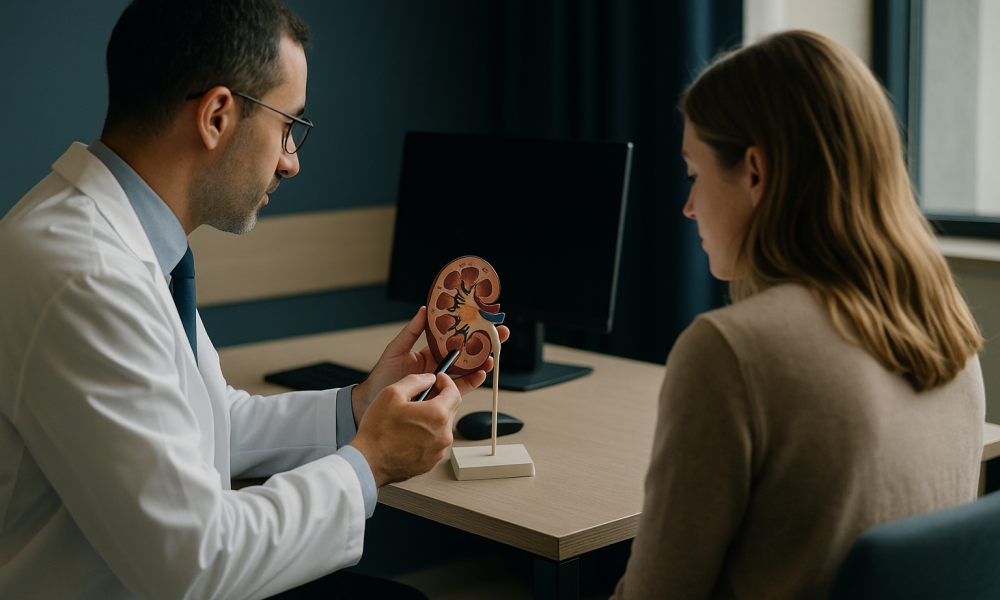
What Kidney Stone Treatment Abroad is and who it is for
Kidney stones are hard deposits of minerals and salts that form inside your kidneys. While they can be painful, they are treatable. For those considering treatment abroad, Turkey offers a range of modern medical facilities equipped with state-of-the-art technology and staffed by experienced healthcare professionals. This makes Turkey an attractive destination for international patients seeking cost-effective and high-quality medical care.
Kidney stone treatment in Turkey encompasses various procedures, from non-invasive options like Extracorporeal Shock Wave Lithotripsy (ESWL) to more invasive surgical procedures such as Ureteroscopy (URS) and Percutaneous Nephrolithotomy (PCNL). The choice of treatment depends on the size, type, and location of the kidney stone, as well as the patient’s overall health.
ESWL is often used for small to medium-sized stones and involves using shock waves to break the stones into smaller pieces that can be passed naturally. URS is more suitable for stones located in the ureter and involves the use of a thin scope to locate and remove the stone. PCNL is typically reserved for larger stones or when other methods are unsuitable; it involves making a small incision in the back to access and remove the stone.
Patients from the United States may find Turkey appealing not only due to its medical expertise but also because of the lower costs compared to treatment in the US. Indicative costs for kidney stone treatment range from $2,000 to $5,000, which is significantly lower than the average costs in the US. Additionally, the proximity to Europe allows for easy travel, and the country is known for its hospitality and rich cultural heritage, which can make the experience more comfortable and enriching.
Are you a good candidate?
Determining if you are a good candidate for kidney stone treatment abroad involves several considerations. First and foremost, you should have a confirmed diagnosis of kidney stones, typically established through imaging tests such as an ultrasound, CT scan, or X-ray. Understanding the nature of your kidney stones is crucial, as it influences the treatment options available to you.
- Size and Type of Stone: Smaller stones may be treated with non-invasive methods, while larger stones might require surgical intervention.
- Location of Stone: Stones located in different parts of the urinary tract may require different treatment approaches.
- Overall Health: Good general health is essential to undergo any medical procedure, and pre-existing conditions should be discussed with your healthcare provider.
- Travel Considerations: You must be comfortable with international travel and able to manage the logistical aspects, such as arranging flights and accommodations.
- Financial Preparedness: While treatment in Turkey is cost-effective, you should ensure you have the necessary funds for the procedure and associated travel expenses.
- Post-Treatment Care: Consider how you will manage follow-up care and recovery once you return home.
If you meet these criteria, you may be an excellent candidate for kidney stone treatment in Turkey. It’s important to consult with both your local healthcare provider and the medical team in Turkey to ensure that your specific needs and circumstances are thoroughly evaluated. This collaboration can help ensure a safe and effective treatment journey.
The procedure, step by step
Undergoing kidney stone treatment abroad, particularly in Turkey, involves several well-coordinated steps that ensure both the safety and comfort of the patient. Understanding these steps can help alleviate concerns and set realistic expectations.
- Initial Consultation and Diagnosis: Before any procedure, a thorough consultation is conducted. This typically involves a detailed review of medical history, lifestyle factors, and previous kidney stone incidents. Diagnostic tests such as blood tests, urine analysis, and imaging techniques like ultrasound or CT scans are employed to determine the size, location, and composition of the kidney stones.
- Pre-Operative Assessment: Once the decision to proceed with treatment is made, a pre-operative assessment is conducted. This includes evaluating the patient’s overall health to ensure they are fit for the procedure. Patients may be advised to stop certain medications, such as blood thinners, a few days before the procedure.
- Procedure Selection: Depending on the characteristics of the kidney stones, different procedures may be recommended. Common options include Extracorporeal Shock Wave Lithotripsy (ESWL), Ureteroscopy, and Percutaneous Nephrolithotomy (PCNL). Each procedure varies in terms of invasiveness and recovery time.
- Day of the Procedure: On the day of the procedure, patients are typically admitted to the hospital. For ESWL, which is non-invasive, patients lie on a table while shock waves are directed at the stones to break them into smaller fragments. For ureteroscopy, a thin scope is passed through the urinary tract to either remove or laser the stones. PCNL involves a small incision in the back to remove larger stones directly.
- Post-Procedure Monitoring: After the procedure, patients are taken to a recovery area where their vital signs are monitored closely. Pain management is a critical part of post-procedure care, and medications are provided as needed. The length of hospital stay can vary from a few hours for ESWL to one or two days for more invasive procedures like PCNL.
- Discharge and Follow-Up: Before discharge, patients receive detailed instructions on care at home. This includes guidelines on fluid intake, dietary adjustments, and activity restrictions. Follow-up appointments are scheduled to monitor recovery and ensure that the stones have been effectively treated.
Recovery timeline
Recovery from kidney stone treatment can vary based on the type of procedure performed. Here is a detailed timeline outlining what patients can expect during their recovery period:
| Period | What to expect | Care notes |
|---|---|---|
| Day 1 | Patients may experience mild discomfort or pain in the treated area. Some blood in the urine is common, especially after procedures like ureteroscopy or PCNL. | Pain management is crucial. Patients should take prescribed medications and stay hydrated to help flush out stone fragments. |
| Days 2-3 | Discomfort should gradually decrease. Activity levels can be increased slowly, but heavy lifting should be avoided. | Continue with pain medication as needed. Monitor urine for changes in colour or volume, and maintain a high fluid intake. |
| Week 1 | Most patients can resume normal activities, although some fatigue may persist. Any remaining stone fragments may pass naturally. | Attend any scheduled follow-up appointments. Report any persistent pain or signs of infection to a healthcare provider immediately. |
| Week 2-4 | Full recovery is typically achieved. Patients should feel a return to normal energy levels. | Adopt lifestyle changes recommended by your healthcare provider, such as dietary adjustments to prevent future stones. |
| Month 1 and beyond | Long-term recovery focuses on preventing recurrence. Regular check-ups may be advised to monitor kidney health. | Continue to follow preventive measures, including staying hydrated, maintaining a balanced diet, and monitoring for any symptoms of recurrence. |
Recovery can vary significantly between individuals, and it is important to follow the personalised advice of healthcare providers to ensure a smooth recovery process.
What it costs: Turkey vs the United States
When considering kidney stone treatment abroad, understanding the cost differences between Turkey and the United States can guide your decision-making process. Treatment costs can be significantly lower in Turkey, offering potential savings without compromising on quality. However, it’s essential to note that the figures provided here are indicative and can vary based on several factors such as the specific treatment required, the location and reputation of the healthcare facility, and any additional services included in the treatment package.
| Treatment | Indicative Cost in Turkey (USD) | Indicative Cost in the United States (USD) |
|---|---|---|
| Extracorporeal Shock Wave Lithotripsy (ESWL) | $1,500 – $3,000 | $10,000 – $20,000 |
| Ureteroscopy | $2,000 – $4,500 | $15,000 – $25,000 |
| Percutaneous Nephrolithotomy (PCNL) | $3,500 – $7,000 | $20,000 – $30,000 |
| Laser Lithotripsy | $2,500 – $5,000 | $12,000 – $22,000 |
These costs typically include the surgical procedure, hospital stay, anaesthesia, and basic post-operative care. In Turkey, treatment packages often extend beyond the surgery itself, possibly covering airport transfers, accommodation, and a personal treatment coordinator to assist with logistics and language barriers. In contrast, in the United States, costs are usually limited to the medical procedure and immediate hospital-related expenses, often excluding additional services that may be required.
While the lower costs in Turkey are attractive, patients should ensure that they receive a comprehensive breakdown of what is included in the package from their chosen healthcare provider. This helps avoid unexpected expenses and ensures that the treatment aligns with their expectations and medical needs. Always consult with the medical provider to understand any additional costs that might arise during the treatment process.
Risks and how accredited providers manage them
As with any medical procedure, kidney stone treatments carry certain risks. These can include infection, bleeding, injury to surrounding organs, and potential complications from anaesthesia. It’s crucial to acknowledge these risks when considering treatment abroad and choose a provider that prioritises patient safety and risk management.
In Turkey, many healthcare providers are accredited by international bodies such as the Joint Commission International (JCI). This accreditation ensures that facilities adhere to stringent international standards for patient care, safety, and quality. Accredited providers implement comprehensive risk management strategies to mitigate potential complications. These strategies include thorough pre-operative assessments, using state-of-the-art technology, and employing highly trained medical professionals.
Pre-operative assessments are vital in identifying any underlying conditions that may increase the risk of complications during or after the procedure. These assessments typically involve detailed medical history reviews, physical examinations, and necessary diagnostic tests. By identifying potential risk factors early, healthcare providers can tailor the treatment plan to address these issues effectively.
In addition to pre-operative care, accredited facilities in Turkey utilise advanced medical technologies that enhance the precision and safety of kidney stone treatments. For instance, minimally invasive techniques such as laser lithotripsy and ureteroscopy reduce the risk of complications compared to traditional surgical methods. These technologies allow for more accurate targeting of kidney stones, minimising damage to surrounding tissues and reducing recovery times.
Post-operative care is another critical component of risk management. Accredited providers ensure that patients receive comprehensive follow-up care, which includes monitoring for signs of infection, managing pain effectively, and providing guidance on lifestyle modifications to prevent future kidney stones. This holistic approach not only addresses immediate post-surgical needs but also contributes to long-term health outcomes.
It is also important for patients to engage actively in their care by asking questions and understanding the potential risks and benefits of their treatment options. Accredited providers in Turkey encourage open communication, allowing patients to make informed decisions about their healthcare. By choosing an accredited provider, patients can feel confident that their safety and well-being are at the forefront of their treatment plan.
How to choose the right provider
When considering kidney stone treatment abroad in Turkey, selecting the right healthcare provider is crucial to ensure a safe and effective experience. Begin your evaluation by verifying the accreditation of the hospital or clinic. Look for international accreditations such as JCI (Joint Commission International), which indicates adherence to global healthcare standards. Additionally, consider local Turkish Ministry of Health certifications, as these demonstrate compliance with national regulations.
The experience and expertise of the surgeon are paramount. Investigate the surgeon’s qualifications, including their educational background, years of practice, and specific experience with kidney stone treatments. Surgeons with additional training in urology or those who have completed fellowships in minimally invasive procedures may offer advanced care. Request information about the number of procedures they perform annually, as a higher volume often correlates with greater expertise.
Aftercare services are another vital component to consider. A comprehensive aftercare plan should include clear instructions for post-operative care, access to medical staff for questions or concerns, and scheduled follow-up appointments to monitor recovery. Some facilities offer telemedicine consultations, which can be particularly beneficial for international patients once they return home.
Be vigilant for red flags during your research. A lack of transparency regarding costs, qualifications, or facility accreditation should raise concerns. Additionally, avoid clinics that guarantee specific outcomes, as this is not medically ethical. Always ensure that communication is clear and that the facility is responsive to your inquiries. If language barriers arise, confirm the availability of translation services to facilitate clear communication throughout your treatment process.
Lastly, consider patient reviews and testimonials. While these can provide insight into previous patients’ experiences, they should be just one aspect of your decision-making process. Look for consistent themes in reviews, such as the quality of care, professionalism of staff, and overall satisfaction. By taking these steps, you can confidently choose a provider that aligns with your healthcare needs and expectations.
Planning your trip
Planning your trip for kidney stone treatment in Turkey involves several critical steps to ensure a seamless experience. Begin by establishing a timeline, ideally starting three to six months before your intended travel date. This allows ample time for research, consultations, and securing necessary documents.
First, consult with your primary healthcare provider in the United States to discuss your plans and obtain any required medical records. These records are essential for your Turkish healthcare provider to assess your case accurately. Additionally, ensure your passport is valid for at least six months beyond your planned stay, and verify whether you need a visa for entry into Turkey. U.S. citizens can often obtain an e-visa, which is a straightforward process.
Consider the typical length of stay required for kidney stone treatment, which may range from one to two weeks, depending on the complexity of the procedure and your recovery needs. Plan for a few days of rest prior to the procedure to acclimate to the local environment and time zone. Post-procedure, allow for adequate recovery time before traveling back home.
Prepare for your stay by booking accommodations close to your chosen healthcare facility. Many hospitals in Turkey offer assistance with travel logistics, including airport transfers and hotel recommendations. Ensure your accommodations are comfortable and convenient for both you and any accompanying family members or friends.
Discuss follow-up care with your healthcare provider before your trip. Some facilities provide detailed discharge plans, which may include dietary recommendations, medication schedules, and signs of complications to watch for. Additionally, arrange for follow-up appointments with your primary care physician in the U.S. to monitor your recovery and address any concerns.
Lastly, consider travel insurance that covers medical expenses abroad. This can be invaluable in case of unexpected complications or additional treatment needs. By carefully planning each aspect of your trip, you can focus on your recovery and enjoy the benefits of receiving high-quality medical care in Turkey.
Frequently Asked Questions
What is the typical cost range for kidney stone treatment in Turkey?
The cost of kidney stone treatment in Turkey can vary widely depending on the procedure and facility. On average, you might expect to pay between £2,000 and £5,000. This range is indicative and typically includes the procedure, hospital stay, and initial consultation fees. Always confirm with your chosen provider for a detailed breakdown of costs.
How safe is kidney stone treatment in Turkey?
Kidney stone treatment in Turkey is generally safe, especially when performed at accredited facilities by experienced surgeons. Hospitals with international accreditations, such as JCI, adhere to global safety standards. It's crucial to research and choose a reputable provider to ensure high-quality care and minimise risks.
Do I need a visa to travel to Turkey for medical treatment?
U.S. citizens often require a visa to enter Turkey for medical treatment. Fortunately, you can easily obtain an e-visa online before your trip. Ensure your passport is valid for at least six months beyond your planned stay, and check the latest entry requirements as they can change.
How long should I plan to stay in Turkey for the procedure?
The typical stay for kidney stone treatment in Turkey ranges from one to two weeks. This period includes pre-operative consultations, the procedure itself, and a recovery period to ensure you are fit to travel back home. The exact duration may vary based on your specific treatment plan and recovery needs.
What documents should I bring with me for treatment?
You should bring your passport, visa confirmation, and any relevant medical records, including recent test results and imaging related to your kidney stones. These documents will assist your Turkish healthcare provider in assessing your condition accurately and planning your treatment.
Can I travel alone for my kidney stone treatment in Turkey?
While it's possible to travel alone, it's recommended to have a companion for support during your treatment and recovery. They can assist with logistics, communicate with healthcare staff, and provide emotional support. Some clinics also offer assistance services for solo travellers.
What kind of aftercare can I expect in Turkey?
Aftercare in Turkey often includes detailed discharge instructions, follow-up appointments, and access to medical staff for any post-operative concerns. Some facilities offer telemedicine services for international patients, which can be beneficial for ongoing care once you return home.
Are there language barriers in Turkish hospitals?
Many hospitals in Turkey catering to international patients have multilingual staff or offer translation services. It's advisable to confirm the availability of English-speaking staff or translators to ensure effective communication throughout your treatment process.
How can I verify the credentials of a Turkish surgeon?
You can verify a surgeon's credentials by checking their educational background, professional affiliations, and experience in performing kidney stone treatments. Reputable hospitals often provide this information on their websites. Additionally, international accreditations like JCI ensure adherence to high standards.
What if I experience complications after returning home?
If you experience complications after returning home, contact your healthcare provider in Turkey for guidance. Many offer telemedicine consultations to address post-operative issues. Also, schedule a follow-up appointment with your local primary care physician to ensure continued care.
Does my health insurance cover treatment abroad?
Coverage for treatment abroad varies by insurance provider. Some insurers may cover part of the costs, especially if the treatment is medically necessary. It's important to discuss your plans with your insurance company and explore additional travel insurance options that cover medical expenses abroad.
What are the payment options for treatment in Turkey?
Payment options for kidney stone treatment in Turkey typically include credit cards, bank transfers, and sometimes cash. Confirm the accepted payment methods with your chosen healthcare provider beforehand. It's also advisable to inquire about any deposit requirements or payment schedules.