
Direct Hair Implantation (DHI) hair transplants are a popular choice for those seeking a permanent solution to hair loss. This method is renowned for its precision and natural-looking results, making it a viable option for international patients considering medical tourism for cosmetic procedures.
What is DHI Hair Transplant?
DHI hair transplant is a technique where hair follicles are extracted individually and directly implanted into the scalp using a specialised pen-like tool. This method is distinct from others as it allows for direct implantation without the need for creating channels in the scalp beforehand. As a result, it is often associated with less bleeding and a quicker recovery. The precision of the technique is not only in the tool used but also in the meticulous approach taken by the surgeon to ensure each hair follicle is placed at the correct angle, direction, and depth. This accuracy is vital for achieving the most natural results, where the transplanted hair aligns with the existing growth patterns.
The DHI hair transplant method is particularly advantageous for patients seeking a minimally invasive procedure with natural results. By implanting each follicle at a precise angle and depth, the procedure mimics natural hair growth patterns. This is crucial for patients who desire not just a full head of hair, but one that appears untouched by surgical interventions. The method’s effectiveness is further enhanced by the use of the Choi Implanter Pen, a state-of-the-art device that reduces the time follicles spend outside the body, thereby increasing their survival rate.
Moreover, the precision of the DHI method ensures a higher survival rate of transplanted follicles, which contributes to the overall success of the procedure. Studies suggest that the survival rate of hair follicles with DHI can exceed 90%, significantly higher than traditional methods. This high survival rate is instrumental in ensuring dense, natural-looking results and is a critical factor for patients considering the cost-benefit ratio of the procedure. Additionally, the reduced trauma to the scalp facilitates a quicker recovery, allowing patients to return to their daily routines with minimal downtime.
Is DHI the Best Hair Transplant Method?
Determining whether DHI is the best hair transplant method depends on individual needs and preferences. The benefits of DHI include its minimally invasive nature and the absence of visible scarring. This aspect is especially appealing to individuals concerned about the aesthetic aftermath of surgical procedures. The absence of stitches and large incisions means that patients can enjoy a quicker recovery and engage in social activities without the fear of noticeable scars. However, it is not universally superior to other methods such as Follicular Unit Extraction (FUE) or Follicular Unit Transplantation (FUT).
Each method has its own advantages. For instance, FUE is known for its relatively quicker procedure time, whereas FUT may be more suitable for covering larger areas of baldness. FUE allows for the extraction of individual follicles, which can then be implanted with precision, similar to DHI. However, DHI’s unique advantage lies in its direct implantation technique, which reduces the time follicles are exposed to outside conditions, thereby enhancing their viability. Patients should consult with a qualified specialist to assess their specific needs and determine the most appropriate technique.
Ultimately, the best method will depend on factors such as the extent of hair loss, desired results, and individual health considerations. For example, patients with extensive hair loss might benefit more from a combination of methods to achieve the desired density. It’s also crucial to consider the skill and experience of the surgeon, as the success of the procedure heavily relies on their expertise. Personalized consultations, often involving scalp assessments and health evaluations, can help patients make informed decisions tailored to their specific circumstances.
Understanding the DHI Hair Transplant Method
The DHI hair transplant method involves several steps designed to ensure precision and effectiveness. Initially, hair follicles are harvested from a donor area, typically the back of the head, where growth is dense and resilient. This donor site is crucial as it provides the healthy hair follicles needed for transplantation. The harvesting process involves the extraction of individual follicles using a micro motor device, ensuring minimal damage to the surrounding tissue. This careful extraction is a hallmark of the DHI method, preserving the integrity of the donor area and ensuring the highest quality follicles for implantation.
The DHI technique uses a Choi Implanter Pen, which allows the surgeon to control the depth, angle, and direction of the implanted hair. This tool is integral to achieving a natural look, as it mimics the natural growth pattern of hair. By eliminating the need for channel creation in the scalp, the Choi Pen reduces trauma and potential damage, facilitating faster healing. The precision offered by this instrument is unmatched, providing surgeons with the ability to place hair with micro-level accuracy, a vital component in achieving natural results.
Following the procedure, patients can expect a recovery period of a few days to a week, with minimal discomfort. Post-operative care is crucial and includes avoiding direct sunlight and refraining from strenuous activities. Patients are advised to follow specific care instructions provided by their surgeon, which may include guidelines on washing hair, using prescribed shampoos, and protecting the scalp. Such measures are designed to promote healing, reduce the risk of infection, and ensure the longevity of the transplanted hair. Compliance with these guidelines is essential for maximizing the success of the procedure.
What is Robotic DHI Hair Transplant?
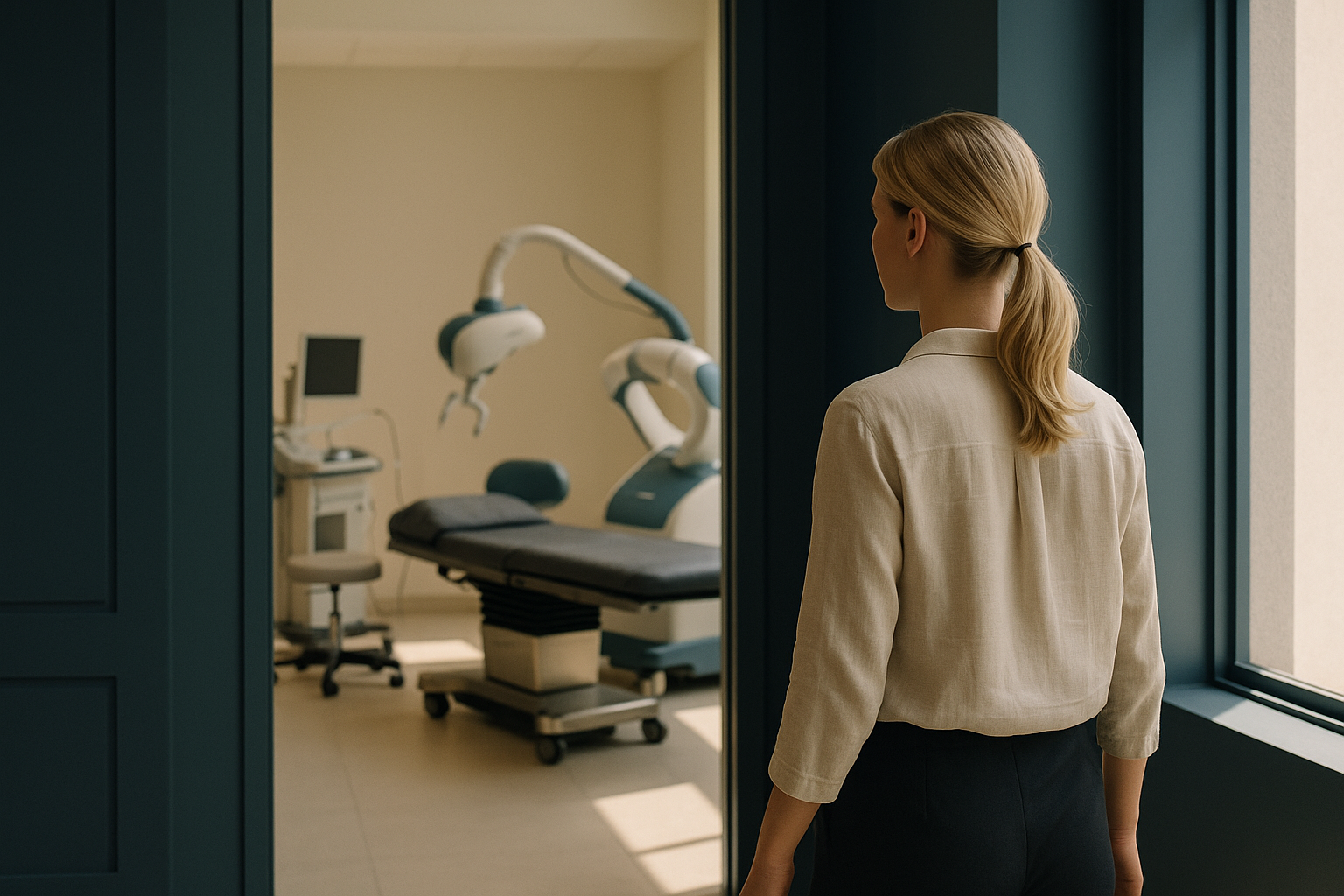
Robotic DHI hair transplant is an advanced extension of the traditional DHI method, utilising robotics for enhanced precision and efficiency. This approach leverages cutting-edge technology to assist surgeons in harvesting and implanting hair follicles. The integration of robotics into the DHI process represents a significant technological advancement, offering unprecedented accuracy in hair transplantation. These robotic systems are equipped with sophisticated imaging capabilities that allow for real-time analysis of the scalp, ensuring optimal placement of each follicle.
Robotic assistance can reduce human error and increase the speed of the procedure, making it a favourable option for some patients. The precision of robots in executing repetitive tasks ensures consistency and potentially better outcomes. Moreover, the speed at which robots can perform these procedures may reduce overall surgery time, thereby decreasing the patient’s time under anaesthesia and enhancing recovery. However, the availability of this technology may vary by location and clinic, potentially influencing the decision for international patients.
Patients interested in robotic DHI should inquire about the specific technologies used and the expertise of the surgical team to ensure optimal outcomes. It’s important to verify the credentials and experience of the clinic offering robotic DHI, as the success of the procedure still heavily relies on the human oversight and decision-making of skilled surgeons. Understanding the blend of technology and expertise involved can help patients make informed decisions tailored to their unique needs and expectations.
Does DHI Hair Transplant Leave Scars?
One of the significant advantages of DHI hair transplants is the minimal scarring associated with the procedure. Unlike traditional methods that require incisions or stitches, DHI’s direct implantation technique reduces the risk of visible scarring. This aspect is particularly appealing to individuals who wish to maintain a natural appearance without the telltale signs of surgery. The absence of linear scars, common in other techniques, is a major benefit for those concerned with post-operative aesthetics, especially in short hairstyles.
The Choi Implanter Pen allows for precise placement of hair follicles without the need for large incisions, resulting in a more cosmetically appealing outcome. However, as with any surgical procedure, minor scarring at the microscopic level may occur but is generally not noticeable. This subtlety is due to the minimally invasive nature of the DHI technique, which limits trauma to the scalp and enhances healing. Patients should discuss potential scarring with their surgeon and understand that while the risk is minimal, individual healing responses can vary.
Patients should follow post-operative care instructions to minimise any potential scarring and promote optimal healing. Proper care includes protecting the scalp from direct sunlight, avoiding strenuous activities that might affect healing, and adhering to prescribed washing and maintenance routines. By following these guidelines, patients can significantly enhance their recovery process and enjoy the full benefits of a DHI hair transplant. Compliance with care instructions is vital for achieving the best possible outcomes and maintaining the natural appearance of the transplanted hair.
- Avoid sun exposure for the first few weeks.
- Follow the surgeon’s guidance on hair washing and care.
- Report any concerns to the healthcare provider promptly.
How Does DHI Hair Transplant Work?
The DHI hair transplant process starts with a thorough consultation to determine the patient’s suitability for the procedure. This initial step involves assessing the degree of hair loss, the quality of donor hair, and any underlying health conditions that might affect the surgery. Once deemed suitable, the procedure typically follows these steps:
- Harvesting: Hair follicles are extracted from the donor site using a micro motor device. This process ensures that the follicles remain intact and viable for transplantation, minimizing trauma to the donor area.
- Implantation: The Choi Implanter Pen is used to implant the follicles directly into the scalp. This tool allows the surgeon to place each follicle at the precise angle, depth, and direction required for natural-looking growth, enhancing the overall aesthetic outcome.
- Post-operative Care: Patients receive instructions for care and recovery to ensure successful results. This includes guidelines on how to wash the hair, protect the scalp, and manage any discomfort that might arise during the healing process.
The efficiency of the DHI method lies in its ability to implant hair without creating recipient sites beforehand, reducing trauma to the scalp. This direct implantation technique not only shortens the duration of the procedure but also enhances the survival rate of the follicles. The method’s precision ensures that the transplanted hair blends seamlessly with existing hair, providing a natural appearance that is difficult to achieve with other techniques.
Patients should expect initial hair shedding within the first few weeks, followed by new growth starting around three to four months post-procedure. This shedding phase is a normal part of the hair growth cycle and should not be a cause for concern. Most patients can expect to see significant improvements in hair density and coverage within six to twelve months, with continued growth and thickening over time. Regular follow-up appointments with the surgeon can help monitor progress and address any issues that may arise during the recovery process.
Conclusion: Is DHI Right for You?
Deciding on a DHI hair transplant involves careful consideration of various factors, including the extent of hair loss, desired outcomes, and personal preferences. The decision to undergo a hair transplant is a deeply personal one, influenced by both aesthetic goals and practical considerations. As a globally recognised method, DHI offers significant benefits for individuals seeking natural-looking results with minimal downtime. Its minimally invasive nature and high success rates make it an attractive option for those looking to restore their hairline and confidence.
Prospective international patients should consult with experienced specialists to weigh the benefits against other available options. This may involve comparing DHI with other methods like FUE and FUT, each offering distinct advantages depending on the individual’s needs. By understanding the DHI procedure and its implications, patients can make informed decisions about their hair restoration journey. Knowledge of the process, potential outcomes, and associated costs is essential for setting realistic expectations and achieving satisfactory results.
Ultimately, the decision should be based on a thorough evaluation of personal circumstances and expert medical advice. Patients are encouraged to seek out multiple consultations to gather diverse perspectives and recommendations. This approach ensures that they select a method and surgeon that align with their goals and medical needs. By taking the time to research and consult with reputable clinics, individuals can embark on a hair restoration journey that is both successful and rewarding.
Proven result
20 to 200 hair-transplant patients a month from Australia
Aesthetic surgery group
Frequently asked questions
What is DHI hair transplant?
DHI hair transplant is a technique that involves implanting hair follicles directly into the scalp using a specialised tool.
Is DHI the best hair transplant method?
DHI is a leading method due to its precision and minimal scarring, but the best method varies by individual needs.
What is robotic DHI hair transplant?
Robotic DHI uses advanced technology to enhance precision in hair follicle implantation, improving efficiency and results.
Does DHI hair transplant leave scars?
DHI hair transplants are minimally invasive, typically resulting in little to no visible scarring due to the direct implantation technique.
How does DHI hair transplant work?
DHI works by extracting and implanting hair follicles directly into the scalp using a Choi Implanter Pen, allowing for precision.
Related guides

Turkey Hospitals vs Local Hospitals Compared
A lower procedure quote can get a patient’s attention. It should not make the decision on its own.…

Patient Experience That Drives Trust and Growth
A patient who has already uploaded medical records, compared providers, and arranged time away from work is not…

What Is a Medical Travel Facilitator and Why Use One?
A lower treatment quote can look compelling until you try to compare what it actually includes: surgeon fees,…