
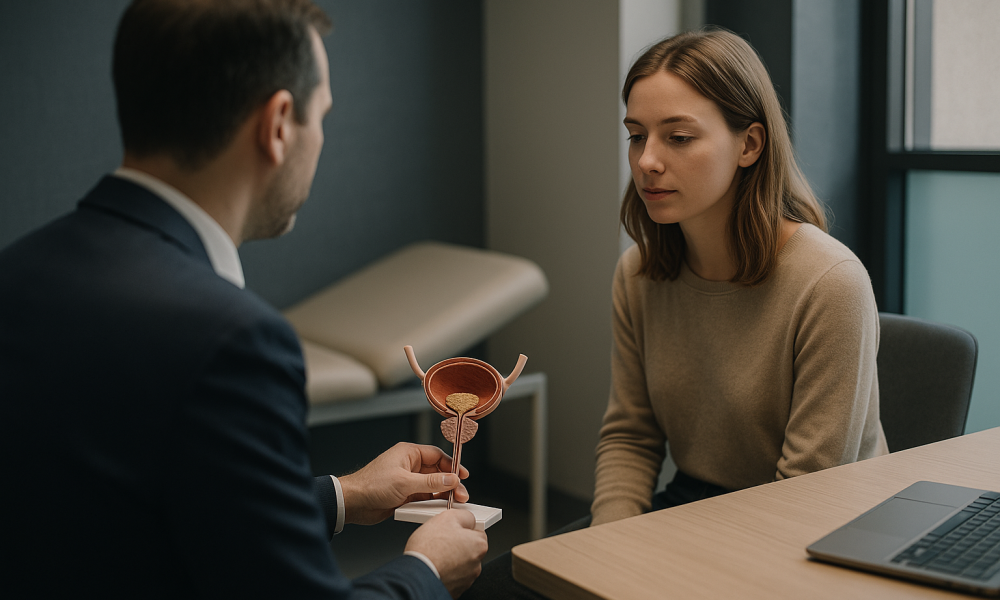
What Bladder Stone Treatment Abroad is and who it is for
Bladder stones are hard mineral deposits that form in the bladder, often causing discomfort, pain, and urinary complications. Treatment abroad, particularly in Turkey, offers patients access to advanced medical facilities, experienced healthcare professionals, and cost-effective solutions. Bladder stone treatment in Turkey is known for its high standards of care and affordability, making it an attractive option for international patients.
The treatment typically involves the removal or dissolution of stones via minimally invasive procedures. Options include cystolitholapaxy, where a thin tube with a camera and laser is inserted through the urethra to break down the stones, and percutaneous suprapubic cystolithotomy, which is an approach through a small incision in the abdomen. The choice of procedure depends on the stone’s size, composition, and location, as well as the patient’s overall health.
Turkey’s healthcare facilities are equipped with state-of-the-art technology, ensuring precision and safety in these procedures. Many hospitals and clinics in Turkey are accredited by international organisations, adhering to global healthcare standards. The medical staff, often trained in Europe or the United States, bring a wealth of expertise, particularly in urology.
Patients considering bladder stone treatment in Turkey can benefit from the country’s renowned hospitality, with many medical institutions offering comprehensive care packages. These packages may include airport transfers, accommodation arrangements, and post-operative care, ensuring a seamless experience for international patients. Additionally, the relatively lower cost of living in Turkey allows for competitive pricing of medical treatments, often at a fraction of the cost compared to Western Europe.
Overall, bladder stone treatment in Turkey is suitable for individuals seeking high-quality medical care at an affordable price, with the added benefit of recuperating in a culturally rich and historically significant country.
Are you a good candidate?
Determining whether you are a suitable candidate for bladder stone treatment in Turkey involves several important considerations. The ideal candidate is someone who has been diagnosed with bladder stones and is experiencing symptoms such as frequent urination, pain, or blood in the urine. However, not everyone with bladder stones may require immediate treatment, as some stones can pass naturally.
Before opting for treatment abroad, it is crucial to consult with a healthcare professional to assess your specific condition and medical history. Factors such as the size and number of stones, your overall health, and any underlying conditions will influence the decision to proceed with treatment.
- The size of the stones: Larger stones typically require intervention, whereas smaller ones might pass naturally.
- Frequency and severity of symptoms: Persistent or severe symptoms can necessitate medical intervention.
- Presence of urinary tract infections: Recurrent infections may indicate the need for treatment.
- Overall health: Good general health supports a smooth recovery process.
- Previous treatments: If prior treatments were unsuccessful, alternative methods might be considered.
- Willingness to travel: International treatment requires travel and potential time away from home.
It is also important to consider logistical aspects such as travel arrangements, potential language barriers, and post-operative care when planning treatment abroad. Patients should ensure that they are comfortable with travelling and staying in a foreign country for the duration of their treatment and recovery. Additionally, understanding the healthcare system and knowing what to expect in terms of communication and cultural differences can greatly enhance the overall experience.
Ultimately, bladder stone treatment in Turkey is an excellent option for those who meet the necessary criteria and are prepared to seek medical care outside their home country. By carefully evaluating your condition and consulting with healthcare professionals, you can make an informed decision about whether this path is right for you.
The procedure, step by step
Undergoing bladder stone treatment abroad can be a daunting prospect, but understanding the procedure can help alleviate some concerns. Here’s a comprehensive step-by-step overview of what typically occurs during a bladder stone removal procedure in Turkey:
- Initial Consultation and Diagnostic Tests: Before the procedure, you will have an initial consultation with a urologist. This will likely include a physical examination, a detailed review of your medical history, and diagnostic tests such as an ultrasound or CT scan to confirm the presence and size of bladder stones.
- Pre-operative Assessment: Once the diagnosis is confirmed, pre-operative assessments are conducted. These may include blood tests, urine tests, and an ECG to ensure you are fit for surgery. You will also be advised to avoid certain medications, such as blood thinners, a few days before the procedure.
- Admission to the Hospital: On the day of the procedure, you will be admitted to the hospital. You should arrive several hours before the scheduled time to allow for final preparations and to meet the anaesthetist who will discuss the type of anaesthesia that will be used.
- Anaesthesia: Bladder stone removal is typically performed under general or spinal anaesthesia, depending on the specific procedure and your health condition. The anaesthetist will discuss the options with you and determine the most suitable method.
- The Procedure: The actual method of stone removal depends on the size and location of the stones. Common techniques include cystolitholapaxy, where a cystoscope is inserted through the urethra to break down the stones with a laser or ultrasonic energy, or open surgery for larger stones. The procedure usually takes between 30 minutes to 2 hours.
- Post-operative Care: After the procedure, you will be taken to a recovery room where medical staff will monitor your vital signs as you wake from anaesthesia. Pain management and antibiotics may be administered to prevent infection.
- Hospital Stay: Depending on the procedure, you may need to stay in the hospital overnight or for a few days. During this time, doctors will monitor your recovery, and you may have a catheter in place to ensure the bladder drains properly.
- Discharge and Follow-up: Before discharge, you will receive instructions on post-operative care, including dietary recommendations, activity restrictions, and medication regimens. A follow-up appointment will be scheduled to assess your recovery and ensure no residual stones remain.
Recovery timeline
The recovery process following bladder stone treatment abroad is crucial for a successful outcome. Below is a typical recovery timeline to help set realistic expectations:
| Period | What to expect | Care notes |
|---|---|---|
| Day 1 | Post-operative observation in hospital. Some pain and discomfort are normal. | Administer pain relief medication as prescribed. Start with a liquid diet. |
| Days 2-3 | Discharge from hospital. Mild discomfort may persist. Catheter removal if applicable. | Follow discharge instructions carefully. Increase fluid intake to help flush the bladder. |
| Week 1 | Gradual return to light activities. Some blood in urine is normal. | Avoid strenuous activities. Continue with prescribed antibiotics to prevent infection. |
| Weeks 2-3 | Further reduction in discomfort. Normal urination patterns should resume. | Attend follow-up appointment for assessment. Maintain hydration and follow dietary advice. |
| Week 4 | Full recovery for most patients. Return to normal activities. | Consult your doctor before resuming high-impact activities. Monitor for any unusual symptoms. |
Recovery times can vary based on individual health and the specific procedure performed, so always follow your healthcare provider’s guidance for the best outcome.
What it costs: Turkey vs Europe
When considering treatment for bladder stones abroad, cost is a significant factor for many patients. Turkey has become a popular destination for medical tourists due to its competitive pricing and high-quality healthcare facilities. However, it’s important to understand that prices can vary based on several factors, such as the specific treatment required, the length of stay, and the healthcare provider’s reputation.
Below is a comparison of indicative price ranges for bladder stone treatment in Turkey versus various parts of Europe:
| Treatment Location | Indicative Price Range (EUR) | Typical Package Inclusions |
|---|---|---|
| Turkey | €1,800 – €3,500 | Consultation, surgical procedure, hospital stay, post-operative care, airport transfers, interpreter services |
| Western Europe | €4,500 – €7,500 | Consultation, surgical procedure, hospital stay |
| Eastern Europe | €2,500 – €5,000 | Consultation, surgical procedure, hospital stay, post-operative care |
It’s crucial to note that the figures above are indicative and actual costs may vary. In Turkey, many healthcare providers offer comprehensive packages that not only include the medical procedure but also additional services such as airport transfers and interpreter services, which can significantly ease the logistical burden for international patients.
While cost savings are often a primary motivation for seeking treatment abroad, it is essential to weigh these against other factors, such as the provider’s accreditation, the quality of the facilities, and the expertise of the medical staff. Patients are encouraged to conduct thorough research and consult with multiple providers to ensure they make an informed decision that aligns with their medical and personal needs.
Risks and how accredited providers manage them
As with any medical procedure, bladder stone treatment carries certain risks. These can include infection, bleeding, injury to surrounding organs, and recurrence of stones. However, accredited healthcare providers in Turkey are well-equipped to manage these risks through stringent protocols and advanced medical technologies.
Accredited hospitals in Turkey adhere to international standards, often being certified by organizations such as the Joint Commission International (JCI). This ensures that they maintain high levels of hygiene, safety, and patient care. The following are some of the ways these providers manage risks effectively:
- Pre-operative Assessment: Before any procedure, a comprehensive pre-operative assessment is conducted. This includes a detailed medical history review, blood tests, and imaging studies to ensure that the patient is fit for surgery and to plan the safest approach.
- Experienced Surgeons: Surgeons performing bladder stone treatments in accredited facilities are often highly experienced and may have international training. Their expertise reduces the likelihood of complications during and after the procedure.
- Infection Control: Accredited hospitals implement rigorous infection control measures. These include sterilisation of surgical instruments, use of disposable materials where possible, and maintaining a sterile environment in the operating theatre.
- Post-operative Care: Patients receive attentive post-operative care, which includes monitoring for signs of infection, bleeding, or other complications. This care is crucial in the first 24-48 hours after surgery.
- Follow-up and Monitoring: Accredited providers ensure that there is a structured follow-up plan. This may include regular consultations, ultrasound checks, and dietary advice to prevent recurrence of bladder stones.
While the risks associated with bladder stone treatment cannot be entirely eliminated, choosing an accredited provider significantly mitigates them. Patients should feel encouraged to discuss potential risks and their management thoroughly with their healthcare provider prior to undergoing treatment.
In summary, while bladder stone treatment abroad in Turkey offers potential cost savings and high-quality care, it is imperative for patients to be aware of and understand the risks involved. By selecting accredited providers, patients can ensure that they receive care that meets international standards, thereby enhancing their overall treatment experience.
How to choose the right provider
When selecting a healthcare provider for bladder stone treatment in Turkey, several factors should be considered to ensure a safe and effective experience. Accreditation is a critical aspect, as it signifies that the facility meets international healthcare standards. Look for hospitals accredited by reputable bodies such as the Joint Commission International (JCI) or the International Organization for Standardization (ISO). These accreditations ensure the facility adheres to stringent safety, quality, and patient care standards.
Surgeon experience is another vital factor. Research the qualifications and expertise of the urologists available at the facility. Ideally, the surgeon should have extensive experience in treating bladder stones, evidenced by specialised training in urology and a significant number of successful procedures. Request information about their track record and patient outcomes. Additionally, consider the availability of multidisciplinary teams, including anaesthetists, nurses, and support staff, who can provide comprehensive care.
Aftercare services are crucial for recovery and should not be overlooked. Verify that the provider offers a robust aftercare programme, including follow-up appointments, rehabilitation options, and access to medical professionals for any post-treatment concerns. Some facilities may offer remote consultations to monitor your recovery once you return home, which can be a valuable resource.
Be vigilant for red flags that might indicate substandard care. These include a lack of transparency about treatment plans and pricing, absence of verifiable accreditation, and poor communication. A reputable provider should offer detailed information about the procedure, potential risks, and expected outcomes without making unrealistic promises. Additionally, avoid clinics that pressure you into making quick decisions or provide inconsistent information.
Cost transparency is also essential. While treatment prices in Turkey can be more affordable than in many European countries, ensure you receive a detailed breakdown of costs, including any additional fees for post-operative care or extended hospital stays. Typical costs for bladder stone treatment can range from £1,500 to £3,500, depending on the complexity of the procedure and the facility’s reputation.
Planning your trip
Planning your medical trip to Turkey requires careful consideration of several logistical aspects to ensure a smooth and stress-free experience. Begin by establishing a timeline well in advance of your intended travel date. Ideally, you should start planning at least two to three months before your procedure to allow ample time for research, consultations, and booking necessary arrangements.
Gather all required documents, including your passport, visa (if applicable), and medical records. It’s advisable to have a comprehensive summary of your medical history, including previous treatments and any medications you are currently taking. This information will be crucial for your medical team in Turkey to tailor the treatment plan to your specific needs.
The typical length of stay for bladder stone treatment can vary. Generally, you should plan to stay in Turkey for approximately 7 to 10 days. This period allows for pre-operative consultations, the surgical procedure, and initial recovery. However, the exact duration will depend on individual circumstances and the complexity of your treatment.
Post-treatment, your healthcare provider will likely recommend follow-up appointments to monitor your recovery. These may include physical examinations, imaging tests, or blood work. Discuss with your provider how these follow-ups will be managed once you return home. Some clinics offer telemedicine services, allowing you to consult with your Turkish medical team remotely.
Consider the practical aspects of your stay, such as accommodation and transportation. Many patients opt to stay in hotels or serviced apartments near the medical facility for convenience. Some clinics offer packages that include accommodation and airport transfers, which can simplify logistics. Ensure you have a reliable means of transportation to attend all medical appointments punctually.
Finally, arrange for a companion to accompany you, if possible. Having someone with you can provide emotional support and assist with logistics, particularly during the recovery phase. Ensure your companion is aware of your medical itinerary and any special requirements you may have during your stay.
Frequently Asked Questions
What are the typical costs for bladder stone treatment in Turkey?
The cost of bladder stone treatment in Turkey can vary depending on the complexity of the procedure and the facility's reputation. Generally, you can expect prices to range from £1,500 to £3,500. This indicative range often includes the procedure itself, hospital stay, and basic aftercare. However, it's crucial to obtain a detailed breakdown from your chosen provider to understand what is included and any potential additional fees.
Is bladder stone treatment in Turkey safe?
Bladder stone treatment in Turkey is considered safe, particularly when performed at accredited hospitals by experienced urologists. Facilities that are accredited by international bodies like the Joint Commission International (JCI) adhere to high standards of safety and quality. It's important to thoroughly research your chosen provider, including the surgeon's qualifications and patient reviews, to ensure you receive safe and effective care.
How long should I plan to stay in Turkey for the treatment?
For bladder stone treatment, you should plan to stay in Turkey for approximately 7 to 10 days. This duration typically covers pre-operative consultations, the surgical procedure, and initial recovery. The exact length of stay will depend on the complexity of your treatment and individual recovery needs. It's advisable to discuss your specific situation with your healthcare provider to plan accordingly.
What documents do I need to bring for my treatment in Turkey?
When travelling to Turkey for medical treatment, ensure you have your passport, visa (if applicable), and comprehensive medical records. Your medical records should include a summary of your medical history, details of any previous treatments, and a list of current medications. This information is vital for your medical team to tailor the treatment plan to your needs effectively.
How can I verify the accreditation of a Turkish hospital?
To verify the accreditation of a Turkish hospital, check for certifications from recognised international bodies such as the Joint Commission International (JCI) or the International Organization for Standardization (ISO). These accreditations ensure the facility meets high standards of healthcare quality and patient safety. Most accredited hospitals will display their certification prominently on their website or provide it upon request.
Will I need a visa to travel to Turkey for medical treatment?
Whether you need a visa to travel to Turkey depends on your country of origin. Citizens from many European countries can enter Turkey visa-free for short stays. However, it's essential to check the specific visa requirements for your nationality well in advance of your trip. If a visa is required, you can usually apply online for an e-Visa, which is a straightforward process.
What should I consider when choosing a surgeon in Turkey?
When selecting a surgeon in Turkey, consider their qualifications, experience, and track record in treating bladder stones. Look for a urologist with specialised training and a significant number of successful procedures. It's also beneficial to review patient testimonials and ask for information about the surgeon's outcomes. A qualified surgeon will be transparent about their experience and willing to answer any questions you have.
How can I manage follow-up care once I return home?
Managing follow-up care after returning home is crucial for recovery. Discuss with your Turkish healthcare provider how follow-ups will be handled, including any necessary physical examinations or tests. Many clinics offer telemedicine services, allowing you to consult with your medical team remotely. Additionally, coordinate with your local healthcare provider to ensure continuity of care and address any concerns promptly.
What are the potential red flags to watch out for when choosing a clinic?
Potential red flags include a lack of transparency about treatment plans and costs, absence of verifiable accreditation, and poor communication. Be wary of clinics that pressure you into quick decisions or make unrealistic guarantees about outcomes. A reputable provider will offer detailed information, answer all your questions, and provide a clear breakdown of costs without hidden fees.
Are there language barriers in Turkish hospitals?
Many Turkish hospitals catering to international patients have English-speaking staff, including doctors, nurses, and administrative personnel. However, it's a good idea to confirm the availability of English-speaking staff at your chosen facility. Some hospitals also offer translation services to facilitate communication and ensure you fully understand your treatment plan and any instructions.
Can I bring a companion during my treatment in Turkey?
Yes, bringing a companion during your treatment in Turkey is generally encouraged. Having someone with you can provide emotional support and assist with logistics, particularly during the recovery phase. Ensure your companion is aware of your medical itinerary and any special requirements you may have during your stay. Some clinics offer packages that include accommodation for companions.
What should I do if I experience complications after returning home?
If you experience complications after returning home, contact your Turkish healthcare provider immediately for guidance. Many clinics offer telemedicine services to address post-treatment concerns. Additionally, seek advice from your local healthcare provider to ensure prompt and appropriate care. It's important to have a plan in place for managing potential complications before you travel.