
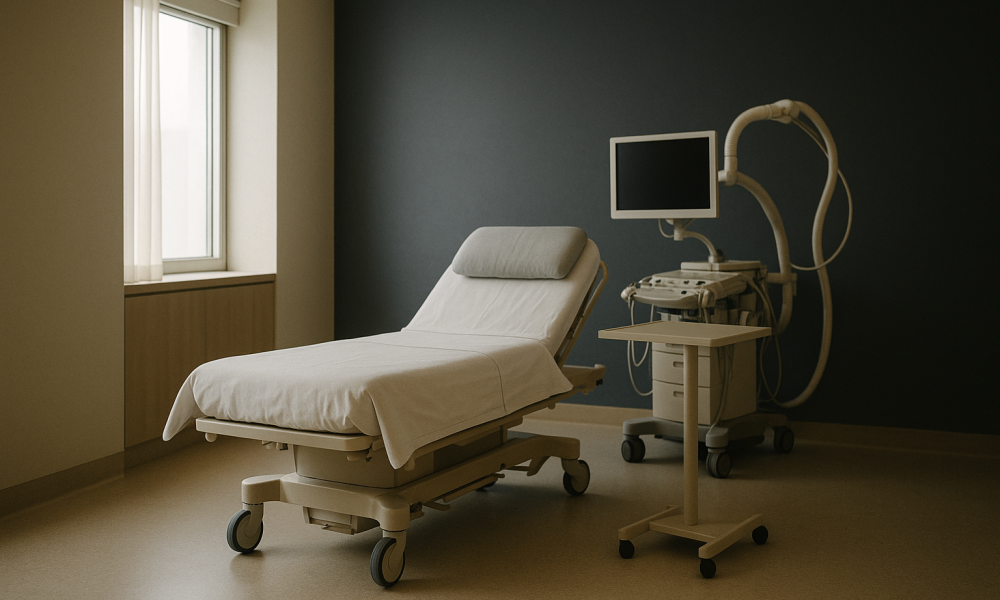
What HoLEP Prostate Surgery is and who it is for
Holmium Laser Enucleation of the Prostate (HoLEP) is a minimally invasive surgical procedure designed to treat benign prostatic hyperplasia (BPH), a common condition in older men where the prostate gland enlarges and causes urinary problems. HoLEP uses a specialised laser to remove excess prostate tissue that obstructs the flow of urine from the bladder. The procedure is performed under either general or spinal anaesthesia, typically lasting between 60 to 90 minutes.
HoLEP is particularly advantageous because it offers a shorter hospital stay and quicker recovery compared to traditional open prostate surgery. Most patients can expect to be discharged within 1 to 2 days post-operation, with many returning to their normal activities within 2 to 3 weeks. The laser technology used in HoLEP allows for precise removal of tissue with minimal bleeding, making it suitable for patients who are on anticoagulation therapy.
In terms of outcomes, HoLEP has been shown to provide immediate and significant improvement in urinary flow and relief from symptoms of obstruction. This procedure is suitable for men with significantly enlarged prostates, usually over 30 grams, and those who have not had success with medication or other less invasive treatments. The procedure is also effective in treating prostates of any size, making it a versatile option for a wide range of patients.
Turkey has emerged as a popular destination for HoLEP due to its combination of high-quality medical care and cost-effectiveness. The indicative cost for HoLEP in Turkey ranges from £3,500 to £5,000, which is considerably lower than in many Western countries, without compromising on the quality of care.
Are you a good candidate?
Determining if you are a good candidate for HoLEP involves a thorough evaluation by a urologist, who will consider several factors, including your overall health, the size of your prostate, and the severity of your symptoms. HoLEP is generally recommended for men who experience moderate to severe urinary symptoms that significantly impact their quality of life. These symptoms might include frequent urination, urgency, difficulty starting and stopping urination, weak flow, and nocturia (waking up at night to urinate).
To assess candidacy for HoLEP, doctors typically perform several tests and evaluations, such as:
- A comprehensive medical history and physical examination to assess overall health and specific symptoms.
- Prostate-specific antigen (PSA) blood test to rule out prostate cancer.
- Ultrasound or MRI to determine the size of the prostate and identify any abnormalities.
- Uroflowmetry to measure the speed and volume of urination, which can help evaluate the severity of obstruction.
- Post-void residual measurement to determine the amount of urine left in the bladder after urination.
Patients who have failed to respond to medication or have experienced side effects from medications used to treat BPH are often considered good candidates for HoLEP. Additionally, those seeking a long-term solution with minimal risk of recurrence may benefit from this procedure. It is important to discuss all potential risks and benefits with your healthcare provider to make an informed decision.
The procedure, step by step
Holmium Laser Enucleation of the Prostate (HoLEP) is a modern and minimally invasive procedure designed to alleviate urinary symptoms caused by an enlarged prostate, also known as benign prostatic hyperplasia (BPH). Understanding the steps involved can help demystify the process and prepare you for what to expect on the day of your surgery in Turkey.
- Pre-operative Preparation: On the day of the surgery, you will be required to fast for a specific period, typically 6 to 8 hours before the procedure. You will meet with the anaesthesiologist to discuss your medical history and determine the most appropriate anaesthesia, generally a spinal block or general anaesthesia.
- Anaesthesia Administration: Once in the operating theatre, anaesthesia will be administered to ensure you are comfortable and pain-free during the procedure. If spinal anaesthesia is chosen, you may remain awake but will not feel any sensation below the waist.
- Insertion of the Rigid Cystoscope: The surgeon inserts a rigid cystoscope through the urethra into the bladder. This instrument is equipped with a camera, allowing the surgeon to view the interior of the bladder and prostate on a monitor.
- Laser Enucleation: Using a holmium laser fibre passed through the cystoscope, the surgeon carefully enucleates the obstructive prostate tissue. The laser precisely separates the enlarged prostate tissue (adenoma) from the prostate capsule, minimising bleeding and preserving surrounding structures.
- Tissue Morcellation: Once the prostate tissue has been enucleated, a morcellator is used to cut the tissue into smaller pieces for removal. This step is crucial as it clears the urethral passage, restoring normal urine flow.
- Placement of Catheter: A urinary catheter is usually placed in the bladder to assist with urination and ensure that any blood or debris is drained post-surgery. The catheter typically remains for 24 to 48 hours.
- Completion and Observation: The procedure generally takes around 60 to 90 minutes, depending on the size of the prostate. Following the surgery, you will be moved to a recovery area where your vital signs will be monitored as you wake from anaesthesia.
HoLEP is highly regarded for its effectiveness and low complication rates. While the initial hospital stay is short, usually 1 to 2 days, the benefits of the procedure can significantly improve quality of life.
Recovery timeline
Understanding the recovery timeline following HoLEP surgery is essential for setting realistic expectations and ensuring a smooth recuperation process. The following table outlines the typical recovery phases from the initial post-operative period to full recovery.
| Period | What to expect | Care notes |
|---|---|---|
| Day 1 | Post-surgery, you may experience mild discomfort and will still have a catheter in place. Some blood in urine is normal. | Rest in bed as much as possible. Pain management will be provided, and the medical team will monitor your recovery closely. |
| Days 2-3 | The catheter is typically removed, and you may be discharged from the hospital. Urination may be frequent and urgent initially. | Stay hydrated and avoid strenuous activities. Follow discharge instructions carefully. |
| Week 1 | Gradual improvement in urinary symptoms. Some patients may experience temporary incontinence. | Continue with light activities. Pelvic floor exercises are recommended to improve continence. |
| Weeks 2-3 | Significant reduction in urinary symptoms. Most patients can resume normal activities, excluding heavy lifting. | Avoid driving if still on pain medication. Keep up with follow-up appointments. |
| 4-6 Weeks | Full recovery for most patients. Normal urinary function is typically restored. | Consult with your doctor before returning to full physical activity or work. |
Every patient’s recovery is unique, and it’s crucial to follow your healthcare provider’s advice closely. Regular follow-ups will ensure any complications are promptly addressed, and your recovery is on track.
What it costs: Turkey vs the UK, Europe and North America
When considering Holmium Laser Enucleation of the Prostate (HoLEP) surgery, prospective patients often look at the financial implications as a significant factor in their decision-making process. The cost of HoLEP surgery can vary considerably depending on the location, hospital, and specific package inclusions. Here’s an indicative comparison of what patients might expect to pay for HoLEP surgery in Turkey versus the UK, Europe, and North America.
| Region | Indicative Price Range (GBP) | Typical Package Inclusions |
|---|---|---|
| Turkey | £3,000 – £5,000 | Initial consultation, surgery, hospital stay (2-3 nights), post-operative care, airport transfers |
| UK | £7,000 – £12,000 | Initial consultation, surgery, hospital stay (1-2 nights), post-operative care |
| Europe | £6,000 – £10,000 | Initial consultation, surgery, hospital stay (1-2 nights), post-operative care |
| North America | £10,000 – £20,000 | Initial consultation, surgery, hospital stay (1-2 nights), post-operative care |
It is important to note that these figures are indicative and can fluctuate based on the specific institution and any additional services a patient might require. In Turkey, the lower cost is often due to lower operational costs and favourable exchange rates, without compromising the quality of care. Many Turkish healthcare providers offer comprehensive packages that include not just medical treatment but also logistical support like airport transfers and accommodation arrangements.
In the UK, Europe, and North America, prices tend to be higher due to the higher cost of living and medical expenses. However, the higher cost does not necessarily equate to better care, as Turkish hospitals accredited by international bodies often meet or exceed the standards found in Western countries.
When planning for surgery, it’s crucial for patients to consider what is included in the quoted price and to verify the credentials of the healthcare provider. Patients should also inquire about potential additional costs such as follow-up consultations or extended hospital stays, which may not be included in the initial price quote.
Risks and how accredited providers manage them
As with any surgical procedure, HoLEP surgery carries potential risks. Understanding these risks and how accredited providers in Turkey manage them is essential for prospective patients. The primary risks associated with HoLEP include bleeding, infection, urinary incontinence, and erectile dysfunction. These risks, while generally low, are important considerations for anyone contemplating the surgery.
Bleeding is a common concern, but HoLEP is known for its reduced risk compared to traditional surgical methods due to the precision of the laser. Accredited Turkish providers manage this by employing highly trained surgeons who use state-of-the-art equipment. Pre-surgical assessments are conducted to evaluate the patient’s health and potential risk factors, ensuring any underlying conditions are identified and managed appropriately.
Infection is another risk, albeit a rare one, as surgical environments in accredited hospitals adhere to international hygiene standards. These facilities are often subject to rigorous inspections by bodies such as the Joint Commission International (JCI), ensuring that protocols for sterilisation and patient safety are strictly followed. Antibiotics are typically administered prophylactically to further minimise the risk of infection.
Urinary incontinence can occur post-operatively; however, it is usually temporary. Providers in Turkey typically offer post-surgery rehabilitation programmes, including pelvic floor exercises, to help patients regain urinary control. These programmes are integral to the recovery process and are tailored to the needs of each patient.
Erectile dysfunction is a concern for many patients, although it is less common with HoLEP than with other types of prostate surgery. Accredited providers offer pre-operative counselling to discuss potential outcomes and set realistic expectations. In the rare event that erectile dysfunction occurs, Turkish providers can offer various treatments and interventions to address this issue.
Accredited providers in Turkey focus on comprehensive patient care, which includes detailed pre-operative consultations, advanced surgical techniques, and extensive post-operative monitoring. This holistic approach ensures that any complications are swiftly identified and managed. Patients are encouraged to maintain open communication with their healthcare team and to report any concerns promptly, ensuring that any issues are addressed without delay.
Ultimately, choosing a provider with a strong track record and international accreditation can significantly mitigate the risks associated with HoLEP surgery. Patients should feel reassured that accredited Turkish hospitals are equipped to handle complications with professionalism and expertise, offering a level of care that meets global standards.
How to choose the right provider
Choosing the right provider for HoLEP prostate surgery is a critical step in ensuring a successful treatment experience. It involves evaluating several factors, including accreditation, surgeon experience, aftercare options, and recognising potential red flags.
Accreditation: Ensure that the hospital or clinic is accredited by reputable international healthcare organisations such as the Joint Commission International (JCI) or the International Organization for Standardization (ISO). These accreditations indicate that the facility meets high standards of patient care and safety.
Surgeon Experience: The expertise of the surgeon is paramount. Look for professionals who have extensive experience specifically in HoLEP procedures. Ideally, the surgeon should have performed a significant number of these surgeries, with a focus on minimally invasive urological procedures. Ask for their success rates and any relevant outcomes data, though remember that individual results can vary.
Aftercare: Comprehensive aftercare is crucial for recovery. Verify that the facility offers robust post-operative support, including regular follow-up consultations, access to rehabilitation services if needed, and clear guidelines for managing recovery at home. Inquire about their protocols for managing complications should they arise.
Red Flags: Be cautious of providers that make guarantees of specific outcomes or those that lack transparent pricing structures. Avoid clinics that do not provide detailed information about the surgeon’s qualifications or those that pressure you into quick decisions. Additionally, check for reviews and testimonials from past patients to gauge their experiences.
Planning your trip
Planning your trip for HoLEP prostate surgery in Turkey involves careful consideration of several logistical aspects, including timelines, necessary documentation, length of stay, and follow-up care once you return home.
Timeline Before Travel: Begin planning at least 4-6 months prior to your intended travel dates. This allows ample time to research and select a provider, complete any necessary medical assessments, and arrange for travel and accommodation. It’s also crucial to have a pre-surgery consultation, which may be conducted remotely, to discuss your medical history and any specific preparation needed.
Documents: Ensure you have a valid passport and check if a visa is required for entry to Turkey. You will also need to bring medical records, including recent diagnostic tests, prescriptions, and any notes from your general practitioner. Having a summary of your medical history can aid the surgical team in providing personalised care.
Length of Stay: Plan for a stay of approximately 7-10 days. This typically includes a few days prior to surgery for final consultations and any pre-operative tests, the day of the surgery, and several days post-surgery to ensure proper recovery and initial follow-up. Discuss with your provider about any specific duration they recommend based on your individual case.
Follow-up at Home: Establish a follow-up care plan with your local healthcare provider prior to travel. This ensures continuity of care once you return home. Your Turkish provider should supply a detailed report of the surgery and any necessary instructions for ongoing care. It’s advisable to have a scheduled appointment with your local doctor within a few weeks of returning to discuss your recovery and address any concerns.
Frequently Asked Questions
What is the typical cost range for HoLEP surgery in Turkey?
The typical cost range for HoLEP surgery in Turkey can vary depending on the facility and the individual case, but generally, it falls between £3,500 and £5,500. This cost typically includes the surgery itself, hospital stay, and some post-operative care, but it's important to verify what is included with each provider.
Are the hospitals in Turkey accredited?
Many hospitals in Turkey are accredited by international organisations such as the Joint Commission International (JCI), ensuring they meet high standards of patient care and safety. It is advisable to confirm the accreditation status of the hospital you are considering for HoLEP surgery.
How experienced are Turkish surgeons in performing HoLEP?
Turkish surgeons are often highly experienced in performing HoLEP, with many having specialised training and extensive practice in minimally invasive urological procedures. It is important to inquire about the specific surgeon’s experience and track record with HoLEP surgeries when selecting a provider.
What are the safety measures in place for surgery in Turkey?
Safety measures in Turkish hospitals include strict adherence to international healthcare standards, comprehensive pre-operative assessments, use of advanced surgical technology, and thorough post-operative care. Accredited hospitals follow protocols to minimise risks and manage any complications that may arise.
How long should I plan to stay in Turkey for the surgery?
You should plan to stay in Turkey for approximately 7-10 days for HoLEP surgery. This duration covers pre-operative consultations, the surgical procedure, and initial recovery time. The exact length may vary based on individual recovery rates and any specific recommendations from your healthcare provider.
What documents do I need to bring for the surgery?
You will need a valid passport, and possibly a visa, to enter Turkey. Additionally, bring your medical records, including recent diagnostic tests, prescriptions, and a summary of your medical history. This information helps the surgical team provide personalised care.
Is aftercare included in the surgery package?
Aftercare is often included in the surgery package, but the extent can vary. Typically, it includes initial post-operative care and follow-up consultations while you are in Turkey. It is essential to confirm the specifics of aftercare services with your chosen provider.
Can I have a consultation before travelling to Turkey?
Yes, many providers offer remote consultations prior to travel. This allows you to discuss your medical history, treatment expectations, and any specific preparations needed for the surgery. It’s a crucial step in ensuring you are well-informed and prepared for the procedure.
How do I arrange follow-up care at home?
Arrange follow-up care with your local healthcare provider before travelling. Your Turkish provider should give a detailed report of the surgery and recovery instructions to share with your local doctor. This ensures continuity of care and addresses any post-operative concerns.
Are there any red flags I should be aware of when choosing a provider?
Be wary of providers that make unrealistic guarantees about outcomes, lack transparent pricing, or pressure you into quick decisions. Ensure the surgeon's qualifications are visible and check reviews from past patients. Reputable providers are open about their credentials and patient feedback.
How soon after surgery can I fly back home?
Most patients can fly back home within a week after surgery, depending on their recovery. It’s crucial to follow your surgeon’s advice on when it is safe to travel, as individual recovery times can vary. Ensure you feel comfortable and stable before making the journey.
What if I experience complications after returning home?
If complications arise after returning home, consult your local healthcare provider immediately. Keep in touch with your Turkish surgeon for advice if needed. Having a comprehensive report and recovery plan from your surgery will aid your local doctor in managing any issues.