
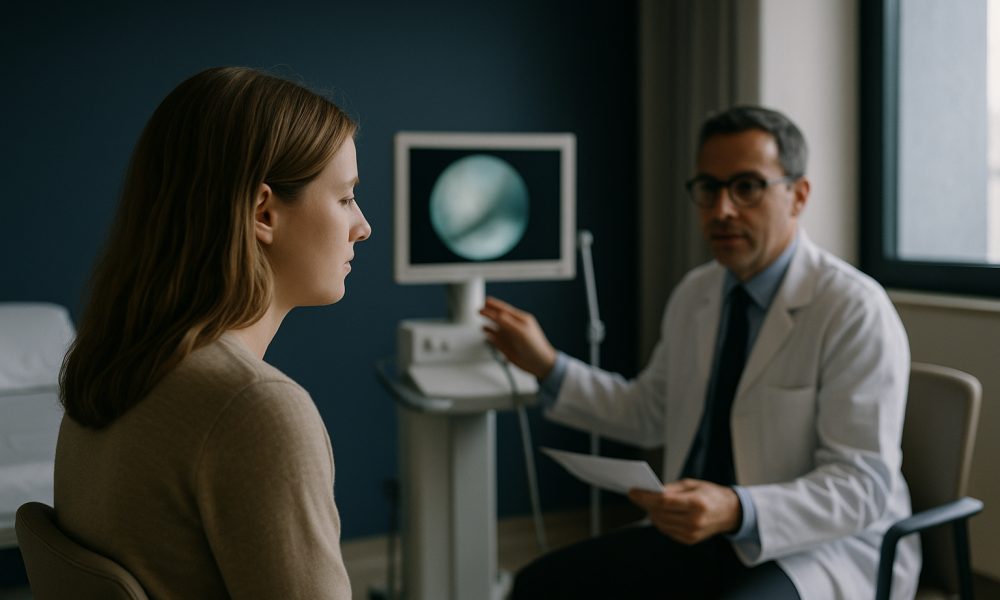
What TURP Prostate Surgery is and who it is for
Transurethral Resection of the Prostate (TURP) is a surgical procedure primarily used to treat urinary problems due to an enlarged prostate, a condition known as benign prostatic hyperplasia (BPH). This procedure is considered the gold standard for surgical treatment of BPH, especially when medication has failed to alleviate symptoms. During TURP, a resectoscope is inserted through the urethra to remove sections of the prostate that are causing the obstruction. Importantly, TURP does not involve any incisions in the abdomen, which can result in a quicker recovery compared to open surgery.
BPH is common among older men, typically over the age of 50, and can lead to bothersome urinary symptoms such as difficulty starting urination, weak urine stream, frequent urination, and the feeling that the bladder is not completely empty after urination. These symptoms can significantly impact quality of life. TURP aims to relieve these symptoms by removing the part of the prostate that is blocking the flow of urine.
The procedure usually takes between 60 to 90 minutes and is performed under general or spinal anaesthesia. Patients typically require a hospital stay of 1 to 2 days post-surgery. While immediate symptom relief is often reported, full recovery and return to normal activities can take several weeks. It is important for patients to follow post-operative care instructions, which may include avoiding strenuous activities for a period of time and attending follow-up appointments to ensure proper healing.
TURP is widely performed in Turkey, offering patients from Europe access to experienced urologists and state-of-the-art medical facilities. The cost of TURP in Turkey is typically more affordable than in many Western European countries, with prices ranging from €2,500 to €4,000. However, it is crucial for prospective patients to consider not only the cost but also the quality of care, the experience of the surgical team, and the hospital’s accreditation when choosing where to undergo treatment.
Are you a good candidate?
Determining whether you are a suitable candidate for TURP involves a thorough evaluation by a healthcare professional. The primary goal is to assess the severity of your symptoms and the impact on your daily life. Men who experience significant urinary symptoms that have not improved with medication may be advised to consider TURP. Here are some criteria that might make you a good candidate for this procedure:
- Age: Typically men over 50 years who have been diagnosed with BPH.
- Symptom severity: Moderate to severe urinary symptoms that interfere with daily activities.
- Medication: Ineffectiveness of medication in managing symptoms or experiencing adverse side effects from medication.
- Prostate size: Suitable for those with moderately enlarged prostates.
- General health: Being in good overall health and able to undergo anaesthesia.
- Desire for symptom relief: Willingness to undergo surgery for the potential benefit of symptom relief.
Before proceeding with TURP, a detailed medical history and physical examination will be conducted. Additional diagnostic tests may include a prostate-specific antigen (PSA) blood test, urinalysis, and possibly a cystoscopy or ultrasound to assess the prostate’s size and condition. These evaluations help in planning the surgery and ensuring it is the most appropriate option for your condition.
It is important to discuss any other health conditions you may have, as well as any medications you are currently taking, with your doctor. Certain health issues, such as severe heart conditions or uncontrolled diabetes, may require careful consideration before surgery. Additionally, understanding the potential risks and benefits of the procedure will help you make an informed decision. While TURP is generally safe, like any surgical procedure, it carries risks such as bleeding, infection, or temporary urinary incontinence.
Ultimately, the decision to undergo TURP should be made collaboratively with your healthcare provider, taking into account your personal health circumstances and treatment goals. By doing so, you can ensure that you are making the best choice for your health and well-being.
The procedure, step by step
Transurethral Resection of the Prostate (TURP) is a surgical procedure designed to relieve urinary symptoms caused by an enlarged prostate. This step-by-step guide provides insights into what patients can expect during the procedure.
- Pre-operative preparation: Before the procedure, the patient will undergo a comprehensive pre-operative assessment, including blood tests, urinalysis, and possibly an electrocardiogram (ECG) to ensure overall fitness for surgery. Patients are usually advised to fast for at least 6-8 hours before the procedure.
- Anaesthesia: TURP is typically performed under spinal anaesthesia, which numbs the lower half of the body, or general anaesthesia. The choice depends on the patient’s health status and preferences discussed with the anaesthetist. Spinal anaesthesia allows the patient to remain awake but without pain during the procedure.
- Insertion of resectoscope: The surgeon inserts a resectoscope, a specialised instrument, through the urethra to reach the prostate. This instrument includes a camera and a wire loop, which are crucial for the procedure.
- Tissue resection: Using the wire loop, the surgeon carefully removes small pieces of prostate tissue that are obstructing the urethra. This process involves cutting and cauterising the tissue to minimise bleeding. The removed tissue is flushed out with an irrigation fluid.
- Continuous irrigation: A continuous flow of saline solution is used to clear away blood and tissue debris, providing the surgeon with a clear view and reducing the risk of clot formation.
- Completion and catheter insertion: Once the obstructive tissue is removed, the surgeon completes the procedure by inserting a catheter into the bladder through the urethra. This catheter helps drain urine and allows for continuous bladder irrigation to prevent clot formation.
- Post-operative monitoring: After the procedure, the patient is moved to a recovery area where vital signs are monitored. The medical team ensures that the patient is stable before transferring to a hospital room.
Overall, the TURP procedure typically lasts between 60 and 90 minutes. It is important for patients to follow pre-operative instructions closely and communicate any concerns with their healthcare provider.
Recovery timeline
Recovery from TURP surgery is a gradual process, and patients can expect various stages of healing. Understanding the timeline can help manage expectations and ensure proper care.
| Period | What to expect | Care notes |
|---|---|---|
| Day 1 | Post-operative monitoring in hospital with catheter in place. Some blood in urine is normal. | Stay hydrated and notify staff of any severe discomfort. Pain management will be provided. |
| Days 2-3 | Gradual improvement. Catheter may still be in place; reduced bleeding expected. | Continue with prescribed medications. Begin gentle movements as advised by healthcare providers. |
| Days 4-7 | Possible catheter removal. Urination may initially be uncomfortable and frequent. | Follow instructions for catheter care if still in place. Start pelvic floor exercises if recommended. |
| Weeks 2-4 | Significant reduction in urinary symptoms. Occasional urgency and slight discomfort may persist. | Avoid heavy lifting and strenuous activities. Continue hydration and any prescribed medications. |
| Weeks 5-6 | Further improvement in urinary function. Energy levels should begin to normalise. | Gradually resume normal activities, but continue to avoid high-impact exercises. |
| Full recovery (up to 12 weeks) | Most patients experience complete resolution of urinary symptoms. Regular follow-ups are important. | Attend all follow-up appointments. Discuss any ongoing symptoms with your healthcare provider. |
Recovery experiences can vary, and it is crucial for patients to follow their surgeon’s specific post-operative instructions to ensure optimal healing.
What it costs: Turkey vs Europe
When considering Transurethral Resection of the Prostate (TURP) surgery, cost is a critical factor for many patients. Opting for treatment in Turkey can present a more affordable solution compared to many European countries. However, it is essential to understand that the figures provided should be seen as indicative, as actual costs can vary based on numerous factors including the specific healthcare provider, the patient’s medical condition, and any additional services required.
Below is a table comparing the typical price ranges for TURP surgery in Turkey and various European countries. These figures are indicative and intended to provide a general idea of potential costs:
| Country | Indicative Price Range (EUR) | Typical Inclusions |
|---|---|---|
| Turkey | €2,500 – €5,000 | Consultation, surgery, hospital stay (2-3 days), post-operative care |
| Germany | €7,000 – €12,000 | Consultation, surgery, hospital stay |
| United Kingdom | €8,000 – €15,000 | Consultation, surgery, hospital stay |
| France | €6,500 – €10,000 | Consultation, surgery, hospital stay |
In Turkey, packages often include additional services such as airport transfers and assistance with accommodation arrangements, which may not be standard in other countries. Patients may also find that the cost of living in Turkey is generally lower, potentially reducing overall expenses related to travel and stay.
It is advisable for patients to directly contact healthcare providers to get detailed quotes and understand what is included in the package. This ensures that there are no unexpected expenses, and patients can plan their medical travel with greater confidence.
Risks and how accredited providers manage them
Undergoing any surgical procedure entails certain risks, and TURP is no exception. Understanding these risks and how they are managed is crucial for patients considering this surgery in Turkey. Risks associated with TURP can include bleeding, infection, and urinary incontinence, among others. Accredited healthcare providers in Turkey are well-equipped to minimize these risks through stringent protocols and high standards of care.
Accredited hospitals in Turkey, especially those with international certifications like JCI (Joint Commission International), implement comprehensive risk management practices. These include:
- Pre-operative Assessments: Patients undergo thorough evaluations to ensure they are fit for surgery, which helps in identifying potential risk factors.
- Infection Control: Strict hygiene protocols are in place, including sterilisation of surgical instruments and use of antibiotics to prevent infections.
- Experienced Surgeons: Procedures are conducted by skilled and experienced urologists who are trained in the latest techniques, reducing the likelihood of complications.
- Post-operative Monitoring: Continuous monitoring after the surgery helps in the early detection and management of any complications that may arise.
Furthermore, communication between patients and healthcare providers is encouraged. Patients are informed about the potential risks and are given comprehensive post-operative care instructions to follow at home. This includes guidance on managing pain, recognising signs of complications, and when to seek medical attention.
In addition to the measures taken by healthcare providers, patients can also play a role in mitigating risks by choosing accredited facilities and ensuring they have a clear understanding of the procedure and aftercare requirements. Engaging in open dialogues with the medical team and adhering to prescribed follow-up care can significantly contribute to a smoother recovery process.
Ultimately, while no surgery is without risk, choosing a reputable and accredited provider can greatly enhance the safety and success of TURP surgery in Turkey.
How to choose the right provider
Choosing the right provider for your TURP (Transurethral Resection of the Prostate) surgery in Turkey is crucial to ensure safety, quality of care, and optimal outcomes. Here are some key factors to consider:
- Accreditation: Look for hospitals accredited by international bodies such as the Joint Commission International (JCI) or the Turkish Ministry of Health. Accreditation ensures that the facility adheres to high standards of patient care and safety.
- Surgeon Experience: Research the surgeon’s credentials and experience. A surgeon with a significant number of TURP procedures under their belt is likely to have refined their technique. Aim for a provider where the lead surgeon has performed at least 100 TURP surgeries.
- Aftercare Services: Comprehensive aftercare is essential for recovery. Ensure the provider offers post-operative care, including follow-up consultations and access to support services. Inquire about the availability of physiotherapy and nursing support, which can aid in recovery.
- Red Flags: Be wary of clinics that offer prices significantly lower than the typical range of £3,000 to £4,500 for TURP surgery. Extremely low prices may indicate cuts in essential services or inexperienced staff. Additionally, avoid clinics that are unwilling to provide detailed information about their accreditation, surgeon qualifications, and aftercare services.
By carefully evaluating these factors, you can select a provider that meets your needs and ensures a high standard of care.
Planning your trip
Proper planning is essential to ensure a smooth and stress-free experience for your TURP surgery in Turkey. Here’s a step-by-step guide:
- Timeline Before Travel: Start planning at least 2-3 months in advance. This allows ample time for consultations, securing a spot with your chosen provider, and preparing necessary documents.
- Documents Required: You will need a valid passport, a medical visa if required for your nationality, and medical records such as recent test results and any previous relevant medical history. It’s advisable to have these documents translated into Turkish or ensure they are in English.
- Length of Stay: Plan for a stay of approximately 7-10 days in Turkey. This includes pre-operative consultations, the procedure itself, and a few days of initial recovery and follow-up appointments. Consider extending your stay if advised by your healthcare provider.
- Follow-up Care at Home: Arrange for follow-up care with your local GP or urologist before travelling. They should be informed of your procedure and prepared to assist with any post-operative needs. Ensure you have a clear understanding of what symptoms to monitor and when to seek medical advice.
Having a detailed plan and understanding the logistics of your trip will help you focus on your recovery and enjoy peace of mind during your medical journey.
Frequently Asked Questions
What is the typical cost of TURP surgery in Turkey?
The typical cost of TURP surgery in Turkey ranges from £3,000 to £4,500. This cost usually includes the surgery, hospital stay, pre-operative assessments, and some post-operative care. However, it's important to confirm what is included in the price with your chosen provider.
Are there any additional costs I should be aware of?
Yes, additional costs may include travel expenses, accommodation, and any required medications or follow-up care that is not covered by the initial package. It is advisable to budget for these additional costs and discuss any potential extra charges with your provider beforehand.
Is TURP surgery safe in Turkey?
TURP surgery in Turkey is generally safe, especially when performed in accredited hospitals by experienced surgeons. Turkey has a strong healthcare system with many internationally accredited facilities. However, as with any surgery, there are risks, and it is important to research your provider thoroughly.
How long is the recovery period after TURP surgery?
The initial recovery period after TURP surgery typically lasts 1-2 weeks, during which patients may experience some discomfort and need to limit physical activities. Full recovery can take up to 6-8 weeks, and patients should follow their surgeon’s advice for a smooth recovery.
What should I pack for my trip to Turkey for TURP surgery?
Pack comfortable clothing, personal hygiene items, any necessary medications, and important documents like your passport and medical records. It may also be helpful to bring a list of questions for your healthcare provider and any electronic devices for communication and entertainment during your stay.
How do I know if a hospital is accredited?
Check if the hospital is accredited by international bodies such as the Joint Commission International (JCI) or the Turkish Ministry of Health. Accreditation information is usually available on the hospital's website or can be confirmed by contacting the facility directly.
Will there be language barriers during my treatment?
Most accredited hospitals in Turkey have English-speaking staff or translators available to assist international patients. It is advisable to confirm the availability of language support services with your chosen provider before your trip.
What happens if there are complications during my stay?
Accredited hospitals are equipped to handle complications. Ensure your chosen provider has protocols in place for managing complications and that you are covered by travel insurance that includes medical emergencies.
Can I travel alone for my TURP surgery?
While it is possible to travel alone, it is generally recommended to have a companion for support, especially during the recovery phase. Having someone with you can be helpful for assistance with daily tasks and communication with healthcare providers.
What types of follow-up care will I need after returning home?
Follow-up care typically involves visits to your local GP or urologist to monitor recovery and manage any symptoms. Your Turkish provider should give you a detailed plan for follow-up care, including any necessary medications or lifestyle adjustments.
How can I verify the surgeon’s credentials?
You can verify a surgeon's credentials by checking their qualifications, years of experience, and the number of TURP procedures they have performed. Reputable clinics often provide this information on their websites or during initial consultations.
Is it necessary to have a medical visa for treatment in Turkey?
Visa requirements depend on your nationality. Some countries do not require a visa for short stays in Turkey, while others might. It is important to check the specific visa requirements for your country well in advance of your planned travel.