
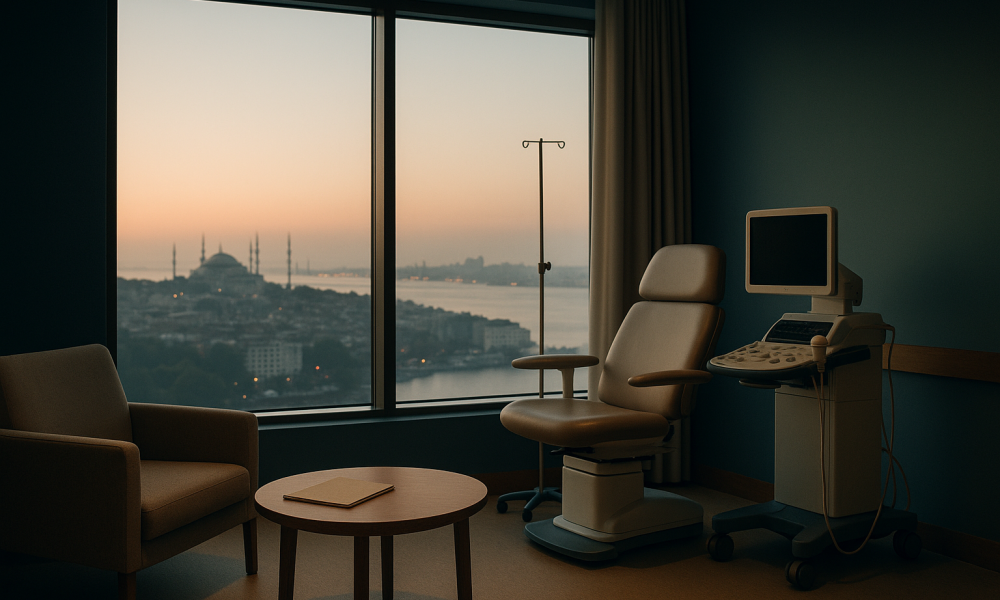
What TURP Prostate Surgery is and who it is for
Transurethral Resection of the Prostate (TURP) is a surgical procedure designed to alleviate symptoms associated with benign prostatic hyperplasia (BPH), a common condition in older men where the prostate gland enlarges, leading to urinary issues. In a TURP procedure, a surgeon removes portions of the prostate that are obstructing urine flow. This is done using a resectoscope, an instrument inserted through the urethra, thus avoiding external incisions.
TURP is often recommended when medication fails to alleviate symptoms such as frequent urination, difficulty starting urination, weak stream, and the sensation of incomplete bladder emptying. It is a well-established procedure with a long history of effectiveness and safety.
The procedure typically lasts between 60 to 90 minutes and is performed under general or spinal anaesthesia. During the procedure, the patient is positioned on their back with legs in stirrups. The resectoscope is inserted through the urethra to the prostate, where an electrical loop cuts away the obstructing tissue. The removed tissue is flushed into the bladder and later expelled from the body.
Patients generally stay in the hospital for one to two days post-surgery. A catheter is usually placed in the bladder to help drain urine and is typically removed within 24 to 48 hours. Most patients report significant improvement in symptoms within a few weeks, with full recovery expected within six to eight weeks.
While TURP is highly effective, it is not without potential risks and complications. These can include bleeding, infection, and, in rare cases, issues such as incontinence or erectile dysfunction. However, these risks are generally low, and the procedure is considered safe when performed by experienced surgeons. It is important for patients to have a thorough discussion with their healthcare provider to understand the benefits and potential risks involved.
Are you a good candidate?
Determining whether you are a suitable candidate for TURP involves a comprehensive evaluation by a healthcare professional. The procedure is primarily intended for men experiencing moderate to severe symptoms of BPH that have not responded adequately to medical therapy. Key factors influencing candidacy include the severity of symptoms, overall health status, and the size of the prostate.
Here is a checklist to help you assess whether you might be a good candidate for TURP:
- Age: Typically recommended for men over 50 years of age.
- Symptom Severity: Moderate to severe urinary symptoms, such as frequent urination, nocturia, urgency, and weak stream.
- Treatment History: Inadequate response to medications such as alpha-blockers or 5-alpha-reductase inhibitors.
- Health Status: Generally good health to withstand anaesthesia and surgery. Conditions like uncontrolled diabetes or severe heart disease may require special consideration.
- Prostate Size: Best suited for men with a prostate size of 30-80 grams. Larger prostates may require alternative surgical approaches.
- Urinary Retention: Presence of urinary retention that affects quality of life.
- Absence of Prostate Cancer: TURP is not a treatment for prostate cancer, so candidates should be assessed for malignancy risks.
For Canadian patients considering TURP in Turkey, it is crucial to consult with both your local healthcare provider and the medical team in Turkey to ensure all health factors are appropriately evaluated. Pre-operative assessments often include a digital rectal exam, PSA (prostate-specific antigen) testing, and imaging studies such as ultrasound to confirm the suitability of TURP.
Being informed about the procedure, understanding the recovery process, and having realistic expectations about the outcomes are essential steps in deciding if TURP is the right choice for you. It is always recommended to engage in open communication with your healthcare providers to address any concerns and to ensure a comprehensive treatment plan is in place.
The procedure, step by step
Transurethral Resection of the Prostate (TURP) is a surgical procedure designed to alleviate the symptoms of an enlarged prostate, a common condition in older men known as benign prostatic hyperplasia (BPH). Understanding the step-by-step process of TURP can help patients prepare mentally and physically for the surgery.
- Preoperative Preparation: Prior to the surgery, patients undergo a series of evaluations including blood tests, urinalysis, and possibly an electrocardiogram (ECG) to ensure overall health suitability for the procedure. Patients are advised to avoid certain medications, particularly blood thinners, for a period leading up to the surgery. Fasting is typically required from midnight before the day of the operation.
- Anaesthesia Administration: On the day of the surgery, patients are admitted to the hospital and administered either general anaesthesia, which renders them unconscious, or spinal anaesthesia, which numbs the lower half of the body. The type of anaesthesia used depends on the patient’s health status and personal preference.
- Insertion of the Resectoscope: With the patient comfortably positioned, the surgeon inserts a resectoscope through the urethra. This instrument is equipped with a camera and a cutting loop to view and access the prostate tissue directly. The surgical team monitors the procedure via a video feed.
- Tissue Resection: The surgeon carefully removes the obstructive prostate tissue using the cutting loop. This step is critical as it alleviates the blockage caused by the enlarged prostate, allowing urine to flow more freely. The removed tissue is flushed out with a continuous flow of saline solution.
- Hemostasis and Catheter Insertion: After resection, the surgeon ensures hemostasis, or bleeding control, by cauterising the tissue. A catheter is then inserted into the bladder to aid urine drainage and allow the surgical site to heal. This catheter often remains in place for one to three days.
- Postoperative Monitoring: Patients are moved to a recovery room where they are closely monitored as the anaesthesia wears off. Vital signs are checked regularly, and pain management is administered as needed. Patients are typically encouraged to start moving gently to aid circulation.
This comprehensive understanding of the TURP procedure can help patients feel more at ease and informed about what to expect during their surgical journey in Turkey.
Recovery timeline
The recovery process following TURP surgery varies among individuals, but there is a general timeline that can guide patients in understanding what to expect during each phase of recovery. This timeline is crucial in helping manage expectations and ensuring optimal care.
| Period | What to Expect | Care Notes |
|---|---|---|
| Day 1 | Most patients remain in the hospital for observation. The catheter is in place to drain urine, and there may be some blood in the urine. | Pain management is administered. Patients should start walking gently to promote circulation. |
| Days 2-3 | The catheter is usually removed, and patients may be discharged if they are urinating comfortably. Some discomfort or urgency during urination is normal. | Maintain hydration by drinking plenty of water. Follow any prescribed medications and avoid strenuous activities. |
| Week 1 | Expect gradual improvement in urination. Some blood in urine and mild discomfort can persist. | Avoid heavy lifting and sexual activity. Continue to monitor for signs of infection such as fever or severe pain. |
| Weeks 2-4 | Urinary symptoms continue to improve. Most patients can resume normal activities but should still avoid heavy lifting. | Follow up with the healthcare provider for a postoperative check-up. Report any unusual symptoms immediately. |
| Weeks 4-6 | Significant improvement in urinary flow and reduction in symptoms. Full recovery is typically achieved by this time. | Patients can return to normal activities, including exercise and sexual activity, upon the doctor’s advice. |
Throughout the recovery process, maintaining communication with healthcare providers in Turkey is essential to address any concerns or complications promptly. This structured recovery timeline helps patients manage their rehabilitation effectively, ensuring a smooth transition back to daily life.
What it costs: Turkey vs Canada
When considering TURP (Transurethral Resection of the Prostate) surgery, one of the most significant factors for international patients is the cost. Understanding the financial implications can help you make an informed decision. The cost of TURP surgery can vary widely depending on the country, the specific healthcare facility, and the details of the package offered.
In Canada, the cost of TURP surgery is often covered by provincial health insurance plans if it is deemed medically necessary. However, wait times can be lengthy, and coverage might not extend to all associated costs such as certain medications or follow-up care. For those seeking private treatment, costs can range from CAD 10,000 to CAD 20,000 depending on the facility and the extent of care required.
In Turkey, TURP surgery is frequently sought by international patients due to its affordability and the high standards of care available. The prices for TURP surgery in Turkey generally range between USD 3,000 and USD 6,000. This cost typically includes hospital fees, surgeon and anaesthetist fees, pre-operative tests, and post-operative care. However, it is crucial to confirm the specifics of what is included in the quoted price with your chosen healthcare provider.
| Country | Indicative Price Range | What Packages Typically Include |
|---|---|---|
| Canada | CAD 10,000 – CAD 20,000 | Hospital stay, surgical fees, limited post-operative care |
| Turkey | USD 3,000 – USD 6,000 | Hospital stay, surgical fees, anaesthetist fees, pre-operative tests, post-operative care |
It is important to note that these figures are indicative and can vary based on the specifics of each case, such as the complexity of the surgery and the length of hospital stay required. Additionally, travel costs, accommodation, and other personal expenses should also be factored into the overall budget when considering treatment abroad.
Many Turkish healthcare facilities offer comprehensive packages that may include airport transfers, hotel accommodations, and even local tours. It is advisable to discuss all available options with your healthcare provider to ensure you have a clear understanding of what is included in the package you choose.
Risks and how accredited providers manage them
Like all surgical procedures, TURP surgery carries certain risks. It is essential for patients to be aware of these risks and understand how accredited providers in Turkey work to minimise them. Common risks associated with TURP surgery include bleeding, infection, and the possibility of TUR syndrome, a rare but serious condition caused by the absorption of irrigation fluids during the procedure.
Bleeding is a typical risk with TURP surgery, and while it is usually manageable, in rare cases, it may require a blood transfusion. Infection is another potential risk, as with any surgical procedure, but it is typically addressed with prophylactic antibiotics and sterile techniques during surgery. TUR syndrome, though rare, involves symptoms such as nausea, vomiting, and confusion, and it requires immediate medical attention.
Accredited healthcare providers in Turkey take several measures to manage these risks effectively. Firstly, they ensure that all surgical environments adhere to international standards of cleanliness and sterility. This minimises the risk of infection. Secondly, pre-operative assessments are conducted to evaluate the patient’s overall health and identify any potential risk factors that might complicate surgery. This thorough evaluation helps in tailoring the surgical approach to each patient’s needs.
Furthermore, experienced surgeons perform TURP procedures using advanced equipment and techniques to ensure precision and reduce the likelihood of complications. The use of modern surgical methods, such as bipolar or laser TURP, can also decrease the risks associated with traditional monopolar TURP.
Post-operative care is a crucial component of risk management. Accredited providers in Turkey typically offer comprehensive post-operative monitoring to swiftly identify and manage any complications that may arise. Patients are closely observed for signs of bleeding, infection, or TUR syndrome, and appropriate interventions are readily available.
Patient education is another critical aspect of risk management. Patients are informed about the signs of potential complications and given clear instructions on whom to contact if they experience any concerning symptoms after discharge. This proactive approach ensures that any issues can be addressed promptly, reducing the risk of serious complications.
In summary, while TURP surgery carries inherent risks, choosing an accredited provider in Turkey can significantly mitigate these risks. By adhering to international standards, employing skilled medical professionals, and providing thorough pre- and post-operative care, Turkish healthcare facilities ensure that patients receive safe and effective treatment.
How to choose the right provider
Choosing the right provider for your Transurethral Resection of the Prostate (TURP) surgery in Turkey requires careful consideration of several factors. Firstly, accreditation is crucial. Look for hospitals accredited by reputable international bodies such as the Joint Commission International (JCI). This accreditation ensures that the facility meets high standards of healthcare quality and patient safety. Additionally, consider the hospital’s reputation and its history of treating international patients.
Surgeon experience is another critical factor. Ideally, your surgeon should have extensive experience in performing TURP procedures, with a track record of successful outcomes. Inquire about the surgeon’s specific experience with patients who have similar medical profiles to yours. It’s also beneficial to know the surgeon’s professional affiliations and any additional training in urological procedures.
Aftercare is a vital component of a successful medical journey. Ensure that the provider offers comprehensive aftercare services, including follow-up consultations, post-operative care instructions, and support for any complications that may arise. The availability of a dedicated patient coordinator can significantly enhance your experience, providing assistance with communication, logistics, and any queries you might have.
Be vigilant for red flags when selecting a provider. Avoid clinics that offer unusually low prices without clear justification, as this may indicate compromised quality of care. Lack of transparency regarding costs, unclear communication, and poor reviews from previous patients are other warning signs. It’s advisable to seek recommendations from trusted sources and, when possible, speak directly with former patients to get their insights.
Ultimately, the right provider will offer a balance of quality, safety, and value, ensuring you receive the best possible care during your medical journey.
Planning your trip
When planning your trip to Turkey for TURP surgery, it’s essential to develop a detailed timeline and gather necessary documents. Generally, you should begin preparations at least two to three months before your intended travel date. This timeframe allows for comprehensive research, consultations, and logistical arrangements.
Important documents to prepare include your medical records, a valid passport, and any required visas. Canadian citizens typically need an e-Visa to enter Turkey, which can be easily obtained online ahead of your departure. Also, ensure you have adequate travel insurance that covers medical procedures abroad. This insurance should include coverage for any potential complications and the cost of extended stays if necessary.
Your length of stay in Turkey will depend on the specifics of your treatment and recovery. Typically, patients are advised to arrive a few days before the surgery to allow time for pre-operative assessments and consultations. Post-surgery, you should plan to stay in Turkey for at least one to two weeks to ensure proper recovery and follow-up care. During this period, you’ll attend follow-up appointments to monitor your progress and address any concerns.
Follow-up care at home is crucial after returning to Canada. Arrange for a local urologist or your primary healthcare provider to oversee your recovery and manage any ongoing needs. Maintain open communication with your Turkish provider to share updates and seek advice if necessary. They should provide you with a detailed report of your surgery and recovery to assist your local healthcare professionals in providing continued care.
Meticulous planning and coordination with your healthcare providers both in Turkey and at home will contribute to a smooth and successful medical journey.
Frequently Asked Questions
What are the typical costs of TURP surgery in Turkey?
The cost of TURP surgery in Turkey generally ranges from £2,500 to £4,000. This price typically includes the surgeon’s fees, hospital stay, and post-operative care. However, it’s important to confirm exactly what is covered in the quoted price and to inquire about any additional expenses that may arise, such as travel and accommodation costs.
Is TURP surgery in Turkey safe?
TURP surgery in Turkey is generally considered safe, particularly when performed in accredited hospitals by experienced surgeons. Facilities with Joint Commission International (JCI) accreditation adhere to high standards of patient safety and care. However, as with any medical procedure, there are risks involved, and it’s important to discuss these with your surgeon before making a decision.
How do I verify a surgeon’s qualifications?
You can verify a surgeon’s qualifications by checking their professional affiliations, certifications, and training background. Reputable clinics will provide detailed profiles of their surgeons, including their experience with TURP procedures. Additionally, you may contact professional medical associations in Turkey for further verification.
What should I include in my travel insurance?
Your travel insurance should cover medical procedures abroad, including any complications that may arise from surgery. It should also include coverage for medical evacuation, extended stays due to recovery needs, and any additional travel expenses incurred due to unforeseen circumstances. Ensure the policy is comprehensive and specifically tailored for medical travel.
How long should I stay in Turkey post-surgery?
Post-surgery, it is recommended to stay in Turkey for at least one to two weeks. This period allows for initial recovery, follow-up appointments, and monitoring of your condition. Your surgeon will provide specific guidance based on your individual circumstances and recovery progress.
What follow-up care is needed after returning home?
After returning home, you should continue follow-up care with a local healthcare provider. This includes regular check-ups to monitor your recovery, managing any symptoms, and coordinating any necessary treatments. Keeping in touch with your Turkish surgeon for remote consultations can also be beneficial.
Are there language barriers in Turkish hospitals?
Many Turkish hospitals that cater to international patients employ English-speaking staff and provide translation services to ensure clear communication. It’s advisable to confirm the availability of these services before your trip to ensure a smooth experience.
What are the red flags when choosing a provider?
Red flags include clinics offering unusually low prices, lack of transparency in pricing, poor communication, and negative reviews from previous patients. Ensure that the facility is accredited by reputable bodies like the Joint Commission International (JCI) and that the surgeon has a proven track record with TURP surgeries.
Do I need a visa to travel to Turkey from Canada?
Yes, Canadian citizens need a visa to enter Turkey. You can apply for an e-Visa online, which is a straightforward process. It’s important to obtain the visa before your departure to avoid any travel disruptions.
How can I prepare for a consultation with a Turkish surgeon?
Prepare for your consultation by gathering your medical records, listing any medications you are taking, and noting down any questions or concerns you have about the procedure. Being well-prepared will help the surgeon provide tailored advice and ensure that all your queries are addressed.
What are the recovery expectations after TURP surgery?
Recovery from TURP surgery typically involves a hospital stay of one to two days, followed by a few weeks of rest. Most patients can return to normal activities within four to six weeks. Your surgeon will provide a detailed recovery plan, including any activity restrictions and follow-up care instructions.
Can I travel alone for the surgery?
While it is possible to travel alone, it is recommended to have a companion for support, especially during the immediate post-operative period. A companion can assist with logistics, provide emotional support, and help communicate with healthcare providers if needed.