
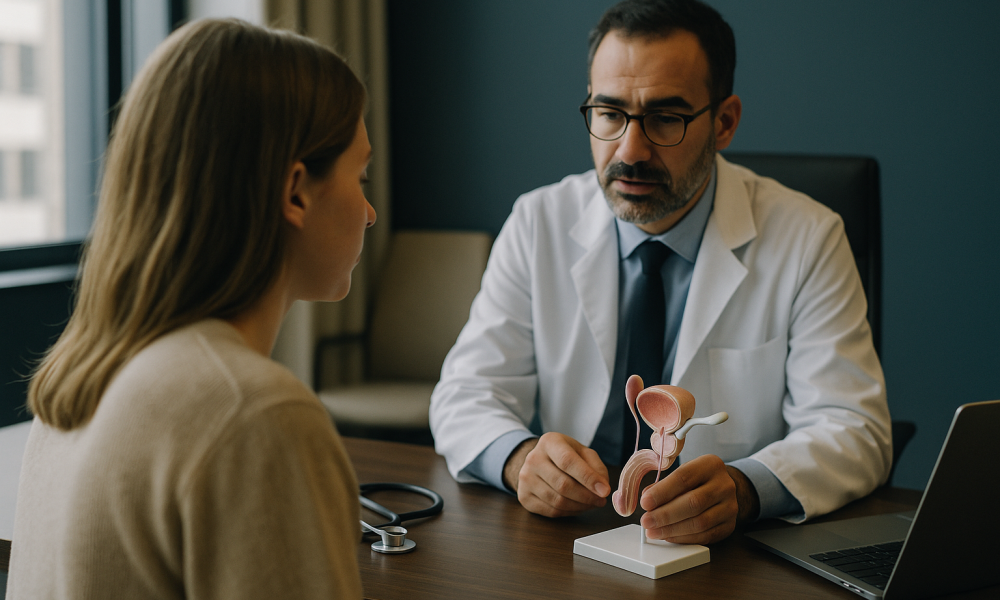
What Peyronie's Disease Treatment is and who it is for
Peyronie’s Disease is a condition characterised by the development of fibrous scar tissue inside the penis, leading to curved, painful erections. The condition can significantly impact a man’s quality of life, affecting sexual function and emotional well-being. Treatment for Peyronie’s Disease in Turkey offers a range of options, from non-surgical interventions to surgical corrections, tailored to the patient’s specific needs.
Non-surgical treatments are often the first line of approach and may include oral medications, such as pentoxifylline, which is believed to help reduce plaque size and improve penile curvature. Other non-invasive methods include injection therapies, where medications like collagenase clostridium histolyticum are injected directly into the plaque to break it down, potentially improving curvature and reducing pain.
For patients who do not respond to non-surgical methods, surgical options may be considered. Surgery is generally recommended for men with severe curvature that interferes with sexual function or when non-surgical methods fail. Surgical procedures include plication techniques, plaque incision and grafting, or penile prosthesis implantation. The choice of surgery depends on factors such as the degree of curvature, the length of the penis, and the presence of erectile dysfunction.
Turkey has become a popular destination for medical tourism, offering high-quality healthcare services at competitive prices. Patients from Australia can benefit from the expertise of experienced urologists who are well-versed in the latest treatments for Peyronie’s Disease. The typical cost for treatment in Turkey ranges from €2,000 to €6,000, depending on the complexity and type of procedure chosen. While these figures are indicative, they reflect the significant cost savings compared to similar treatments in Australia.
In summary, Peyronie’s Disease treatment in Turkey provides a comprehensive approach for men seeking relief from this condition. With advanced medical facilities, expert practitioners, and competitive pricing, Turkey presents a viable option for international patients, particularly those from Australia seeking specialised care.
Are you a good candidate?
Determining whether you are a suitable candidate for Peyronie’s Disease treatment involves a thorough evaluation of your condition and overall health. While not everyone with Peyronie’s Disease will require intervention, specific criteria can help identify those who might benefit most from treatment.
Here is a checklist to help assess your candidacy for treatment:
- Severity of Curvature: Patients experiencing a penile curvature greater than 30 degrees, particularly if it causes significant pain or functional impairment during intercourse, may be ideal candidates for surgical intervention.
- Stable Disease: Treatment is typically recommended once the disease has stabilised, meaning there has been no change in curvature or pain for at least six months.
- Age and Overall Health: Candidates should be in good general health to undergo surgery or other intensive treatments. This includes managing any underlying conditions such as diabetes or cardiovascular issues.
- Psychological Impact: If the condition is causing substantial emotional distress, affecting relationships or quality of life, treatment may be warranted.
- Response to Non-surgical Treatments: If non-surgical options have been exhausted or deemed ineffective, surgical intervention might be the next step.
- Presence of Erectile Dysfunction: Candidates with concurrent erectile dysfunction may benefit from specific treatments that address both issues, such as penile prosthesis.
It’s essential to have a detailed discussion with a qualified urologist to understand the potential benefits and risks associated with each treatment option. In Turkey, healthcare providers are committed to offering personalised care plans, ensuring that each patient’s unique needs and circumstances are thoroughly considered.
Ultimately, the decision to pursue treatment should be based on a comprehensive assessment of your condition, personal preferences, and the potential impact on your quality of life. With the right guidance and support, you can make an informed choice that aligns with your health goals.
The procedure, step by step
Treatment for Peyronie’s Disease in Turkey typically involves a series of carefully planned steps, ensuring that each patient receives personalised care. Here is a comprehensive overview of the procedural steps:
- Initial Consultation: The journey begins with an in-depth consultation with a specialist. During this session, the doctor will review the patient’s medical history, conduct a physical examination, and possibly use ultrasound imaging to assess the severity and nature of the penile curvature. This step is crucial for creating a tailored treatment plan.
- Pre-procedure Assessments: Prior to any intervention, patients may undergo blood tests and other diagnostic evaluations to ensure they are in good health and to rule out any contraindications for surgery or other treatments. These assessments are vital for mitigating potential risks.
- Discussion of Treatment Options: Based on the initial assessments, the specialist will discuss available treatment options. For Peyronie’s Disease, these might include surgical correction (such as plication or plaque incision and grafting), medication, or non-surgical interventions like shockwave therapy or injections of collagenase. The pros and cons of each method, along with potential outcomes, will be explained thoroughly.
- Preparation for Surgery: If surgery is chosen, patients will receive detailed instructions on how to prepare, which may include fasting, adjusting current medications, and arranging for post-operative transportation. Adherence to these instructions is essential for a smooth procedure.
- The Surgical Procedure: On the day of the surgery, which typically lasts between 1 to 3 hours, the patient will be placed under local or general anaesthesia. The specific surgical technique will depend on the degree of curvature and the presence of erectile dysfunction. For instance, plication involves suturing the longer side of the penis to straighten it, while plaque incision and grafting involve making an incision in the plaque and placing a graft to allow for better straightening.
- Post-operative Care: After surgery, patients are monitored in a recovery room until the effects of anaesthesia wear off. They may experience swelling and discomfort, which is usually managed with prescribed pain relief medications. Most patients are discharged the same day or within 24 hours.
Throughout the entire process, from consultation to post-operative care, communication with the healthcare team is key. Patients are encouraged to ask questions and voice any concerns they may have to ensure they are fully informed and comfortable at each stage.
Recovery timeline
The recovery process following Peyronie’s Disease treatment in Turkey is structured to facilitate gradual healing while minimising discomfort. Below is a detailed timeline outlining what patients can expect:
| Period | What to Expect | Care Notes |
|---|---|---|
| Day 1 | Immediate post-operative period with some pain and swelling. Patients often feel drowsy from anaesthesia. | Rest is crucial. Pain relief should be taken as prescribed. Avoid any strenuous activity. |
| Days 2-7 | Swelling and bruising may persist. Some discomfort during urination is possible. | Continue with prescribed medications. Gentle walking is encouraged to promote circulation. |
| Week 2 | Noticeable reduction in swelling. Patients can resume light activities. | Follow-up appointment with the doctor to assess healing progress. Gradually increase activity level as advised. |
| Weeks 3-4 | Most swelling and bruising should subside. Mild discomfort may persist. | Begin gentle stretching exercises if recommended by the healthcare provider. Continue attending follow-up visits. |
| Weeks 5-6 | Significant improvement in comfort and mobility. Resumption of normal activities, excluding sexual intercourse. | Adhere to any additional care instructions provided. Report any unusual symptoms immediately. |
| Weeks 7-8 | Full recovery for most patients. Patients can typically resume sexual activity, contingent upon doctor’s approval. | Engage in a normal routine but remain cautious of any discomfort. Follow up with the healthcare provider as scheduled. |
Throughout the recovery period, maintaining open communication with healthcare providers is essential. This ensures any issues are promptly addressed, and the recovery process is as smooth and effective as possible. Patients are advised to adhere strictly to the post-operative care instructions provided by their medical team.
What it costs: Turkey vs Australia
When considering treatment for Peyronie’s Disease, cost is a significant factor, especially for international patients. Turkey has become a popular destination for medical tourism, offering high-quality care at competitive prices. However, it is essential to understand the typical costs involved and how they compare to those in Australia.
The cost of treating Peyronie’s Disease can vary depending on the specific treatment required, the complexity of the case, and the clinic’s location and reputation. In Turkey, patients can expect indicative price ranges for common treatments as follows:
- Shockwave Therapy: Typically ranges from €1,200 to €2,000 for a complete course.
- Collagenase Injections: Generally cost between €2,500 and €4,000.
- Surgical Correction: Often priced from €3,500 to €6,500.
In contrast, the same treatments in Australia tend to be more expensive due to higher operational costs:
- Shockwave Therapy: Indicatively ranges from €2,500 to €4,000.
- Collagenase Injections: Typically cost between €5,000 and €7,500.
- Surgical Correction: Often priced from €7,000 to €10,000.
These figures are indicative and can vary based on individual circumstances and the specifics of the treatment plan. It’s crucial for patients to consult with their chosen healthcare provider for a detailed quote.
In terms of packages, Turkish clinics often offer comprehensive packages that include additional services beyond the treatment itself. These packages may cover:
- Initial Consultation: A thorough assessment with a specialist.
- Pre-operative Tests: Including blood tests and imaging if necessary.
- Post-operative Care: Follow-up consultations and any necessary medications.
- Accommodation: Assistance with hotel bookings or on-site accommodation.
- Transport: Airport transfers and local transportation.
Australian clinics may also offer similar services, but these tend to be priced separately, increasing the overall cost. Thus, the comprehensive nature of packages in Turkey can provide better value for money, especially for those travelling from abroad.
| Treatment | Turkey (Indicative) | Australia (Indicative) |
|---|---|---|
| Shockwave Therapy | €1,200 – €2,000 | €2,500 – €4,000 |
| Collagenase Injections | €2,500 – €4,000 | €5,000 – €7,500 |
| Surgical Correction | €3,500 – €6,500 | €7,000 – €10,000 |
Ultimately, while cost is a critical consideration, patients should also evaluate the quality of care, the expertise of the medical team, and the level of post-operative support provided by the clinic.
Risks and how accredited providers manage them
Undergoing treatment for Peyronie’s Disease, like any medical procedure, carries certain risks. Understanding these risks and how they are managed by accredited providers in Turkey is essential for prospective patients.
One of the primary risks associated with Peyronie’s Disease treatment is the potential for infection, particularly following surgical procedures. Accredited clinics in Turkey adhere to stringent hygiene protocols to mitigate this risk. This includes the use of sterile equipment, aseptic techniques during surgery, and comprehensive post-operative care to monitor and address any signs of infection promptly.
Another concern is the possibility of recurrence of the condition or insufficient correction of penile curvature. Accredited providers manage this risk by conducting thorough pre-operative assessments to determine the most appropriate treatment plan for each patient. This personalised approach helps ensure that the chosen intervention is likely to yield the best possible outcome.
For non-surgical treatments such as shockwave therapy and collagenase injections, there are risks of minor side effects such as bruising, swelling, or pain at the site of treatment. These are generally temporary and managed with appropriate aftercare. Clinics typically provide detailed post-treatment instructions and are available for follow-up consultations to address any concerns.
In rare cases, surgical treatments can lead to complications such as erectile dysfunction or penile shortening. Accredited clinics in Turkey employ experienced surgeons who specialise in urological procedures to minimise these risks. They also utilise advanced surgical techniques designed to preserve erectile function and penile length as much as possible.
Furthermore, accredited providers in Turkey are often part of international healthcare accreditation bodies, which require adherence to global standards of patient safety and care quality. These accreditations ensure that clinics maintain a high level of competence and continuously improve their practices to enhance patient outcomes.
To manage risks effectively, Turkish clinics often offer comprehensive pre-operative counselling to educate patients about potential risks and benefits, allowing them to make informed decisions. This transparency is crucial in fostering trust and ensuring that patients feel confident in their treatment choices.
In conclusion, while there are inherent risks associated with treating Peyronie’s Disease, accredited providers in Turkey are well-equipped to manage these risks through rigorous protocols, expert medical teams, and a commitment to maintaining high standards of patient care. Prospective patients are encouraged to thoroughly research their options and communicate openly with their chosen provider to ensure a safe and effective treatment experience.
How to choose the right provider
When considering treatment for Peyronie’s Disease in Turkey, selecting the right provider is crucial for ensuring a successful and comfortable experience. Here are key factors to consider:
Accreditation: Verify that the healthcare facility is accredited by recognised international organisations such as the Joint Commission International (JCI) or the International Organization for Standardization (ISO). These accreditations ensure that the clinic meets international standards for quality and safety in healthcare.
Surgeon Experience: Research the credentials and experience of the surgeon who will perform your procedure. Look for specialists who have extensive experience in treating Peyronie’s Disease and who are board-certified in urology. It is advisable to ask about their success rates and any additional training or fellowships they have completed in this specific area.
Aftercare: Consider the level of aftercare provided by the clinic. Comprehensive aftercare is essential for monitoring recovery and managing any post-operative complications. Inquire whether the clinic offers follow-up consultations and how they handle communication once you have returned home. A good provider will offer a structured aftercare plan tailored to your needs.
Red Flags: Be cautious of providers who offer unusually low prices or make unrealistic promises about outcomes. Avoid clinics that do not provide transparent information about their services, including detailed breakdowns of costs and procedures. Check online reviews and patient testimonials, but be mindful of overly positive reviews that may not be genuine.
In summary, choosing the right provider involves thorough research and consideration of accreditation, surgeon experience, aftercare options, and potential red flags. Take the time to consult with multiple providers, ask detailed questions, and ensure you feel confident in your choice before proceeding with treatment.
Planning your trip
Proper planning is essential when travelling to Turkey for treatment of Peyronie’s Disease. Here is a comprehensive guide to help you prepare:
Timeline Before Travel: Begin planning your trip at least three months in advance. This timeframe allows you to research and select a healthcare provider, arrange consultations, and secure necessary travel documents.
Documents: Ensure your passport is valid for at least six months beyond your planned stay. Check if you require a visa to enter Turkey and apply well in advance. Gather your medical records, including any previous treatments or tests related to Peyronie’s Disease, to provide your healthcare provider with a comprehensive medical history.
Length of Stay: The typical stay for treatment ranges from one to two weeks, depending on the complexity of the procedure and recovery needs. Discuss the expected duration with your provider to plan accommodations and travel arrangements accordingly.
Follow-up at Home: After returning to Australia, follow-up care is crucial. Ensure you have a plan in place with your local healthcare provider for ongoing monitoring and any necessary rehabilitation. Your Turkish provider should also offer remote consultations to address any post-treatment concerns and to ensure a smooth recovery process.
By planning ahead and considering these key aspects, you can ensure a smooth and stress-free experience when travelling to Turkey for treatment.
Frequently Asked Questions
What is the typical cost of Peyronie's Disease treatment in Turkey?
The cost of Peyronie's Disease treatment in Turkey varies depending on the procedure and the healthcare provider. On average, surgical treatment costs range from £2,500 to £6,000, while non-surgical options can be lower, ranging from £1,000 to £3,000. These figures are indicative and may vary based on the complexity of the case and the clinic's pricing structure.
Is it safe to have surgery for Peyronie's Disease in Turkey?
Turkey is home to many internationally accredited healthcare facilities that adhere to strict safety and quality standards. As long as you choose a reputable provider with proper accreditation, such as JCI, and an experienced surgeon, the safety of surgery in Turkey can be comparable to that in Australia. Always ensure thorough research and consultation prior to making a decision.
How long should I plan to stay in Turkey for the treatment?
The typical stay in Turkey for Peyronie's Disease treatment ranges from one to two weeks. This duration allows for the procedure, initial recovery, and follow-up consultations with your healthcare provider. It's crucial to confirm the expected length of stay with your chosen clinic to make appropriate travel and accommodation arrangements.
What should I look for in a surgeon for Peyronie's Disease treatment?
When selecting a surgeon, consider their experience and specialisation in treating Peyronie's Disease. Look for board-certified urologists with a proven track record of successful treatments. Additionally, check for any advanced training or fellowships in this specific area and seek out patient reviews or testimonials to gauge their reputation and patient satisfaction.
What is the recovery process like after Peyronie's Disease treatment?
Recovery varies depending on the treatment type. Surgical patients may experience swelling and discomfort for a few weeks, with most resuming normal activities within four to six weeks. Non-surgical treatments typically involve less downtime. Follow your surgeon's aftercare instructions and maintain regular follow-up appointments to monitor your recovery progress.
Will my health insurance cover treatment abroad?
Coverage for treatment abroad depends on your insurance policy. Some insurers offer international coverage, while others do not. It's essential to contact your insurance provider to understand your coverage options, any out-of-pocket expenses, and the documentation required for reimbursement. Consider purchasing additional travel health insurance if necessary.
What documents do I need to bring for treatment?
Bring your passport, visa (if required), and comprehensive medical records, including any previous treatments or tests related to Peyronie's Disease. These documents will assist your healthcare provider in understanding your medical history and tailoring the treatment plan accordingly. Also, have copies of your health insurance details if applicable.
How do I manage follow-up care once I return to Australia?
Before leaving Turkey, ensure a follow-up care plan is in place with both your Turkish healthcare provider and your local doctor in Australia. This plan should include remote consultations, if necessary, and regular check-ups with your local healthcare provider to monitor recovery and address any ongoing concerns.
What are the risks associated with Peyronie's Disease surgery?
As with any surgery, risks include infection, bleeding, and adverse reactions to anaesthesia. Specific to Peyronie's Disease surgery, there may be risks of erectile dysfunction, penile shortening, or recurrence of curvature. Discuss these risks thoroughly with your surgeon to understand how they apply to your individual case and how they can be mitigated.
Can I choose non-surgical treatments in Turkey?
Yes, non-surgical treatments for Peyronie's Disease, such as oral medications, injections, and shockwave therapy, are available in Turkey. These treatments may be suitable for certain stages of the condition or as complementary therapies. Consult with your healthcare provider to determine the most appropriate treatment based on your specific condition and medical history.
How soon can I travel after surgery?
Travel after surgery is generally advised after a minimum of one week, allowing time for initial recovery and ensuring there are no immediate post-operative complications. However, this can vary based on individual recovery and the advice of your healthcare provider. Always follow your surgeon's specific recommendations regarding travel.
Are there any cultural considerations I should be aware of when travelling to Turkey for treatment?
Turkey is a culturally rich country with customs that may differ from Australia. It is respectful to dress modestly, especially in religious or rural areas, and to understand basic Turkish phrases and etiquette. Additionally, familiarise yourself with the local healthcare system and currency to ensure a smoother experience during your stay.