
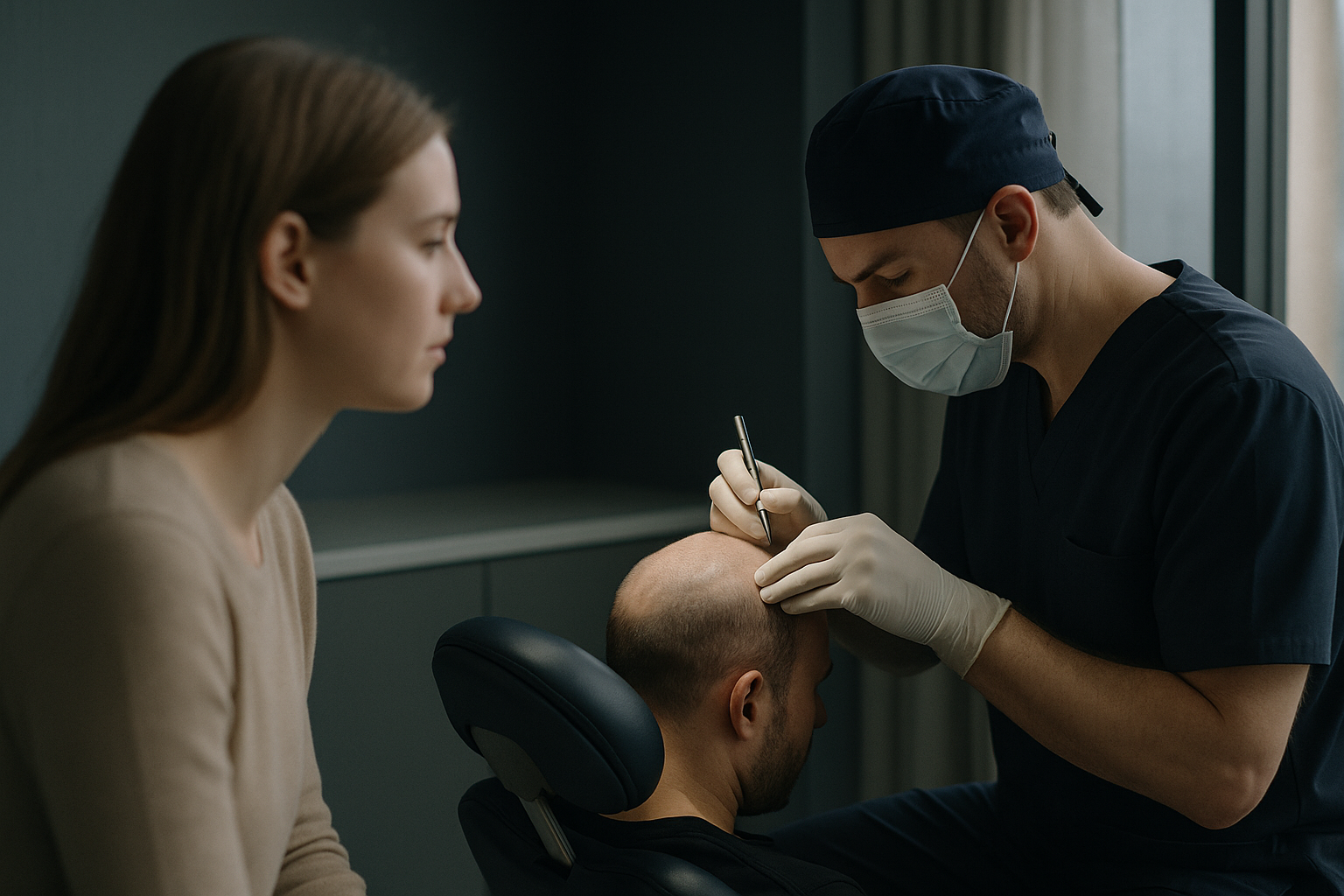
FUE hair implant is a popular choice for those seeking hair restoration. This minimally invasive procedure offers natural-looking results and involves extracting individual hair follicles from a donor area to implant them in balding or thinning areas. Understanding costs, timelines, and safety measures is crucial for prospective international patients.
What is FUE Hair Transplant?
FUE, or Follicular Unit Extraction, is a hair transplant technique where individual hair follicles are extracted from a donor site, usually the back of the head, and implanted into thinning or balding areas. This method is preferred for its minimally invasive nature and ability to provide natural-looking results. Unlike traditional strip-method transplants, FUE leaves no linear scar, making it a sought-after option for many patients. The procedure begins with a detailed consultation to assess hair loss patterns and determine suitable donor and recipient sites. During this consultation, the surgeon evaluates the density and quality of the donor hair, discusses patient expectations, and outlines the potential outcomes.
The actual extraction and implantation involve the use of fine instruments, ensuring precision and minimal discomfort. A local anesthetic is typically administered to the donor and recipient areas, which can help minimize pain during the procedure. The extracted follicles, usually between 1-4 hairs, are meticulously implanted into the recipient site, following the natural hair growth pattern for optimal results. The precision of the process contributes significantly to the natural appearance of the hair post-transplant. Surgeons often use advanced technologies such as digital imaging to enhance accuracy and customize the transplant design to each patient’s unique hairline and growth pattern.
Recovery is typically swift, allowing patients to return to normal activities within a few days. The absence of a large scar means that post-operative pain and complications are minimized. Patients often experience minor swelling or redness, which usually subsides quickly. Over the following months, transplanted hair will gradually grow, with full results visible after 12 to 18 months, as this is the natural hair growth cycle. Regular follow-ups with the surgeon ensure that the transplant is progressing well. During these follow-ups, the doctor may recommend supplements or topical treatments to support hair growth and maximize the transplant’s success.
How Much Does FUE Hair Transplant Cost?
The cost of an FUE hair transplant varies significantly depending on several factors, including the country, the clinic’s reputation, and the extent of hair loss. In countries with advanced healthcare systems, prices can range from $5,000 to $15,000. However, in regions offering more competitive pricing, such as Turkey or India, costs might be lower, ranging from $2,000 to $6,000. This price range can make FUE accessible to a broader audience, but potential patients should assess all associated costs beyond the procedure itself. For instance, patients should also consider the surgeon’s experience and qualifications, as these can influence the success rate and overall quality of the outcome.
It’s essential to consider the total costs, which may include consultation fees, medications, and aftercare. Some clinics offer packages that encompass these aspects, providing a clearer understanding of what the final bill will look like. Packages might include follow-up visits, post-operative care kits, and additional touch-up sessions if necessary. Patients should ensure they understand all elements of the pricing structure to avoid unexpected expenses. It’s advisable to compare multiple quotes from various clinics while ensuring the quality of care is not compromised for cost savings. Analyzing the clinic’s accreditation and the surgeon’s expertise is as crucial as the cost itself.
In addition, travel expenses for international patients can add to the total cost. These might include airfare, accommodation, and local transportation. Some clinics offer concierge services to assist with these logistics, making the experience smoother. Prospective patients should weigh these factors carefully against their budget, and potentially consult with financial advisors if necessary. Ultimately, while cost is a significant consideration, it should not overshadow the importance of choosing a reputable clinic and experienced surgeon. Ensuring a successful and safe outcome is the priority, which is often reflected in the clinic’s history and patient testimonials.
Do Most Hair Transplant Surgeons Use Manual FUE or Neograft?
Surgeons employ different techniques based on their expertise and the specific needs of the patient. Manual FUE involves the manual extraction of follicles using a punch tool, allowing for greater control and precision. Neograft, on the other hand, is an automated device that assists in both extraction and implantation, potentially reducing procedure time. Both methods have their own set of advantages and limitations, and the choice often comes down to the specific circumstances of the procedure and the surgeon’s preference. For instance, manual FUE might be preferred for patients with particularly delicate or uniquely textured hair, while Neograft can be more efficient for larger sessions.
Manual FUE is typically favored for its precision in delicate cases, where the surgeon can closely monitor the angle and depth of each extraction. This method can be particularly beneficial for patients with unique hair characteristics, such as curly or very fine hair, where precision is paramount. Neograft, being automated, can handle larger sessions efficiently, which might be ideal for patients requiring extensive coverage in a single setting. However, the success of Neograft heavily depends on the skill and experience of the technician operating the machine. It’s crucial that the technician is well-trained to ensure optimal results.
Patients should discuss these options with their surgeon to determine the best approach for their needs. The surgeon’s experience with each method and their success rates can provide valuable insights. Also, understanding the patient’s hair type, scalp condition, and the desired outcome are critical factors in deciding the most suitable technique. Ultimately, the right choice will balance efficiency, precision, and the specific requirements of the patient’s hair restoration goals. A personalized consultation will help clarify which method aligns best with the patient’s expectations and physiological conditions.
How Long is the Recovery Time for FUE Hair Replacement?
Recovery time after an FUE hair replacement is relatively short. Most patients experience minor swelling and redness in the transplanted area, which subsides within a few days. It’s common for small scabs to form around the transplanted follicles, which generally fall off naturally within a week. These are normal parts of the healing process, and patients are often advised to follow a gentle hair care routine to prevent any disturbance to the newly implanted follicles. This might include using a mild, sulfate-free shampoo and avoiding any harsh hair care products.
Patients are usually advised to avoid strenuous activities for at least a week to prevent any disruption to the newly implanted follicles. This includes avoiding heavy lifting, intense exercise, or any activity that might cause excessive sweating or increase blood pressure. It’s crucial to follow the post-operative care instructions provided by the clinic to ensure optimal healing and transplant success. Wearing a loose-fitting hat or hood can help protect the treated area from direct sunlight and dirt. Some clinics may also recommend sleeping with the head elevated to minimize swelling.
A return to normal routines is typically possible within two weeks, with ongoing care instructions provided by the clinic to ensure optimal results. Follow-up appointments are crucial during this period to monitor progress and address any concerns. The transplanted hair will initially shed, which is a normal phase known as “shock loss.” New hair growth begins a few months post-procedure, with significant improvements visible around the six-month mark. Long-term, the transplanted hair will grow naturally, providing a permanent solution to hair loss. Patients are encouraged to maintain a healthy lifestyle to support the vitality of their new hair.
Safety and Accreditation in FUE Hair Implants
When considering an FUE hair implant, safety and accreditation of the clinic and surgeon are paramount. Prospective patients should verify that the facility adheres to international hygiene standards and that the surgeon is board-certified with extensive experience in hair transplantation. Accreditation from recognized medical boards or associations ensures that the clinic meets rigorous standards in terms of patient care, safety protocols, and surgical expertise. These endorsements often reflect a commitment to continuous training and adherence to the latest advancements in the field.
Accredited clinics often provide comprehensive pre-operative consultations and thorough aftercare instructions to ensure patient safety and satisfaction. This includes discussing potential risks, benefits, and expected outcomes of the procedure. Checking for reviews and testimonials from previous patients can also provide valuable insight into the quality of care offered. While online reviews can be helpful, speaking directly with past patients or viewing before-and-after photos during consultations can offer a more personal understanding of the clinic’s results. These interactions help establish realistic expectations and build trust.
Additionally, clinics with a solid track record in FUE procedures are likely to have the latest technology and techniques, contributing to better outcomes. Transparency about the surgeon’s experience and the clinic’s success rates can build trust and confidence. Patients should feel empowered to ask questions and seek clarifications during consultations, ensuring they make informed decisions about their hair restoration journey. Ultimately, prioritizing safety and accreditation can significantly impact the overall success and satisfaction of the FUE hair implant experience. This focus on quality over cost can lead to superior results and long-term patient satisfaction.
What to Expect During Your FUE Hair Transplant Journey
The journey of undergoing an FUE hair transplant involves several stages, beginning with initial consultations and ending with post-operative care. Patients are encouraged to ask questions and express any concerns during the consultation phase to ensure they are comfortable with the procedure and understand the expected outcomes. The consultation is a critical opportunity to align expectations with realistic results, guided by the surgeon’s expertise and past success stories. During this stage, patients also discuss their medical history to identify any potential risks or contraindications.
On the day of the procedure, patients should anticipate spending several hours at the clinic, as the meticulous nature of FUE requires time for precise extraction and implantation. The process is generally performed under local anesthesia, ensuring minimal discomfort. Patients may be advised to bring entertainment, as they will be seated or lying down for extended periods. The clinic staff will typically provide breaks and refreshments to ensure the patient remains comfortable throughout the procedure. This environment helps reduce anxiety and maintain a calm atmosphere.
Post-procedure, following all care instructions is crucial for the success of the transplant. This includes avoiding certain activities, adhering to prescribed medications, and attending follow-up appointments. The first few days are critical for healing, and patients should keep the recipient area clean and safe from irritation. Continued communication with the clinic ensures any potential issues are addressed promptly, contributing to a smooth recovery and successful hair growth. Over time, as the transplanted hair grows, patients can enjoy the full benefits of their FUE hair implant, with results that enhance both appearance and confidence. This journey not only transforms physical appearance but often boosts self-esteem and overall well-being.
Comparing FUE Hair Implant with Other Hair Restoration Methods
There are various hair restoration techniques available, each with its own benefits and drawbacks. FUE stands out for its minimally invasive approach and lack of visible scarring compared to the FUT (Follicular Unit Transplantation) method, which involves removing a strip of skin from the donor area. This results in a linear scar, which can be a concern for those who prefer shorter hairstyles. FUE’s method of extracting individual follicles minimizes scarring, making it a popular choice for individuals who prioritize aesthetic outcomes. This technique is particularly appealing to younger patients or those in professions where appearance is crucial.
| Method | Invasiveness | Scarring | Recovery Time |
|---|---|---|---|
| FUE | Low | Minimal | Short |
| FUT | Higher | Visible Linear | Longer |
In addition to FUT, other methods such as scalp micropigmentation (SMP) and non-surgical options like medications (Minoxidil, Finasteride) offer alternatives for those seeking different solutions. SMP provides the illusion of fuller hair through tattooing, while medications can slow hair loss progression or stimulate new growth. However, these methods do not offer the permanent, natural results that FUE can provide. They are often considered adjuncts to surgical options or for patients who are not suitable candidates for surgery.
Comparing these methods can help patients make informed decisions based on their personal preferences and medical advice. Factors such as cost, desired results, recovery time, and risk tolerance should all be considered. Consulting with a qualified hair restoration specialist can provide clarity and guidance in choosing the most appropriate method to meet individual goals. In conclusion, the FUE hair implant procedure offers a promising solution for those seeking to restore their hair with natural-looking results. By understanding the costs, recovery process, and safety measures involved, prospective patients can make informed decisions and embark on their hair restoration journey with confidence. The choice of method should align with the patient’s long-term hair health goals and lifestyle preferences.
Proven result
20 to 200 hair-transplant patients a month from Australia
Aesthetic surgery group
Frequently asked questions
How much does FUE hair transplant cost?
FUE hair transplant costs vary by location, typically ranging from $2,000 to $15,000, depending on the clinic and country.
What is a FUE hair transplant?
FUE hair transplant involves extracting individual hair follicles from a donor area and implanting them in balding regions, offering natural results.
Do most hair transplant surgeons use manual FUE or Neograft?
Surgeons use both manual FUE and Neograft based on patient needs and their expertise; both methods offer unique benefits.
How long is the recovery time for FUE hair replacement?
Recovery from FUE hair replacement is typically short, with most patients resuming normal activities within two weeks.
What safety measures should I consider for FUE hair implants?
Ensure the clinic is accredited, the surgeon is certified, and the facility follows international hygiene standards for safety.
Related guides

Turkey Hospitals vs Local Hospitals Compared
A lower procedure quote can get a patient’s attention. It should not make the decision on its own.…

Patient Experience That Drives Trust and Growth
A patient who has already uploaded medical records, compared providers, and arranged time away from work is not…

What Is a Medical Travel Facilitator and Why Use One?
A lower treatment quote can look compelling until you try to compare what it actually includes: surgeon fees,…