
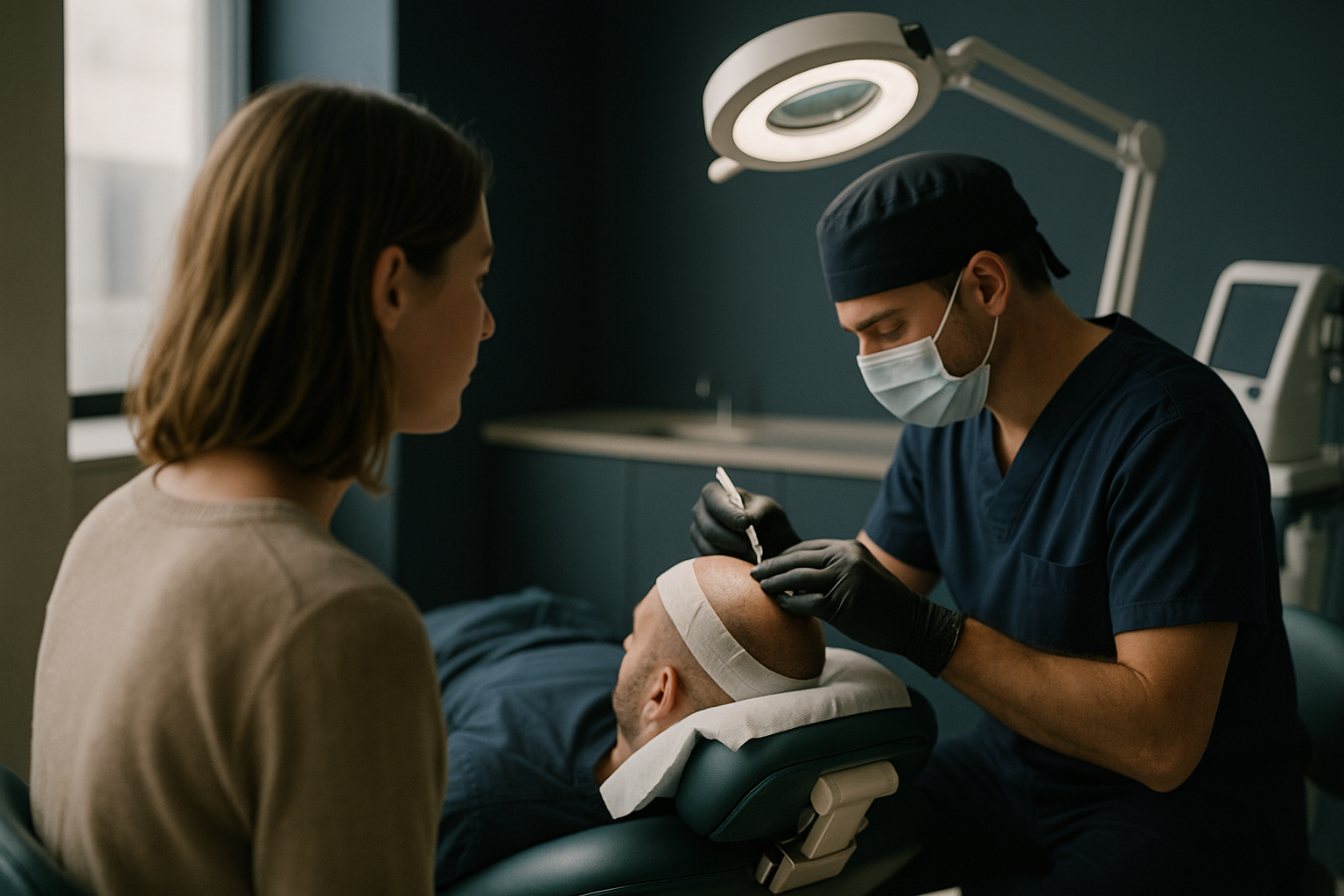
FUE hair replacement is a popular and effective solution for those experiencing hair loss. This procedure offers a minimally invasive technique to restore hair naturally. Understanding the process, costs, and considerations of FUE hair replacement can help prospective patients make informed decisions.
What is FUE Hair Replacement?
Follicular Unit Extraction (FUE) is a hair transplantation technique that involves extracting individual hair follicles from a donor area, usually the back of the head, and implanting them into the balding or thinning areas. Unlike the strip method, FUE leaves minimal scarring, making it a preferred choice for many seeking a natural look. This technique has gained popularity due to its effectiveness in achieving a more natural appearance, as the individual placement of follicles allows for tailored hairlines and density.
The procedure begins with the surgeon using a small punch tool, typically ranging from 0.7mm to 1.0mm in diameter, to remove follicles one by one. These follicles are then placed strategically in the bald areas. The meticulous nature of the process ensures that the transplanted hair grows naturally and blends seamlessly with existing hair. This precision is crucial for achieving a consistent look, especially in areas like the hairline where aesthetic balance is most noticeable.
FUE hair replacement is suitable for those with mild to moderate hair loss and those seeking to restore eyebrows or beards. It is less invasive with a quicker recovery time compared to traditional methods. Patients often appreciate the flexibility FUE provides, as they can wear shorter hairstyles without worrying about visible scars. The versatility and precision of FUE make it a highly customizable option, allowing surgeons to cater to the personal preferences and unique hair growth patterns of each patient.
How Much Does FUE Hair Transplant Cost?
The cost of FUE hair transplant varies widely depending on several factors including the clinic’s location, surgeon’s expertise, and the number of grafts needed. On average, costs can range from $4,000 to $15,000. Clinics in metropolitan areas or those with highly experienced surgeons tend to charge more, reflecting the demand and quality of care offered. Patients should consider these variables while planning their budget.
It’s essential to consider not just the initial price but also potential additional costs such as consultation fees, post-operative care, and travel expenses if opting for treatment abroad. Some clinics offer financing options, making the procedure more accessible. For example, some patients choose to travel to countries like Turkey or India, where the procedure might be more affordable even after accounting for travel and accommodation costs.
Comparing prices and services across multiple clinics can help ensure that you receive value for your investment. Always verify the credentials and experience of the surgeon performing the procedure. Seeking recommendations and reading reviews can provide insights into the satisfaction of previous patients. Ultimately, while cost is an important factor, the expertise of the surgeon and the clinic’s standards should be the primary considerations to ensure a successful outcome.
Manual FUE vs Neograft: Which is Better?
When considering FUE hair replacement, understanding the difference between manual FUE and the Neograft technique is crucial. Manual FUE involves the surgeon manually extracting each follicle, offering precision and control. This method allows for customization based on the patient’s hair characteristics, such as follicle size and density, which can significantly impact the natural look of the transplant.
Neograft, on the other hand, is a semi-automated process that uses a machine to assist in the extraction of follicles. This can speed up the procedure and reduce human error. However, it may not offer the same level of customization as manual FUE. The Neograft device uses pneumatic pressure to extract follicles, which can be beneficial in reducing the time of the procedure and patient discomfort.
Both techniques have their advantages, and the choice often depends on the surgeon’s expertise and the specific needs of the patient. Consulting with a qualified surgeon can help determine the best approach for your hair restoration goals. Some patients might prioritize the reduced procedure time of Neograft, while others may value the detailed customization that manual FUE provides. Factors such as the extent of hair loss, desired hairline design, and even the patient’s pain tolerance levels can influence the decision-making process.
Steps to Prepare for FUE Hair Replacement
Before undergoing an FUE hair replacement, a thorough consultation with the surgeon is essential. This initial meeting will help assess your suitability for the procedure, discuss your goals, and outline the expected outcomes. During this consultation, the surgeon will evaluate the donor area to ensure there is sufficient hair for transplantation and discuss any underlying health issues that might affect the procedure.
Patients should avoid blood thinners, alcohol, and smoking for at least a week before surgery to minimise risks. These substances can affect blood flow and healing, potentially impacting the success of the transplant. Discuss any medications you are taking with your doctor to ensure they do not interfere with the procedure. It’s also advisable to avoid haircuts in the weeks leading up to the surgery to give the surgeon flexibility in harvesting donor hair.
Proper scalp preparation, including washing with a recommended shampoo, can also enhance the success of the transplant. Following the surgeon’s pre-operative instructions is crucial for optimal results. Some surgeons might suggest specific shampoos or topical treatments to prepare the scalp. Adhering to these guidelines can help reduce the risk of infection and promote the best possible healing environment post-surgery.
What to Expect During Recovery
After FUE hair replacement, patients can expect some redness and swelling in the treated area. These symptoms typically subside within a week. It’s advised to avoid strenuous activities and exposure to direct sunlight during the initial recovery phase. Protecting the scalp from direct sunlight by wearing a loose-fitting hat can prevent irritation and promote healing.
Most patients can return to work within a week, although this varies based on individual recovery rates. Hair shedding occurs within the first few weeks, which is a normal part of the process as new growth begins. This phenomenon, known as “shock loss,” is temporary and should not be a cause for concern. It is actually a positive sign that the follicles are entering a new growth phase.
Following the surgeon’s post-operative care instructions, including scalp care and medication, is vital to ensure successful healing and hair growth. Patients may be instructed to gently wash their scalp with a mild shampoo after a few days, avoiding any vigorous scrubbing. Regular follow-up appointments will help monitor the recovery progress and address any questions or concerns that arise during the healing process.
Ensuring Safety and Accreditation
When choosing a clinic for FUE hair replacement, it’s essential to verify the accreditation and credentials of the facility and the medical team. Look for certifications from recognized bodies such as the International Society of Hair Restoration Surgery (ISHRS). These organizations set industry standards and ensure that practitioners follow safe and ethical practices.
Accredited clinics adhere to high standards of safety and care, reducing the risk of complications. Checking patient reviews and testimonials can also provide insight into the clinic’s reputation and success rate. A clinic with a long history of satisfied patients and a high success rate is a good indicator of the quality of care you can expect.
Prioritising safety and accreditation ensures a positive experience and successful outcome in your hair restoration journey. During consultations, don’t hesitate to ask about the surgeon’s experience, the number of procedures they have performed, and their approach to minimizing risks. Understanding these factors will empower you to make a well-informed decision and feel confident in your choice of clinic and surgeon.
Understanding the Longevity of FUE Hair Implants
FUE hair implants are designed to be a permanent solution to hair loss, with transplanted hair continuing to grow naturally over time. The success and longevity of the procedure depend on factors such as the patient’s age, hair type, and overall health. Younger patients with more robust donor hair typically experience longer-lasting results, while those with ongoing hair loss may require additional sessions to maintain desired density.
Regular follow-ups with your surgeon can help monitor the progress of hair growth and address any concerns. These appointments allow for the evaluation of hair density and the overall health of the scalp, ensuring that any issues are addressed promptly. Maintaining a healthy lifestyle and scalp care routine contributes to the long-term success of the implants. Proper nutrition and stress management can support hair health and promote sustained growth.
While results are permanent, some patients may opt for additional sessions if further hair loss occurs, ensuring the desired density and coverage is maintained. For instance, as natural aging occurs, supplemental procedures might be necessary to uphold the initial results. The adaptability of the FUE method means that patients can continue to adjust their hair restoration strategy over time, aligning ongoing treatment with changing preferences or needs. In conclusion, FUE hair replacement offers a reliable and effective solution for those seeking to restore their hair naturally. By understanding the procedure, costs, and recovery, prospective patients can make informed decisions and achieve their desired results.
Proven result
20 to 200 hair-transplant patients a month from Australia
Aesthetic surgery group
Frequently asked questions
What is FUE hair transplant?
FUE hair transplant is a minimally invasive procedure where individual hair follicles are extracted and transplanted to areas of thinning or baldness.
How much does FUE hair transplant cost?
The cost of FUE hair transplant ranges from $4,000 to $15,000, varying based on location, surgeon, and number of grafts required.
Do most hair transplant surgeons use manual FUE or Neograft?
Surgeons may use either manual FUE for precision or Neograft for efficiency, depending on patient needs and surgeon expertise.
How does FUE hair replacement compare to other methods?
FUE is less invasive, leaves minimal scarring, and offers natural results compared to traditional strip methods.
Related guides

Turkey Hospitals vs Local Hospitals Compared
A lower procedure quote can get a patient’s attention. It should not make the decision on its own.…

Patient Experience That Drives Trust and Growth
A patient who has already uploaded medical records, compared providers, and arranged time away from work is not…

What Is a Medical Travel Facilitator and Why Use One?
A lower treatment quote can look compelling until you try to compare what it actually includes: surgeon fees,…