
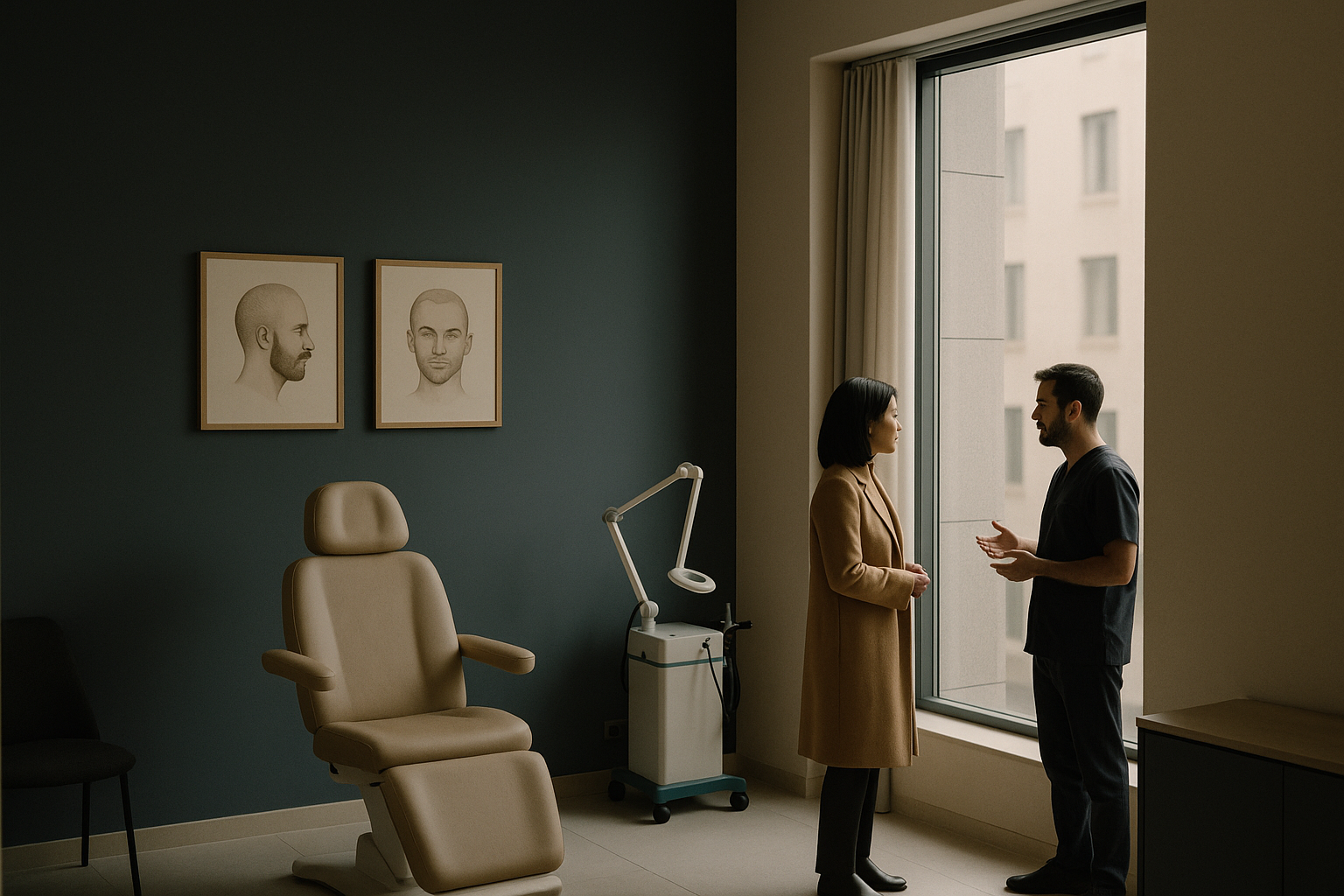
Considering a beard transplant can be a transformative decision for many individuals seeking aesthetic enhancements. Understanding the process and what to expect before and after the procedure is crucial for prospective patients.
What is a Beard Transplant?
A beard transplant is a sophisticated cosmetic procedure designed to enhance facial hair density. Primarily, it involves the transplantation of healthy hair follicles from a donor area, typically the back of the scalp, to the beard area. This method is particularly beneficial for individuals with patchy or sparse facial hair, offering them the desired fullness and shape. The process hinges on the precision and skill of the surgeon, as well as the quality and viability of the donor hair.
The procedure usually employs advanced techniques like Follicular Unit Extraction (FUE) or Follicular Unit Transplantation (FUT). FUE involves extracting individual follicular units directly from the donor site, minimizing scarring and allowing for faster recovery. In contrast, FUT involves removing a strip of scalp tissue, which can result in a linear scar but may be preferable for patients requiring a larger number of grafts. The choice between these methods depends on factors such as the patient’s hair type, donor site availability, and personal preferences.
Prospective patients are advised to consult with certified professionals to assess their suitability for the procedure. During these consultations, the surgeon evaluates the patient’s hair density, the desired beard style, and any underlying medical conditions that might affect the surgery. Ultimately, choosing a qualified and experienced surgeon is paramount for achieving natural-looking results and minimizing the risk of complications.
How Much Does a Beard Transplant Cost in Turkey?
The cost of a beard transplant in Turkey is influenced by various factors, making it a financially accessible option for many. Prices typically range from $2,000 to $7,000, depending on the clinic’s reputation, the surgeon’s expertise, and the number of hair grafts required. Turkey is renowned for its competitive pricing in medical tourism, often providing comprehensive packages that include accommodation, transportation, and post-operative care, which can add significant value for international patients.
For instance, a clinic in Istanbul might charge around $4,000 for a procedure involving 3,000 grafts, which is comparatively lower than similar services in the United States or Europe. This affordability does not come at the expense of quality; Turkish clinics are known for their state-of-the-art facilities and adherence to international medical standards. The country’s strategic emphasis on medical tourism ensures that clinics are equipped with the latest technology and staffed by experienced professionals.
When choosing a clinic in Turkey, prospective patients should prioritize the quality of care over cost. It is essential to verify that the clinic is accredited by reputable international health organizations and that the medical staff is certified in their respective fields. Patients should also consider the clinic’s track record, including patient testimonials and before and after photos, to ensure that they can expect satisfactory results.
What to Expect During a Beard Transplant Procedure?
Undergoing a beard transplant is a meticulous process that requires several hours to complete. The procedure is usually performed under local anaesthesia, ensuring that the patient experiences minimal discomfort. During the surgery, the surgeon extracts individual hair follicles from the donor area, typically the back of the scalp, using precise techniques to ensure the follicles remain intact and viable for transplantation.
Once extracted, these follicles are carefully implanted into the beard area, with attention to the natural growth pattern and desired beard style. The surgeon meticulously places each graft to ensure that the new hair will grow in a manner that complements the patient’s facial structure. This precision is crucial for achieving a natural and aesthetically pleasing result.
Post-operatively, patients may experience temporary swelling and redness in the treated area, which usually subsides within a few days. Proper post-operative care is vital, including keeping the area clean, avoiding direct sunlight, and refraining from strenuous activities for at least a week. Follow-up appointments are scheduled to monitor the healing process and address any concerns. Adhering to these guidelines can significantly enhance the outcome of the procedure, ensuring that the beard transplant before and after results are as expected.
What are the Before and After Results of a Beard Transplant?
Before undergoing a beard transplant, individuals often contend with patchy or uneven facial hair, which can affect their overall appearance and self-esteem. The transformation following the procedure can be remarkable. Patients can expect a significant increase in the density and uniformity of their beard, with results that look natural and well-integrated with their existing facial hair.
It’s important to understand that the results of a beard transplant do not manifest immediately. Initially, the transplanted hair will fall out within a few weeks, a normal part of the hair growth cycle. New growth begins after a few months, gradually increasing in volume and density. Most patients observe noticeable improvements within six months, with full results typically visible by the 12-month mark.
Patient satisfaction is generally high, as the procedure not only enhances appearance but also boosts confidence and self-esteem. Many individuals report feeling more masculine and self-assured after achieving the beard they have always desired. The success of the beard transplant before and after results is contingent on factors such as the surgeon’s skill, the quality of the donor hair, and adherence to post-operative care instructions.
Are Beard Transplants Safe?
Beard transplants are considered a safe procedure when conducted by qualified and experienced professionals. As with any surgical intervention, there are potential risks, but these are minimized through meticulous planning and execution. Common risks include infection, scarring, and temporary numbness in the treated area; however, these can be effectively managed with proper surgical techniques and post-operative care.
Prospective patients should have an open discussion with their surgeon about any concerns or medical conditions that could influence the surgery. During the initial consultation, the surgeon evaluates the patient’s medical history and overall health to ensure they are suitable candidates for the procedure. It is crucial for patients to have realistic expectations and to understand the potential outcomes and limitations of the surgery.
Choosing a reputable clinic that adheres to international safety standards is essential for minimizing risks. Clinics with a strong track record of successful procedures and positive patient testimonials are more likely to provide a safe and satisfactory experience. By prioritizing safety and quality, patients can achieve the desired beard transplant before and after results with confidence.
How to Choose a Beard Transplant Clinic?
Selecting the right clinic for a beard transplant is a critical step that involves thorough research and careful consideration. Prospective patients should begin by identifying clinics with a proven track record of successful procedures and positive patient reviews. An excellent starting point is to verify the surgeon’s qualifications and experience, particularly in performing beard transplants, as this specialization requires a distinct skill set.
- Verify the surgeon’s qualifications and experience in performing beard transplants. This includes checking their certifications, training background, and reputation in the field.
- Ensure the clinic is accredited and adheres to international health and safety standards. Accreditation from reputable health organizations is a strong indicator of a clinic’s commitment to quality care.
- Consider the clinic’s location and the convenience of travel arrangements. For international patients, it might be beneficial to select a clinic that offers comprehensive packages that include accommodation and transportation.
Consultations with multiple clinics can provide valuable insights into the procedure, costs, and expected outcomes. During these consultations, patients should ask about the surgical process, the number of grafts required, and the anticipated recovery time. Transparent communication about all aspects of the procedure, including potential risks and realistic expectations, is essential for making an informed decision. Ultimately, selecting a clinic that prioritizes patient safety and satisfaction will significantly impact the success of the beard transplant before and after results.
Conclusion
Beard transplants offer a viable solution for individuals seeking enhanced facial hair density and appearance. By understanding the procedure, costs, and expected outcomes, prospective patients can make informed decisions about undergoing this transformative cosmetic surgery. A successful beard transplant not only improves physical appearance but also boosts confidence and self-esteem.
As with any medical procedure, prioritizing safety and quality of care is paramount to achieving satisfactory results. By carefully selecting a qualified surgeon and reputable clinic, patients can ensure that their beard transplant before and after journey is both safe and rewarding. With the right preparation and care, individuals can achieve the beard they have always desired, leaving them feeling more confident and self-assured in their daily lives.
Proven result
20 to 200 hair-transplant patients a month from Australia
Aesthetic surgery group
Frequently asked questions
How much is a beard transplant in Turkey?
A beard transplant in Turkey costs between $2,000 and $7,000, depending on the clinic and the number of grafts needed.
What is the recovery time for a beard transplant?
Recovery typically takes a few days to a week, with full results visible within 12 months as the transplanted follicles begin to grow.
Are there risks associated with beard transplants?
While generally safe, risks include infection and scarring. These are minimized by choosing experienced surgeons and following post-op care instructions.
How do I choose a good beard transplant clinic?
Look for clinics with experienced surgeons, positive reviews, and adherence to international health standards. Consultations can help in making an informed choice.
What should I expect during a beard transplant procedure?
Expect a multi-hour procedure under local anaesthesia, with individual hair follicles transplanted from the scalp to the beard area.
Related guides

Turkey Hospitals vs Local Hospitals Compared
A lower procedure quote can get a patient’s attention. It should not make the decision on its own.…

Patient Experience That Drives Trust and Growth
A patient who has already uploaded medical records, compared providers, and arranged time away from work is not…

What Is a Medical Travel Facilitator and Why Use One?
A lower treatment quote can look compelling until you try to compare what it actually includes: surgeon fees,…